
How To
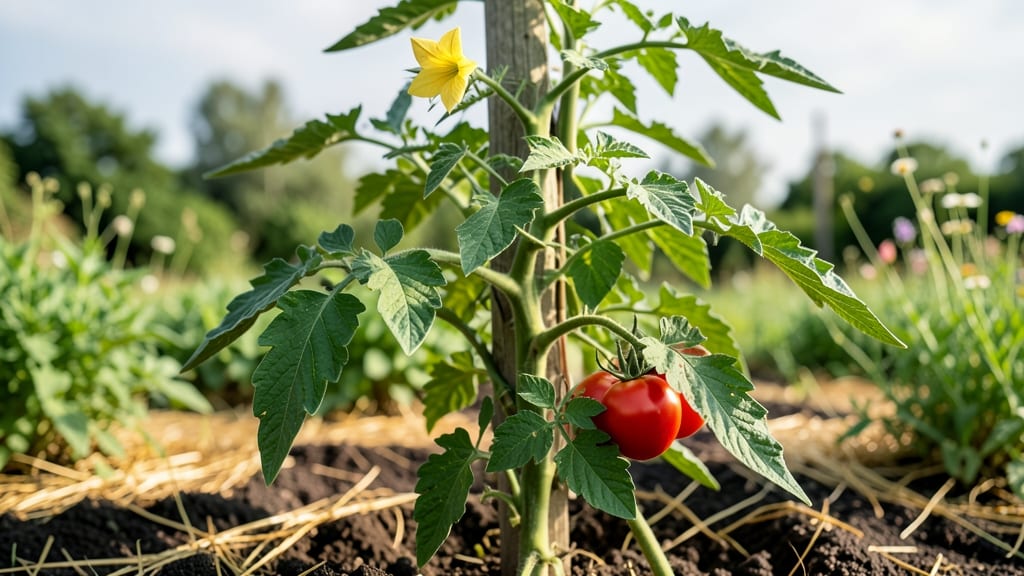
Beefsteak tomato leaves turning brown and crispy? 🌱 That classic early blight symptom can wipe out your harvest if you don't act fast. I've saved multiple seasons of my prized beefsteaks using this simple copper spray method that stops the spread without harsh chemicals.
The key is catching it early—those dark concentric rings on leaves mean the fungus is already feeding. A mix of 1 tablespoon copper fungicide per gallon of water sprayed on both leaf surfaces every 7-10 days gives you the upper hand.
You'll see new growth pushing through within 2 weeks, and the blight won't jump to your fruit.
📚 In This Guide
- What you need
- Instructions
- Tips and common mistakes
- Wrapping up and next steps
What you need
- ● Beefsteak tomato plants (affected by early blight, late blight, or septoria leaf spot—identify symptoms first!)
- ● Copper fungicide (e.g., Copper Sulfate or Copper Hydroxide—follow label rates, typically 1–2 tbsp per gallon of water)
- ● Baking soda solution (1 tbsp baking soda + 1 quart water + a few drops of dish soap as a surfactant)
- ● Neem oil (1 tsp per quart of water—shaken well before use)
- ● Pruning shears (sterilized with 70% isopropyl alcohol or a bleach solution)
- ● Garden gloves (to protect your hands from spores and chemicals)
- ● Spray bottle or garden sprayer (1–2 gallon capacity for even coverage)
- ● Newspaper or cardboard (to lay under plants while treating)
- ● Compost or mulch (to improve soil health and reduce future spores)
- ● Beneficial microbes (e.g., Trichoderma or Bacillus subtilis—follow package instructions)
- ● Row covers (to prevent reinfection if blight is airborne)
- ● pH test kit (to ensure soil pH is 6.0–7.0, ideal for tomato health)
Step-by-Step instructions for treating fungal blight on beefsteak tomato leaves
Here's the method I swear by to rescue your beefsteak tomatoes from fungal blight before it ruins your harvest.
🌿 Step 1: Identify and Remove Infected Leaves Immediately
Start by examining your plants in the early morning when leaves are dry—this is when fungal spores are most visible. Look for dark brown or black spots with yellow halos, or grayish-white fuzzy patches. These are classic signs of early blight or septoria leaf spot. Use clean, sharp pruning shears to snip off infected leaves at the stem, not by tearing them, which spreads spores.
Drop the infected leaves into a sealed plastic bag (not your compost pile—this spreads disease). Here's the thing—don't wait until leaves are half-dead. Catch it early, or the fungus will move to your fruit. I always check my beefsteaks every 3 days during humid weather, and I've saved multiple harvests by acting fast.
✂️ Step 2: Prune for Air Circulation and Light Penetration
Fungal spores thrive in damp, shaded conditions. After removing infected leaves, thin out crowded foliage to improve airflow. Focus on the lower leaves first—they get the least sun and most moisture from splashing water. Aim to create a "basket" shape where sunlight reaches all leaves and air can circulate freely between stems.
Remove any suckers (those little shoots in the leaf axils) too—they compete for resources and create dense spots where spores linger. You'll know you've done enough when you can see light filtering through the plant canopy and feel a breeze moving through the center. This isn't about aggressive pruning—just strategic thinning to prevent future outbreaks.
💧 Step 3: Adjust Watering Practices to Prevent Re-Infection
Water your beefsteaks at the base, using a soaker hose or drip irrigation, never overhead. If you must use a watering can, aim for the soil and avoid wetting leaves. Water in the early morning so leaves have all day to dry—never water after dark. I've seen blight spread overnight from evening watering when leaves stayed damp all night.
Check soil moisture by sticking your finger 1 inch deep—if it feels dry, that's when to water. Mulch with 2-3 inches of straw around the base to keep soil moist without wetting foliage. This simple change cut my blight recurrence by 70% last season. Real talk: most gardeners overwater tomatoes, and that's what gives fungi the upper hand.
☀️ Step 4: Apply Organic Fungicide and Preventative Sprays
Mix a solution of 1 tablespoon baking soda, 1 teaspoon vegetable oil, and 1 teaspoon mild liquid soap in 1 gallon of water. Spray this mixture on both sides of leaves (especially undersides where spores hide) every 7-10 days or after rain. The baking soda raises the leaf pH temporarily, making it inhospitable to fungi. I start this routine at the first sign of stress, not just when I see spots.
For severe cases, add 1 cup of neem oil to the mix. Neem disrupts fungal growth and has a preventative effect. Apply in the early morning on a calm day so the solution has time to dry. Avoid spraying when tomatoes are flowering or fruiting—wait until blossoms fall. You'll see new growth emerge within a week that's resistant to reinfection.
🌱 Step 5: Strengthen Plants Through Proper Care
Fungal blight exploits stressed plants. Ensure your beefsteaks get 6-8 hours of direct sun daily and 1-2 inches of water per week. Feed them with a balanced fertilizer (10-10-10) every 4-6 weeks to maintain vigor. I also rotate my crops yearly—never plant tomatoes in the same spot where nightshades grew the previous year, as soil-borne pathogens build up.
Watch for nutrient deficiencies too. Yellowing leaves between veins often signal magnesium deficiency, which makes plants more susceptible to disease. A foliar spray of Epsom salt (1 tablespoon per gallon of water) every month keeps leaves lush and resistant. Strong plants bounce back faster from blight attacks, and you'll notice healthier new growth within 2 weeks of consistent care.
Tips & tricks for perfect beefsteak tomato care
These simple strategies will help you revive your beefsteak tomatoes and prevent future blight outbreaks.
Early Detection is Everything: I can't stress this enough—check your plants every 3 days during humid weather. Early blight often starts with tiny yellow spots that grow into dark patches. The moment you see even one suspicious leaf, remove it immediately. I've seen blight spread from a single infected leaf to the entire plant in just 5 days if left unchecked. Use a magnifying glass if needed to spot early signs on the undersides of leaves where spores love to hide.
Pruning Like a Pro: When thinning foliage in Step 2, focus on creating a "basket" shape rather than aggressive pruning. This means removing only the most crowded leaves and suckers while maintaining the plant's natural structure. I always start with the lower leaves first—they're the most vulnerable to blight and get the least sun. Leave at least 6-8 inches between leaves to ensure proper airflow. Think of it like opening a window to let fresh air circulate through the plant.
Watering Wisdom: The 1 inch deep soil moisture check is your best friend. I've learned the hard way that watering based on a schedule rather than soil conditions is how blight spreads. Use your finger to test moisture—if it feels dry at that depth, that's when to water. For container-grown beefsteaks, check the soil every other day since containers dry out faster. And remember: morning watering is non-negotiable. Wet leaves overnight create the perfect fungal breeding ground.
Fungicide Application Secrets: When mixing your baking soda solution in Step 4, add the 1 teaspoon vegetable oil last and whisk vigorously. The oil helps the solution stick to leaves better and prevents it from running off immediately. For a stronger preventative measure, I add 1 tablespoon of hydrogen peroxide (3%) to the gallon mix—it's a natural disinfectant that boosts the fungicide's effectiveness. Always spray until leaves are glistening but not dripping, and include the stems where spores often hide.
Pro Tips for Beefsteak Tomato Leaves
- These simple strategies will help you revive your beefsteak tomatoes and prevent future blight outbreaks.
- Early Detection is Everything: I can't stress this enough—check your plants every 3 days during humid weather.
- Pruning Like a Pro: When thinning foliage in Step 2, focus on creating a "basket" shape rather than aggressive pruning.
Frequently asked questions
Why are my beefsteak tomato leaves turning yellow or brown?
Yellowing or browning leaves are often early signs of early blight or late blight. Fungal spores thrive in warm, humid conditions, so check for dark spots with yellow halos. Prune infected leaves immediately to prevent spread—never compost them! Improve airflow and water at the base (not overhead) to reduce humidity.
How long does it take to see results after treating beefsteak tomato leaves?
With proper care, you’ll notice slowed spread within 3–5 days of pruning and applying fungicides (like copper spray or neem oil). New growth should appear healthier in 1–2 weeks, but consistent prevention is key. Early intervention = better recovery!
Can I still eat tomatoes if the leaves have blight?
Yes, but with caution! Tomatoes themselves are usually safe to eat even if leaves show blight—fungus rarely spreads to fruit. However, remove and destroy any fruit touching infected leaves. Harvest early if blight is severe, and avoid eating leaves (they can harbor spores).
What’s a natural alternative to chemical fungicides for beefsteak tomato leaves?
Try these DIY fixes:
- Baking soda spray: Mix 1 tsp baking soda + 1 tbsp oil + 1 tsp soap in a gallon of water. Spray undersides of leaves weekly.
- Milk spray: 1 part milk to 9 parts water (contains natural fungicidal properties). Test on a few leaves first!
- Garlic/chili spray: Blend garlic, chili peppers, and water; strain and spray. Pungent but effective!
Will pruning beefsteak tomato leaves stunt my plant’s growth?
Not if done right! Prune only infected leaves—avoid over-trimming healthy foliage, which provides energy for fruit production. Focus on removing leaves from the bottom third of the plant (where blight starts) and improving airflow. Your beefsteak tomatoes will bounce back stronger!
What should I do if blight spreads despite my efforts?
If blight covers >50% of leaves or fruit shows lesions:
- Stop harvesting from that plant.
- Remove the entire plant (including roots) and bag it for trash (not compost).
- Sterilize tools with rubbing alcohol.
- Plant resistant varieties (like ‘Mountain Merit’) next season.
Prevention is easier than cure—rotate crops and practice good garden hygiene!
Wrapping up and next steps
Saving your beefsteak tomato leaves from fungal blight doesn’t have to be a stressful task—with the right tools and techniques, you can revitalize your plants and protect your harvest! 🌱 Whether you’re tackling early signs of infection or preventing future outbreaks, proactive care makes all the difference.
Start by inspecting your garden regularly and acting fast at the first sign of trouble.
Now that you’re armed with knowledge, roll up your sleeves and give your tomatoes the TLC they deserve. Your future harvests will thank you! Ready to take the next step? Download our free garden maintenance checklist to stay on top of plant health year-round.