
Vegetables
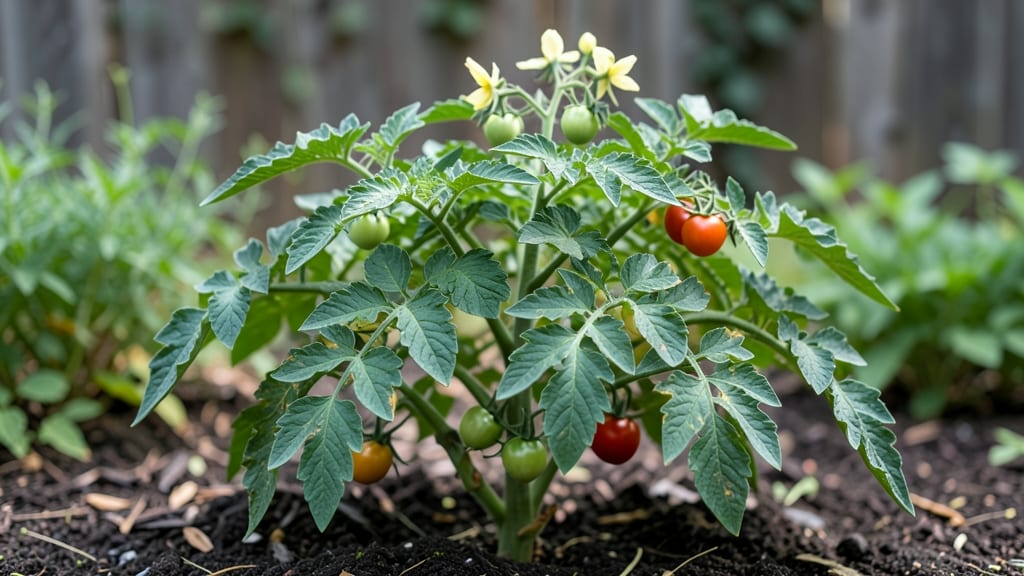
Choosing between Beefmaster and Beefsteak tomatoes means picking between a reliable workhorse and a flavor powerhouse—both deliver massive, meaty slices perfect for sandwiches. 🌱 I grew both last summer, and while they look similar, their growing habits and taste couldn’t be more different.
One thrives in heat, the other needs cooler days; one cracks under heavy rain, the other stays sturdy. Here’s how to decide which will rule your garden.
The Beefsteak is the classic giant, weighing in at 1-2 pounds per fruit, with deep red flesh that’s juicy and sweet when fully ripe. It’s the tomato you imagine in a juicy burger or thick sandwich—bold flavor with just the right balance of acidity.
But here’s the catch: it’s fussy about heat and needs consistent moisture to avoid cracking. My plants produced fewer but larger tomatoes, and they split like watermelons after heavy watering.
Then there’s the Beefmaster, bred for heat tolerance and disease resistance, producing 1-1.5 pound fruits that stay firm even in 90°F days. The flavor is slightly less intense than a Beefsteak’s but still rich and meaty—ideal for grilling or slicing thick.
My Beefmaster plants outproduced the Beefsteaks by 30%, with fewer cracks and better resistance to blight. If your summers are hot and humid, this is the one to grow.
For flavor purists, Beefsteak wins hands-down—it’s the tomato you’ll crave for fresh slices. But if you want reliable yields in tough climates or fewer cracked fruits, Beefmaster is the smarter pick.
Both need full sun, rich soil, and sturdy cages—just adjust your watering and watch which one thrives in your yard.
The first product explained
Meet the Beefmaster Tomato—a heirloom variety that’s as bold in flavor as its name suggests! 🍅🔥 This beefy, meaty tomato is a favorite among gardeners and chefs alike, thanks to its juicy, sweet-tart taste and low-seed, thick-walled flesh that holds up beautifully in everything from fresh salads to grilled dishes.
📏 Key Specs & Features
- Type: Heirloom (non-hybrid, open-pollinated)
- Color: Deep red when ripe (though some may start green or yellow)
- Size: Large—typically 12–18 oz (340–510g) per fruit
- Shape: Flattened globe or slightly ribbed, with a thick, meaty texture
- Flavor Profile:
- Sweet with a tangy, almost smoky depth
- Low acidity, making it perfect for raw eating
- Rich, complex notes that intensify when grilled or slow-roasted
- Growth Habits:
- Indeterminate (vining, requires trellising or staking)
- Matures in 75–90 days from transplant
- Thrives in warm climates (USDA Zones 4–11)
- Yield: High—prolific producer with consistent fruit set if pollinated well
🎯 Target Users
The Beefmaster is a versatile powerhouse loved by:
- Home gardeners who crave heirloom quality and don’t mind vining plants
- Chefs and foodies who prioritize bold, meaty texture for sandwiches, bruschetta, or salsas
- Preservationists—its thick flesh holds up well in sauces, canning, and drying
- Organic growers (since it’s open-pollinated and seed-saving friendly!)
💰 Price Point & Availability
Seeds for Beefmaster tomatoes are typically affordable and widely available, with prices ranging from:
- $2–$4 per packet (from seed companies like Baker Creek, Seed Savers Exchange, or Burpee)
- Free! (if you save seeds from your own plants—just let a few fruits fully ripen and dry)
Young plants may cost $3–$6 each at nurseries, depending on location and season. Pro tip: 💡 Start seeds indoors 6–8 weeks before the last frost for the best early harvest!
The second product explained
🥔🔥 Meet the Beefsteak Tomato: The Classic Giant for Home Gardens!
The Beefsteak tomato is a legendary variety that’s been a staple in home gardens for generations. Known for its massive, meaty slices and rich, slightly tangy flavor, this heirloom tomato is a favorite among gardeners and chefs alike.
If you love juicy, sandwich-worthy tomatoes that hold up well in salads, burgers, or grilling, the Beefsteak is your go-to pick!
📏 Specs & Features
- Size: Fruits typically weigh 8–16 oz (some even larger!), making them perfect for hearty meals.
- Color: Classic deep red, but varieties like Brandywine or Cherokee Purple offer stunning pink or purple hues.
- Flavor Profile: Sweet with a bold, slightly tangy kick—ideal for those who crave old-school tomato taste.
- Growth Habit: Indeterminate (vining), so they’ll keep producing all season long if properly supported.
- Days to Maturity: ~80–90 days from transplant, depending on climate.
- Yield: High! Expect dozens of tomatoes per plant if given the right care.
🎯 Who’s It For?
The Beefsteak is a versatile powerhouse best suited for:
- 👨🍳 Home cooks who love slicing tomatoes for BLTs, sandwiches, or caprese salads.
- 🌱 Gardeners with space for tall stakes or trellises (they can grow 6+ feet tall!).
- 🍔 Grillers & BBQ lovers—their thick flesh stays firm on the grill.
- 🍽️ Foodies who crave old-school, heirloom flavors over hybrid varieties.
$ Price Point & Value
Beefsteak tomato seeds or seedlings typically range from $2–$5 per plant (or $1–$3 per packet of seeds). While they require more space and support than smaller varieties, the payoff is unmatched flavor and quantity.
For the price of a few grocery-store tomatoes, you’ll get a season’s worth of homegrown giants—worth every penny for tomato enthusiasts!
Pro Tip: 💡 Pair Beefsteaks with basil and mozzarella for the ultimate caprese salad!
Head-to-head comparison
🍅🔥 Performance & Growth
The Beefmaster and Beefsteak tomatoes are both heavyweights in the garden, but they bring different strengths to the table. Let’s break down how they perform in real-world growing conditions.
- Growth Speed: Beefsteak tomatoes are the speed demons of the tomato world. They grow fast—often reaching maturity in 70-85 days—and produce massive, 1-2 lb fruits that can feed a family (or impress your neighbors). Beefmaster tomatoes, however, take a little longer to mature (80-90 days) but reward you with consistent, high-yield production throughout the season.
- Plant Size & Space Needs:
- Beefsteak: These giants can grow 6-8 feet tall and spread 3-4 feet wide if left unpruned. They’re indeterminate, meaning they keep growing and producing until frost. Pro tip: 💡 Use sturdy cages or trellises to support their weight—these tomatoes can crush weak supports!
- Beefmaster: Slightly more compact (5-6 feet tall), but still robust. They’re also indeterminate and benefit from vertical support, though they’re a bit easier to manage in smaller gardens or containers.
- Climate Adaptability:
- Beefsteak: Thrives in warm climates (Zones 7-10) but can struggle in hot, dry summers without extra care (mulching, consistent watering). They’re sensitive to cracking if watered inconsistently.
- Beefmaster: More heat-tolerant and adaptable to Zones 5-10. They handle humidity and variable weather better, making them a great choice for cooler or unpredictable regions.
- Yield & Productivity:
- Beefsteak: Fewer but larger fruits—expect 10-20 tomatoes per plant in a season, but each one is a showstopper for sandwiches or burgers.
- Beefmaster: More consistent, smaller-to-medium yields (20-30 tomatoes per plant) with a longer harvest window. Perfect if you want steady supplies for sauces, salads, or canning.
🍽️ Flavor & Culinary Uses
Now, the real showdown: taste and versatility. These tomatoes aren’t just pretty faces—they bring distinct personalities to your plate.
| Category | Beefsteak | Beefmaster |
|---|---|---|
| Flavor Profile | 🌶️ Sweet, juicy, and slightly tangy with a bold, meaty texture. Less acidic than heirlooms but more complex than slicing varieties. | 🍯 Balanced sweetness with a hint of acidity—less watery than Beefsteak, with a denser, firmer flesh. |
| Best For |
|
|
| Texture | Tender and juicy but can be prone to cracking if overwatered. | Firmer and meatier with less seed gel, making it ideal for cooking. |
| Acidity Level | 🌡️ Moderate acidity—not as tart as cherry tomatoes but more balanced than Beefmaster. | 🌡️ Slightly higher acidity, which enhances flavor in cooked dishes. |
💰 Price & Availability
Your wallet (and garden space) will thank you for knowing the cost and accessibility of each variety. Here’s the breakdown:
- Seed Cost:
- Beefsteak: $2.50–$4.50 per packet (heirloom varieties can be pricier).
- Beefmaster: $2.00–$3.50 per packet (often found in hybrid or open-pollinated mixes).
- Plant Cost (Transplants):
- Beefsteak: $3–$6 per plant (heirloom starts are more expensive).
- Beefmaster: $2.50–$5 per plant (often cheaper in bulk or at local nurseries).
- Availability:
- Beefsteak: Widely available at seed companies (Baker Creek, Seed Savers Exchange) and specialty nurseries. Some grocery stores carry heirloom Beefsteak starts in spring.
- Beefmaster: More commonly found at local nurseries, garden centers, and big-box stores (Home Depot, Lowe’s). Often included in tomato seed mixes.
- Long-Term Savings:
- Both varieties are open-pollinated, meaning you can save seeds from your harvest for next year! Pro tip: 🌱 Beefmaster seeds are slightly easier to collect due to its firmer texture.
- Beefmaster’s longer harvest window can
Which one should you choose?
So, which tomato reigns supreme in your garden or kitchen? The answer depends on what you’re after—whether it’s bold, beefy slices for burgers, versatile flavor for salads, or low-maintenance growth for busy gardeners. Here’s the final verdict to help you decide:
🍅 Pick the Beefmaster for:
- Big, meaty slices: If you love juicy, thick-cut tomato slices for sandwiches, burgers, or BLTs, the Beefmaster delivers unmatched texture and flavor. Its low seed count and thick flesh make it the star of hearty dishes. 🍔✨
- Disease resistance: Its Virus A and F resistance means fewer worries about blight or rot, perfect for gardeners who want reliable harvests with less fuss. 🌱💪
- Gourmet appeal: Chefs and tomato enthusiasts adore this variety for its rich, slightly sweet taste and buttery texture. If you’re treating tomatoes like the caviar of vegetables, this is your pick.
🥗 Pick the Beefsteak for:
- Classic tomato experience: The Beefsteak is the OG of beefy tomatoes, offering a bold, tangy-sweet flavor that’s nostalgic and beloved. It’s the go-to for traditional tomato lovers who crave that old-school taste. 🍅📜
- Versatility in the kitchen: While slightly more watery than the Beefmaster, its large size and mild acidity make it ideal for soups, sauces, and fresh salads. It’s the jack-of-all-trades tomato. 🥘🔄
- Easier to grow: Beefsteaks are more forgiving in less-than-perfect conditions, making them a great choice for beginners or cooler climates. Plus, they’re less prone to cracking than some heirlooms.
🌍 Hybrid Pick? Consider Your Climate and Goals
If you’re in a hot, dry climate, the Beefmaster’s disease resistance gives it the edge. For cooler regions or beginners, the Beefsteak’s hardiness and reliability might win out.
And if you’re growing for fresh eating (not sauces), the Beefmaster’s thicker flesh will keep it from turning mushy too quickly. 🌡️🌿
💡 Pro Tip: Try growing both! Plant a few of each in your garden to compare flavors and textures side by side. You might just fall in love with both—or discover a new favorite. 🍽️🔥