
Companion Plants
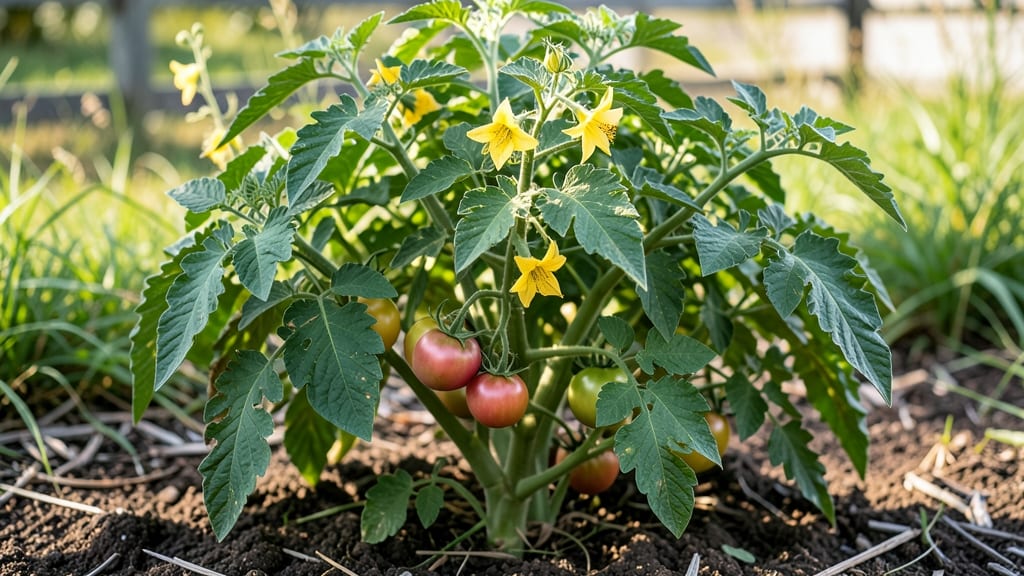
Those meaty tomato plants with thick, beefy fruit are the secret behind the tomatoes you dream about—heavy enough to make your hand dip when you pick them. 🌱 I grew my first meaty heirloom last summer, and the difference between that and store-bought tomatoes is night and day.
The key isn’t just the variety; it’s how you coax those plants to put all their energy into fewer, larger fruits instead of a hundred tiny ones.
Start with well-draining soil rich in compost (think 50% topsoil, 30% compost, 20% perlite), and plant deep—bury the stem up to the first leaves. These vines need full sun (6-8 hours daily) and consistent watering (1-1.5 inches per week) to prevent cracking.
Prune suckers religiously—every time you see a shoot growing between the stem and a branch, snip it. That redirecting energy is what turns your plants into juicy, meaty harvest machines.
Feed them organic fertilizer every 3-4 weeks (fish emulsion or compost tea works wonders), and watch as those first pound-plus tomatoes form. The flavor? Deep, sweet, and complex—nothing like the watery store-bought ones.
Even if you’ve struggled with blossom end rot or split fruit before, these tips keep the issues at bay while maximizing size and taste.
Whether you’re growing in raised beds, containers, or the ground, the same principles apply. The payoff? Tomatoes so big and flavorful, your neighbors will ask for cuttings. Let’s get those vines climbing and those fruits growing!
📚 In This Guide
- What you need
- Instructions
- Tips and common mistakes
- Wrapping up and next steps
What you need
- ● Indeterminate tomato seeds or seedlings: Quantities: 3–6 plants (depending on household size; more if sharing!). Varieties: Brandywine, Cherokee Purple, Sungold, or Big Beef (pick 1–2 for variety).
- ● Growing containers or garden bed: Containers: 5-gallon pots or larger (1 plant per container). Garden bed: 6+ inches deep, with full sun (6–8+ hours/day).
- ● High-quality potting mix: 1–2 bags of organic, well-draining mix (add perlite or compost for fluffiness).
- ● Fertilizer: Balanced 10-10-10 or 5-10-10 (start with seedlings). Tomato-specific organic fertilizer (e.g., fish emulsion or worm castings) for flowering/fruiting.
- ● Support system: Trellis, stakes, or cages: 6–10 feet tall (indeterminates grow tall!). Soft ties or velcro plant straps (avoid wire—it bruises vines).
- ● Pruning tools: Sharp bypass pruners (sterilize with rubbing alcohol between cuts).
- ● Mulch: Straw or shredded leaves (2–3 inches thick) to retain moisture and deter weeds.
How to grow indeterminate tomatoes for heavy, towering harvests
These vining giants need special care—here’s how to coax strong, productive stems and maximize your harvest.
🌱 Step 1: Select the Right Varieties and Start Strong Seedlings
Indeterminate tomatoes like 'Sungold', 'Cherokee Purple', or 'Brandywine' keep growing until frost, so choose disease-resistant hybrids like 'Mountain Merit' or 'Better Boy' for reliability. Start seeds indoors 8-10 weeks before your last frost date in 75-85°F soil using a sterile seed-starting mix—never garden soil, which can harbor pathogens that stunt stems.
Plant 2 seeds per cell in 2-3 inch pots, covering them ¼ inch deep. Once seedlings emerge, thin to the strongest one per pot. Watch for first true leaves (the second set after the initial seed leaves)—this signals when to move them under grow lights for 14-16 hours daily. Without enough light, stems grow weak and leggy, unable to support heavy fruit later.
☀️ Step 2: Harden Off and Transplant for Robust Stem Development
Two weeks before transplanting, start hardening off seedlings by placing them outside in partial shade for 1-2 hours daily, gradually increasing to full sun over 7-10 days. This toughens stems so they won’t snap when laden with fruit. Transplant on an overcast day or in late afternoon to reduce stress, burying ⅔ of the stem to encourage deeper root growth and stronger anchoring.
Space plants 3-4 feet apart in full sun (6+ hours daily). Use a tomato cage or sturdy stakes immediately—indeterminates grow 6-10 feet tall, and waiting until they’re heavy with fruit risks stem breakage. Water deeply at the base every 2-3 days, ensuring top 2 inches of soil stay dry between waterings to prevent fungal diseases that weaken stems.
✂️ Step 3: Prune and Support for Maximum Fruit Load
Once plants reach 3-4 feet tall, begin pruning suckers (the small shoots growing in the leaf axils) to redirect energy into thicker main stems and fruit. Remove suckers gently with fingers—never tear them, as this damages the plant. Leave 1-2 strong suckers near the bottom to develop into secondary stems if your variety benefits from it (like 'Beefsteak' types).
Train the main stem along a sturdy bamboo stake or trellis, tying it loosely with soft plant ties every 12 inches. As fruit sets, prune lower leaves to improve airflow and reduce disease risk. You’ll know you’re doing it right when the main stem thickens to pencil size and new leaves stay dark green and crisp—signs of a plant strong enough to support pound-after-pound of tomatoes.
💧 Step 4: Feed and Water for Heavy Yields
Fertilize every 2-3 weeks with a balanced 10-10-10 or tomato-specific fertilizer (high in phosphorus for flowering) once flowers appear. Avoid high-nitrogen feeds—these encourage leafy growth at the expense of fruit. Water deeply at the base in the morning, aiming for 1-1.5 gallons per plant weekly, and mulch with straw to retain moisture and prevent soil-borne diseases from splashing onto stems.
Watch for wilting or yellowing leaves—a sign of uneven watering or nutrient stress. Indeterminates need consistent moisture to develop thick, vascular stems capable of transporting water and nutrients to hundreds of pounds of fruit. If a stem sags under weight, add a second stake or tie it more securely—a broken stem means lost harvest potential.
🍅 Step 5: Harvest and Prune Through the Season
Pick tomatoes when fully colored and slightly soft to touch, twisting gently to avoid damaging the stem. Regular harvesting stimulates more flowering—leave 3-4 clusters per stem to mature at a time, as overloading weakens the plant. As fall approaches, prune back any diseased leaves and reduce watering slightly to toughen skins before the first frost, which improves storage life.
If your season extends into fall, cover plants with frost cloth on chilly nights to protect them. Indeterminates can keep producing until temperatures drop below 50°F, so don’t rush to harvest everything at once. The key to meaty, towering harvests lies in strong stems, consistent care, and smart pruning—not just big plants, but plants built to last.
Tips & tricks for growing towering indeterminate tomatoes
These simple strategies will help you cultivate tomatoes that reach sky-high while producing heavy, flavorful fruit all season long.
Lighting is Everything: During the critical 14-16 hours daily under grow lights in Step 1, position lights just 2-3 inches above seedlings—closer than you think! This prevents leggy stems that can't support future fruit. I use LED grow lights on a timer to automate this, and I rotate trays every few days so all sides get even light exposure. Uneven lighting causes weak stems that snap under weight later in the season.
Harden Off Gradually: The 1-2 hours daily in partial shade during hardening off (Step 2) is your chance to toughen those young stems. Start with just 30 minutes if your seedlings look stressed, then increase by 30 minutes every 2-3 days. Watch for leaves that curl inward—this means they're adjusting well. I've seen seedlings collapse under sudden full sun exposure, so take it slow. The goal is to mimic outdoor conditions without shocking the plant.
Support System Matters: In Step 3, when training your main stem along stakes, use soft plant ties that won't cut into the thickening stem as it grows. I've ruined stems by using wire or tight plastic ties that girdle the plant. Loosen ties every 2-3 weeks as the stem thickens. For varieties like 'Beefsteak', consider adding a second stake at 3 feet to share the weight—this prevents the main stem from bending under heavy fruit clusters.
Watering Wisdom: The 1-1.5 gallons weekly recommendation in Step 4 is a baseline, but adjust based on your soil type. Sandy soil drains quickly and may need daily watering, while clay holds moisture longer. Always water at the base to avoid wetting leaves, which spreads fungal diseases. I use a soaker hose for deep, consistent watering that encourages strong root development—the foundation for those towering stems.
Pro Tips for Meaty Tomato Plants
- These simple strategies will help you cultivate tomatoes that reach sky-high while producing heavy, flavorful fruit a...
- Lighting is Everything: During the critical 14-16 hours daily under grow lights in Step 1, position lights just 2-3 i...
- Harden Off Gradually: The 1-2 hours daily in partial shade during hardening off (Step 2) is your chance to toughen th...
Frequently asked questions
Got questions about growing meaty tomato plants? You’re not alone!
Here are answers to the most common queries from gardeners eager to cultivate towering, productive indeterminate tomato varieties.
What’s the difference between meaty tomato plants and regular tomatoes?
Meaty tomato varieties (like beefsteak or brandywine) have thicker, fleshier fruit with fewer seeds and less water content. They’re prized for sandwiches, burgers, and sauces—unlike slicing tomatoes, which are juicier and thinner-walled. Indeterminate types grow continuously, producing larger fruit over time.
How long does it take for indeterminate tomato plants to bear fruit?
Indeterminate tomatoes typically take 60–90 days from transplanting to first fruit, depending on warmth and variety. With proper care (staking, pruning, and consistent watering), they’ll keep producing until frost. Patience pays off—these plants reward gardeners with harvests for months!
Can I grow meaty tomatoes in containers? What’s the best setup?
Use a 5-gallon container or larger (bigger = better for heavy fruit). Add a tomato cage or sturdy trellis for support, and ensure it has drainage holes. Opt for dwarf indeterminate varieties like ‘Tumbling Tom’ if space is tight, but standard types (e.g., ‘Brandywine’) thrive in deep pots with regular feeding.
Why are my meaty tomato leaves turning yellow, but the fruit looks fine?
Yellowing leaves (often lower ones) are usually normal aging or overwatering. If new leaves yellow too, check for nutrient deficiencies (especially nitrogen) or pests like aphids. Prune damaged foliage, balance watering, and fertilize with a balanced 10-10-10 or tomato-specific feed. The fruit’s health matters most—focus there first!
Are there meaty tomato alternatives if I don’t want to deal with indeterminate plants?
Yes! Try determinate varieties like ‘Celebrity’ or ‘Better Boy’ (a hybrid with beefsteak traits). They’re bushier, produce fruit all at once, and need less pruning. For heirloom meaty options, ‘Cherokee Purple’ or ‘San Marzano’ (great for sauces) are excellent. Just expect smaller plants and shorter harvest seasons.
How do I protect meaty tomato plants from early frost or cold snaps?
Indeterminate tomatoes hate cold—temperatures below 50°F (10°C) stunt growth, and frost kills them. Use row covers, cold frames, or black plastic mulch to extend the season. If frost threatens, harvest ripe fruit and bring potted plants indoors temporarily. In extreme cases, prune heavily to harden off plants before winter.
Wrapping up and next steps
Growing meaty tomato plants with indeterminate varieties is a rewarding journey that promises bountiful harvests and endless culinary possibilities! Whether you're a seasoned gardener or just starting out, these towering vines offer a chance to elevate your homegrown tomatoes to restaurant-quality levels.
With the right companion plants, pruning techniques, and care, you’ll be well on your way to a thriving garden that keeps giving all season.
Ready to take the next step? Start small—plant a few indeterminate varieties this year and experiment with companions like basil or marigolds. Keep track of what works, and before you know it, you’ll be the envy of the neighborhood with juicy, flavorful tomatoes straight from your garden! 🌱🍅