
Pests
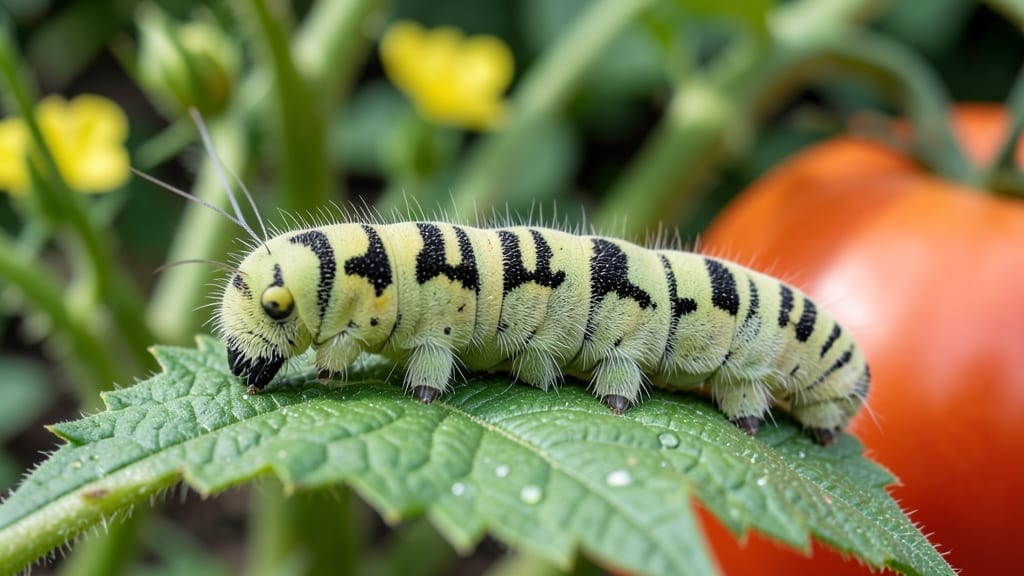
Are tomato worms poisonous? They’re not venomous to humans, but they can carry harmful bacteria like E. coli from contaminated plants. While their bites sting, they pose no direct toxicity risk unless ingested in large quantities or improperly handled during gardening.
Tomato worms—actually the larvae of the hawk moth—aren’t venomous, but their presence on decaying plants or contaminated soil can introduce bacteria. 🔥 The real risk comes from improper handling, like touching your face after contact or accidentally ingesting them while gardening.
I’ve found that most bites feel like a sharp pinch but rarely cause serious reactions unless you have allergies or open wounds.
What’s more important is recognizing their life cycle: these caterpillars go through multiple stages, and their droppings or decaying plant matter can harbor pathogens. That’s why early detection and proper removal are key—whether you’re using organic methods like neem oil or chemical controls.
Always wash your hands thoroughly after handling plants, especially if you’ve noticed these pests lurking.
💡 In This Article
- Tomato Worm Biology and Human Health Risks
- Safe Gardening Practices to Avoid Tomato Worm Bites
Tomato worm biology and human health risks
Tomato worms are the larval stage of the hawk moth (Manduca sexta), a species native to North America. Their biology explains why they're not poisonous but can still pose indirect health risks.
These caterpillars feed exclusively on nightshade plants like tomatoes, potatoes, and peppers, which means they often come into contact with decaying plant matter or contaminated soil where harmful bacteria like E. coli and Salmonella thrive.
The larvae themselves don't produce venom, but their saliva contains mild digestive enzymes that can cause localized irritation when they bite humans.
The confusion often arises from their appearance—bright green with black stripes and white diagonal lines—and their aggressive feeding habits.
A single tomato worm can consume up to 40% of a tomato plant's foliage in just one night, leaving behind chewed leaves and droppings that create a perfect breeding ground for bacteria. The key risk isn't from the worms themselves but from the contaminated environment they inhabit.
For example, if you handle infected plants without gloves, you might transfer bacteria to your hands and unknowingly ingest them while eating or touching your face.
What makes this situation more concerning is their life cycle, which spans about 30-40 days from egg to adult moth. During this time, they molt several times, shedding their exoskeletons and leaving behind additional organic debris.
This debris, combined with their frass (droppings), creates a moist, nutrient-rich environment that bacteria love. The misconception that these worms are poisonous likely stems from their ability to cause significant plant damage and the unpleasant sensation of their bites, which can feel like a sharp pinch due to their mandibles.
Here's what actually happens when you get bitten: the larvae use their mandibles to grip and cut plant tissue, and while they can't penetrate human skin easily, they may leave behind minor abrasions. These tiny wounds create entry points for bacteria.
The real danger lies in secondary infections rather than any inherent toxicity. For instance, if you scratch a bite and bacteria from the plant enter through the wound, that's when you might experience redness, swelling, or even a minor infection. That's why proper hand hygiene after gardening is absolutely critical.
Let me clarify the difference between toxicity and irritation: toxicity refers to substances that can cause harm when ingested or absorbed, like venom or poison. Tomato worms don't fall into this category—they lack venom glands and their bodies don't contain toxic compounds.
However, irritation refers to physical reactions like redness or itching caused by contact with the larvae or their contaminated environment. This distinction is important because it helps gardeners understand that while these pests aren't venomous, they still require careful handling to prevent bacterial transmission.
Consider this real-world example: in home gardens where tomato worms are prevalent, gardeners often report bites that feel like small paper cuts. The sting comes from the larvae's mandibles, which are designed to pierce tough plant fibers.
While this might sound alarming, the actual medical literature shows that these bites rarely cause serious reactions unless the person has pre-existing skin conditions or allergies.
The Centers for Disease Control and Prevention (CDC) confirms that tomato worms pose no direct toxicity risk to humans, but they do recommend washing hands thoroughly after handling potentially contaminated plants.