
Plants
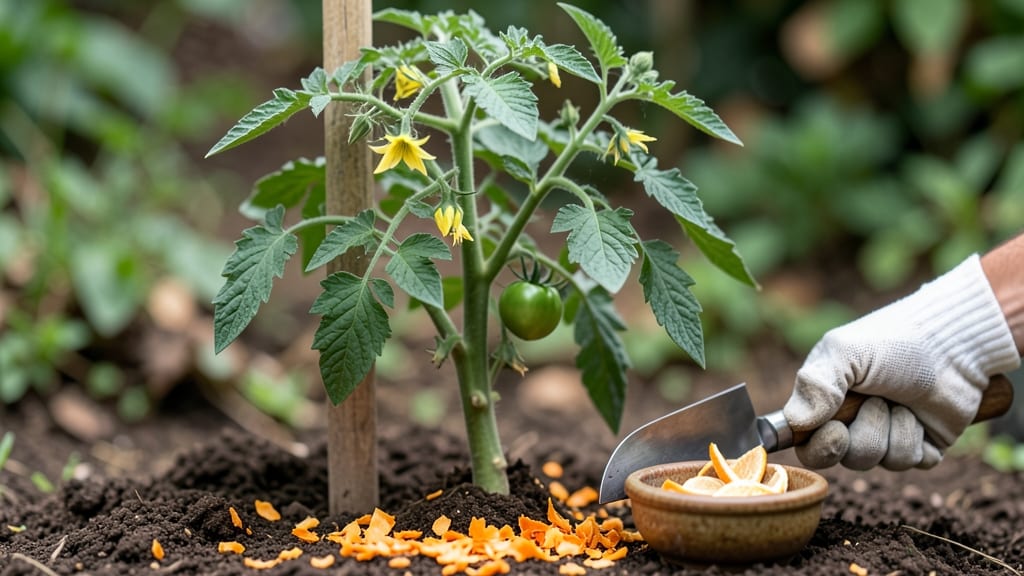
Orange peels are good for tomato plants when used properly, as they introduce citric acid to adjust soil acidity and repel pests like aphids, but excessive use can disrupt nutrient balance or encourage mold growth. Apply them carefully as compost or mulch.
Tomato plants thrive in slightly acidic soil, and the natural citric acid in orange peels helps maintain that balance without harsh chemicals. 🌱 The peels also release potassium and vitamin C, which support root health and boost plant immunity against common pests.
However, the high sugar content can attract mold if overused—think of it like adding too much sugar to a smoothie, which can spoil it. I recommend drying and grinding peels first to concentrate their benefits while reducing moisture risks.
For best results, mix dried peels into compost or sprinkle them lightly around the base of mature plants. Avoid burying them directly in the soil, as this can create pockets of concentrated acidity.
If you notice yellowing leaves or white fungal spots, cut back immediately and flush the soil with water to restore balance.
💡 In This Article
- How Citric Acid and Nutrients in Orange Peels Affect Tomato Growth
- Safe Ways to Use Orange Peels for Tomato Plants Without Harming Them
How citric acid and nutrients in orange peels affect tomato growth
Orange peels contain citric acid (about 5-7% by weight), which acts as a natural soil acidifier. Tomato plants prefer slightly acidic soil with a pH between 6.0 and 6.8. When peels decompose, the citric acid gradually lowers pH levels, making nutrients like phosphorus and iron more available to roots.
This chemical process is similar to how vinegar (which also contains acetic acid) adjusts soil pH, but with a gentler, slower release that won't shock plant roots.
The peels also provide potassium (about 1,000-1,500 mg per 100g of peel) and vitamin C, both of which strengthen cell walls and boost the plant's natural defenses.
The vitamin C content helps stimulate beneficial soil microbes that break down organic matter, creating a healthier rhizosphere—the zone around roots where most nutrient exchange occurs. For comparison, a commercial tomato fertilizer like 5-10-5 contains about 1.5% potassium, while orange peels provide roughly 1.5% potassium by dry weight when composted.
One of the most immediate benefits is pest deterrence. The strong citrus scent repels common tomato pests like aphids and whiteflies, which are naturally drawn to sweet-smelling plants. The limonene oils in the peel disrupt insects' olfactory systems, making it harder for them to locate the plant.
Studies show that citrus-based sprays can reduce aphid populations by up to 40% when applied as a foliar spray, though the effect is more gradual when used as mulch.
However, the high sugar content (about 10-12% by weight) in orange peels creates a double-edged sword. While it feeds beneficial microbes, it also attracts fungal spores and can promote mold growth if not used properly.
Think of it like adding fruit scraps to a compost pile—too much creates a sticky, anaerobic environment that smells sour and attracts pests. The key is balancing the peels with other compost materials like dry leaves or straw to maintain proper aeration.
For gardeners comparing this to commercial fertilizers, orange peels offer a slower-release nutrient profile. Unlike synthetic fertilizers that provide an immediate but short-lived nutrient spike, peels release their benefits over 4-6 weeks as they decompose.
This makes them ideal for organic gardeners who prefer steady, natural nutrient cycles. The trade-off is that you'll need to apply them more frequently than synthetic options.
What most gardeners don't realize is that the peels' benefits extend beyond just nutrients. The physical presence of decomposing peels also improves soil structure by adding organic matter that enhances water retention.
This is particularly valuable in sandy soils where water drains too quickly, as the peels help create micro-aggregates that hold moisture near the roots. 🌱