
Companion Plants
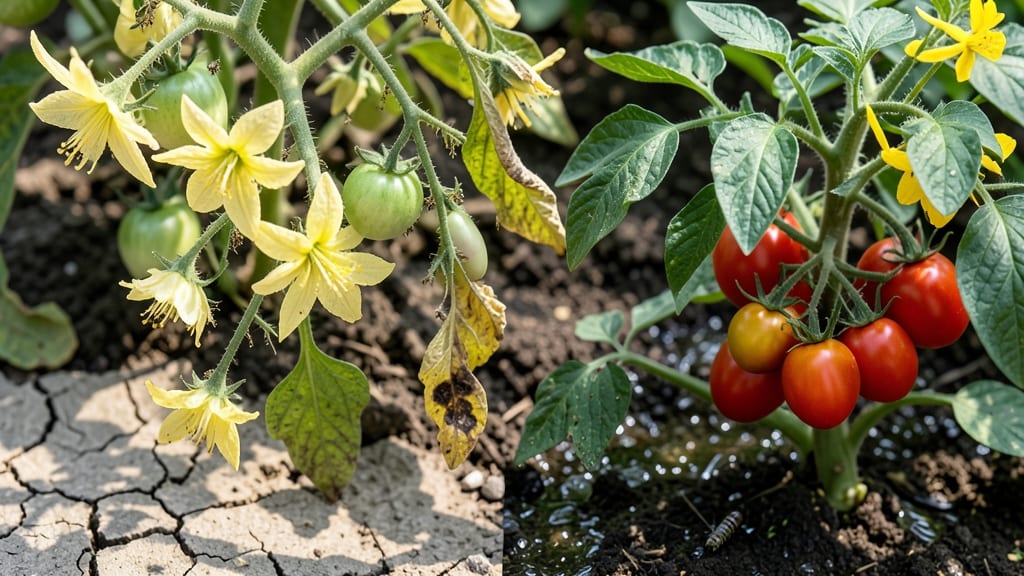
Why are my tomato plants not producing fruit, and what can you do about it? It’s frustrating after all that effort. 🌱 The most common reasons are temperature swings, inconsistent watering, or nutrient imbalances that trick plants into growing foliage instead of fruit. I’ve seen this every summer, and the fixes are simpler than you’d think.
First, check your watering routine—too much or too little throws off pollination. Then look at the weather: temperatures above 90°F or below 55°F can cause blossom drop. Even a single night of cold snaps will halt fruit set completely. The good news? These issues are reversible with small adjustments.
By the end of this, you’ll know exactly what’s stopping your plants from producing—whether it’s a lack of phosphorus, overcrowded branches, or pests stealing energy. Once you spot the problem, the solution is often as easy as adjusting your care routine or adding a simple fertilizer.
No more wasted seasons—let’s get those vines fruiting like crazy. The key is paying attention to the little details most gardeners overlook. Trust me, your future tomatoes will thank you.
Root Causes Of Poor Tomato Fruit
Tomato plants are prolific producers—but when they refuse to set fruit, it’s usually due to one (or more) of these five key disruptions to their biological needs. Understanding the science behind each issue helps you diagnose and fix the problem fast. Let’s break it down:
Tomatoes are warm-season plants with precise temperature requirements for pollination and fruit development. If conditions stray too far from their comfort zone, flowers drop before they can turn into fruit.
- Too Hot (Above 90°F/32°C):
- High temperatures disrupt pollen formation in male flower parts, preventing fertilization. 🌡️ Even if pollen is present, it may not stick to the stigma (the female part).
- Solution: Use shade cloth (30-50%) during peak heat, mulch to keep roots cool, and water deeply in the morning to reduce soil heat.
- Too Cold (Below 55°F/13°C):
- Cold snaps slow or halt pollination entirely. Bees and other pollinators become inactive, and pollen grains may not germinate properly.
- Solution: Protect plants with row covers or move pots to a sheltered spot. Avoid nighttime watering, which can shock roots.
- Frost or Heat Waves:
- Sudden temperature swings (like a cold snap after warm weather) cause blossom drop as the plant “resets.” 🍂
- Pro Tip: Monitor your local forecast and cover plants if frost is predicted. Heat waves? Prune leaves to improve airflow and reduce stress.
Tomatoes are thirsty but sensitive—too much or too little water throws off their entire reproductive system.
- Inconsistent Watering: - Fluctuating moisture levels cause pollination failure because pollen tubes (which carry sperm to the ovule) can’t grow steadily. 💧 - Signs: Flowers drop within hours of blooming, or fruit starts but aborts. - Fix: Water deeply 1-2 times per week (1-2 inches per week, depending on climate) at the base of the plant.
Use drip irrigation or soaker hoses to avoid wetting leaves (which spreads disease).
- Overwatering:
- Soggy soil drowns roots, starving the plant of oxygen and nutrients. This weakens the plant’s ability to support fruit development.
- Solution: Improve drainage by amending soil with compost or perlite. Let the top 1-2 inches of soil dry out between waterings.
- Underwatering:
- Stress from drought causes abscission (the plant sheds flowers/fruit to conserve energy). 🌵
- Quick Fix: If soil is bone-dry, give a slow, deep watering and mulch heavily to retain moisture.
Tomatoes rely on pollinators (bees, wind, or even gentle shaking) to transfer pollen from male to female flower parts. Without this step, flowers wilt and drop.
- Lack of Pollinators: - If you’re growing in a greenhouse, urban area, or early spring, bees may not be active yet. 🐝 - DIY Fix: Gently shake plants at the base daily during bloom time (morning is best).
For large plants, use a small brush to transfer pollen manually.
- Poor Pollen Quality:
- Pesticide use (even organic sprays) can kill bees and damage pollen viability. 🚫🐝
- Solution: Avoid spraying flowers. If pests are an issue, use neem oil at night (bees are less active then) or introduce ladybugs for natural control.
- Wind or Humidity Issues:
- Heavy rain or high humidity can wash away pollen or make it too sticky to transfer. 🌧️
- Workaround: If rain is forecasted, hand-pollinate flowers the day before.
Tomatoes need a balanced diet—too much or too little of certain nutrients directly impacts fruit set.
| Nutrient Issue | Symptoms | Cause | Fix |
|---|---|---|---|
| Nitrogen (N) Excess | Lush green leaves, no flowers | Over-fertilizing with high-N formulas (like lawn fertilizer) | Switch to a balanced 5-10-10 or 10-10-10 fertilizer. |
| Potassium (K) Deficiency | Weak stems, yellow edges on leaves, poor fruit development | Soil lacks K or leaching from overwatering | Add potassium sulfate or wood ash (sparingly). Banana peels (composted) also help. |
| Phosphorus (P) Deficiency | Dark green/purple stems, slow growth, few flowers | Poor soil or overworked beds | Use bone meal or rock phosphate at planting. |
| Calcium (Ca) Deficiency | Blossom end rot (black bottoms on fruit), weak cell walls | Low calcium or uneven watering | Apply crushed eggshells or calcium nitrate. Mulch to keep soil moisture steady. |
💡 Pro Tip: Test your soil with a home kit ($10 at garden centers) to identify specific deficiencies before guessing.
A struggling tomato plant prioritizes survival over reproduction. If it’s fighting for space, nutrients, or health, it’ll drop flowers and fruit.
- Overcrowding:
- Plants competing for light, water, and nutrients won’t have the energy to produce fruit. 🌿🌿
- Fix: Space tomatoes 18-24 inches apart (or 24-36 inches for indeterminate varieties). Prune suckers (side shoots) to improve airflow.
- Disease Pressure:
- Fungal diseases like early blight, late blight, or powdery mildew weaken the plant, causing it to abort flowers and fruit. 🍄
- Prevention:
- Rotate crops (don’t plant tomatoes in the same spot yearly).
- Remove infected leaves immediately.
- Apply copper fungicide preventatively if humidity is high.
- Pest Damage:
- Hornworms, aphids, or spider mites defoliate plants, reducing photosynthesis and energy for fruit. 🐛
- Solution: Handpick hornworms (they’re easy to spot!) and spray neem oil or insecticidal soap for aphids.
Next Step: Once you’ve identified the root cause, head to the fixes section to revive your tomato plants and boost production! 🍅🔥
Quick Fixes for Tomato Plants
Reviving your tomato plants and coaxing them into producing juicy fruit is totally doable—even if they’ve been struggling so far! Below, we’ve mapped out practical, step-by-step solutions for the most common causes of blossom drop and fruitless vines. Each fix includes prevention tips to keep your plants thriving long-term.
Fix: Tomatoes thrive in warm but not scorching conditions (ideal daytime temps: 70–85°F). If nights dip below 55°F or days exceed 90°F, flowers drop or fruit fails to set.
Cool Weather Solution (🌬️)
- Extend the season: Use row covers or cold frames to protect plants from chilly nights.
- Warm the soil: Bury a black plastic mulch or use heat mats under containers to boost root warmth.
- Choose heat-tolerant varieties: Try ‘Heatmaster’ or ‘Solar Fire’—they handle heat better than standard tomatoes.
Hot Weather Solution (☀️)
- Shade cloth: Install 30–50% shade cloth during peak afternoon sun to prevent stress.
- Water deeply: Keep soil consistently moist (1–2 inches deep) to cool roots—drip irrigation works best.
- Prune strategically: Remove suckers (side shoots) to improve airflow and reduce heat stress.
💡 Pro Tip: If temps are extreme, hand-pollinate flowers by gently shaking plants in the morning to help fruit set.
Fix: Tomatoes need 1–2 inches of water per week, but uneven moisture (drought followed by soaking) causes blossom drop.
How to Water Right (👨🍳)
- Drip irrigation or soaker hoses > sprinklers (prevents leaf diseases).
- Water at the base—avoid wetting foliage to reduce fungal risks.
- Morning watering (before 10 AM) minimizes evaporation and disease.
🌱 Prevention:
- Mulch heavily (straw or wood chips) to retain moisture.
- Use self-watering containers if you’re prone to forgetting.
Fix: Tomatoes rely on bees or wind for pollination. Without it, flowers fall off before fruiting.
DIY Pollination (🐝)
- Gently shake plants in the morning (when humidity is low).
- Use a small brush to transfer pollen between flowers.
- Invite pollinators: Plant basil, marigolds, or borage nearby to attract bees.
🎯 Pro Tip: If indoors or in a greenhouse, hand-pollinate every 2–3 days during flowering.
Fix: Too much nitrogen = leafy growth, no fruit; too little phosphorus/potassium = weak flowers.
Fixing the Soil (📊)
| Problem | Solution |
|---|---|
| Too much nitrogen | Switch to a balanced fertilizer (5-10-10) or compost tea. |
| Lack of phosphorus | Add bone meal or rock phosphate at planting. |
| Potassium deficiency | Use wood ash or potassium sulfate when flowers appear. |
| Calcium deficiency | Sprinkle crushed eggshells or use calcium nitrate. |
💡 Pro Tip: Avoid over-fertilizing—tomatoes prefer moderate nutrients over heavy feeding.
Fix: Poor airflow from crowded plants leads to disease and stress, while aggressive pruning removes potential fruit.
Pruning Like a Pro (✂️)
- Remove suckers (shoots between stem and branches) weekly to improve airflow.
- Prune lower leaves (up to 12 inches from the ground) to prevent soil-borne diseases.
- Limit pruning after flowering—too much trimming reduces fruit production.
🌱 Prevention:
- Space plants 18–24 inches apart (or 24–36 inches for indeterminate varieties).
- Use cages or stakes early to avoid damaging plants later.
Fix: Aphids, hornworms, or fungal diseases (like blight) weaken plants, causing fruit drop.
Natural Pest Control (🔥)
- Handpick pests (especially hornworms) in the morning.
- Spray neem oil (for aphids, whiteflies) or soapy water (1 tsp dish soap + 1 quart water).
- Rotate crops yearly to prevent soil-borne diseases.
🌡️ Disease Prevention:
- Remove infected leaves immediately.
- Water at the base (not overhead) to reduce fungal spores.
- Use copper fungicide as a preventive spray if blight is common in your area.
✅ Heat: Keep temps 70–85°F (shade cloth for extreme heat, row covers for cold). ✅ Water: Deep, consistent moisture (drip irrigation > sprinklers). ✅ Pollinate: Shake plants or hand-pollinate if bees are scarce. ✅ Fertilize: Balanced feed (5-10-10) + calcium/potassium boosts at flowering. ✅ Prune: Remove suckers, prune lower leaves, but don’t overdo it. ✅ Pests: Monitor daily, use neem oil or soap spray as needed.
🎉 Result? Within 2–4 weeks, your tomato plants should start setting fruit—and you’ll be on your way to a bountiful harvest! 🍅🍅🍅
Frequently asked questions
Why do my tomato flowers keep falling off before turning into fruit?
This is called blossom drop, and it usually happens due to temperature stress (above 90°F or below 55°F) or inconsistent watering. The plant aborts flowers when it can't support fruit development under these conditions. Try using shade cloth for heat or row covers for cold snaps, and water deeply at the base 1-2 times per week.
Can I still save my tomato plants if they're already overcrowded?
Yes! Start by pruning suckers (those little shoots between the stem and branches) and removing any yellow or diseased leaves. Space plants 18-24 inches apart if possible, and stake them properly to improve airflow. This reduces stress and helps redirect energy toward fruit production instead of leafy growth.
How do I know if my tomato plants need more nutrients?
Look for these signs: yellow leaves (nitrogen deficiency), purple stems (phosphorus deficiency), or weak stems with yellow edges (potassium deficiency). Test your soil with a $10 home kit from a garden center, then add bone meal (for phosphorus) or potassium sulfate (for potassium) as needed. Avoid over-fertilizing—tomatoes prefer balanced nutrition.
Will hand-pollinating my tomato flowers actually work?
If you're growing in a greenhouse, urban area, or early spring with few bees, gently shake the plant at the base in the morning or use a small brush to transfer pollen between flowers. This mimics natural pollination and can significantly increase fruit set. Do this every 2-3 days during bloom time for best results.
What should I do if my tomato plants already have blossom end rot?
Blossom end rot is caused by calcium deficiency (often from uneven watering). Remove any affected fruit immediately, then improve soil calcium by adding crushed eggshells or calcium nitrate. Keep soil moisture consistent by mulching heavily and watering at the base. This helps prevent new cases while your plants recover.