
Companion Plants
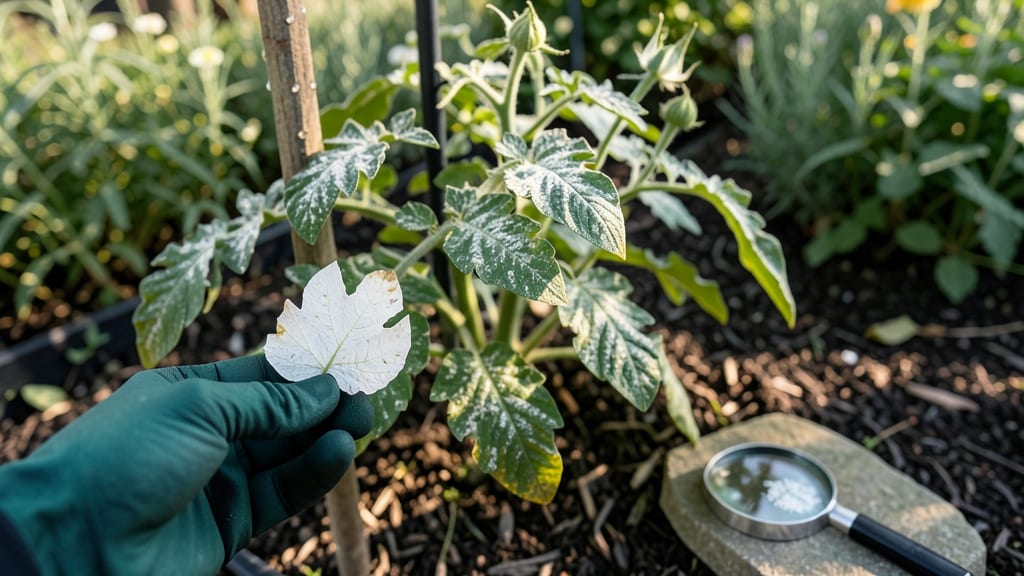
White leaves on your tomato plants mean one thing: it’s time to act before the fungus spreads. 🌱 I’ve seen this happen in both backyard gardens and community plots—powdery mildew or early blight can turn lush foliage into a sad, white mess if you don’t catch it early.
The good news? Both are fixable with the right steps, and I’ll walk you through how to tell them apart and stop them fast.
Powdery mildew looks like dusty white patches on the leaves, while early blight starts with yellow spots that turn brown and crusty. Poor airflow or overwatering makes both worse, but pruning and spacing plants can prevent them before they start.
I’ve saved entire tomato plants by acting within 48 hours of noticing the first signs—don’t wait until the leaves are completely covered.
Once you confirm the problem, the fix is simple: remove infected leaves, improve airflow, and water at the base (not overhead). A homemade spray of baking soda or neem oil can stop the spread, and I’ve never had to use harsh chemicals once I caught it early.
Your plants will bounce back stronger, and you’ll be back to harvesting juicy tomatoes in no time.
This works for both in-ground gardens and containers—just adjust your spacing to let air circulate. The key is acting quickly and keeping an eye on your plants. Trust me, your future harvests will thank you.
Root Causes Behind Leaf Discoloration
When your tomato plants start showing white, powdery patches or yellowing leaves with white spots, it’s usually a sign of stress or disease. Understanding the why behind these symptoms is the first step to saving your harvest.
Below, we break down the most common culprits—from fungal infections to environmental factors—with clear explanations and actionable insights.
Fungal diseases are the #1 cause of white leaves on tomato plants, and two stand out as the most common:
Powdery Mildew: The Fluffy White Coating
This fungal disease thrives in humid, shaded conditions and appears as a white, powdery film on leaves, stems, and even fruits. Unlike early blight, powdery mildew doesn’t cause leaf spots—it just covers the surface like a blanket of dust.
- 🔬 How it spreads: Spores travel via wind, water, or even tools. Warm nights (60–80°F) with high humidity (70%+) create the perfect breeding ground.
- 🌡️ Why it attacks tomatoes: Tomatoes are susceptible because their leaves trap moisture, giving fungi a foothold. Poor air circulation (like overcrowded plants) worsens the problem.
- 💡 Pro Tip: Check the undersides of leaves first—powdery mildew often starts there before spreading to the tops.
Early Blight: The Spotty Culprit
Early blight causes white or tan spots with concentric rings (like bullseyes) on older leaves, often with yellow halos. Unlike powdery mildew, these spots are raised and crusty when mature.
- 🌱 How it spreads: Caused by the fungus Alternaria solani, it survives in soil and infected plant debris. Splashes from watering or rain carry spores to leaves.
- 🌡️ Why it thrives: Cool (60–80°F), wet conditions (especially morning dew) trigger outbreaks. Overhead watering keeps spores airborne.
- 💡 Pro Tip: Look for spots on lower leaves first—early blight works its way upward as the season progresses.
Not all white leaves mean disease—sometimes, your tomatoes are begging for better growing conditions. Here’s what might be upsetting them:
💦 Overwatering or Poor Drainage
Tomatoes hate wet feet. When soil stays soggy, roots suffocate, and leaves turn yellow or develop white, mushy patches (a sign of edema or fungal rot).
- 🔥 Why it happens: Overwatering or compacted soil prevents oxygen from reaching roots, leading to stress and disease susceptibility.
- 👨🍳 Fix it: Water deeply but infrequently (1–1.5 inches per week) and ensure pots/containers have drainage holes.
- ✨ Bonus Tip: Mulch around plants to keep soil moist but not waterlogged.
☀️ Too Much Sun or Heat Stress
While tomatoes love sunlight, intense heat (above 90°F) can cause leaves to bleach or develop white, crispy edges. This is called sunscald.
- 🌡️ Why it happens: High temperatures disrupt photosynthesis, leading to leaf damage. Young or tender leaves are most vulnerable.
- 👨🍳 Fix it: Provide afternoon shade (use shade cloth or row covers) during heatwaves. Drip irrigation keeps leaves cool.
🌬️ Poor Air Circulation
Tomatoes in tight spaces or dense foliage struggle with high humidity and trapped spores, leading to white fungal growth.
- 🔬 Why it happens: Stagnant air prevents leaves from drying quickly after watering, creating fungal hotspots.
- 👨🍳 Fix it: Prune plants to open up the canopy and space them 18–24 inches apart. Use fans in greenhouses to improve airflow.
Some pests don’t just eat leaves—they leave behind white residue that looks like disease. Here’s what to watch for:
🐜 Whiteflies: The Tiny Terror
These tiny, white, moth-like insects cluster on leaf undersides, sucking sap and excreting sticky honeydew (which can attract sooty mold—a black, fuzzy fungus).
- 🔥 Why they attack: Whiteflies thrive in warm, dry conditions and are drawn to yellowing or stressed plants.
- 👨🍳 Fix it: Spray leaves with soapy water or use yellow sticky traps to catch adults.
🐛 Spider Mites: The Web Weavers
While mites themselves are red or yellow, their fine webbing can look like white dust, especially in dry conditions.
- 🌡️ Why they strike: Mites love hot, dry weather and weak plants. They suck sap, causing leaves to turn white or stipple (tiny white dots).
- 👨🍳 Fix it: Blast plants with water to dislodge mites or use neem oil as a natural deterrent.
Now that you know the why, the next step is identifying which issue is plaguing your plants—and how to fix it. Stay tuned for our diagnostic guide and treatment plans to bring your tomatoes back to full, green health!
Quick Fixes for Tomato Leaf Woes
Revive your tomato plants and prevent future leaf issues with these targeted solutions. Whether your plants are battling fungal infections, pests, or environmental stress, these steps will help you get them back on track—fast!
If white or brown spots, powdery residue, or leaf yellowing are the culprits, act quickly to stop the spread.
🔥 Remove Infected Foliage Immediately - 🍳 Snip and toss: Use clean pruners to cut off affected leaves—don’t compost them!
Place them in a sealed bag and throw them away to prevent spores from lingering in your garden. - 👨🍳 Work early: Remove infected leaves in the morning when humidity is lower, reducing the risk of spores spreading via dew or water droplets.
🥘 Fungicide Sprays: Organic or Chemical?
- 🌿 Organic options:
- Baking soda spray: Mix 1 tsp baking soda + 1 tbsp vegetable oil + 1 tsp dish soap in 1 quart of water.
Spray undersides of leaves (where spores hide) every 7–10 days. - Neem oil: Apply neem oil (1–2 tbsp per gallon of water) as a preventative or early treatment. It disrupts fungal growth and deters pests. - Copper fungicide: A non-organic but effective choice for severe cases.
Follow label instructions for application rates. - ⏰ Timing matters: Spray in the early morning or late evening to avoid burning leaves under direct sunlight.
🌡️ Improve Airflow & Reduce Humidity - ✨ Prune strategically: Thin out crowded branches to allow sunlight and air to circulate.
Aim for a "bushy but open" structure. - 🎯 Space plants properly: Give tomato plants 18–24 inches of space between plants and 3–4 feet between rows. - 💡 Use row covers: Lightweight fabric covers can reduce humidity and block fungal spores from spreading via wind or rain.
🔄 Soil & Water Adjustments
- 🥗 Avoid overhead watering: Water at the base of the plant (use drip irrigation or soaker hoses) to keep leaves dry.
- 💪 Mulch heavily: Apply 2–3 inches of organic mulch (straw or shredded leaves) to prevent soil splashing onto leaves during watering.
- 🍎 Boost soil health: Add compost or a balanced fertilizer (10-10-10) to strengthen plant resilience.
Weak plants are more susceptible to infections.
If tiny webs, white specks, or sticky residue (honeydew) are present, pests are likely the issue.
🔪 Blast Off Pests with DIY Sprays
- 🍳 Soap spray: Mix 1 tbsp mild liquid soap (like Castile soap) with 1 quart of water. Spray directly on pests—repeat every 3–5 days.
- 🥘 Alcohol spray: Combine 1 tbsp rubbing alcohol with 1 quart of water.
This kills mites on contact but may need frequent reapplication. - 🌿 Horticultural oil: Apply in the evening for a suffocating effect on eggs and adults. Reapply every 5–7 days.
🕷️ Introduce Beneficial Insects - 💡 Ladybugs or lacewings: Release these natural predators to feast on spider mites and whiteflies.
Buy them from garden centers or attract them with companion plants like marigolds or dill. - 🎯 Predatory mites: For severe mite infestations, use Phytoseiulus persimilis mites, which hunt and devour spider mites.
🌿 Prevent Future Infestations
- 🌡️ Monitor regularly: Check the undersides of leaves weekly for early signs of pests.
- 🥗 Remove debris: Clear fallen leaves and plant waste where pests hide and breed.
- 💪 Strengthen plants: Healthy plants resist pests better.
Ensure your tomatoes get 6–8 hours of sunlight and consistent watering.
If leaves are white due to sunscald, nutrient burn, or heat stress, adjust your growing conditions.
🌿 Shade Cloth to the Rescue
- 🍳 Provide afternoon shade: Install 30–50% shade cloth during peak sun hours (11 AM–3 PM) to prevent leaf scorch.
- 👨🍳 Use mulch: Reflects heat away from roots and keeps soil cooler. Try straw or grass clippings.
🥘 Adjust Watering & Fertilizing
- ⏰ Water deeply but less often: Tomato plants prefer 1–1.5 inches of water per week, delivered at the base.
- 🌡️ Avoid cold water: Use lukewarm water (especially in hot climates) to prevent shock.
- 💪 Fertilize wisely: Over-fertilizing can cause nutrient burn.
Use a balanced fertilizer (5-5-5 or 10-10-10) every 4–6 weeks.
🌱 Companion Plants for Protection
- 🎯 Plant near basil, marigolds, or onions: These repel pests and improve airflow around tomatoes.
- 💡 Avoid planting near fennel or dill: These can attract pests that harm tomatoes.
- 💡 Rotate crops: Don’t plant tomatoes in the same spot yearly to prevent soil-borne fungal buildup. - 🌿 Start with disease-resistant varieties: Look for ‘Mountain Merit,’ ‘Celebrity,’ or ‘Defiant PhR’—these are bred to fight early blight and mildew. - 🥗 Clean tools & hands: Sterilize pruners with rubbing alcohol between plants to avoid spreading pathogens. - 🌡️ Test your soil: Use a home soil kit to check pH (ideal: 6.0–6.8) and nutrient levels.
Adjust with lime (for acidity) or sulfur (for alkalinity).
Pro Tip: 💡 Act at the first sign of trouble! Early intervention saves your harvest and keeps your tomato plants thriving. With these fixes, your plants will bounce back—and you’ll be feasting on juicy tomatoes in no time! 🍅✨
Frequently asked questions
Can I still harvest tomatoes if the leaves have white spots?
Yes, but focus on healthy fruit already on the plant. Remove any tomatoes near infected leaves to prevent fungal spores from contaminating them. The plant will redirect energy to ripening existing fruit, and you can still get a harvest—just prune aggressively to stop the spread.
How do I tell if my tomato plant has powdery mildew vs. early blight?
Check the leaf texture: powdery mildew looks like dusty white fuzz, while early blight shows crusty brown spots with yellow halos. Examine the undersides—powdery mildew starts there, while early blight appears on older, lower leaves first. Both thrive in humidity, but mildew loves shade while blight prefers cool, wet mornings.
Will pruning my tomato plant help stop white leaves?
Pruning improves airflow and removes infected leaves, which cuts off the fungal food source. Aim to keep the plant open and bushy—remove suckers and crowded branches. Just sterilize your pruners with rubbing alcohol between cuts to avoid spreading spores.
Can I use household items like vinegar or lemon juice to treat white leaves?
Vinegar (1 tbsp per gallon of water) can help as a fungicide, but it’s not recommended for regular use—it can harm plants over time. Lemon juice is too acidic. Stick to baking soda spray or neem oil for safe, effective treatment. Always test sprays on a small leaf first!
How long does it take to see improvement after treating white leaves?
With immediate action, you may see new growth in 5–7 days. However, severe cases can take 2–3 weeks to fully recover. Consistency is key—keep pruning, improving airflow, and reapplying treatments (like neem oil) every 7–10 days until the plant regains its green color.