
Planting
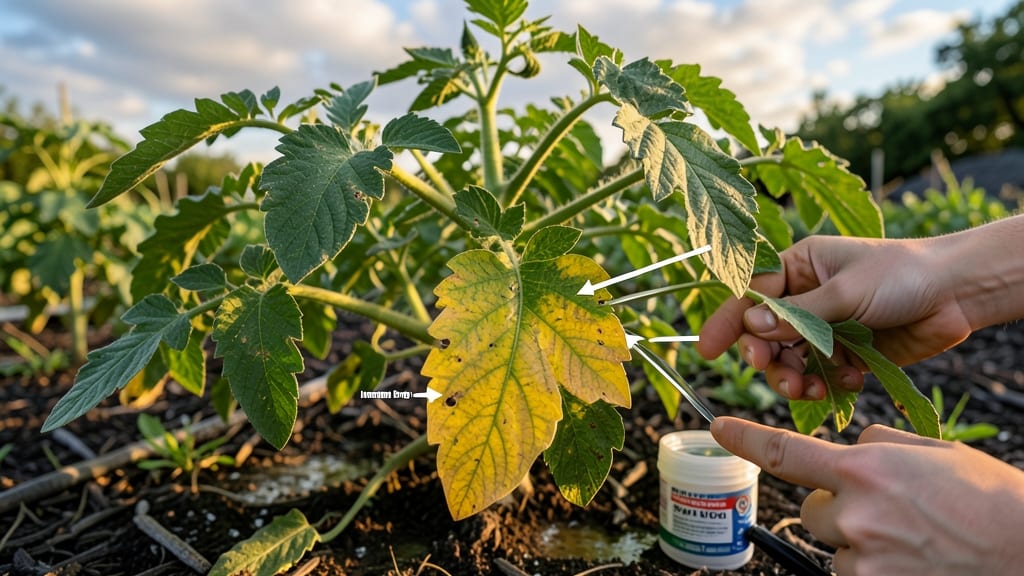
What does it mean when tomato plant leaves turn yellow? It’s not just a warning sign—it’s your plant’s way of shouting for help. 🌱 I’ve seen this happen more times than I can count, usually right when the plants are about to explode with fruit. The good news? Most causes have simple fixes, and diagnosing them fast saves your harvest. Yellow leaves often mean overwatering or poor drainage, where roots drown instead of feeding your plant. But it could also be nitrogen deficiency (older leaves yellow first), magnesium shortage (edges turn yellow), or even pests like spider mites hiding on the undersides. Heat stress and fungal diseases like early blight show up this way too—each with its own telltale pattern. The key is checking the pattern of yellowing: lower leaves? Upper leaves? Veins staying green? Once you spot it, you’ll know whether to adjust watering, feed the soil, or spray a natural remedy. I’ll walk you through each scenario so you can act fast. Prevention starts with healthy soil, proper spacing, and regular inspections. With these fixes, your tomato plants will bounce back—and you’ll keep those juicy slices coming all season.
Root Causes Of Leaf Discoloration
When your tomato plant’s leaves start turning yellow, it’s often a cry for help—whether from neglect, overindulgence, or a hidden enemy. Understanding the why behind the yellowing is the first step to saving your harvest.
Below, we break down the most common culprits, from soil woes to pest invasions, with science-backed explanations and actionable fixes.
Tomatoes are thirsty plants, but too much love in the form of water can drown their roots. When soil stays soggy for too long, roots suffocate from a lack of oxygen, leading to chlorosis (yellowing between leaf veins).
This is especially common in containers or heavy clay soil where water pools.
Why it happens:
- Root rot (caused by Phytophthora or Pythium fungi) thrives in waterlogged conditions, blocking nutrient uptake.
- Excess moisture leaches out essential nutrients like nitrogen, magnesium, and iron—even if the soil looks fertile.
- Young plants or those in pots are most vulnerable because their root systems can’t escape saturated soil.
Actionable fix:
- Check soil moisture by sticking your finger 1–2 inches deep; water only when the topsoil is dry.
- Amend heavy soil with compost or perlite to improve drainage.
- Ensure pots have drainage holes and elevate them to prevent water pooling.
Yellowing leaves can also signal dehydration, where the plant prioritizes water to its fruits and flowers, leaving older leaves to wither. High temperatures (above 90°F/32°C) accelerate this process, causing leaf scorch—edges turning crispy and yellow.
Why it happens:
- Tomatoes need 1–2 inches of water per week (more in heatwaves). Wilting leaves indicate the plant is already stressed.
- Heat stress disrupts photosynthesis, reducing chlorophyll production and turning leaves pale yellow.
- Shallow root systems (common in young plants) can’t access moisture deep enough during droughts.
Actionable fix:
- Water deeply in the morning to reduce evaporation; avoid wetting leaves to prevent fungal diseases.
- Use mulch (straw or grass clippings) to retain soil moisture and regulate temperature.
- Provide afternoon shade with a row cover or shade cloth if temperatures exceed 95°F (35°C).
Yellow leaves often scream, “Feed me!”—but not always for nitrogen. Different deficiencies target specific leaf areas, helping you diagnose the exact issue.
📊 Nitrogen Deficiency (Oldest Leaves Yellow First)
Why it happens: Nitrogen is the building block of chlorophyll. Without it, leaves lose their green pigment, starting with the oldest (lower) leaves.
- Common in newly planted tomatoes or soil depleted after multiple harvests.
- Overwatering or poor soil structure can leach out nitrogen faster than roots can absorb it.
Fix: Apply a balanced fertilizer (10-10-10) or compost. For organic growers, try alfalfa meal or fish emulsion.
🔥 Magnesium Deficiency (Interveinal Yellowing)
Why it happens: Magnesium is the center of the chlorophyll molecule. A deficiency causes yellow patches between veins while veins stay green—a classic sign of chlorosis.
- Common in alkaline soils (pH > 7.0), where magnesium binds tightly and becomes unavailable.
- Over-fertilizing with nitrogen can compete with magnesium uptake.
Fix: Apply Epsom salt (magnesium sulfate)—mix 1 tablespoon per gallon of water and spray on leaves weekly until symptoms improve. Test soil pH and amend with sulfur if needed.
🍎 Iron Deficiency (Young Leaves Yellow)
Why it happens: Iron is crucial for chlorophyll production, but it’s least available in alkaline soils. Unlike magnesium, iron deficiency hits new growth first, causing leaves to yellow entirely.
- Even if soil has iron, the plant can’t absorb it if the pH is too high.
- Overwatering can flush iron out of the root zone.
Fix: Lower soil pH with peat moss or sulfur (aim for pH 6.0–6.8). For quick results, spray leaves with an iron chelate solution (available at garden centers).
Not all yellowing is due to water or nutrients—sometimes, unseen invaders are siphoning resources or clogging the plant’s system.
🐜 Spider Mites & Aphids (Stunted Growth + Yellowing)
Why it happens: These tiny pests pierce leaves to feed on sap, weakening the plant. Their saliva can also trigger tobacco mosaic virus, causing yellow mosaics or stunted leaves.
- Look for fine webbing (mites) or sticky residue (aphids) on undersides of leaves.
- Hot, dry conditions favor mite outbreaks.
Fix: Blast leaves with water to dislodge pests, or use neem oil (1 tsp per quart of water). Introduce ladybugs or lacewings for natural control.
🍄 Fungal Infections (Yellowing + Spots or Mold)
Why it happens: Fungi like Alternaria or Septoria thrive in humid, wet conditions, causing yellow spots with dark borders. Overhead watering spreads spores.
- Crowded plants or poor airflow increase fungal risk.
- Weakened plants (from nutrient deficiencies or stress) are more susceptible.
Fix: Remove infected leaves immediately. Apply copper fungicide or a baking soda spray (1 tsp baking soda + 1 quart water + a drop of soap). Space plants for better airflow.
🐛 Root-Knot Nematodes (Galling + Poor Uptake)
Why it happens: Microscopic nematodes burrow into roots, forming galls (lumpy growths) that disrupt water and nutrient absorption. Yellowing often starts on older leaves as the plant struggles to feed.
- Common in warm, sandy soils where nematodes thrive.
- Infected plants may also show stunted growth or wilting.
Fix: Solarize soil (cover with clear plastic for 4–6 weeks in summer) or plant nematode-resistant varieties like ‘Mountain Merit’ or ‘Celebrity.’ Add compost or organic matter
Quick Fixes for Yellow Tomato Leaves
Yellowing tomato leaves can feel like a crisis, but don’t panic! Most issues are fixable with targeted care. Below, we’ll tackle each cause with practical, step-by-step solutions—plus pro tips to keep your plants thriving. Think of this as your tomato plant’s emergency repair kit. 🚑🌱
Fix: Let the soil dry out between waterings and improve drainage.
- Check the soil – Stick your finger 1–2 inches deep. If it’s soggy, hold off on watering.
- Adjust your watering routine – Water deeply 2–3 times per week (less in rainy weather) and always water at the base, not the leaves.
- Upgrade containers or beds – Add perlite, vermiculite, or sand to heavy clay soil. For pots, ensure drainage holes are clear.
- Mulch to retain moisture – Use straw or shredded leaves to keep soil evenly moist without waterlogging.
💡 Pro Tip: If your plant’s roots are rotting, trim away mushy black roots and repot in fresh, dry soil.
Fix: Hydrate properly and protect from extreme heat.
- Water consistently – Aim for 1–1.5 inches of water per week (more in heatwaves).
- Water in the morning – This gives leaves time to dry, reducing fungal risks.
- Provide shade – Use shade cloth (30–50%) or move potted plants to partial shade during peak sun (10 AM–4 PM).
- Mulch heavily – A 3-inch layer of mulch keeps roots cool and retains moisture.
🌡️ Heatwave Hack: Mist leaves early in the day to cool them down (avoid evening misting to prevent fungal growth).
Fix: Isolate, treat, and prevent spread.
- Remove infected leaves – Snip off yellow/brown spots with sterilized scissors and dispose of them in the trash (not compost).
- Apply fungicide – Use a copper-based spray or neem oil (mix 1 tbsp neem oil + 1 tsp mild soap + 1 quart water). Spray every 7–10 days until new growth appears healthy.
- Improve airflow – Space plants 18–24 inches apart and prune crowded foliage.
- Water at the base only – Avoid wetting leaves to reduce fungal spores.
✨ Prevention: Rotate crops yearly and plant resistant varieties like ‘Mountain Merit’ or ‘Defiant PhR.’
Fix: Trap, remove, and deter pests naturally.
- Blast off pests – Spray leaves with a strong stream of water to dislodge aphids or spider mites.
- Use insecticidal soap – Mix 2.5 tbsp castile soap + 1 quart water and spray every 3–5 days until pests vanish.
- Introduce beneficial insects – Ladybugs and lacewings devour aphids—buy them online or attract them with dill or marigolds.
- Neem oil spray – Apply neem oil + water + a drop of dish soap to suffocate eggs and adults.
🔥 Emergency Move: If pests are severe, quarantine the plant until treated.
Fix: Feed your plants the right nutrients.
| Deficiency | Symptoms | Solution |
|---|---|---|
| Nitrogen | Yellow lower leaves | Add balanced fertilizer (10-10-10) or compost tea every 2 weeks. |
| Magnesium | Yellow between veins | Apply Epsom salt (1 tbsp per gallon of water) every 2–4 weeks. |
| Potassium | Yellow edges, weak growth | Use banana peel tea (steep peels in water for a week) or potassium-rich fertilizer. |
💪 Boost Growth: Side-dress with well-rotted manure or fish emulsion for a nutrient kick.
Fix: Create a stable, stress-free environment.
- Hardening off seedlings – Gradually expose young plants to outdoor conditions over 7–10 days before transplanting.
- Wind protection – Use burlap windbreaks or plant near a fence to shield from harsh winds.
- Avoid cold drafts – Keep potted tomatoes away from AC units or open windows at night.
- Use row covers – Lightweight fabric protects against late frosts or chilly nights.
🎯 Golden Rule: Tomatoes thrive in warmth (70–85°F)—avoid sudden temperature swings!
To keep your leaves green and happy, follow this year-round care plan:
- Soil prep: Test soil pH (aim for 6.0–6.8) and amend with compost.
- Watering: Use drip irrigation or soaker hoses to deliver water directly to roots.
- Pruning: Remove suckers (side shoots) and lower leaves to improve airflow.
- Monitor: Check leaves weekly for early signs of stress or pests.
- Rotate crops: Avoid planting tomatoes in the same spot yearly to prevent disease buildup.
Final Thought: Most yellow leaves are a call for action, not a death sentence. With these fixes, your tomato plant will bounce back—and you’ll be rewarded with juicy, vine-ripened tomatoes in no time! 🍅🌟
Frequently asked questions about yellow tomato leaves
Why do my tomato plant's oldest leaves turn yellow first?
This is usually a sign of nitrogen deficiency—the plant prioritizes feeding new growth while older leaves yellow as chlorophyll breaks down. Check if your soil is depleted or if you've recently transplanted the plant, as nitrogen gets leached out quickly in wet conditions. Try adding compost or a balanced fertilizer.
Can yellow leaves spread to healthy parts of my tomato plant?
Not directly, but the underlying cause often will! If yellowing spreads due to fungal diseases (like early blight) or pests (like spider mites), the whole plant weakens. Act fast by removing infected leaves, improving airflow, and applying fungicides or neem oil. Prevention is key—water at the base and avoid overhead sprinkling!
What's the difference between yellow leaves from overwatering vs. underwatering?
Overwatering causes yellowing between veins (chlorosis) with soggy soil, while underwatering makes leaves crispy and dry at the edges with wilting. Stick your finger 1-2 inches deep—if it's damp, cut back on water; if dry, water deeply. Mulching helps regulate moisture in both cases!
Will pruning yellow leaves help my tomato plant recover?
Yes, but only if the yellowing is localized! Remove severely affected leaves to redirect energy to healthy growth, but avoid over-pruning—never cut more than 1/3 of the plant at once. For widespread yellowing, focus on fixing the root cause (water, nutrients, or pests) first. Always use clean, sharp scissors to prevent disease spread.
How can I tell if my tomato plant has a magnesium deficiency?
Look for yellow patches between veins while veins stay green—this is classic magnesium chlorosis. It often starts on older leaves and spreads upward. Fix it by applying Epsom salt solution (1 tbsp per gallon of water) every 2 weeks, or add sulfur to lower soil pH if it's alkaline.