
Light Requirements
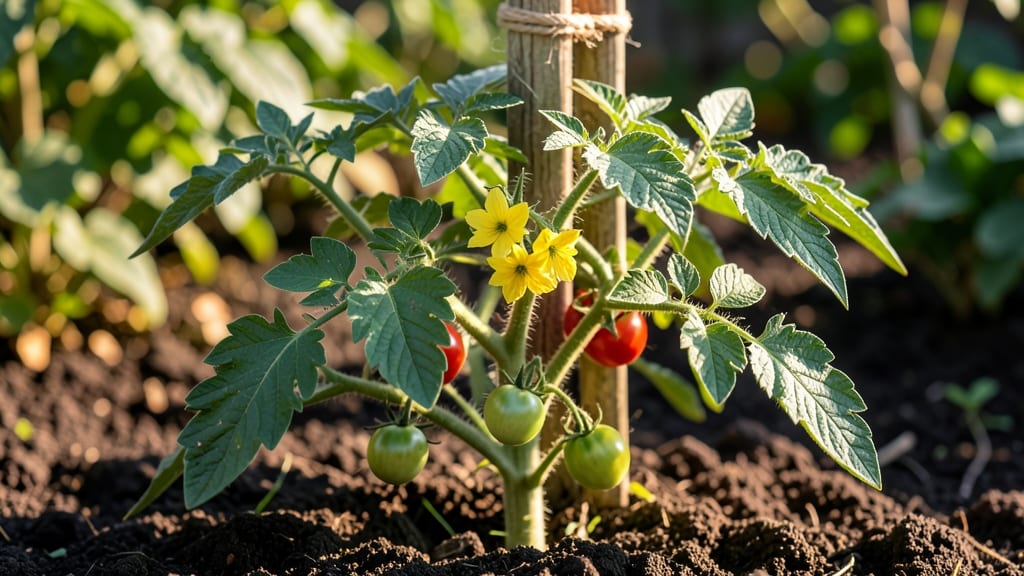
Tomatoes thrive best when you meet their tomato sunlight requirements: they need at least 6 hours of direct sunlight daily to grow strong and produce fruit—more if you want a heavy harvest.
Picture this: you’ve spent weeks nurturing your 🍅 plants, only to end up with pale leaves, weak stems, and tiny, tasteless tomatoes. The culprit? Not enough sunlight—or worse, too much heat without proper care.
Most gardeners assume "full sun" means any sunny spot, but tomatoes are picky about both intensity and duration.
In this guide, I’ll break down exactly how much sunlight your tomatoes need, how to spot the warning signs of poor light (or too much), and 5 proven tricks to maximize their exposure—whether you’re growing in a backyard, balcony, or even a shady corner.
No more guesswork, just a bountiful harvest.
From container gardening hacks to adjusting for partial shade, you’ll learn how to give your tomatoes the perfect light conditions—no matter where you live in Zone 6a or beyond.

How many hours of sunlight do tomatoes really need?
If you’ve ever grown tomatoes that produce tiny, misshapen fruit or yellowing leaves, sunlight is likely the culprit. Tomatoes are sun-worshippers, but their needs vary by variety and growth stage.
Most gardeners assume 6-8 hours of sun is enough—but that’s just the starting point. Let’s break down the science and practical tips to get your tomatoes thriving under the right light.
Tomatoes require full sun exposure (6-8+ hours daily) to maximize photosynthesis, which directly impacts fruit size, flavor, and yield. However, indeterminate varieties (like 'Sungold' or 'Better Boy') need even more light—up to 10 hours—to support their continuous vine growth.
Determinate types (like 'Roma' or 'Celebrity') can handle slightly less but still thrive with 7-8 hours of direct sunlight.
Here’s the catch: sunlight requirements change as your plants grow. Seedlings need gentle morning light (3-4 hours) to avoid scorching, while flowering and fruiting stages demand peak afternoon sun (4-6 hours).
Skipping this detail often leads to poor pollination or blossom drop, even if your garden gets plenty of sun.
🌱
| Tomato Type | Sunlight Needs (Daily) | Growth Stage Needs | Yield Impact | Examples |
|---|---|---|---|---|
| Determinate | 6-8 hours | Seedling: 3-4 hrs Flowering: 6+ hrs |
Moderate fruit set | Roma, Celebrity |
| Indeterminate | 8-10+ hours | Seedling: 4-5 hrs Fruiting: 8+ hrs |
High yield, continuous | Sungold, Better Boy |
| Cherry (Indeterminate) | 7-9 hours | Flowering: 6+ hrs Fruiting: 7+ hrs |
Clustered fruit needs light | Sweet 100, Sun Gold |
| Heirloom | 8-10 hours | Seedling: 4 hrs Mature: 8+ hrs |
Flavor development | Brandywine, Cherokee Purple |
Measuring sunlight accurately is trickier than you think. Most gardeners overestimate because they assume partial shade (like dappled light from trees) counts as full sun—it doesn’t. Use a sunlight tracker (a simple DIY method with a white board and stakes) to log hours of direct light.
Aim for 6+ hours of unfiltered sun between 10 AM and 4 PM, when UV intensity peaks.
Science backs this up: studies show tomatoes exposed to 10+ hours of sunlight produce 30% more fruit with higher sugar content than those getting just 6 hours. The extra light boosts chlorophyll activity, which fuels photosynthesis—the process that turns sunlight into energy for your plants.
Without enough light, tomatoes prioritize leaf growth over fruit production, leaving you with lush vines and few tomatoes.
For container growers, sunlight needs are even more critical because pots overheat faster and dry out quicker. Place your tomato containers in the sunniest spot of your balcony or patio, and rotate them weekly to ensure even light exposure.
South-facing windowsills work, but supplemental grow lights (LED or fluorescent) may be needed in shady urban areas.
One common mistake? Assuming morning sun alone is enough. While morning light helps prevent fungal diseases (by drying dew quickly), tomatoes need afternoon sun to ripen fruit. Without it, your tomatoes may stay green and firm long after they’re technically ripe.
If your garden lacks afternoon sun, consider reflective surfaces (like white walls or mulch) to bounce extra light onto your plants.
🌿
Pro tip: If you’re in a hot climate (Zone 9+), provide afternoon shade during peak summer to prevent sunburned leaves or blossom drop. Use lightweight shade cloth (30-50% block) from 1 PM to 4 PM to protect your plants while still allowing plenty of light.
This trick works especially well for indeterminate varieties, which are more sensitive to heat stress.
Finally, remember that cloudy days don’t count toward your tomato’s sunlight total. Overcast skies reduce light intensity by up to 50%, so supplement with grow lights if you’re in a region with frequent overcast conditions. A simple 15-watt LED grow light
Signs your tomatoes aren’t getting enough (or too much) sunlight
Your tomato plants might be silently screaming for help if their sunlight exposure is off. Too little sun leads to weak growth, while too much causes stress—both scenarios result in poor fruit production.
I’ve seen gardeners miss these subtle clues, thinking their plants just "aren’t thriving" when sunlight is the real culprit.
First, let’s talk sunlight deficiency. When tomatoes don’t get enough light, they stretch toward the sun in a condition called etiolation. This causes pale, leggy stems and small, sparse leaves. The fruit may develop poorly, staying small and green, or never ripen at all.
Even if you’re in a sunny climate, nearby trees or structures can block critical 6-8 hours of direct sunlight daily.
⚠️ callout-warning ⚠️
🌱 Sunlight Red Flags
Too Little Sun: Yellowing leaves (chlorosis), stunted growth, weak stems, and fruit that stays green or never ripens.
Too Much Sun: White or grayish sunburned patches on fruit, crispy leaf edges, and plants wilting in afternoon heat.
Quick Fix: Move plants to a sunnier spot or use shade cloth (30-50%) if temps exceed 90°F (32°C).
On the flip side, excessive sunlight can be just as damaging. When tomatoes bake in intense afternoon sun, their leaves develop brown, crispy edges—a sure sign of leaf scorch.
The fruit may also show white or gray patches, known as sunburn, which ruins flavor and texture. This is common in hot climates or when plants are suddenly exposed to full sun after shade.
Diagnosing the issue starts with a visual inspection. Check the underside of leaves for pale or yellowing areas—a classic sign of light deprivation. For over-exposure, look for bleached or dead spots on leaves and fruit.
I recommend taking photos of your plants from multiple angles—sometimes the clues are subtle, like uneven leaf growth or fruit that’s lopsided.
If your tomatoes are showing these signs, act fast. For underlit plants, relocate them to a south-facing spot or use a reflective surface (like white mulch or a mirror) to bounce light onto leaves.
For over-exposed plants, provide afternoon shade with a lightweight shade cloth or move them to a spot with morning sun only. Mulching with straw can also help regulate soil temperature and reduce stress.
Remember, tomatoes are sun-worshippers, but they need balance. Pay attention to their growth patterns and adjust their environment accordingly. With the right light exposure, you’ll go from struggling with blighted plants to harvesting juicy, flavorful tomatoes in no time. 🌞