
How To
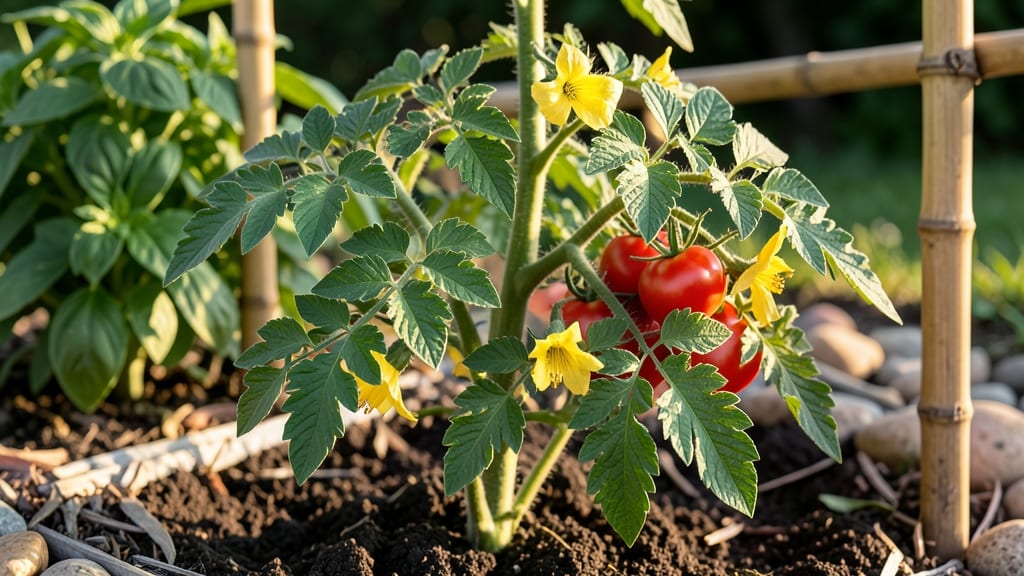
How many hours of sun does a tomato plant need? The answer is 6 to 8+ hours of direct sunlight daily—any less, and you’re basically asking for a sad, underperforming harvest.
Picture this: you’ve spent weeks nurturing your 🍅 seedlings, only to watch them stretch toward the sky like they’re auditioning for a sunflower contest. That’s your plant’s way of screaming, “I need more light!”—and without it, your tomatoes will stay small, pale, and flavorless.
Trust me, I’ve been there, staring at a bush full of leaves and zero fruit.
But here’s the good news: sunlight needs aren’t one-size-fits-all. Determinate varieties (the bush types) can handle a little less, while indeterminate vines (the climbers) demand full sun to keep producing until frost.
And if your garden is shady? No worries—we’ll cover tricks to trick your tomatoes into thinking they’re in a sunbathing paradise.
In this guide, you’ll learn exactly how to measure sunlight in your space, spot the signs of sun hunger (or sunburn!), and tweak your setup for maximum yield, no matter where you garden. Let’s get those plants soaking up rays like pros.


Optimal sunlight hours for tomato plants by variety and growth stage
Tomatoes are sun-worshippers, and their light needs shift dramatically from seedling to fruiting stage.
While most varieties crave 6-8+ hours of direct sunlight daily, the exact requirements depend on your tomato type and local climate. Indeterminate varieties (like 'Sungold') need the most light, while determinate types (like 'Roma') can tolerate slight reductions—but never compromise too much or risk poor yields.
Your tomato plants' sunlight needs aren't static—they evolve as they grow. Seedlings thrive in 4-6 hours of bright light to avoid stretching, but mature plants demand full sun exposure for optimal fruit production.
In high-altitude gardens (above 5,000 feet), UV intensity increases, so plants may need 10-12% more light to compensate. Meanwhile, shaded climates (like Pacific Northwest) require reflective surfaces or strategic placement to meet their needs.
Here’s how sunlight needs break down by tomato variety and growth stage, plus climate adjustments to maximize your harvest:
For indeterminate tomatoes, which grow continuously, 8-10+ hours of sunlight is non-negotiable during fruiting.
These varieties produce fruit along the entire vine, so insufficient light leads to small, underdeveloped tomatoes. Determinate tomatoes, like 'Roma', set all their fruit at once and can tolerate 6-8 hours of sun, but yields will suffer if light drops below 6 hours. Cherry tomatoes (e.g., 'Sweet 100') are exceptions—they thrive with 7-10 hours and produce prolifically in ideal conditions.
In high-altitude gardens, where sunlight is more intense, protect your plants from sunburn by providing afternoon shade (especially for young seedlings). Use shade cloth (30-50%) or plant near taller crops that offer natural shade.
Conversely, in shaded climates, maximize light with reflective mulch (like white gravel) or south-facing trellises to bounce sunlight onto leaves. Even container-grown tomatoes need full sun—place pots on rooftops or balconies with unobstructed southern exposure.
Monitor your tomato plants' sunlight by tracking their growth patterns. If leaves turn yellow between veins, it’s a sign of chlorosis from insufficient light. Conversely, white or brown patches on leaves indicate sunburn—a common issue in desert clim
Signs your tomato plant isn’t getting enough (or too much) sunlight
Your tomato plants might be silently screaming for help if they're not basking in the right amount of sunlight. Yellowing leaves or stunted growth are classic red flags—literally!—that your plants aren't getting their 6-8 hours of full sun daily.
Even worse, too much harsh afternoon sun can cause sunburned foliage or cracked fruit, ruining your harvest before it even ripens.
I’ve seen gardeners overlook these signs, thinking their plants just need more water or fertilizer. But sunlight is the real MVP for tomatoes—it’s what fuels flower production and fruit ripening.
Without it, your plants might still grow, but they’ll struggle to produce the juicy, flavorful tomatoes you’re dreaming of. Let’s decode the visual clues and fix common mistakes.
Tomatoes need 6-8+ hours of direct sunlight daily. Too little? Weak stems, sparse fruit. Too much? Blistered leaves, cracked tomatoes. Most gardeners undershoot—place plants in the sunniest spot possible, even if it means moving them midday for shade in extreme heat.
Start with the leaves. If the lower leaves turn yellow or pale green, your plant is begging for more light. This is often called chlorosis, where the plant can’t produce enough chlorophyll without sufficient sunlight.
Check the stem strength too—weak, spindly growth is another dead giveaway. These plants will flop over if left unchecked, especially indeterminate varieties that grow tall and vine-like.
On the flip side, white or grayish patches on leaves? That’s sunburn from too much direct heat, especially in hot climates. You might also spot blistered or crispy edges on foliage.
Even the fruit can show signs—cracked tomatoes or poor color development often mean the plant is getting too much intense sunlight without enough water to balance it out.
Common mistakes like overcrowding plants or placing them under tall trees or structures steal sunlight. I’ve seen gardeners tuck tomatoes in the shadiest corner of the garden just because it’s convenient—big mistake!
If your garden is naturally shady, consider reflective surfaces like white walls or mirrors to bounce extra light onto your plants. Even a south-facing window can work for container tomatoes if you rotate them daily for even exposure.
Fixing these issues is easier than you think. For sun-deficient plants, move them to a sunnier spot immediately and prune nearby plants or structures blocking light. If your tomatoes are sunburned, provide afternoon shade with a lightweight shade cloth (30-50% shade) or dappled shade from a sheer curtain.
And always water deeply in the morning to help plants handle heat stress—hydrated plants are more resilient to both sun deficiency and excess.
Keep an eye on your plants daily, and don’t be afraid to rearrange your garden layout if needed. A little sunlight tweaking now can mean the difference between a bountiful harvest and a sad, sparse one. Your future salads (and salsa!) will thank you. 🌱