
How To
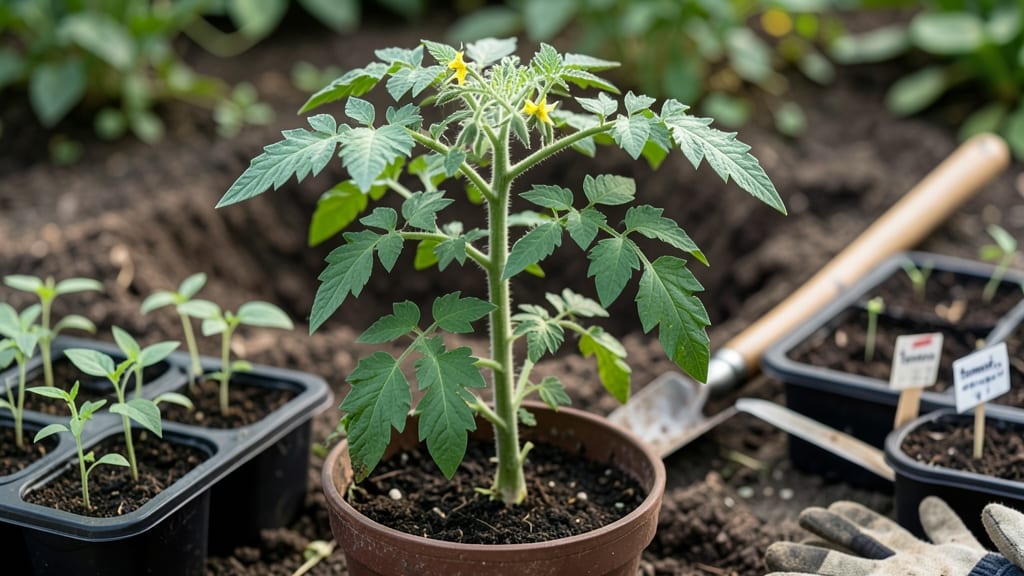
Sowing tomatoes at the right time means the difference between a lush harvest of juicy 🍅 fruit and a sad, stunted plant struggling to survive.
Picture this: you’ve got your seeds ready, your soil prepped, and the excitement building—only to watch your seedlings wilt under a late frost or bolt into flower before producing a single tomato. Timing is everything, and getting it wrong can leave you wondering why your garden isn’t delivering.
In USDA Zone 6, where frost lingers until mid-April, the ideal window for starting seeds indoors is 4-6 weeks before your last frost—that’s early March for most gardeners. But what if you’re in a cooler zone or a high-desert area?
Or maybe you’re growing in containers where heat escapes faster? The rules change, and missing those adjustments can cost you the harvest you’ve been dreaming of.
Here’s the good news: with the right schedule and a few smart tricks, you can align your tomato sowing with your local climate for a bumper crop.
Whether you’re a seasoned gardener or just starting out, I’ll walk you through the exact dates, zone-by-zone, plus how to tweak your approach for early starts, late harvests, and even urban balconies.
Best tomato sowing dates by USDA climate Zone (indoor vs outdoor)
Getting your tomato sowing time right depends entirely on your USDA climate zone and whether you're starting seeds indoors or planting directly outside. In colder zones, you’ll need to begin 6-8 weeks before last frost, while warmer zones may allow direct sowing as early as February or March.
Even within zones, high-desert areas can have earlier planting than coastal regions due to temperature swings.
First, find your last frost date—this is your anchor. Most USDA zone maps provide average dates, but check local weather records for accuracy. For example, Zone 5 gardeners often see frost until May 15, while Zone 10 may never experience frost.
Adjust your indoor seed-starting schedule accordingly to ensure seedlings are ready to transplant 1-2 weeks after last frost.
High-desert climates (like Zone 6 in Colorado) can plant 2-3 weeks earlier than coastal areas due to rapid soil warming. Meanwhile, coastal regions (like Zone 8 in Oregon) may need to wait until soil reaches 60°F (15°C) before planting. Always test soil temperature with a probe—cold soil delays germination and weakens seedlings.
Indoor vs. Outdoor: Most gardeners start tomato seeds indoors for better control over germination conditions, but direct outdoor sowing works in Zones 9-11 where frost is rare. For Zones 3-5, indoor starts are essential to avoid damping-off disease from cool, wet soil. Use grow lights if natural light is insufficient—tomato seedlings need 14-16 hours of light daily to prevent legginess.
| USDA Zone | Indoor Start (Weeks Before Last Frost) | Direct Outdoor Sowing (After Last Frost) | Last Frost Date (Avg.) | Notes |
|---|---|---|---|---|
| 3-4 | 8-10 weeks | Late May-June | May 1-15 | Use row covers; cold-hardy varieties like 'Stupice' thrive. |
| 5-6 | 6-8 weeks | Mid-April-May | April 15-May 1 | High-desert: plant 2 weeks earlier; coastal: wait for soil warmth. |
| 7-8 | 4-6 weeks (optional) | March-April | March 15-April 15 | Direct sow early varieties like 'Sub-Arctic Plenty' for fast harvests. |
| 9-10 | Not needed (direct sow) | January-February | No frost | Use black plastic mulch to retain heat; plant successionally. |
| 11 | Not needed (direct sow) | Year-round (succession plant) | No frost | Dwarf varieties like 'Tiny Tim' work well in containers. |
For Zones 3-5, I recommend starting seeds indoors by late February to early March—this gives you a 6-8 week head start before transplanting after last frost. Use seedling heat mats to speed germination, especially in cool basements where temperatures dip below 70°F (21°C).
Once seedlings have 2-3 true leaves, harden them off for 7-10 days before moving outside.
In Zones 6-8, you have flexibility: start seeds indoors 4-6 weeks before last frost or direct sow 2-4 weeks after last frost if your climate is mild.
For example, in Zone 7, I often direct sow cherry tomatoes in early April and start heirloom varieties indoors in March. Soil temperature is critical—wait until it’s consistently above 60°F (15°C) to avoid blossom-end rot later.
Gardeners in Zones 9-11 can sow tomatoes year-round, but I suggest focusing on succession planting every 2-3 weeks for continuous harvests. In Zone 10, I start my first batch in January and continue through August to avoid summer heat stress.
Use shade cloth during peak heat (above 90°F/32°C) to protect blossoms and fruit.
Pro tip: Adjust for microclimates. A south-facing wall can warm soil 2-3 weeks earlier than open ground, while low-lying areas may hold frost longer
How to adjust tomato sowing time for early or late harvests
Want to stretch your tomato harvest into fall or squeeze extra weeks of growth in short seasons? Adjusting your tomato sowing time is the key.
By starting seeds earlier for a fall harvest or choosing fast-maturing varieties, you can extend your growing season—even in zones with early frosts or limited space like urban balconies. The trick lies in timing, variety selection, and protective strategies like row covers.
For fall harvests, begin sowing seeds indoors 8-10 weeks before your average first frost date. This gives seedlings enough time to mature before cooler weather sets in.
In USDA Zone 5, for example, that means starting seeds around July 1st for a harvest before the first frost in late September. Use determinate varieties like 'Celebrity' or 'Roma', which produce fruit quickly and stop growing once they set fruit.
If you're gardening in containers or small spaces, focus on compact varieties like 'Tumbling Tom' or 'Micro Tom'. These can be started indoors 6-8 weeks before your last frost date and transplanted into 5-gallon pots once they have 2-3 true leaves.
Place containers in a south-facing spot to maximize sunlight, and use self-watering systems to prevent drought stress.
For late harvests in cooler climates, combine early sowing with protective measures. Start seeds indoors in late winter (February for Zone 4) and transplant outdoors after the last frost. Install low tunnels or cold frames to create a 5-10°F warmer microclimate, allowing plants to continue growing into October.
Pair this with drought-resistant varieties like 'Solar Fire' or 'Mountain Merit' to handle fluctuating temperatures.
Don’t forget to monitor your plants closely as the season progresses. Prune suckers to redirect energy toward fruit production, and fertilize lightly with a low-nitrogen blend (like 5-10-10) every 3-4 weeks. As temperatures drop, reduce watering slightly to prevent blossom-end rot, a common issue in inconsistent weather.
With these adjustments, you’ll enjoy homegrown tomatoes well into fall—or even winter in mild zones!
🌱