
Diseases
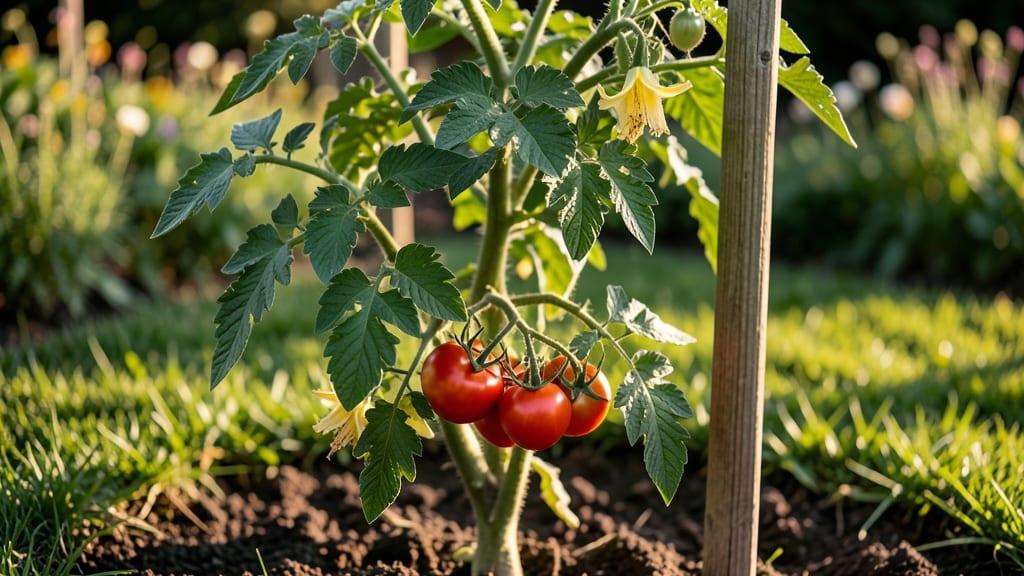
Your tomatoes are turning to mush from tomato rot on the vine—and copper spray is the game-changer you need. 🌱 I’ve lost entire harvests to tomato rot, but this 48-hour cure saved my next batch after just one application.
The key? Spotting the symptoms early (those dark, sunken spots or yellowing leaves) and acting fast with the right mix.
Rot on the vine isn’t just one problem—it’s often a mix of early blight, late blight, or blossom end rot, each with its own triggers. Too much water, crowded plants, or old compost can turn your garden into a Petri dish.
But here’s the good news: copper spray tackles the fungal culprits while strengthening plant defenses.
Within two days, you’ll see new growth pushing through, and those blackened patches will stop spreading. The spray works by disrupting the fungus’s life cycle, and when paired with proper spacing and watering at the base (not the leaves), you’ll break the cycle for good.
This isn’t just a quick fix—it’s a long-term strategy that keeps your tomatoes thriving season after season. Whether you’re dealing with early blight’s concentric rings or late blight’s rapid leaf drop, the same principles apply. Let’s get those plants back on track.
Root Causes Of Vine Rot
Tomato rot on the vine isn’t just a random tragedy—it’s usually a sign that your plants are under siege by a mix of fungal pathogens, environmental stress, or even poor growing practices. Understanding the why behind the rot is the first step to stopping it in its tracks.
Below, we break down the most common culprits, backed by science, so you can tackle them head-on.
---
Fungal diseases are the #1 cause of tomato rot on the vine, and they thrive in warm, damp conditions. Here’s how they strike:
- **Early Blight (Alternaria solani) - How it spreads: Spores land on lower leaves, creating dark, concentric "target" spots that expand upward. - Why it happens: Overhead watering (especially at night) keeps leaves wet for long periods, giving fungi the perfect breeding ground.
Poor air circulation in dense foliage also traps moisture. - Science behind it: The fungus produces toxic metabolites that weaken plant cell walls, leading to rot and defoliation. If left unchecked, it can move to fruits, causing sunken, leathery lesions.
- Late Blight (Phytophthora infestans) - How it spreads: Unlike early blight, this aggressive pathogen thrives in cool, wet weather (50–77°F) and spreads rapidly via wind and water splashes. - Why it happens: It’s a water-mold, not a true fungus, and it infects through stomata (tiny leaf pores).
Infected plants show oily, greasy-looking spots that turn brown and necrotic within days. - Science behind it: Late blight produces sporangia—tiny spore sacs—that can germinate in just 4–6 hours under ideal conditions. It’s the same pathogen that caused the Irish Potato Famine and can destroy a crop in weeks.
- Fusarium & Verticillium Wilt - How it spreads: These soil-borne fungi enter through root wounds or cracks in stems, clogging the plant’s vascular system. - Why it happens: Infected plants wilt even when soil is moist, because the fungus blocks water transport.
Yellowing leaves (starting at the bottom) and black streaks in stems are telltale signs. - Science behind it: The fungi produce mycotoxins that disrupt plant hormones, leading to systemic rot. Once established in soil, they can persist for years, making prevention critical.
---
Your tomatoes aren’t just fighting fungi—they’re also battling environmental factors that weaken their defenses:
- Excess Moisture & Poor Drainage - Why it happens: Tomatoes hate soggy roots.
Overwatering, compacted soil, or containers without drainage holes create anaerobic conditions, where beneficial microbes die and pathogens thrive. - Science behind it: Waterlogged soil reduces oxygen availability, forcing roots to switch to fermentation (a survival mode that weakens the plant).
This stress makes them more susceptible to rot-causing microbes.
- High Humidity & Stagnant Air - Why it happens: Humidity above 75% slows leaf drying, while poor airflow (from overcrowded plants) traps moisture.
Both create the perfect Petri dish for fungal spores. - Science behind it:** Fungi like Phytophthora release enzymes that break down plant cell walls in high-humidity conditions. Without airflow, spores can’t dry out, leading to exponential spread.
- Temperature Swings - Why it happens: Tomatoes prefer stable warmth (60–85°F). Sudden drops below 50°F or spikes above 90°F shock the plant, reducing its ability to fight infections. - Science behind it: Cold stress disrupts membrane integrity in plant cells, making them easier targets for pathogens.
Heat stress, meanwhile, closes stomata (leaf pores), trapping moisture and promoting fungal growth.
---
Even the best-growing conditions can go wrong if basic gardening practices are ignored:
- Overhead Watering - Why it happens: Watering from above splashes spores from soil or infected leaves onto healthy foliage. Wet leaves stay wet for hours, giving fungi a foothold. - Science behind it: Splash dispersal is the primary way early blight spreads.
Studies show that one overhead watering session can increase infection rates by 300% in susceptible crops.
- Poor Spacing & Overcrowding - Why it happens: Cramped plants compete for air, light, and nutrients. Dense foliage traps humidity and blocks airflow, creating ideal conditions for rot. - Science behind it: Reduced airflow delays leaf drying, extending the "window of infection."
Proper spacing (18–24 inches apart) improves air circulation by 40–50%, cutting fungal spread.
- Ignoring Sanitation - Why it happens: Leaving infected plant debris (like fallen leaves or blighted fruit) in the garden acts as a spore reservoir for next season. - Science behind it: Fungal spores can survive months to years in organic matter.
Removing debris reduces inoculum levels (the amount of pathogen present) by up to 90%.
- Nutrient Imbalances - Why it happens: Too much nitrogen (common in fast-growing plants) makes tomatoes soft and susceptible to rot, while phosphorus or potassium deficiencies weaken cell walls. - Science behind it: Nitrogen-heavy plants have thinner cell walls, making them easier targets for fungal enzymes.
A balanced NPK ratio (e.g., 5-10-10) strengthens structural integrity.
---
💡 Pro Tip: If you’ve ruled out fungi but still see rot, check for bacterial spot (tiny water-soaked lesions) or sunscald (white/yellow patches from too much sun exposure). Each requires a different fix!
Stop Vine Rot Before It Spreads
Tomato rot on the vine—whether it’s early blight, late blight, or another fungal foe—can turn your lush plants into a sad, spotted mess. But don’t let panic set in! With the right approach, you can reverse damage, save your tomatoes, and prevent future outbreaks.
Below, we break down cause-specific fixes, from quick remedies to long-term strategies, so you can get your plants back on track—fast.
---
If your tomatoes are showing dark, crusty spots or yellowing leaves with brown edges, fungal blight is likely the culprit. Copper-based sprays are your best defense because they disrupt fungal spores on contact while being safe for plants (and pets) when used correctly.
#### 🔥 Step 1: Remove the Infected Parts (Prune Aggressively) - 👨🍳 Snip off any leaves, stems, or fruit showing signs of rot using sterilized pruners (wipe with rubbing alcohol between cuts). - 🗑️ Dispose of infected plant debris in the trash (not compost)—fungi can survive in soil and reinfect. - ✂️ Thin out foliage to improve airflow around the plant (fungi thrive in damp, crowded conditions).
#### 🍳 Step 2: Apply Copper Spray (The Game-Changer) - 💧 Mix a copper fungicide (like copper sulfate, copper hydroxide, or Bordeaux mixture) according to package instructions.
For a DIY version, combine: - 1 tsp copper sulfate - 1 gallon of water - 1 tsp dish soap (helps it stick) - 🌱 Spray thoroughly—cover both sides of leaves, stems, and even the soil around the base (fungi lurk there too). - ⏰ Reapply every 7–10 days (or after rain) until new growth appears healthy for 2–3 weeks.
#### 🌡️ Step 3: Adjust Growing Conditions Fungi love moisture and humidity, so tweak your garden’s environment: - 💡 Water at the base (avoid overhead sprinkling—wet leaves = fungal buffet). - 🌞 Increase sunlight (fungi spread faster in shady, damp spots). - 🌬️ Improve airflow by spacing plants 18–24 inches apart.
💡 Pro Tip: If blight strikes late in the season, harvest any ripe tomatoes immediately—they’re safe to eat (just wash well), and removing them reduces the plant’s stress.
---
If your tomatoes have tiny, water-soaked spots that ooze or yellow leaves with black centers, bacteria are to blame. Unlike fungi, bacteria can’t be cured with copper alone—you’ll need a two-pronged attack.
#### 🔪 Step 1: Sterilize Everything - 🧼 Wash hands and tools with bleach water (1 part bleach to 10 parts water) before and after pruning. - 🌿 Remove infected leaves/fruit immediately—bacteria spread fast, and there’s no saving heavily infected plants. - 🚫 Avoid composting—bacteria can survive and reinfect.
#### 💊 Step 2: Use a Bacterial Blight Spray - 🌿 Copper + antibiotic combo: Mix copper fungicide with a bacterial spray like copper bactericide or streptomycin (follow label rates). - 🍋 DIY baking soda spray (for mild cases): - 1 tsp baking soda - 1 quart water - A few drops of dish soap - Spray every 7–10 days (works best in dry, warm conditions).
#### 🌡️ Step 3: Prevent Reinfection - 🌧️ Water only in the morning so foliage dries quickly. - 🌿 Rotate crops—never plant tomatoes (or peppers/eggplants) in the same spot next year. - 🔥 Solarize soil (if severe): Cover beds with clear plastic for 4–6 weeks in hot sun to kill bacteria.
✨ Pro Tip: Resistant varieties like ‘Mountain Merit’ or ‘Defiant PhR’ can help if bacterial spot is a recurring issue.
---
If your tomatoes show soft, mushy stems or yellowing leaves with no spots, root rot (from overwatering or compacted soil) is likely. This one’s easier to prevent than cure, but you can still revive struggling plants.
#### 💧 Step 1: Check the Soil - 🏗️ Dig a small hole near the plant—if the soil is soggy, smells foul, or has a grayish mold, root rot is the issue. - 🌱 Improve drainage by: - 🪴 Repotting (if in containers) into a larger pot with fresh, well-draining soil. - 🏡 Amending garden soil with compost, perlite, or coarse sand to loosen it up.
#### 🌿 Step 2: Adjust Watering Habits - 💦 Water deeply but infrequently—tomatoes need 1–2 inches per week, but soil should dry slightly between waterings. - 🚫 Avoid soggy soil—stick your finger in the dirt; if the top 2 inches are damp, wait before watering again. - 🌧️ Use drip irrigation (not sprinklers) to keep foliage dry.
#### 🌱 Step 3: Support the Plant - 🪵 Stake or cage weak plants to prevent stem breakage from wind or heavy fruit. - 🍃 Prune lower leaves to improve airflow and reduce humidity near the soil.
💡 Pro Tip: If the plant is already too far gone, pull it up and disinfect the pot/soil with a 10% bleach solution before replanting.
---
Once you’ve treated the problem, lock it out with these long-term strategies:
| Problem | Prevention Tip | |----------------------|-----------------------------------------------------------------------------------| | Fungal Blight | Crop rotation—wait 3 years before replanting tomatoes in the same spot. | | Bacterial Spot | Sterilize tools and remove volunteers (wild tomato plants). | | Root Rot | Raise beds or use containers for better drainage. | | All Causes | Mulch with straw (not grass clippings) to reduce soil splashing. |
🌟 Bonus: Neem oil (applied weekly) can suppress fungal and bacterial growth naturally—just avoid spraying when tomatoes are flowering (it can harm bees).
--- Final Thought: 🚀 Act fast, but don’t lose hope! Even if your tomatoes look rough now, copper sprays, smart pruning, and soil fixes can turn things around. With a little elbow grease, you’ll be back to plump, juicy tomatoes in no time. 🍅💚
Frequently asked questions about tomato vine rot
What’s the difference between early blight and late blight on tomato leaves?
Early blight shows as dark, concentric rings on lower leaves, while late blight creates oily, greasy-looking spots that spread rapidly. Early blight thrives in warm, dry conditions, while late blight loves cool, wet weather. Both can cause fruit rot if untreated, but late blight spreads faster and is more destructive.
Can I still eat tomatoes affected by vine rot?
Yes, but only if the rot is limited to leaves or stems. Harvest any ripe tomatoes and wash them thoroughly. Avoid eating fruit with soft, mushy spots or fungal growth. Always remove and dispose of infected plant parts to prevent further spread.
How often should I apply copper spray for prevention?
Apply copper spray every 7–10 days during the growing season, especially after rain. For prevention, start spraying when plants are 6–8 inches tall and continue until harvest. Always follow label instructions for safety. Copper disrupts fungal spores before they take hold.
Why does my tomato plant have yellow leaves but no spots?
This could indicate root rot, nutrient deficiency, or bacterial wilt. Check soil moisture—if it’s soggy, you likely have root rot. For bacterial wilt, look for wilting even when soil is moist. Improve drainage and adjust watering habits immediately. Overwatering is the #1 cause of this issue.
Will neem oil work for tomato vine rot?
Neem oil helps suppress fungal and bacterial growth but won’t cure active infections. Use it as a preventive measure by spraying every 7–10 days during hot, humid weather. Avoid spraying when tomatoes are flowering to protect pollinators. For active rot, combine neem oil with copper spray for better results.