
Companion Plants
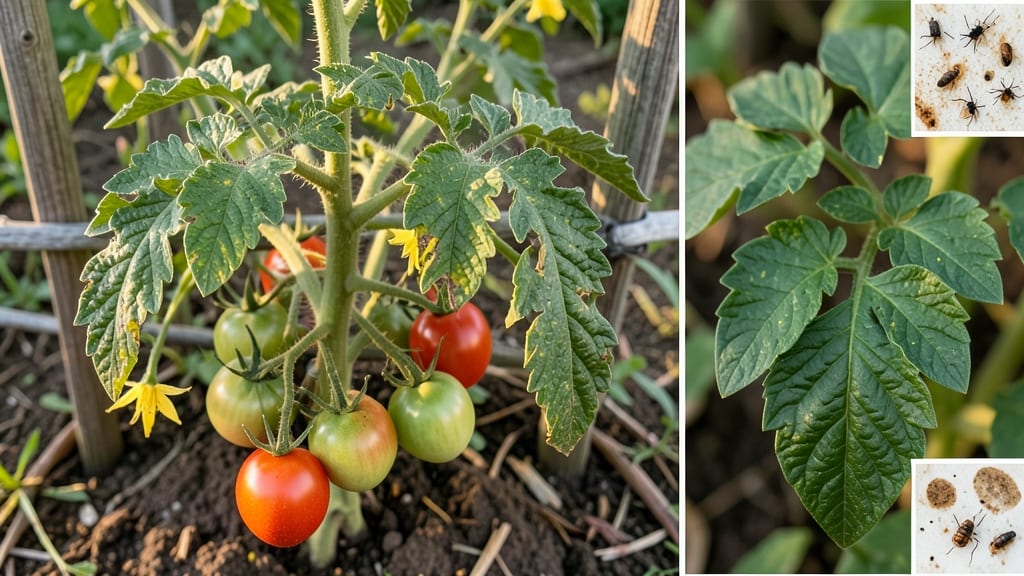
When the tomato plants’ leaves curl up, your garden can go from thriving to struggling in days—unless you act fast. 🌱 I’ve seen this happen after a single hot afternoon or when pests strike, and the fix often starts with a simple copper spray that tackles both blight and stress at the root.
The real culprits? Spider mites, fungal spores, or just too much sun without enough water. Leaves curl inward to protect themselves, but that’s your signal to check for tiny webs, brown spots, or crispy edges. Copper spray isn’t just a bandage—it strengthens cell walls and stops diseases before they spread.
Within 3-5 days, you’ll see leaves unfurl again as the copper works its magic. The key is applying it at dusk when plants are less stressed, and pairing it with shade cloth if heat’s the issue. No more wilting—just bold, healthy foliage ready for fruit.
This works for container tomatoes too, and the same spray prevents future problems. Let’s get those plants back in shape!
Root Causes of Leaf Curling
When your tomato plants’ leaves start curling upward like a defensive shield, it’s usually their way of signaling distress. Understanding the why behind this behavior is the first step toward saving your crop.
Below, we break down the most common triggers—from environmental stressors to hidden pests—with clear explanations and actionable insights.
Tomato plants are tropical at heart, but extreme heat or inconsistent watering can push them into survival mode. When temperatures soar above 90°F (32°C) or soil moisture fluctuates wildly, leaves curl to reduce water loss through transpiration. This is especially common in:
- Afternoon heatwaves: Direct sunlight + dry air = stressed stomata (the tiny pores on leaves). Curling limits water evaporation but also stops photosynthesis midday.
- Underwatering or overwatering: Both disrupt root function. Drought forces leaves to conserve moisture, while soggy soil suffocates roots, cutting off nutrient delivery.
- Windburn: Strong gusts dehydrate leaf edges, causing them to roll inward like a protective shield.
💡 Pro Tip: Check soil moisture 1–2 inches deep—if it’s dry, water deeply at the base (not overhead). For heat stress, provide afternoon shade with floating row covers or mulch to retain moisture.
Pests like spider mites, aphids, and whiteflies don’t just nibble—they inject toxins as they feed, causing leaves to pucker and curl. Here’s how each culprit triggers the response:
| Pest | How They Cause Curling | Where to Look |
|---|---|---|
| Spider Mites 🕷️ | Pierce cells to suck sap, disrupting chlorophyll production. Their saliva contains enzymes that warp leaf tissue. | Undersides of leaves (look for fine webbing) |
| Aphids 🐜 | Cluster on new growth, injecting viruses (like Tomato Yellow Leaf Curl Virus) that distort cells. | Leaf tips, stems, and buds (sticky honeydew residue) |
| Whiteflies 🐛 | Excrete mold-promoting honeydew, which clogs stomata, forcing leaves to curl to trapped gases. | Yellowing undersides (fly away when disturbed!) |
🔥 Quick Fix: Blast pests off with a hose (10–15 psi) or apply neem oil (1 tsp per quart of water) at dusk. For severe infestations, copper spray (see our fix guide) disrupts their life cycle.
Fungal pathogens like Early Blight (Alternaria solani) and Late Blight (Phytophthora infestans) thrive in humid conditions and cause leaves to curl as a defensive response. Here’s the science:
- Early Blight: Fungal spores land on leaves, blocking stomata with mycelium (thread-like growth). Curling traps moisture, accelerating spread.
- Late Blight: This aggressive pathogen infects leaf tissue directly, causing cells to swell and distort. Curling is a failed attempt to contain the infection.
- Powdery Mildew: Fungal spores smother stomata, forcing leaves to curl to expose fewer infected areas to sunlight.
🌡️ Key Signs: Look for brown spots with concentric rings (Early Blight) or oily, dark lesions (Late Blight). White powdery residue = powdery mildew.
✨ Prevention: Space plants for airflow, water at soil level (not overhead), and apply copper fungicide preventatively (every 7–10 days in humid climates). Remove infected leaves immediately to stop spore spread.
Tomatoes are heavy feeders, and a lack of key nutrients forces leaves to curl as a metabolic distress signal. Here’s what’s missing when you see this symptom:
| Nutrient | Why Leaves Curl | Other Clues |
|---|---|---|
| Potassium (K) 🥔 | K regulates water and enzyme activity. Deficiency causes cell walls to weaken, leading to upward curling. | Yellowing leaf edges (scorching), weak stems |
| Nitrogen (N) 💨 | N is critical for chlorophyll production. Without it, leaves curl to conserve energy and prioritize root growth. | Pale yellow leaves (starting at tips), stunted growth |
| Calcium (Ca) 🧀 | Ca strengthens cell walls. A deficiency (often from poor water uptake) causes blossom-end rot in fruit and leaf curling. | Brown, dead spots on leaf edges (necrosis) |
💪 Fix It Fast:
- For potassium: Use kelp meal or a balanced fertilizer (5-5-5).
- For nitrogen: Add compost or fish emulsion.
- For calcium: Apply crushed eggshells or calcium nitrate to soil.
Now that you know the why, the next step is diagnosing which cause fits your tomato’s symptoms. Stay tuned for our copper spray remedy to tackle blight and pest stress head-on!
Quick Fixes for Curling Tomato Leaves
When your tomato plants’ leaves start curling like a parchment scroll, it’s time to roll up your sleeves and take action! The good news? Most causes of leaf curling—whether from pests, disease, or environmental stress—have simple, effective solutions.
Below, we’ll break down the cause-specific fixes you can use to restore your plants to their lush, productive selves. Plus, we’ll share prevention tips to keep future harvests thriving.
If tiny invaders like aphids, spider mites, or whiteflies are the culprits, your tomatoes need targeted pest control—fast!
🍳 Spray Off Soft-Bodied Pests (Aphids, Whiteflies) 1. Mix a Soapy Solution 🧼
- Combine 1 tsp mild dish soap (like Dawn) with 1 quart of water.
- Add 1 tbsp vegetable oil to help break down pests’ protective coatings.
- Spray Directly on Infested Areas 💦 - Focus on the undersides of leaves (where pests hide). - Reapply every 3–5 days until pests disappear.
- Blast Off Stubborn Bugs 🌬️ - Use a strong spray of water from a hose to dislodge mites or aphids.
🕷️ Combat Spider Mites (Tiny Red Spots?)
- Neem Oil Spray 🌿
- Mix 1 tbsp neem oil + 1 tsp mild soap + 1 quart water.
- Spray early morning or late evening (avoid direct sun—it burns leaves).
- Reapply every 5–7 days for 2–3 weeks.
- Introduce Predatory Bugs 🐞
- Ladybugs and lacewings love spider mites.
Buy them online or attract them with dill or marigolds nearby.
✂️ Prune Damaged Leaves
- Snip off heavily infested leaves with clean scissors to stop the spread.
- Dispose of clippings in sealed bags (not compost)—pests hitchhike!
If early blight, late blight, or tomato mosaic virus is to blame, act fast to save your plants.
💧 Copper Spray for Fungal Blight 🛡️
- DIY Copper Fungicide Recipe 🍄
- 1 tsp copper sulfate (or 1 tbsp baking soda + 1 quart water + few drops of soap).
- Spray every 7–10 days at dawn or dusk (avoid hot sun).
- Remove Infected Leaves Immediately 🗑️
- Prune yellow or brown spots and destroy them (don’t compost!).
🛡️ Preventing Viral Spread
- Quarantine New Plants 🏝️
- Keep infected plants away from healthy ones for at least 2 weeks.
- Rotate Crops 🌱
- Avoid planting tomatoes in the same spot for 3+ years to break disease cycles.
- Use Resistant Varieties 🍅
- Try ‘Mountain Merit’ or ‘Defiant PhR’—they’re bred to resist blight.
Heat, wind, or poor watering can curl leaves too—adjust conditions to bring them back.
💦 Fixing Watering Issues
- Overwatering? 🌧️
- Let soil dry 1–2 inches deep between waterings.
- Improve drainage with compost or perlite.
- Underwatering? 🏜️
- Water deeply 1–2 times per week (early morning is best).
- Use mulch to retain moisture.
🌡️ Shielding from Heat & Wind
- Provide Shade Cloth ☀️🛡️
- Use 30–50% shade cloth during peak sun (10 AM–4 PM).
- Windbreaks 🌬️
- Plant bush beans or basil nearby to block harsh winds.
- Stake tall plants for support.
- 🌿 Companion Planting 🌱
- Grow basil, marigolds, or nasturtiums near tomatoes to repel pests.
- 🌡️ Consistent Care ⏰
- Monitor soil moisture, temperature, and pests weekly.
- 🛡️ Proactive Sprays 🍃
- Preventative neem oil spray every 2 weeks keeps pests at bay.
- 🌱 Healthy Soil = Happy Plants 📊
- Amend soil with compost and balanced fertilizer (high nitrogen early, then switch to potassium/phosphorus for fruiting).
Final Thought: Most leaf-curling issues are fixable with the right mix of pest control, disease management, and environmental tweaks. Act quickly, and your tomato plants will bounce back—ready to produce juicy, blight-free tomatoes in no time! 🍅✨
Frequently asked questions
Can I save my tomato plant if only the lower leaves are curling?
Yes! Lower leaves curling is often normal as they age, but if they’re also showing yellowing, spots, or webbing, act fast. Remove the affected leaves completely and check for pests or disease at the base. Focus on improving soil moisture and airflow—this prevents stress from spreading upward.
How do I tell if my tomato leaves are curling from heat or pests?
Heat-stressed leaves feel dry and crispy along edges, while pest damage shows tiny webs (mites), sticky residue (aphids), or yellowing spots. Check undersides of leaves first—pests love hiding there. If you see both heat and pests, start with shade cloth and a soapy water spray to tackle both issues.
Will pruning curled leaves help my tomato plant recover?
Pruning removes stress signals and improves airflow. Cut only the most damaged leaves (never more than 1/3 of the plant) and dispose of them in sealed bags. This stops fungal spread and lets the plant focus energy on new growth. Just avoid pruning during extreme heat—wait until morning or evening.
Can I use coffee grounds to fix curling tomato leaves?
Coffee grounds add nitrogen but won’t directly fix curling. If your plants need nitrogen, mix them into soil—but for curling caused by pests or disease, use neem oil or copper spray instead. For best results, combine both: add coffee grounds for soil health and target the specific issue causing the curl.
How long does it take for tomato leaves to uncurl after treatment?
With the right fix, you’ll often see improvement in 3–5 days. For pests, neem oil works fastest (24–48 hours), while fungal issues may take 7–10 days to show full recovery. Monitor soil moisture and shade needs daily—consistency is key! If leaves stay curled after 2 weeks, reassess for hidden nutrient deficiencies.