
Companion Plants
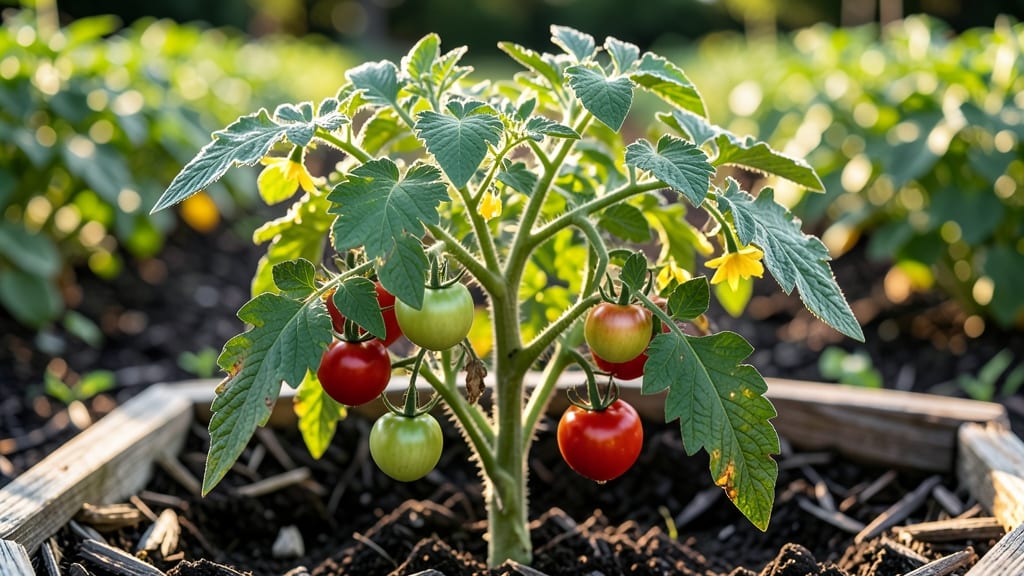
When tomato plants in hot weather wilt under the scorching sun, it’s not the end—it’s a call for shade-smart survival. 🌞 I’ve watched my plants go from crisp and productive to crispy in hours, but these tricks keep them thriving even when temps hit 95°F+.
The secret isn’t just water; it’s timing, shelter, and choosing the right varieties that won’t bolt or drop blossoms in the heat.
Start with heat-tolerant varieties like ‘Heatmaster’ or ‘Solar Fire’—they’re bred to handle the sun. Then, use mulch (straw or grass clippings) to keep roots cool and moist, and set up drip irrigation early in the morning to avoid wetting leaves, which leads to sunburn.
A light shade cloth (30-50%) over the hottest hours can save your plants from wilting, while training vines upward improves airflow and reduces stress.
You’ll notice the difference within days: fewer dropped blossoms, firmer stems, and fruit that ripens evenly instead of cracking. The key is consistency—don’t let soil dry out, and avoid fertilizing during heatwaves, which stresses plants further.
Even in brutal summers, these methods keep my tomatoes producing until the first frost.
Works for backyard gardens, containers, or even small urban plots. The payoff? A harvest that rivals spring plantings—just with a little extra care. Let’s keep those tomatoes thriving, no matter how high the mercury climbs.
📚 In This Guide
- What you need
- Instructions
- Tips and common mistakes
- Wrapping up and next steps
What you need
- ● Tomato seedlings or seeds: Choose heat-tolerant varieties like Solar Fire or Heatmaster (6–12 plants, depending on space).
- ● Well-draining potting mix: 5–10 gallons (look for blends labeled for vegetables or tomatoes).
- ● Containers or garden beds: Containers: 5-gallon pots (1 per plant) with drainage holes.
- ● Garden beds: Raised beds or in-ground plots with loose, fertile soil.
- ● Mulch: 2–3 inches of straw, wood chips, or shredded leaves to retain moisture.
- ● Drip irrigation system or soaker hoses: 10–20 feet (adjust based on garden size).
- ● Organic fertilizer: Balanced 10-10-10 or tomato-specific formula (1–2 lbs per plant).
- ● Shade cloth (30–50% coverage): Enough to cover 50–75% of your plants during peak heat (10x10 ft sections).
- ● Gloves and gardening shears: For planting and pruning.
- ● Watering can or hose with adjustable nozzle: For gentle watering.
- ● pH testing kit: To ensure soil pH is between 6.0–6.8.
- ○ Thermometer (optional): Soil and air thermometer to monitor heat levels.
- ● Pruning tools (sterilized): For trimming suckers and dead leaves.
- ● Morning watering: Water plants before 10 AM to reduce evaporation. 💦
- ● Reflective mulch: Use white or silver mulch to deflect sunlight.
- ● Companion plants: Grow basil or marigolds nearby to deter pests and provide shade.
Instructions for protecting tomato plants in scorching heat
Hot weather doesn’t have to mean lost tomatoes—here’s how I keep my plants thriving when temps climb.
☀️ Step 1: Provide Strategic Shade During Peak Heat
When daytime temps hit 90°F or higher, tomatoes need afternoon shade to prevent sunscald. I use shade cloth (30-50% blockage) draped over a hoop or trellis—just remove it by 4 PM to let them soak up morning sun. You’ll notice leaves stay crisp instead of wilting by noon.
For quick fixes, I prop up old bedsheets or burlap between plants and stakes. Avoid plastic—it traps heat and burns leaves. Watch for white or yellow patches on exposed fruit—that’s your signal the shade isn’t working fast enough.
💧 Step 2: Water Deeply at the Right Times
Tomatoes need 1-2 inches of water weekly, but timing matters more than quantity. I water early morning (before 8 AM) so soil has time to absorb moisture before the sun evaporates it. You’ll see soil 2-3 inches deep stay consistently moist—stick your finger in to check.
Never water leaves or fruit—this spreads disease. Instead, aim water at the base using a soaker hose or drip irrigation. If you spot drooping leaves by midday, you’re underwatering. If soil stays soggy, you’re overdoing it—roots need air too.
🌿 Step 3: Mulch Heavily to Lock in Moisture
Spread 3-4 inches of organic mulch (straw, grass clippings, or shredded leaves) around plants but keep it 6 inches away from stems to prevent rot. This keeps soil 10°F cooler and reduces evaporation. I refresh mulch every 2-3 weeks as it breaks down.
Dark mulches (like black plastic) work in short bursts but bake roots long-term. Organic mulch improves soil over time—just watch for pests hiding in fresh straw. A light sprinkle of diatomaceous earth around the base keeps critters away.
✂️ Step 4: Prune for Better Airflow and Sun Exposure
Trim suckers (the small shoots between main stems and branches) to improve airflow—this prevents fungal diseases like blight. I also remove lower leaves up to 12 inches from the ground to keep foliage off hot soil. You’ll see fewer yellow leaves and healthier fruit set after pruning.
Don’t overdo it—leave 3-5 main stems for support. If you see blossoms wilting in heat, shade them with cheesecloth for a week until they set fruit. Over-pruning stresses plants, so limit cuts to 20% of the plant at a time.
🌱 Step 5: Protect Fruit from Searing Sun
Green tomatoes exposed to direct sun above 90°F develop sunburn patches (white, leathery spots). I use lightweight row covers or whitewashed cardboard to shield developing fruit. Remove covers after 4 PM to let plants harden off.
For ripening fruit, harvest green tomatoes and ripen indoors. Place them in a paper bag with a banana (ethylene gas speeds ripening) and check daily. You’ll get full-flavored tomatoes even in brutal heat—just don’t leave them baking on the vine.
Tips & tricks for perfect tomato plants in scorching heat
These battle-tested strategies will help your tomato plants thrive even when the thermometer climbs.
Shade Timing Matters: The 90°F threshold is critical—once temps hit that mark, afternoon shade becomes non-negotiable. I’ve learned this the hard way after watching plants wilt by noon when shade came too late. For maximum effectiveness, install shade by 10 AM during extreme heatwaves, not just at noon. This gives leaves time to recover from morning sun exposure before the afternoon furnace kicks in.
Watering Technique: That 1-2 inch weekly measurement is a guideline, not a rule. During 90°F+ days, you might need to water every other day instead of weekly. The key is checking soil moisture 2-3 inches deep—if it's dry at that depth, water immediately. I use a screwdriver to test: if it comes out clean, it's time to water. Early morning is non-negotiable because water evaporates 30% faster when applied after 10 AM.
Mulch Placement: Keeping that 3-4 inch layer of organic mulch 6 inches away from stems is crucial for preventing rot, but here's what nobody tells you—refresh your mulch every 2-3 weeks during extreme heat. As it breaks down, it loses its insulating properties. I like to mix in a thin layer of diatomaceous earth when refreshing, which doubles as a pest deterrent while keeping the mulch effective longer.
Pruning Precision: When removing those lower leaves up to 12 inches, don't just yank them—make clean cuts with pruning shears. Ragged edges invite disease, especially in humid heat. And here's my secret: I prune on overcast days when temps are below 85°F. The plants handle stress better, and you won't shock them with midday heat while they're recovering from cuts. Limit yourself to 20% of the plant at one time to avoid overwhelming the tomato.
Pro Tips for Tomato Plants In Hot Weather
- These battle-tested strategies will help your tomato plants thrive even when the thermometer climbs.
- Shade Timing Matters: The 90°F threshold is critical—once temps hit that mark, afternoon shade becomes non-negotiable.
- Watering Technique: That 1-2 inch weekly measurement is a guideline, not a rule.
Frequently asked questions
Got questions about keeping your tomato plants thriving under the scorching sun? You’re not alone! Here are some of the most common concerns—and how to tackle them like a pro.
How hot is too hot for tomato plants?
Tomatoes love warmth, but extreme heat (above 90°F/32°C) can stress them. Look for wilting leaves, sunburn (blotchy yellow patches), or fruit drop. If temps hit 100°F+ (38°C+), they’ll struggle. Shade cloth, mulch, and watering at the roots can help them cope.
Should I water tomato plants more in hot weather?
Deep watering 1-2 inches per week
(more if it’s scorching) keeps roots cool. Avoid wetting leaves to prevent disease. Morning watering is best—it reduces evaporation and gives foliage time to dry. Drip irrigation is your best bet for efficiency.
Why are my tomatoes cracking in the heat?
Rapid temp swings (hot days, cool nights) cause uneven water uptake, leading to cracks. Consistent watering and mulching help stabilize soil moisture. Harvest overripe tomatoes early to prevent splitting. Varieties like ‘Heatmaster’ or ‘Solar Fire’ are more heat-tolerant.
Can I grow tomatoes in full sun if it’s extremely hot?
Yes, but with strategic adjustments! Use 30-50% shade cloth during peak afternoon heat (12–4 PM). Reflective mulch (like white plastic) or light-colored row covers can also deflect excess heat. Succession planting (staggering plantings) ensures some tomatoes mature before the worst heat hits.
What’s the fastest way to cool down overheated tomato plants?
Act fast with these emergency fixes:
- Mist leaves lightly (early morning only) to lower temp.
- Move containers to a shadier spot or elevate them for airflow.
- Trim lower leaves to reduce transpiration and improve airflow.
- Apply a thin layer of straw mulch to retain moisture.
Wrapping up and next steps
Hot weather doesn’t have to mean the end of your tomato dreams—with the right strategies, your plants can thrive even under the sun! 🌞 By using shade cloth, mulching, watering wisely, and choosing heat-tolerant varieties, you’re already on the path to a bountiful harvest. Your dedication will pay off with juicy, flavorful tomatoes!
Ready to put these tips into action? Start by assessing your garden’s shade needs this week and make small, manageable adjustments. Every little step counts—so grab your tools and let’s grow those tomatoes!