
Planting
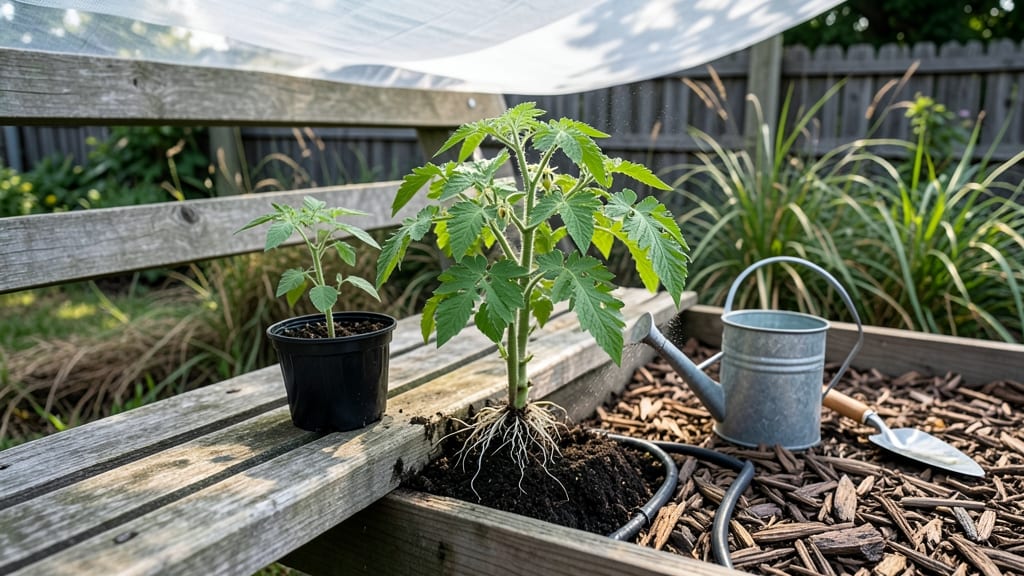
Tomato plants drooping after transplant isn't the end—it's just a cry for help. 🌱 I've nursed back more limp seedlings than I can count, and the secret is often simpler than you'd think: a targeted rehydration trick that wakes up stressed roots faster than any fertilizer.
The culprit is usually transplant shock, where roots get damaged or dried out during the move. Overwatering after transplant can also suffocate roots, while underwatering leaves them gasping for moisture. Temperature swings or pests like aphids can make things worse, but the good news?
Most drooping plants bounce back within 24-48 hours with the right care. Start by giving your plant a deep drink—water until it runs out the bottom of the pot, then let it soak for 10 minutes.
After that, provide light shade (a simple cloth or shade cloth) to reduce stress while roots recover. Check the soil daily: it should stay consistently moist, not soggy or dry. Once your plant perks up, you'll learn how to prevent future drooping with hardening off and proper transplanting techniques.
Let's get those tomatoes standing tall again!
Root Shock Explained
When your tomato plants start wilting after transplanting, it’s often a sign of root shock—a common but temporary stress response that occurs when roots are disturbed during the move.
This happens because the delicate root hairs and feeder roots get damaged during the process, disrupting the plant’s ability to absorb water and nutrients efficiently. Think of it like a human getting whiplash after a sudden jolt: the plant’s system is thrown into chaos, and it needs time to recover.
Transplanting involves uprooting the plant, even if you’re careful. The roots—especially the fine, hair-like roots responsible for 90% of water and nutrient uptake—get severed or bruised.
These roots are fragile and regenerate slowly, leaving your tomato plant struggling to hydrate itself. Symptoms like drooping leaves, yellowing, or slow growth appear within hours or days because the plant can’t keep up with its water demands.
Actionable fix: Minimize root damage by keeping the root ball intact when transplanting. Water the plant thoroughly the day before moving it to reduce stress.
Even if the roots aren’t visibly damaged, the act of transplanting can cause osmotic shock. The soil environment changes—new pH, microbial balance, or even slight temperature shifts—can temporarily block the roots from absorbing water.
This is why your tomato might look thirsty even if the soil feels moist. The plant’s vascular system (xylem) struggles to pull water upward, leading to wilting.
Actionable fix: After transplanting, give your tomato a deep watering to help re-establish the soil-root connection. Use a root stimulator (like mycorrhizal fungi or seaweed extract) to encourage faster recovery.
Tomatoes are sensitive to sudden changes in temperature, wind, or sunlight after transplanting. If you move them from a sheltered greenhouse or indoor pot to a harsh outdoor environment, the shock can cause transpirational stress.
The leaves lose moisture faster than the roots can replace it, leading to drooping. Even a slight temperature drop at night can exacerbate the problem.
Actionable fix: Harden off your tomato plants gradually by exposing them to outdoor conditions for 1–2 weeks before the final transplant. Use shade cloth on hot days and mulch the soil to regulate temperature.
When roots are disturbed, they temporarily lose access to stored nutrients in the soil. Tomato plants rely on a steady supply of phosphorus and potassium to recover from stress, but these nutrients can become locked out if the soil isn’t properly amended after transplanting.
Without them, the plant’s energy reserves deplete quickly, leading to wilting.
Actionable fix: Mix a balanced fertilizer (like 10-10-10) into the planting hole before transplanting. Follow up with a foliar spray of liquid kelp to provide quick nutrients while roots re-establish.
Root shock is rarely fatal, but it can set your tomato’s growth back by weeks if ignored. The good news? With the right care, most plants bounce back within 3–7 days. Stay tuned for our rehydration trick to revive drooping plants instantly!
Revive Your Tomato Plants Fast
Seeing your tomato plants drooping after transplant can feel like a gut punch—especially when you’ve put so much effort into nurturing them. The good news? Most cases are fixable with quick action and a little know-how.
Below, we’ve mapped out practical solutions tailored to the most common causes, so you can get your plants perking up in no time. And don’t worry—we’ve included prevention tips to keep future transplants thriving from day one!
Fix: Rehydrate with care Transplant shock often stems from sudden water loss, especially if roots were disturbed or the soil dried out during the move. Here’s how to revive them:
- 🔥 Soak the Roots (Not Just the Soil) - Fill a bucket with lukewarm water (never cold) and submerge the root ball for 10–15 minutes.
This rehydrates the roots faster than surface watering. - Pro tip: Add a handful of hydrogel crystals to the water to boost moisture retention. 🌡️
- 👨🍳 Deep Water at the Base
- After soaking, water the soil slowly and deeply until it drains from the bottom of the pot or garden bed. Aim for 1–2 inches of moisture per watering session.
- Avoid wetting the leaves to prevent fungal diseases like blight.
- 🥘 Mulch to Lock in Moisture
- Spread 2–3 inches of organic mulch (straw, shredded leaves, or grass clippings) around the base. This slows evaporation and keeps roots consistently moist.
Prevention for Next Time:
- 💡 Water before transplanting (even if the soil looks dry). Roots need hydration to handle the shock.
- ✨ Use a transplanting solution like seaweed extract or a rooting hormone to reduce stress.
Fix: Shade and recover Tomato plants wilt when exposed to intense afternoon sun right after transplanting. Their leaves can’t regulate heat yet, leading to scalding and droop.
- 🔪 Provide Temporary Shade
- Set up a shade cloth (30–50%) or move pots to a spot with dappled sunlight for 3–5 days. Avoid full sun until new growth appears.
- Pro tip: Use a lightweight row cover if you’re growing in the ground—it also deters pests! 🎯
- 🍳 Hydrate + Electrolytes
- Water early in the morning to give roots time to absorb moisture before the heat peaks.
- Add a pinch of Epsom salt (magnesium sulfate) to the water to help with heat stress recovery.
- 🥘 Gradually Acclimate
- After 3–5 days, slowly increase sun exposure over 1–2 weeks to harden off the plants.
Prevention for Next Time:
- 💡 Transplant on a cloudy day or in the late afternoon to avoid midday sun.
- ✨ Choose heat-tolerant varieties like ‘Solar Fire’ or ‘Heatmaster’ if your climate is scorching.
Fix: Encourage root regrowth If roots were trimmed, bruised, or buried too deep during transplanting, the plant may struggle to uptake water and nutrients.
- 🔥 Trim Damaged Roots (If Needed) - Gently inspect the roots. If you see black, mushy, or broken roots, snip them with clean scissors.
Healthy roots are firm and white. - Pro tip: Dip trimmed roots in water or a rooting hormone before replanting to speed recovery. 🌱
- 👨🍳 Loosen Compacted Soil
- If the soil is hard or clay-heavy, gently fork it around the roots to improve aeration. Add compost or perlite to help drainage.
- 🥘 Fertilize Lightly
- Wait 1–2 weeks before fertilizing to avoid burning stressed roots. Instead, use a balanced, water-soluble fertilizer (10-10-10) at half strength.
Prevention for Next Time:
- 💡 Dig a wide, shallow hole—tomato roots spread horizontally, so avoid deep planting.
- ✨ Use a root stimulator like mycorrhizal fungi at transplant time to boost root growth.
Fix: Isolate and treat If drooping is paired with yellowing leaves, holes, or sticky residue, pests or pathogens may be the culprits.
- 🔪 Identify the Problem
- Aphids/Spider Mites? Spray with neem oil or a soapy water mix (1 tsp mild soap per quart of water).
- Fungal Issues (Early Blight)? Remove affected leaves and apply copper fungicide or baking soda spray (1 tbsp baking soda + 1 quart water + a drop of dish soap).
- 👨🍳 Quarantine the Plant
- Move the tomato to a separate container if possible, and avoid watering overhead until treated.
- 🥘 Strengthen Defenses
- Boost immunity with a compost tea spray or kelp fertilizer to help the plant recover faster.
Prevention for Next Time:
- 💡 Inspect new plants before transplanting for pests or disease signs.
- ✨ Rotate crops yearly to prevent soil-borne diseases from building up.
Use this quick-reference table to diagnose and act fast:
| Symptom | Likely Cause | Fast Fix | Prevention Tip |
|---|---|---|---|
| Wilting + dry soil | Underwatering | Deep water + mulch | Water before transplanting |
| Wilting + crispy leaves | Sunburn/heat stress | Shade cloth + morning watering | Transplant on cloudy days |
| Soft, mushy stems | Overwatering/root rot | Reduce water + improve drainage | Use well-draining soil |
| Yellow leaves + pests | Aphids/spider mites | Neem oil spray | Inspect plants before transplanting |
| Slow growth + weak stems | Nutrient deficiency | Light fertilizer (after 2 weeks) | Add compost to planting hole |
With these fixes, your tomato plants should perk up within 24–48 hours—if not sooner! Remember, the key is patience and consistency. Keep an eye on them, adjust care as needed, and soon you’ll be harvesting juicy tomatoes instead of wilting plants. 🍅🔥
Frequently asked questions
Why do tomato plants droop immediately after transplanting?
This is usually transplant shock—the roots get damaged when moved, disrupting their ability to absorb water. Even minor root disturbance can cause wilting within hours. The good news? Most plants recover within 24-48 hours with proper care like deep watering and shade.
How can I tell if my drooping tomato is thirsty or has root rot?
Check the soil: if it's dry 2 inches down, it's thirsty—water deeply. For root rot, look for mushy stems and foul-smelling soil. Thirsty plants perk up after watering, while rot-affected plants stay limp.
Is it safe to fertilize a drooping tomato plant right after transplanting?
No—wait 1-2 weeks before fertilizing. Stressed roots can't handle nutrients yet. Instead, use a light foliar spray of seaweed extract for quick nutrients. Over-fertilizing now can burn damaged roots.
Can I save a tomato plant that's been drooping for 3 days?
Yes! If leaves aren't crispy or black, your plant is likely just recovering. Keep soil consistently moist, provide afternoon shade, and avoid fertilizing. Most plants bounce back within 3-7 days with proper care.
What's the best time of day to transplant tomatoes?
Transplant on a cloudy day or in the late afternoon to avoid midday sun stress. Early morning is okay too, but water thoroughly before moving to reduce shock. Avoid hot, sunny days—this gives roots time to recover before heat stress sets in.