
Planting
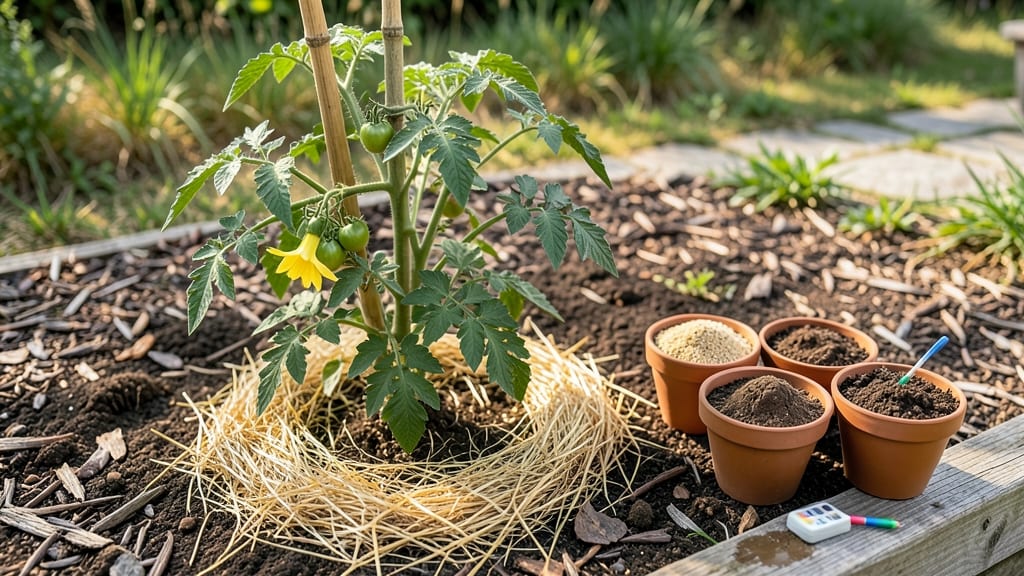
The ideal soil type for tomato plants is well-draining, slightly acidic to neutral with a pH range of 6.0 to 6.8, enriched with organic matter like compost or aged manure. Sandy loam or loamy soil blends promote strong root systems and nutrient absorption.
Tomatoes are fussy about their growing medium—they demand soil that breathes easily while holding just enough moisture to prevent drought stress. 🌱 The pH range isn't just arbitrary; it ensures your plants can access critical nutrients like phosphorus (for flowering) and calcium (to prevent blossom-end rot).
I've seen firsthand how even a slightly off pH can lead to stunted growth or yellowing leaves, so testing your soil before planting is a game-changer.
For container gardens, I recommend mixing equal parts potting soil, coconut coir, and perlite to create that perfect airy texture. In-ground plantings benefit from amending native soil with compost and worm castings—this boosts microbial activity while improving drainage.
Pro tip: Avoid heavy clay soils unless you're willing to add generous amounts of organic matter to break up compaction.
💡 In This Article
- Ideal pH Levels for Tomato Soil and Why They Matter
- Best Soil Mixes and Amendments for Tomato Plants
Ideal pH levels for tomato soil and why they matter
The 6.0–6.8 pH range for tomato soil isn't random—it's the sweet spot where your plants can efficiently absorb essential nutrients. At this level, phosphorus (critical for flowering) and calcium (preventing blossom-end rot) become readily available.
Below 6.0, aluminum and manganese become toxic, causing yellowing leaves and stunted roots. Above 6.8, phosphorus and micronutrients like iron lock up, leading to poor fruit development and weak stems. 🔥
Here's what happens under the microscope: Soil pH affects nutrient solubility. For example, iron becomes more available in acidic conditions (pH <6.0), but in excess, it can cause "iron chlorosis" (yellowing between leaf veins). Meanwhile, calcium—needed for cell wall strength—binds tightly in alkaline soils (pH >7.0), making it inaccessible to roots. This is why soil testing (using a simple $10 home kit) is worth the investment before planting.
Tomatoes also need a balanced microbial ecosystem to thrive. The 6.0–6.8 range supports beneficial bacteria and fungi that break down organic matter into plant-available nutrients. In overly acidic soils, these microbes struggle, reducing nutrient cycling.
Conversely, alkaline soils often lack the organic acids that help dissolve nutrients. Think of it like a digestive system—too acidic or too basic, and your plant's "digestion" of nutrients fails. ✨
If your soil tests outside this range, don't panic. For acidic soil (pH <6.0), mix in 1–2 cups of lime per square foot (apply 2–3 months before planting). For alkaline soil (pH >6.8), incorporate sulfur or peat moss to lower pH gradually.
I've seen gardeners transform their soil from pH 7.5 to 6.5 in a season by amending with compost and sulfur—patience is key!
One common mistake is assuming all tomato varieties have the same pH needs. While most standard types prefer 6.0–6.8, some heirloom varieties (like 'Cherokee Purple') tolerate slightly more acidic conditions. Always check seed packets for specific recommendations.
For container growing, use a balanced pH soil mix (like Miracle-Gro Moisture Control) and monitor pH every 2–3 months since containers dry out faster, altering pH more dramatically. 🌱
Visual clues can help you spot pH issues early. Yellow leaves with green veins? Likely iron deficiency from alkaline soil. Purple stems or stunted growth? Could be phosphorus or calcium deficiency from acidic soil.
Addressing pH before planting prevents these problems entirely—your tomatoes will reward you with stronger vines, more flowers, and fewer diseases. The effort pays off in harvests that are 20–30% larger than plants struggling with poor soil chemistry.
Pro tip: If you're in a region with naturally alkaline soil (like much of the Southwest U.S.), consider growing tomatoes in raised beds or containers. This gives you complete control over soil composition, making it easier to maintain the ideal 6.0–6.8 pH range without battling the native soil chemistry. 💫