
Planting
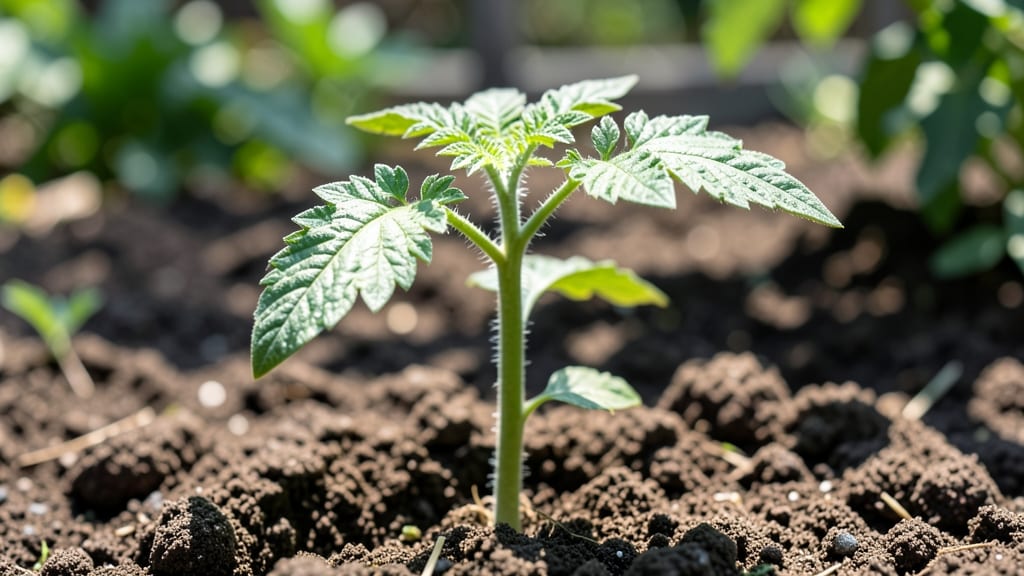
Caring for tomato seedlings is where the magic happens—or where they turn into sad, leggy sticks. 🌱 The first two weeks after germination decide whether you'll end up with strong plants or a second chance at gardening.
I've nursed dozens of seedlings through this stage, and the secret isn't complicated: it's about light, water, and patience in the right amounts.
You'll need a sunny spot (or grow lights), a small pot with drainage, and a watering can with a fine spout. Overwatering is the #1 killer—keep the soil damp but never soggy, and avoid wetting the leaves.
Most seedlings need 12-16 hours of light daily, which means supplementing if your windowsill can't deliver. Too little light? You'll get tall, weak stems that flop when transplanted.
By the time they're ready to move outdoors, your seedlings should be 3-4 inches tall with sturdy stems and true leaves. Harden them off over 5-7 days by gradually exposing them to outdoor conditions, and transplant after last frost when soil temps hit 60°F.
The payoff? Plants that take off immediately instead of struggling to recover.
Common pitfalls include damping-off (a fungal disease that causes seedlings to collapse) and over-fertilizing (which burns tender roots). Stick to a balanced 10-10-10 fertilizer at half-strength, and always water at the base. With these basics, you'll go from fragile sprouts to thriving transplants ready for the garden.
📚 In This Guide
- What you need
- Instructions
- Tips and common mistakes
- Wrapping up and next steps
What you need
- ● Tomato seedlings: 3–6 healthy, disease-free seedlings (choose varieties suited to your climate, like Cherry, Beefsteak, or Roma).
- ● Containers: 5–6 inch pots (1–2 per seedling) or a 5-gallon grow bag (for larger varieties).
- ○ Optional: Biodegradable peat pots to reduce transplant shock.
- ● Potting mix: High-quality, sterile seedling mix (avoid garden soil—it’s too dense!). Look for labels with peat moss, perlite, or coco coir.
- ● Fertilizer: Balanced 5-10-5 or 10-10-10 water-soluble fertilizer (follow label for dilution).
- ○ Optional: Fish emulsion or seaweed extract for organic boosts.
- ● Watering can or spray bottle: With a gentle rose nozzle to avoid disturbing seedlings.
- ● Grow lights or sunny window: A full-spectrum LED grow light (12–16 hours/day) if natural light is <10 hours/day.
- ● Hardening-off supplies: Shade cloth (30–50% coverage).
- ● Clip or scissors (for trimming foliage).
- ● Support system (for later): Cages, stakes, or trellis (if growing indeterminate varieties).
- ○ Optional: Tomato clips for heavy fruit.
- ● ✅ Know your last frost date: Wait until soil is at least 60°F (15°C) before transplanting outdoors.
- ● 🌡️ Temperature control: Keep seedlings in 65–75°F (18–24°C) during the day; avoid drafts or cold windows.
- ● 💡 Soil test: Check pH (aim for 6.0–6.8); amend with lime or sulfur if needed.
- ● 🚫 Avoid overcrowding: Space seedlings 12–24 inches apart (depending on variety) to prevent disease.
Step-by-step guide to caring for tomato seedlings
Here's how to nurture sturdy, healthy tomato seedlings that'll thrive after transplanting.
🌱 Step 1: Provide Optimal Light Conditions
Tomato seedlings need 14-16 hours of light daily—a south-facing window rarely delivers enough intensity. I use a full-spectrum LED grow light positioned 2-4 inches above the plants and set to a timer for consistent exposure. Without ample light, seedlings stretch toward the source (called "leggy"), with weak stems that can't support heavy fruit later.
Rotate the tray a quarter turn daily so all sides receive equal light. You'll see seedlings growing upright and compact rather than leaning. If leaves touch the light, raise it immediately—burnt tips reveal themselves as crispy brown edges within hours.
💧 Step 2: Master the Watering Routine
Water seedlings only when the top inch of soil feels dry—overwatering is the fastest way to kill them. I use a spray bottle with fine mist to avoid disturbing the soil surface, which can expose roots. Water at the base rather than overhead to prevent fungal diseases like damping-off, which causes seedlings to collapse suddenly.
Check moisture daily by pressing your finger into the soil. If it feels damp but not soggy, wait another day. Seedlings with yellowing lower leaves often need less water, not more—this signals root stress from overwatering or poor drainage.
☀️ Step 3: Harden Off Gradually Before Transplanting
Two weeks before your last frost date, begin hardening off seedlings by placing them outside in a sheltered, shaded spot for 1-2 hours the first day. Gradually increase outdoor time by 1 hour daily until they can tolerate a full day outside. This process mimics natural conditions and prevents transplant shock.
Watch for wilting or leaf burn—these are signs the hardening process is moving too fast. If leaves curl or turn yellow, move seedlings back indoors for another day. Once they handle full sun without stress, they're ready for the garden.
✂️ Step 4: Prune and Support for Strong Growth
When seedlings reach 6-8 inches tall, pinch off the top set of leaves above the first true leaves to encourage bushier growth. This redirects energy from vertical growth to lateral branches, which will support more fruit later. Use clean, sharp scissors to avoid crushing stems.
Install small cages or stakes at planting time—tomatoes grow fast, and waiting means struggling to support plants later. Bury the stake halfway when transplanting so it doesn't topple. You'll see stronger stems and better fruit production when plants have support from day one.
Tips & tricks for thriving tomato seedlings
Between us, the difference between leggy, weak seedlings and sturdy, thriving plants often comes down to these small but critical details.
Lighting Strategy: If you're using natural light, supplement with a full-spectrum LED grow light on a timer for those crucial 14-16 hours. I've seen seedlings stretched to 12 inches tall when deprived of proper light—this "leggy" growth happens when plants reach desperately for any available light source. Position the light just 2-4 inches above the tallest seedlings and adjust as they grow. The key is consistency: seedlings need this light exposure daily, even on cloudy days.
Watering Wisdom: The top inch of soil should feel dry before watering, but don't rely solely on your finger—some soils hold moisture differently. I've learned this the hard way after losing seedlings to overwatering. Use a spray bottle with fine mist to avoid disturbing the soil surface, which can expose delicate roots. A good test: if the soil feels damp but not soggy when you press your finger in, wait another day. Yellowing lower leaves? That's your plant's way of saying "I'm drowning here."
Harden Off Gradually: The 1-2 hour outdoor exposure on day one might seem short, but this gradual approach is what prevents transplant shock. I've seen gardeners rush this process and end up with wilted, stressed plants that never recover. Watch for wilting or leaf burn—these are your warning signs to slow down. The goal is to mimic natural conditions so your seedlings adjust to outdoor temperatures, wind, and sunlight without trauma. Think of it as a slow acclimation rather than a sudden shock therapy.
Support System: Install those cages or stakes at planting time—don't wait until your tomatoes are already struggling to support their own weight. I bury the stake halfway when transplanting to provide stability without being too invasive. This small step makes a huge difference in fruit production later. You'll notice stronger stems and better fruit development when plants have support from their very first days in the ground.
Pro Tips for Tomato Plant Seedling Care
- Between us, the difference between leggy, weak seedlings and sturdy, thriving plants often comes down to these small but critical details.
- Lighting Strategy: If you're using natural light, supplement with a full-spectrum LED grow light on a timer for those crucial 14-16 hours.
- Watering Wisdom: The top inch of soil should feel dry before watering, but don't rely solely on your finger—some soils hold moisture differently.
Frequently asked questions
Got questions about keeping your tomato seedlings happy and healthy? You’re not alone! Here are answers to the most common concerns—so you can transplant with confidence and watch those plants thrive.
How long should I wait before transplanting my tomato seedlings?
Wait until your seedlings have 2–3 sets of true leaves (not the tiny seed leaves) and are at least 3–4 inches tall. Harden them off for 7–10 days by gradually exposing them to outdoor conditions. Transplanting too early can shock delicate roots—patience pays off!
What if my seedlings look leggy or weak before transplanting?
Leggy seedlings happen when they don’t get enough light. To fix it, move them to a brighter spot (like a sunny windowsill or grow light) and bury them deeper when transplanting—up to the first true leaves. This encourages stronger root growth and stabilizes the stem.
How often should I water tomato seedlings after transplanting?
Keep soil consistently moist but not soggy for the first 1–2 weeks. Water deeply every 2–3 days (or daily in hot weather), aiming for the soil—not the leaves—to prevent disease. Mulch around the base to retain moisture and regulate temperature.
Why are my tomato seedlings wilting or turning yellow after transplanting?
Wilting often means underwatering or transplant shock, while yellowing leaves (especially lower ones) could signal overwatering, poor drainage, or root damage. Check soil moisture, ensure pots have drainage holes, and avoid fertilizing for 1–2 weeks post-transplant to let roots recover.
Can I use homemade remedies to boost seedling health instead of store-bought fertilizers?
Try a balanced "compost tea" (steep compost in water for 24 hours) or a banana peel brew (soak peels in water for potassium). For pests, spray with neem oil or a soapy water mix (1 tsp mild soap per quart of water). Always test on a few leaves first!
Wrapping up and next steps
Caring for your tomato plant seedlings doesn’t have to be stressful—with the right techniques, you’ll have thriving transplants in no time! 🌱 By focusing on gentle handling, proper spacing, and consistent hydration, you’ll set the stage for a bountiful harvest.
Remember, patience and attention to detail are your best tools.
Now that you’re armed with these tips, it’s time to roll up your sleeves and give your seedlings the love they deserve. Start transplanting soon, and soon you’ll be enjoying homegrown tomatoes straight from your garden! Ready to dive in? 🌿