
Planting
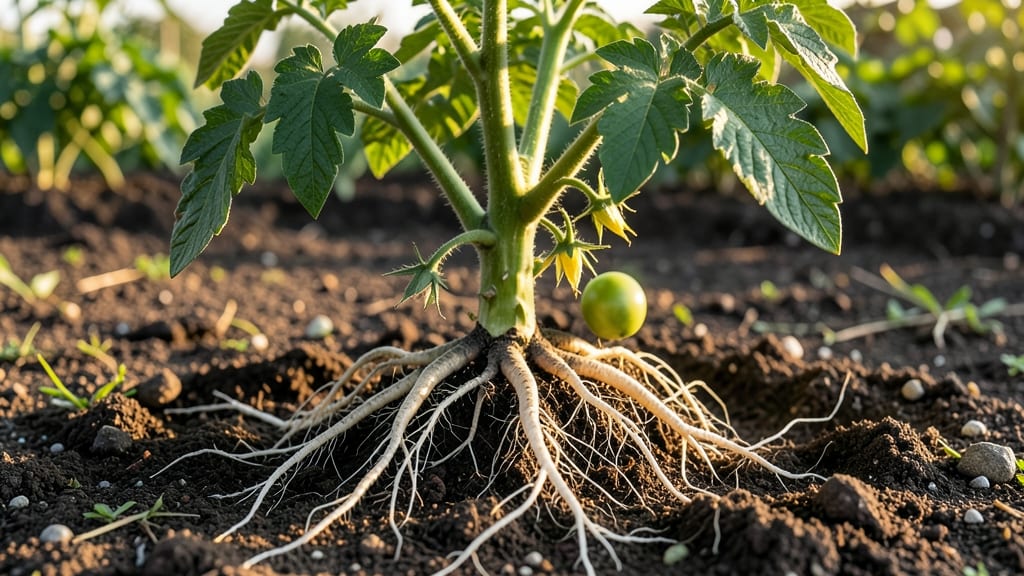
Healthy tomato plant roots are the hidden key to those juicy, vine-ripened tomatoes you’ve been dreaming of. 🌱 I’ve learned the hard way—when roots struggle, even the best tomato varieties underperform.
The secret isn’t just what you see above ground but the strong, white network below that determines how much your plants can eat, drink, and grow.
Roots need loose, well-draining soil packed with organic matter—think compost or aged manure—to spread freely. Overcrowded roots or compacted soil choke growth, while proper aeration lets them explore for water and nutrients.
Watering matters too: deep, infrequent soaks encourage roots to dive deeper, while shallow watering keeps them shallow and weak. Even my first-year mistakes taught me that consistency is everything.
You’ll know your roots are thriving when your plants stand tall, leaves stay vibrant, and fruit sets heavy without wilting. Prune suckers but never roots—disturbing them stresses the plant.
The payoff? Plants that produce 20-30% more tomatoes than struggling counterparts, with fewer diseases and better flavor. It’s all about giving those roots the space and care they deserve.
Works for both backyard gardens and container growers—just adjust soil volume. Here’s how to keep them happy from seedling to harvest, no matter your setup.
📚 In This Guide
- What you need
- Instructions
- Tips and common mistakes
- Wrapping up and next steps
What you need
- ● Tomato seeds or seedlings: Choose disease-resistant varieties like 'Celebrity' or 'Sungold' for best results. (1–2 plants per pot or 6–8 seeds for direct sowing.)
- ● Growing containers or garden bed: Containers: 5-gallon pots or fabric grow bags (minimum 12" deep) for potted tomatoes.
- ● Garden beds: Well-draining soil with a depth of at least 18" for in-ground planting.
- ● High-quality potting mix: A blend with perlite or vermiculite (e.g., Miracle-Gro Potting Mix) to ensure aeration. (1 bag per 2–3 plants.)
- ● Organic compost or worm castings: 1–2 cups per plant to enrich soil with nutrients.
- ● Balanced fertilizer: 10-10-10 or organic options like fish emulsion (follow package rates).
- ● Mulch: Straw or shredded leaves (1–2 inches thick) to retain moisture and suppress weeds.
- ● Garden trowel or transplant spade: For digging and planting roots gently.
- ● Watering can or hose with a gentle nozzle: Avoid damaging delicate roots.
- ● pH testing kit: Ideal soil pH for tomatoes: 6.0–6.8.
- ○ Root stimulator (optional): Products like RootShield or diluted aloe vera juice to boost growth.
- ● Support stakes or cages: 6–8 ft tall for indeterminate varieties.
How to cultivate strong tomato roots for a thriving plant
Healthy roots are the secret to tomato plants that stand tall and produce like champs.
🌱 Step 1: Start with Proper Soil Preparation
Loosen the soil to a depth of 12 inches before planting. Tomatoes hate compacted roots—they need room to spread and access nutrients. Work in 2-3 inches of compost or well-rotted manure to improve drainage and fertility. I like to mix in a handful of bone meal for extra phosphorus, which encourages strong root development.
Test the soil moisture by squeezing a handful—it should hold together but not be soggy. If your soil drains too quickly, add a bit of peat moss to retain moisture without suffocating roots. The goal is a crumbly, airy texture that invites roots to explore.
🪴 Step 2: Plant Deep and Protect the Stem
Dig a hole twice as wide as the root ball but only 6 inches deep. Remove the plant from its container and gently loosen any circling roots with your fingers. This prevents girdling, where roots strangle the stem as the plant grows.
Here's the trick: bury ⅔ of the stem below soil level. New roots will form along the buried portion, creating a stronger anchor. Use your finger to press soil firmly around the base but avoid compacting it—roots need air to breathe. Water deeply to settle the soil and eliminate air pockets.
☀️ Step 3: Provide Consistent Moisture Without Overwatering
Tomato roots thrive when soil stays evenly moist but never waterlogged. Water 1-2 inches deep every 2-3 days until the top inch feels dry to the touch. I use a soaker hose to deliver water slowly at the base, which encourages roots to spread horizontally rather than stay shallow.
Watch for wilting leaves in the afternoon—this is your cue to water. But don't drown the plant. Soggy soil suffocates roots and invites disease. If the soil feels damp more than an inch down, wait another day before watering again.
✂️ Step 4: Prune Strategically to Boost Root Health
Remove suckers—the aggressive side shoots that form in the leaf axils—when they're 2-3 inches long. These energy vampires drain the plant instead of letting roots and fruit develop. Pinch them off cleanly with your fingers or snips to avoid damaging the main stem.
Once the plant reaches 3-4 feet tall, prune lower leaves up to 12 inches from the ground. This improves airflow and sunlight penetration to the lower canopy, which reduces disease pressure on the roots. Never remove more than ⅓ of the foliage at once—roots need the plant's energy to keep growing.
🌿 Step 5: Monitor and Maintain Root Conditions
Check for signs of root distress like yellowing leaves, stunted growth, or wilting despite moist soil. These could signal root rot (from overwatering) or root-bound stress (from crowded roots). If you suspect root rot, reduce watering and improve drainage immediately.
Every 4-6 weeks, side-dress with 1-2 inches of compost or a balanced fertilizer. Keep it 3-4 inches away from the stem to avoid burning the roots. Mulch with 2-3 inches of straw to retain moisture and regulate soil temperature—roots love consistency.
Tips & tricks for cultivating strong tomato roots
Let me share the secrets I've learned after watching tomato plants transform from struggling seedlings to robust producers—these tricks make all the difference.
Soil Texture is Everything: When preparing your 12-inch-deep planting hole, focus on creating that perfect crumbly texture. I like to mix in a handful of perlite or coarse sand if my soil feels too dense—this mimics the air pockets roots crave. Think of it like giving your roots a fluffy pillow to stretch out on. The 2-3 inches of compost we add should be well-aged; fresh compost can burn tender roots and set your plant back.
The Stem-Burying Hack: That ⅔ of the stem you're burying isn't just a suggestion—it's where the magic happens. I've seen plants with buried stems develop roots all along that lower portion, creating a stronger anchor. Here's what I do: after planting, I make a small trench around the base and fill it with extra compost. This encourages roots to grow outward rather than just downward, giving your plant better stability and access to nutrients.
Watering Wisdom: The 1-2 inches deep, every 2-3 days rule works, but timing matters just as much. I water in the early morning so the soil has all day to absorb moisture before evening evaporation. For the first week after planting, I actually water every other day to help roots establish—just be sure to check that top inch before watering again. A simple trowel test works: stick it in and pull—if it comes out clean, it's time to water.
Pruning with Purpose: When those suckers appear at 2-3 inches, don't just yank them—pinch them off cleanly at the base. I've learned the hard way that leaving even small suckers can drain your plant's energy. And when pruning lower leaves at 3-4 feet tall, I make it a point to remove only the older, yellowing leaves first. This keeps the plant's energy focused on root and fruit development rather than maintaining unnecessary foliage.
Pro Tips for Tomato Plant Roots
- Let me share the secrets I've learned after watching tomato plants transform from struggling seedlings to robust producers—these tricks make all the difference.
- Soil Texture is Everything: When preparing your 12-inch-deep planting hole, focus on creating that perfect crumbly texture.
- The Stem-Burying Hack: That ⅔ of the stem you're burying isn't just a suggestion—it's where the magic happens.
Frequently asked questions
Got questions about tomato plant roots?
You’re not alone! Here are answers to the most common concerns—from planting to troubleshooting—so you can nurture a thriving tomato harvest.
How deep should tomato plant roots grow before transplanting?
Tomato roots should develop a strong, fibrous network of about 6–8 inches deep before transplanting. Look for white, healthy roots and a sturdy stem—this ensures they’ll establish quickly in their new home. Transplanting too early can shock the plant, while waiting too long may stress it. Aim for 3–4 weeks after sowing in ideal conditions.
Can tomato roots survive frost or cold temperatures?
Tomato roots are highly sensitive to cold and can suffer damage below 50°F (10°C). If frost is forecasted, cover plants with frost cloth or row covers to protect roots. For severe cold, consider moving potted tomatoes indoors temporarily. Roots exposed to frost may turn black or mushy—prevent this by hardening off seedlings and planting after the last frost date.
What does it mean if tomato plant roots look black or mushy?
Black or mushy roots are a red flag for root rot, often caused by overwatering, poor drainage, or fungal infections like Phytophthora. Act fast: Trim affected roots with sterilized scissors, repot in fresh, well-draining soil, and reduce watering. Ensure containers have drainage holes, and avoid soggy soil—roots need air and oxygen to thrive!
Can I grow tomatoes in containers with limited root space?
Tomatoes thrive in containers as long as the roots have at least 5 gallons of space per plant (bush varieties need less). Use lightweight, well-draining potting mix and add compost or worm castings for nutrients. Prune suckers and stake plants to encourage upward growth. Pro tip: Elevate containers to improve drainage and avoid root suffocation.
How often should I fertilize tomato roots for optimal growth?
Feed tomato roots every 2–3 weeks during the growing season with a balanced fertilizer (10-10-10) or organic options like fish emulsion. Focus on root zone fertilization—scratch fertilizer into the soil around (not touching) the stem to avoid burning roots. Stop fertilizing 4–6 weeks before harvest to boost fruit sweetness and prevent excessive foliage.
Bonus Tip:
Use a moisture meter to check soil hydration—roots prefer consistently moist (not soggy) soil. Mulch with straw or grass clippings to retain moisture and protect roots from temperature swings. Happy roots = happy tomatoes!
Wrapping up and next steps
Healthy tomato plant roots are the secret ingredient to a thriving garden and bountiful harvests! 🌱 From proper spacing and soil prep to troubleshooting root issues, every step matters.
Now that you’re armed with the right knowledge, it’s time to roll up your sleeves and give those roots the love they deserve.
Ready to take action? Start by selecting the best tomato varieties for your climate, then plant with confidence. Keep an eye on your soil, monitor for pests, and watch your tomato plants reward you with juicy, homegrown fruit all season long!