
Companion Plants
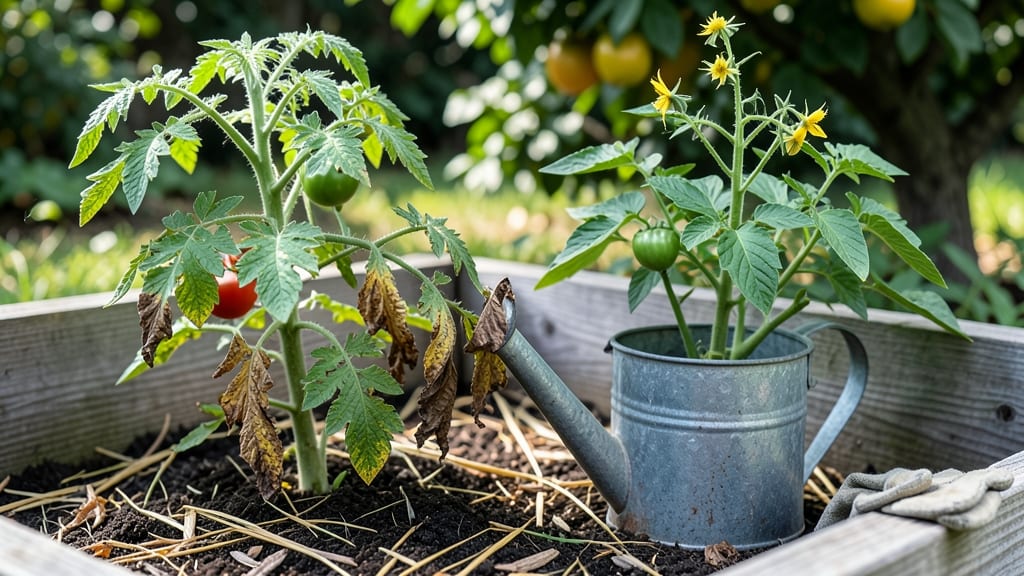
Your tomato plant leaves wilting isn't always a death sentence—it's often a quick-fix problem. 🌱 I've seen wilted plants bounce back in minutes with the right approach, and the key is understanding whether the issue is thirst, stress, or something sneaking under the leaves.
The first step? Check the soil before you panic—dry as dust or soggy as a swamp both spell trouble.
Most wilting starts with water woes: too much or too little. Overwatering drowns roots, while underwatering leaves them grasping for moisture. Then there are pests like spider mites or diseases like early blight, which can sneak in when plants are already stressed.
The good news? Each has a specific solution—whether it's adjusting your watering schedule, pruning affected leaves, or applying a targeted spray.
You'll have your plants perking up in 5 minutes or less with the right diagnosis. Start by feeling the soil—if it's dry an inch down, give it a deep drink. If it's wet, hold off and check for drainage issues.
For pests or disease, isolate the plant and treat it before it spreads. Prevention is easier: mulch to retain moisture, space plants properly, and fertilize evenly.
When in doubt, act fast—wilting leaves can signal bigger problems if ignored. But with this 5-minute fix, you'll catch issues early and keep your tomatoes thriving all season. Here's how to troubleshoot step by step without losing your harvest.
Root Causes Behind Drooping Leaves
Understanding why your tomato plant’s leaves wilt is the first step toward reviving it. Wilting often signals stress, and the culprit can range from environmental factors to underlying health issues. Here’s a breakdown of the most common reasons—each with a scientific twist to help you diagnose the problem accurately.
Tomato plants are 90% water by weight, and even minor imbalances can trigger wilting. The issue isn’t always obvious—overwatering and underwatering both cause similar symptoms but require opposite fixes.
- Underwatering: When soil moisture drops below 30-40%, roots struggle to absorb water, leading to plasmolysis—where plant cells lose turgor pressure and collapse.
Check soil 2 inches deep; if it’s dry, the plant is thirsty. - Overwatering: Excess water displaces oxygen in the soil, suffocating roots and inviting root rot (caused by Phytophthora or Pythium fungi). Roots turn black/mushy, and leaves wilt even when soil is damp.
A moisture meter can confirm if the issue is waterlogging. - Irregular Watering: Tomato plants prefer consistent moisture. Fluctuations cause osmotic stress, where roots can’t keep up with demand. Mulch helps stabilize soil temperature and moisture.
💡 Pro Tip: Water deeply once or twice weekly (depending on climate) rather than shallow daily doses. Early morning is ideal—it reduces evaporation and fungal risks.
Tomatoes thrive in 70–85°F (21–29°C). Heatwaves, frost, or sudden cold snaps disrupt stomatal function (the tiny pores on leaves that regulate gas exchange). When temperatures spike above 90°F (32°C) or drop below 50°F (10°C), wilting becomes inevitable.
- Heat Stress: High temps increase transpiration (water loss) faster than roots can replenish it. Leaves may curl or droop by midday but recover at night. - Cold Stress: Below 50°F (10°C), cell membranes stiffen, and enzyme activity slows, halting nutrient uptake.
Frost damages cells permanently, turning leaves black. - Windburn: Strong winds dry leaves 20% faster, mimicking drought stress. Young plants are especially vulnerable.
🌡️ Fix It: Use shade cloth (30–50%) during heatwaves, row covers for frost protection, and windbreaks (like cornstalks or bamboo screens) to shield plants.
Hidden beneath the soil, root-damaging pests and pathogens can cripple your tomato plant before you notice. Wilting is often the first visible sign of trouble.
| Culprit | Symptoms | How It Spreads |
|---|---|---|
| Root-Knot Nematodes | Gnarled, stunted roots; yellowing leaves | Soilborne; thrives in warm, moist conditions |
| Fungal Root Rot | Mushy, foul-smelling roots; wilting even when watered | Overwatered soil; spreads via contaminated tools |
| Cutworms | Leaves wilt at dawn; stems chewed at soil level | Nocturnal; hides in mulch during the day |
| Aphids/Whiteflies | Sticky residue (honeydew); curled leaves | Feeds on sap; weakens plant defenses |
🔥 Early Action: Pull affected plants, rotate crops annually, and apply neem oil or beneficial nematodes (Steinernema species) to combat pests.
Wilting can also stem from imbalanced nutrition, where roots fail to absorb water efficiently due to mineral imbalances.
- Potassium Deficiency (K): Critical for osmotic regulation—without enough K, cells can’t retain water.
Symptoms: Yellowing leaf edges (scorching) and weak stems. - Magnesium Deficiency (Mg): Causes interveinal chlorosis (yellowing between veins), reducing photosynthesis and leading to wilting. - Salt Buildup: Over-fertilizing or poor-quality water (high sodium) creates osmotic pressure, forcing roots to work harder to absorb water.
Test soil with a TDS meter (ideal: <1,000 ppm).
💪 Boost Growth: Use balanced fertilizer (10-10-10) or compost tea for a slow-release nutrient fix. Avoid synthetic fertilizers if soil pH is off—aim for 6.0–6.8.
Mechanical stress—like overcrowding, compacted soil, or transplant shock—can sever root hairs, disrupting water uptake.
- Root Pruning: Disturbing roots during transplanting (even if done carefully) can take 3–5 days to regenerate. Use root stimulants (like mycorrhizal fungi) to speed recovery. - Compacted Soil: Heavy foot traffic or clay soil restricts root growth.
Dig a 6-inch-deep hole—if roots are circling or stunted, aerate with a garden fork. - Overcrowding: Tomato plants need 18–24 inches of space. Roots compete for nutrients, leading to nutrient starvation and wilting.
✨ Solution: Loosen soil with compost or coconut coir, and prune nearby weeds to reduce competition.
Sometimes wilting is a secondary symptom of a deeper problem.
- Blossom End Rot (BER): Caused by calcium deficiency (not always a soil issue—often due to inconsistent watering).
While it starts as dark spots on fruit, severe cases weaken the plant, causing leaves to wilt. - **Vascular Diseases (e.g., Verticillium or Fusarium Wilt): Fungal pathogens clog xylem vessels, blocking water transport.
Leaves wilt even when soil is moist, and the plant may recover slightly at night. No cure**—remove infected plants immediately.
🔪 Prevent Spread: Sterilize tools with 70% isopropyl alcohol, practice crop rotation, and avoid overhead watering.
Quick fixes for reviving wilted tomatoes
When your tomato plant’s leaves start to droop like a sad balloon 🎈, it’s time to act fast—but don’t panic! The right solution depends on the root cause (pun intended).
Below, we’ve mapped out practical, step-by-step fixes for the most common issues, along with prevention tips to keep your plants perky and productive.
Fix: Let the soil dry out and improve airflow.
- 🔥 Stop Watering Immediately
- Overwatering suffocates roots by cutting off oxygen. Let the top 1–2 inches of soil dry out before watering again.
- 🍳 Check Your Soil
- Stick your finger 2 inches deep. If it’s soggy, your plant is drowning. If it’s bone-dry, you’ve been neglecting it—both are bad!
- 👨🍳 Repot or Loosen Compacted Soil
- If your tomato is in a container, ensure drainage holes are clear. For in-ground plants, gently aerate the soil with a fork to help roots breathe.
- ⏰ Water Deeply, Less Often
- Water only when the topsoil is dry, and do it slowly to encourage deep root growth. Early morning is best to prevent fungal issues.
💡 Prevention Tip:
- Use well-draining potting mix (add perlite or vermiculite) and raised beds if your garden stays wet.
Fix: Shield your plant from extreme conditions.
- 🌡️ Provide Afternoon Shade
- Move potted tomatoes to a shadier spot (like under a patio umbrella) or use shade cloth (30–50%) for in-ground plants during peak sun (11 AM–3 PM).
- 🥗 Mulch to Retain Moisture
- Spread 2–3 inches of straw or wood chips around the base (but not touching the stem) to keep roots cool and hydrated.
- 💦 Mist Leaves (Carefully!)
- Lightly mist leaves in the early morning to combat wilting, but avoid evening misting to prevent disease.
✨ Prevention Tip:
- Hardening off young plants gradually exposes them to sun—skip this, and they’ll fry under sudden heat!
Fix: Identify the culprit and treat it fast.
| Problem | Signs | Solution |
|---|---|---|
| Aphids/Spider Mites | Sticky leaves, tiny webs | Spray with neem oil or soapy water (1 tsp mild soap + 1L water). Repeat every 3 days. |
| Fungal Issues (Blight) | Brown spots, yellowing leaves | Remove affected leaves, space plants for airflow, and spray copper fungicide. |
| Root Rot | Mushy stems, foul-smelling soil | Trim diseased roots, repot in fresh soil, and avoid watering until soil dries. |
🎯 Prevention Tip:
- Rotate crops yearly to prevent soil-borne diseases.
- Companion plant with basil, marigolds, or nasturtiums to repel pests naturally.
Fix: Protect your plant from harsh elements.
- 🏠 Use Windbreaks
- Place a bamboo stake, trellis, or even a cardboard barrier on the windy side of your plant.
- 🔪 Prune Gently
- If leaves are torn, trim them back to reduce stress. Focus on removing only damaged parts—don’t over-prune!
- 🌱 Stake or Cage Early
- Support tall varieties with stakes or cages before they flop. Secure stems loosely with soft ties (like old T-shirts).
💡 Prevention Tip:
- Mulch heavily to anchor roots and reduce wind damage.
Fix: Feed your plant the right nutrients.
- 📊 Test Your Soil
- Use a DIY soil test kit (or send a sample to a local extension office) to check pH and nutrient levels. Tomatoes thrive in pH 6.0–6.8.
- 💪 Fertilize Right
- For wilting from lack of potassium (common in hot weather): Use a banana peel tea (soak peels in water for 24 hours) or a balanced 5-10-10 fertilizer.
- For nitrogen deficiency (yellow lower leaves): Add compost or fish emulsion.
- 🍎 Avoid Over-Fertilizing
- More fertilizer ≠ better. Burnt leaves? You’ve overdone it. Flush the soil with water and wait 2 weeks before reapplying.
✨ Prevention Tip:
- Side-dress with compost every 4–6 weeks instead of relying on synthetic fertilizers.
If nothing works, your roots might be severely damaged. Here’s how to diagnose:
- 🔪 Gently remove the plant from the soil.
- 👀 Inspect roots: - Healthy roots = firm, white. - Rotten roots = mushy, black/brown. - Dry roots = brittle, shriveled.
- 🌱 Repot in fresh soil if roots are salvageable. If not, start over—sometimes a new plant is the fastest fix!
Final Thought: Most wilting is fixable with quick adjustments—just match the symptom to the solution. Act fast, but don’t overreact. Your tomatoes will bounce back with a little TLC! 🍅✨
Frequently asked questions
Why do my tomato plant leaves wilt in the afternoon but perk up at night?
This classic pattern usually means heat stress or transpiration overload. When temperatures exceed 90°F (32°C), your plant loses water faster than roots can absorb it. Provide afternoon shade with shade cloth (30–50%) or move potted plants to a cooler spot. Mulching with straw also helps retain moisture in the soil.
Can I save a tomato plant if the wilting is caused by root rot?
It depends on how severe the damage is. First, gently remove the plant and inspect the roots - if they're mushy, black, and smelly, the rot has progressed too far. For early stages, trim all diseased roots with clean scissors, repot in fresh, sterile soil, and stop watering until the soil dries completely. Add perlite to improve drainage.
What's the fastest way to tell if wilting is from overwatering vs. underwatering?
Do the finger test: stick your index finger 2 inches deep into the soil. If it feels damp, you're overwatering. If it's completely dry, you're underwatering. For overwatered plants, let the soil dry out completely before watering again. For underwatered plants, give them a deep watering until water runs out the drainage holes.
Will pruning wilted leaves help my tomato plant recover?
Yes, but only if you remove only the most severely affected leaves. Pruning helps the plant focus its energy on recovery. Use clean scissors to cut just above a leaf node, and avoid removing more than 25% of the foliage at once. Focus on yellow or brown leaves first, as they're not contributing to photosynthesis.
Can companion plants help prevent wilting in tomatoes?
Planting basil, marigolds, or nasturtiums nearby can help repel pests that stress tomato plants. Basil also improves flavor while deterring whiteflies. For moisture retention, try planting tomatoes with squash or beans - they create living mulch that shades the soil and reduces evaporation.