
Planting
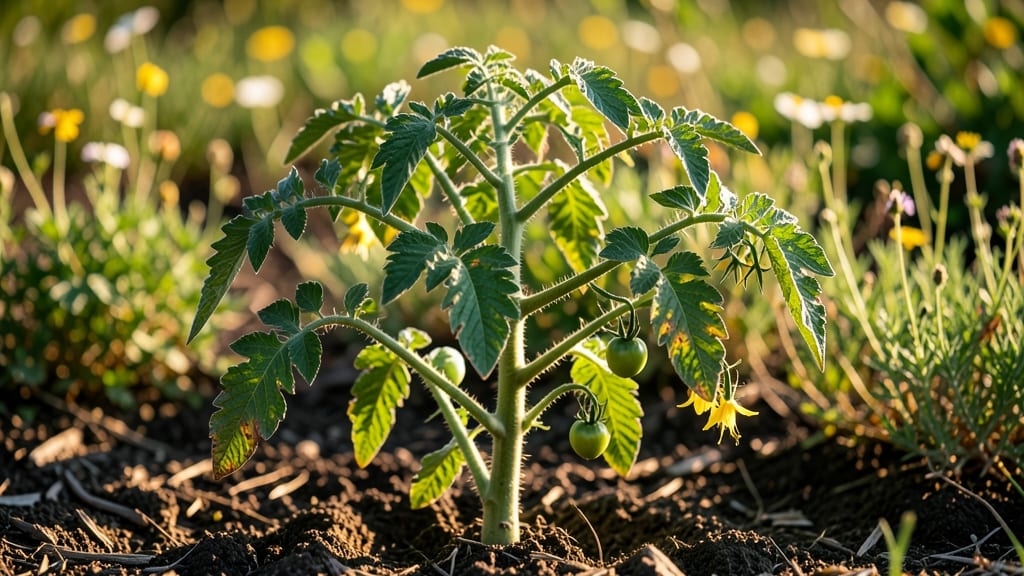
When your tomato plant leaves point up like they're reaching for the sky, your harvest is at risk—unless you fix it fast. 🌱 I’ve seen this happen after heavy rain, over-fertilizing, or even a sneaky pest invasion, and the good news is you can turn things around with just a few targeted fixes.
The most common culprits are too much nitrogen (leaves grow fast but flop), soggy soil (roots can’t anchor), or pests like aphids sucking out plant sap. Check the undersides of leaves for tiny bugs or sticky residue—if you see either, that’s your first clue.
Even a quick inspection can save your plants before the problem spreads. Start by adjusting watering (let the top inch dry between drinks) and hold off on fertilizer for a week. If pests are the issue, a strong spray of water or neem oil usually does the trick.
Within days, those leaves will start standing tall again, and your tomatoes will thank you. This fix works for both container and in-ground plants, and it’s something you can do in under 10 minutes. No fancy tools needed—just your hands and a little observation.
Let’s get those plants back on track!
Root Causes Behind Upright Leaves
When your tomato plant’s leaves start pointing skyward like they’re reaching for the clouds, it’s usually a cry for help from the roots—or the environment around them. Understanding the why behind this odd growth pattern is the first step to reviving your plant.
Below, we break down the most common culprits, backed by science, so you can diagnose the issue and take action.
Tomato plants are thirsty but not drought-tolerant. When they don’t get consistent moisture, their leaves may curl upward as a stress response. Here’s how watering goes wrong:
- Underwatering: Leaves point upward to maximize sunlight exposure and reduce water loss through transpiration. This is a survival tactic, but it stunts growth and weakens the plant.
- Signs: Dry, crispy leaf edges; soil pulling away from pot edges.
- Fix: Water deeply 1–2 inches per week (more in heat). Use your finger to check soil moisture—if the top inch is dry, it’s time to water.
- Overwatering: While less common, soggy roots can’t absorb oxygen, leading to anaerobic stress. The plant may respond by lifting leaves to "breathe" better.
- Signs: Yellowing lower leaves; foul-smelling soil; roots appearing mushy if checked.
- Fix: Let the top 2–3 inches of soil dry out between waterings. Improve drainage with perlite or raised beds.
Tomatoes thrive in warmth (70–85°F), but sudden heatwaves or cold snaps can send leaves into panic mode. Here’s how temperature plays a role:
- Heat Stress: When temps exceed 90°F, leaves may curl upward to reduce surface area and limit water evaporation. This is especially true in determinate varieties, which are more sensitive.
- Signs: Wilting by midday; leaves feel dry or papery.
- Fix: Provide afternoon shade (use shade cloth or a row cover). Mulch heavily to keep roots cool.
- Cold Stress: Temperatures below 50°F can cause leaves to stiffen and point upward as a protective response. Young plants are most vulnerable.
- Signs: Purple-tinged leaves; slow growth; leaves feel rubbery.
- Fix: Use frost blankets at night. Plant in south-facing beds for maximum sun exposure.
Leaves that shoot upward can also signal a deficiency in key nutrients, particularly those critical for cell turgor (rigidity). Here’s what’s missing—and how to fix it:
| Nutrient Deficiency | How It Affects Leaves | Quick Fix |
|---|---|---|
| Potassium (K) | Leaves curl upward and may develop brown edges. Potassium regulates water movement in cells. | Apply a banana peel tea (rich in potassium) or use a balanced fertilizer (e.g., 5-10-10). |
| Nitrogen (N) | Older leaves yellow and point upward as the plant struggles to maintain energy. Nitrogen fuels leaf growth. | Add compost or fish emulsion. Avoid over-fertilizing—too much nitrogen causes lush but weak growth. |
| Calcium (Ca) | New leaves may cup upward or develop blossom-end rot (a related calcium issue). Calcium strengthens cell walls. | Mix in crushed eggshells or lime into the soil. Ensure soil pH is 6.0–6.8 for best absorption. |
Pro Tip: 💡 Test your soil before fertilizing! A simple DIY test kit (vinegar + baking soda) can reveal pH issues. If your soil is alkaline (pH >7), tomatoes struggle to absorb calcium and magnesium.
When roots hit a barrier—whether it’s the bottom of a pot or compacted garden soil—they can’t explore for water and nutrients. The plant responds by stiffening leaves upward to conserve energy.
- Root Bound: In containers, roots circling the bottom restrict growth. Leaves may point upward as the plant "stretches" toward light.
- Fix: Repot into a larger container (5+ gallons for mature plants) or prune circular roots before replanting.
- Compacted Soil: Heavy clay or foot traffic can squeeze oxygen out of soil, suffocating roots. Leaves may lift as the plant gasps for air.
- Fix: Loosen soil with a garden fork in a grid pattern. Add organic matter (compost or coconut coir) to improve aeration.
Key Takeaway: Upright leaves are rarely a death sentence—but they’re a warning sign. Start with water and temperature, then check soil health. Most cases improve within 3–7 days of corrective action!
Fixing Floppy Tomato Leaves Fast
Tomato leaves pointing upward—whether they’re curling, drooping, or standing stiff like little flags—can signal stress, disease, or environmental issues. The good news? Most causes have quick fixes, and with a few adjustments, your plants can bounce back to lush, productive greenery.
Below, we’ll break down cause-specific solutions, step by step, so you can diagnose and treat your tomatoes like a pro.
Signs: Yellowing leaves, soggy soil, or leaves curling upward like they’re reaching for the sky.
How to Fix It: 🍳 Stop Watering Immediately
- Let the top 1–2 inches of soil dry out before watering again. Stick your finger in the soil—if it’s damp past your first knuckle, wait.
👨🍳 Improve Drainage
- If your pots lack drainage holes, transfer your plant to a container with them. For in-ground tomatoes, amend the soil with compost or perlite to loosen it up.
🥘 Repot if Necessary
- If roots are sitting in water (common in heavy clay pots), repot into a well-draining mix with 50% potting soil, 30% perlite, and 20% vermiculite.
💡 Prevention Tip:
- Water deeply but only when the soil is dry. Early morning is best—this gives leaves time to dry before evening humidity sets in.
Signs: Leaves pointing upward, crispy edges, or a "bleached" look on the upper surface.
How to Fix It: 🔪 Provide Shade (Temporarily)
- If temps hit 90°F+ (32°C+), use shade cloth (30–50%) or move potted tomatoes to a spot with afternoon shade.
⏰ Water at the Right Time
- Morning watering (before 10 AM) prevents evaporation and keeps roots cool. Avoid evening watering—it encourages fungal diseases.
🎯 Mulch Like a Pro
- Spread 2–3 inches of straw or wood chips around the base to keep soil moist and cool. This also blocks weeds that compete for water.
✨ Prevention Tip:
- Choose heat-tolerant varieties like ‘Solar Fire’ or ‘Heatmaster’ if you live in a hot climate. Avoid fertilizing during extreme heat—plants focus on survival, not growth.
Signs: Yellow spots with upward-curling leaves, brown/black edges, or white mold on undersides.
How to Fix It: 💡 Remove Affected Leaves
- Snip off yellow or spotted leaves with clean scissors (sterilize with rubbing alcohol). Do not compost them—this spreads spores.
🌿 Boost Airflow
- Prune nearby plants to improve circulation. If growing in containers, space them 18–24 inches apart.
📊 Fungal Sprays (Natural or Chemical)
- Baking soda spray: Mix 1 tsp baking soda + 1 tbsp oil + 1 tsp soap per gallon of water. Spray every 7–10 days.
- Copper fungicide: Follow label instructions for severe cases.
💪 Prevention Tip:
- Water at the base (not overhead) to keep leaves dry. If possible, water in the early morning so foliage dries by nightfall.
Signs: Pale green/yellow leaves (especially older ones), upward curling, or stunted growth.
How to Fix It: 🥗 Test Your Soil
- Grab a DIY soil test kit (or send a sample to your local extension office). Tomatoes love pH 6.0–6.8.
🍎 Feed the Right Way
- Nitrogen deficiency? Use a balanced fertilizer (10-10-10) or compost tea.
- Magnesium deficiency (yellow patches between veins)? Sprinkle Epsom salt (1 tbsp per gallon of water) and water thoroughly.
🔥 Prevention Tip:
- Side-dress with compost or a slow-release fertilizer every 3–4 weeks during the growing season. Avoid over-fertilizing—too much salt can burn roots!
Signs: Tiny webs, speckled leaves, or leaves curling upward like they’re "hugging" the stem.
How to Fix It: 🕷️ Blast Them Off
- Spray with water (strong stream from a hose) to dislodge pests. Repeat every 2–3 days.
🌿 Neem Oil or Insecticidal Soap
- Mix 1 tbsp neem oil + 1 tsp mild soap per quart of water. Spray undersides of leaves where pests hide. Reapply every 5–7 days.
🎯 Encourage Beneficial Bugs
- Plant marigolds or basil nearby to attract ladybugs and lacewings, which eat pests.
✨ Prevention Tip:
- Inspect new plants before bringing them home. Quarantine them for a week to spot hitchhiking pests.
Final Pro Tip: 🌱 Rotate your tomatoes every few days to ensure even sunlight exposure. Uneven light can cause leaves to twist or point upward as they stretch for more rays.
With these fixes, your tomato plants should perk up in 3–7 days (or less for environmental fixes like drainage). Keep an eye on them, and soon you’ll be harvesting juicy, vine-ripened tomatoes instead of puzzled leaf flags! 🍅😉
Frequently asked questions
Why do tomato leaves point up instead of staying flat?
Tomato leaves often point upward when the plant is stressed—whether from water issues, nutrient deficiencies, or environmental factors. This upward curl helps reduce water loss and protect delicate tissues. Check soil moisture first: dry soil causes leaves to lift for sunlight, while soggy soil can suffocate roots, triggering the same response.
Can upward-pointing leaves be fixed without chemicals?
Start with water adjustments: water deeply when the top 1–2 inches of soil are dry, but avoid soggy conditions. For nutrient issues, try compost tea or Epsom salt (for magnesium). If pests are the culprit, a strong water spray or neem oil solution works wonders—no chemicals needed!
Is it too late to save my tomato plant if leaves are already pointing up?
Not at all! Most cases improve within 3–7 days of correcting the issue. Focus on root health first: adjust watering, check for compacted soil, and ensure proper drainage. If leaves are severely curled, trim the worst-affected ones to redirect energy to healthier growth. With quick action, your plant can recover fully.
Will upward-pointing leaves affect my tomato harvest?
Yes, but only if left unchecked. Stressed plants divert energy to survival instead of fruit production, leading to smaller yields or poor-quality tomatoes. Fixing the issue early ensures your plant focuses on growing juicy, flavorful tomatoes instead of struggling to stay upright. Think of it as a wake-up call for your plant!
How can I prevent tomato leaves from pointing up in the future?
Prevention is all about consistency: water deeply but infrequently (let soil dry slightly between waterings), use well-draining soil, and mulch to retain moisture. Monitor for pests weekly and choose disease-resistant varieties. Finally, rotate your plants every few days for even sunlight—uneven light often triggers upward growth.