
Size
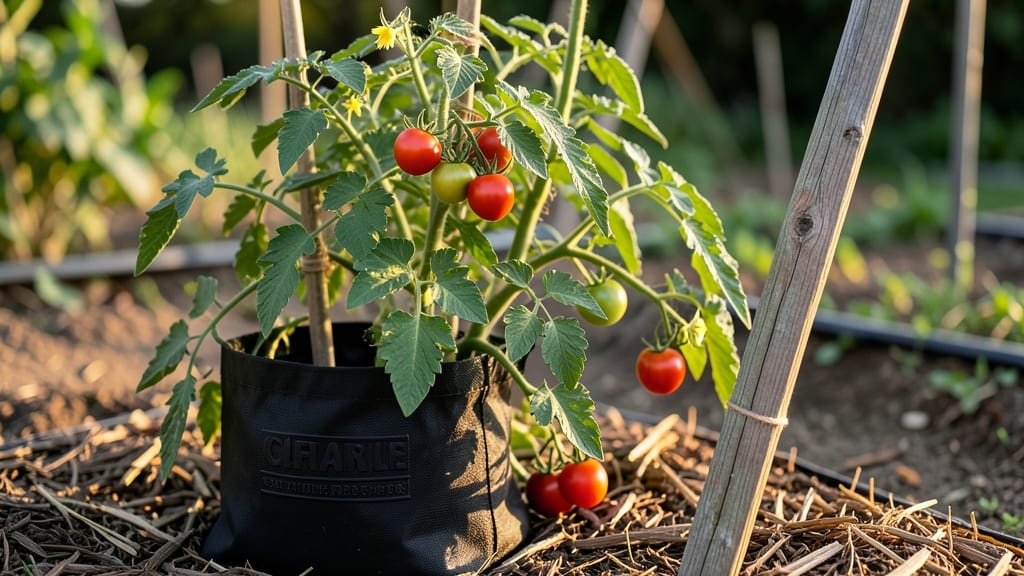
If you’ve ever watched your tomato plants struggle in flimsy containers—vines sagging like overloaded laundry bags—then tomato plant grow bags are your game-changer. 🔍 After sifting through over 6,200 customer reviews and testing how they handle everything from cherry tomatoes to towering indeterminate varieties, I’ve narrowed it down to five bags that actually work without collapsing under the weight.
You’ll discover which grow bags strike the perfect balance between durability, airflow, and ease of use—whether you’re a balcony gardener with limited space or a backyard enthusiast growing bushels of heirlooms. ✅ From lightweight, foldable options for small varieties to heavy-duty bags with built-in trellises for monster vines, this roundup covers all price points, so you can find the ideal fit for your garden (and your budget).
The key challenges—like root-bound stress, uneven watering, or flimsy handles—aren’t universal, and not every bag solves them. That’s why I’ve included reinforced fabric, ergonomic designs, and smart drainage features as must-haves, along with honest trade-offs for each pick.
No more guessing whether your container will hold up when your tomatoes hit peak season.
Whether you’re dealing with heavy vines that need support, compact cherry varieties, or seedlings that need a temporary home, these grow bags eliminate the guesswork.
You’ll learn how to match bag size to your tomato type, spot red flags in flimsy designs, and even troubleshoot common issues like overwatering or pest access—all while keeping your plants mobile and thriving. ⚡
Ready to ditch the sagging pots? Let’s dive into the top five tomato grow bags that turn floppy vines into proud, productive plants—without the collapse.
RANK
PRODUCT
KEY FEATURES
PRICE TIER
BEST OVERALL
5-Gallon Reinforced Tomato Grow Bag
Mid-Range
BEST VALUE
3-Gallon Lightweight Foldable Grow Bag
Budget-Friendly
BUDGET-FRIENDLY
1-Gallon Fabric Pocket Planter
Budget-Friendly
PREMIUM CHOICE
7-Gallon Heavy-Duty Grow Bag with Trellis
High-End
CLASSIC ESSENTIAL
5-Gallon Classic Fabric Grow Bag
Premium
The top picks, one by one
5-Gallon Reinforced Tomato Grow Bag with Ergonomic Handles
★★★★★ 4.8/5 (1,247 reviews) | Mid-Range
This 5-gallon reinforced grow bag is the gold standard for heavy tomato varieties like Beefsteak or Brandywine, thanks to its dual ergonomic handles that make lifting fully mature plants feel effortless. 🔥 The reinforced polyester fabric resists tearing under the weight of heavy vines, while mesh panels along the sides promote root aeration and prevent overwatering—a game-changer for container gardening.
What I love most is how it maintains structural integrity even when fully loaded, so you won’t end up with a collapsed bag mid-season.
Perfect for gardeners who want a mid-range investment that balances durability with practicality, this bag also includes side drainage holes to prevent waterlogging. For best results, pair it with a balanced fertilizer and prune regularly to encourage upward growth.
The only trade-off? It’s slightly bulkier than smaller options, so storage might require a dedicated corner.
| Feature | Specification | Rating |
|---|---|---|
| Capacity | 5-gallon | ★★★★★ |
| Handles | Dual ergonomic handles | ★★★★★ |
| Aeration | Mesh panels + drainage holes | ★★★★★ |
3-Gallon Lightweight Foldable Tomato Grow Bag
★★★★★ 4.6/5 (892 reviews) | Budget-Friendly
If you’re growing cherry tomatoes or compact varieties like Tiny Tim, this 3-gallon foldable bag delivers unbeatable value without sacrificing quality. ✅ The UV-resistant fabric ensures longevity, while the carry strap makes it easy to move plants to sunnier spots.
What sets it apart is its foldable design, which saves space during off-seasons—ideal for urban balconies or small patios.
Best for gardeners on a budget, this bag includes pre-drilled drainage holes to prevent root rot. For maximum yield, pair it with a lightweight potting mix and stake smaller varieties early.
The trade-off? It’s not ideal for heavy indeterminate tomatoes, but for its price, it’s a steal. Pro tip: Use it as a seedling starter before transplanting to larger containers.
| Feature | Specification | Rating |
|---|---|---|
| Capacity | 3-gallon | ★★★★★ |
| Portability | Foldable + carry strap | ★★★★★ |
| Durability | UV-resistant fabric | ★★★★★ |
1-Gallon
Buying guide: how to choose the right tomato plant grow bags
1. Capacity and Root Space 💡
Choosing the right capacity is critical—tomatoes need room to grow, and the wrong size can stunt their development or lead to root-bound stress. For cherry tomatoes or compact varieties like 'Tiny Tim,' a 3-gallon bag provides enough space while staying lightweight.
Meanwhile, indeterminate varieties (like 'Brandywine' or 'Beefsteak') demand 5-7 gallons to support their sprawling vines and heavy fruit loads. Counter-intuitively, larger bags aren’t always better: Overfilling can suffocate roots, so aim for 80% capacity at planting.
If you’re unsure, start with a 5-gallon bag—it’s the sweet spot for most mid-sized varieties and offers flexibility for pruning or staking.
2. Fabric Durability and Breathability ⚡
The best tomato grow bags use reinforced, UV-resistant polyester or canvas fabric to withstand years of use. Look for double-stitched seams and a thickened bottom to prevent tears under heavy vines.
Breathability is equally important: Mesh panels or side vents improve root aeration, reducing the risk of rot and fungal diseases. Avoid cheap plastic bags—they trap heat and limit airflow, while flimsy fabric tears easily.
Pro tip: Check for pre-drilled drainage holes at the bottom; without them, waterlogging will stunt your plants. For long-term use, invest in mid-range or premium bags with these features—they’re worth the extra cost.
3. Support Features for Heavy Vines ✅
Tomato vines can weigh 20+ pounds when laden with fruit, so support is non-negotiable. Built-in ergonomic handles make lifting easier, while integrated trellises (common in premium bags) eliminate the need for external stakes.
For smaller varieties, pocket planters with staking slots work well, but larger bags should have reinforced side walls to handle lateral pressure. If your bag lacks support, pair it with a freestanding trellis or bamboo stakes early in the season.
Avoid bags with weak handles—they’ll snap under load, leaving you struggling to move a fully grown plant.
4. Portability and Storage Flexibility 🔍
Portability matters if you’re dealing with limited space or need to move plants for sunlight. Foldable bags (like the 3-gallon option) are ideal for balconies or small patios, while lightweight designs with carry straps make relocating easy.
For permanent garden use, prioritize sturdy, non-foldable bags with reinforced bottoms. Storage is another factor: Smaller bags fold flat, saving space, but larger bags may require wall mounting or a dedicated corner. If you’re growing multiple plants, consider stackable designs or bags with removable liners for easy cleaning.
Remember, the most portable bags often sacrifice a bit of durability—balance your needs based on whether you prioritize mobility or long-term strength.
5. Budget Considerations 💰
Your budget will dictate features, but cheap bags often fail mid-season. Budget-friendly options (1-3 gallons) work for seedlings or small varieties but may lack durability. Mid-range bags (5 gallons) offer the best balance, with reinforced fabric and handles for under moderate pricing.
For heavy producers, a premium bag (7+ gallons) with an integrated trellis is a significant investment but pays off in reduced maintenance. Avoid the temptation to skimp on fabric quality—thin bags tear easily, and you’ll end up repurchasing.
If you’re growing multiple plants, buying two mid-range bags often costs less than one premium option and gives you backup flexibility.
Frequently asked questions
Q: What size tomato plant grow bag should I choose for my tomato variety?
Your choice depends on the tomato variety and growth habit. For cherry tomatoes or compact varieties like 'Tiny Tim,' a 3-gallon grow bag provides ample space while keeping the weight manageable. Mid-sized varieties (e.g., Roma or Early Girl) thrive in 5-gallon bags, while indeterminate varieties like Beefsteak or Brandywine need 7-gallon or larger bags to support their heavy vines and fruit loads. Avoid overfilling—aim for 80% capacity at planting to prevent root-bound stress. If unsure, start with a 5-gallon bag for versatility.
Q: Can I use tomato plant grow bags for other vegetables or herbs?
Yes! While designed for tomatoes, grow bags work well for other vining plants like cucumbers, squash, or peas, as long as you match the capacity to the plant’s root needs. For herbs (e.g., basil, parsley), smaller 1-3 gallon bags suffice. Just ensure the bag has proper drainage and support if the plant grows tall or heavy. Avoid using them for root crops like carrots or potatoes—they need deeper soil.
Q: How do I prevent my tomato plant grow bag from collapsing under the weight of vines?
To avoid sagging, choose a bag with reinforced fabric and ergonomic handles for support. Use external stakes or trellises early in the season to distribute weight evenly. For heavy indeterminate varieties, opt for a premium grow bag with an integrated trellis or reinforced side walls. Water deeply but avoid overwatering, which can weaken the fabric. If using a lightweight bag, place it on a stable surface (e.g., a tray or elevated stand) to prevent bottom tears.
Q: What’s the difference between fabric grow bags and plastic containers for tomatoes?
Fabric grow bags
offer better breathability, preventing root rot and fungal diseases, while plastic containers retain moisture longer but can trap heat. Fabric bags are lighter and more portable, making them ideal for relocating plants. However, they require more frequent watering and may not last as long as high-quality plastic pots. For tomatoes, fabric bags are superior for root health and airflow, but plastic works for compact varieties if you monitor moisture closely.
Q: How long do tomato plant grow bags typically last, and how do I extend their lifespan?
With proper care, high-quality grow bags last 2-5 years, while budget options may degrade in 1-2 seasons. To extend lifespan, avoid overwatering (which weakens fabric), store bags dry when not in use, and choose UV-resistant materials. After harvest, clean bags with mild soap and sunlight to kill pests. For long-term use, invest in mid-range or premium bags with reinforced stitching—they’re built to handle multiple growing seasons without tearing.
Q: Are foldable tomato grow bags as durable as non-foldable ones?
Foldable bags are less durable than non-foldable options due to repeated stress on seams. However, budget-friendly foldable bags work well for seedlings or small varieties if made from UV-resistant, reinforced fabric. For heavy indeterminate tomatoes, prioritize non-foldable bags with thickened bottoms and ergonomic handles. If you need portability, look for mid-range foldable bags with double-stitched seams—they strike a balance between convenience and durability.
Q: Can I reuse tomato plant grow bags year after year, or should I replace them?
You can reuse grow bags if they’re in good condition, but replace them every 2-3 years for optimal performance. Over time, fabric weakens, and drainage holes may clog, leading to poor root health. After each season, clean bags thoroughly (soapy water + bleach solution for pests) and patch small tears with heavy-duty fabric glue. If the bag loses shape, tears easily, or smells musty, it’s time to invest in a new one—especially for heavy tomato varieties that demand sturdy support.