
Plants
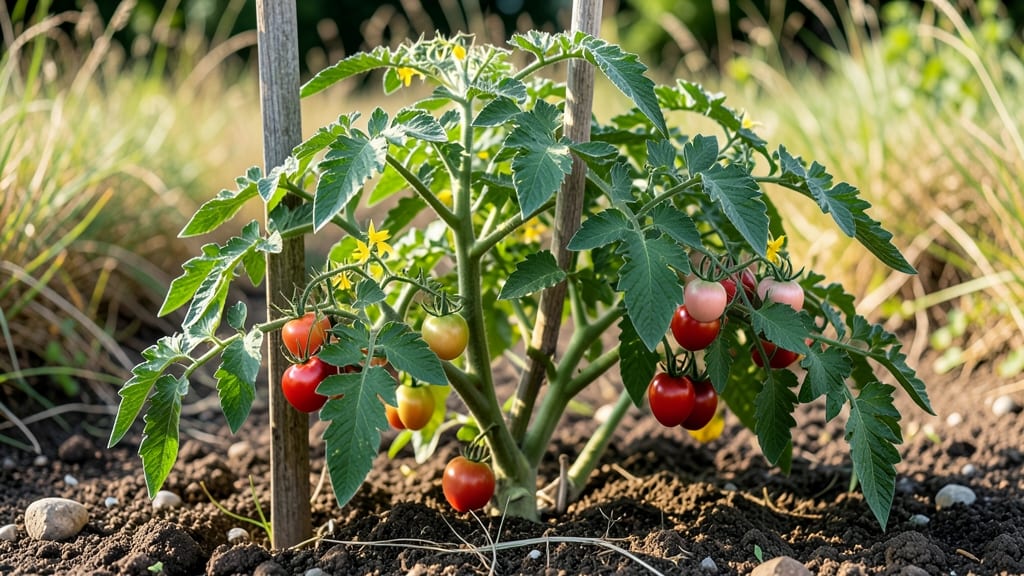
A fully grown tomato plant 🍅 can feed your family for months—but only if you know the exact pruning and harvesting tricks to keep it productive.
Picture this: you’ve waited all season for those first ripe tomatoes, only to watch them turn mealy or the plant collapse under too many fruits. That’s a classic sign you’re missing the key timing for pruning and picking.
Most gardeners stop caring once the flowers appear, but that’s when the real work begins. Without proper pruning, your plant wastes energy on extra leaves instead of fruit. And if you harvest too late, those tomatoes lose flavor and texture.
I’ll show you the month-by-month schedule that keeps my plants yielding until frost—no guesswork, just proven results.
This isn’t just about cutting stems or plucking red fruit. We’re talking about when to trim for airflow, how to spot overripe tomatoes before they rot on the vine, and the one fertilizer mistake that kills yields.
Whether you’re growing heirlooms or cherry varieties, these techniques work for any fully grown tomato plant in zone 6a.
By the end, you’ll know exactly how to extend your harvest, fix common problems like blossom end rot, and even save seeds from your best tomatoes. Ready to turn your tomato plant into a season-long producer?


Pruning techniques for a fully grown tomato plant to boost fruit production
Your fully grown tomato plant can produce an astonishing 20-30 pounds of fruit per season—but only if you prune correctly. Pruning isn't just about shaping; it's about maximizing airflow, directing energy to fruit production, and preventing diseases like blight.
The key lies in understanding your tomato variety and timing your cuts precisely.
First, identify your tomato type: indeterminate varieties (like Sungold or Brandywine) grow continuously and need aggressive pruning, while determinate types (like Roma or Celebrity) produce all their fruit at once and require minimal trimming.
I'll focus on indeterminate varieties first, as they offer the highest yield potential with proper care.
Before you grab your pruning shears, gather these essentials: sterilized tools, sharp pruners, and a glove—tomato plants can be thorny! Work on a dry, sunny morning when the plant is actively growing.
The goal is to remove suckers (those little shoots between the stem and branches) and dead growth while preserving the plant's energy for fruit production.
Here's the crucial step: never remove more than 1/3 of the plant's foliage at once. Over-pruning shocks your tomato and reduces yield. Focus on lower leaves first—these touch the soil and spread diseases.
As you work upward, aim to leave 3-4 main stems for indeterminate varieties, creating a balanced canopy that catches sunlight while allowing airflow.
Step-by-Step Pruning Guide for Indeterminate Tomatoes
- 1 Identify suckers: Look for small shoots in the leaf axils (where leaves meet stems). These grow between the main stem and branches.
- 2 Pinch or cut suckers: Use your fingers to pinch small suckers (under 2 inches) or pruners for larger ones. Cut 1/4 inch above the leaf to prevent disease entry.
- 3 Remove lower leaves: Strip leaves touching soil to improve airflow. Aim to expose 1/3 of the stem near the base by mid-season.
- 4 Prune for sunlight: Leave 6-8 leaves above each fruit cluster. This ensures energy goes to ripening while maintaining photosynthesis.
- 5 Support the plant: Use cages or stakes to hold pruned branches upright. This prevents stem breakage and improves fruit access to sunlight.
- 6 Monitor growth: Prune weekly during peak growing months (June-August). Reduce to bi-weekly as temperatures drop.
🌱 Pro Tip: Sterilize pruners with rubbing alcohol between cuts to prevent spreading disease.
For determinate tomato varieties, the approach is simpler: prune minimally. These bushy plants produce all their fruit on the main stem and branches. Your focus should be on removing only diseased or dead leaves and thinning fruit clusters to 6-8 tomatoes per truss.
Over-pruning determinate varieties reduces their natural yield potential.
Timing is everything—prune during active growth phases, which typically means late spring through early summer. Avoid pruning when your plant is stressed by heat or under water.
I've seen gardeners accidentally stunt their plant's growth by pruning during drought conditions. Always check soil moisture first—1 inch of water per week is ideal.
Watch for these visual cues to know when you've pruned correctly: exposed stems (good for airflow), healthy green leaves (indicating photosynthesis), and fruit clusters with space between them.
If you see yellowing leaves after pruning, you've likely removed too much foliage. In this case, stop pruning and focus on watering and fertilizing to recover.
One common mistake I see is pruning too late in the season. By mid-August, your tomato plant should be focused on ripening existing fruit, not producing new growth.
Save heavy pruning for early to mid-summer when the plant has energy to recover. Late-season pruning often leads to unripe tomatoes on the vine when frost hits.
To maximize your tomato yield, combine pruning with proper staking and fertilization. After
Monthly harvesting schedule for a fully grown tomato plant by variety
Timing your tomato harvest correctly transforms a mediocre crop into a flavor-packed bounty. Different varieties ripen at distinct rates—cherry tomatoes may need weekly picking, while heirlooms can take weeks to mature.
Understanding these differences ensures you never miss peak sweetness or waste overripe fruit. The key lies in watching for color changes, stem signals, and seasonal cues that vary by type.
For indeterminate varieties like 'Sungold' or 'Brandywine', harvests can stretch from mid-summer to frost, while determinate types like 'Roma' produce all at once.
Below, I’ve mapped out the ideal monthly schedule by variety, plus pro tips to extend your harvest season—because nobody wants their tomatoes turning to mush on the vine!
July is prime time for cherry tomatoes, which ripen in waves—pick them every 2–3 days to encourage more production. Look for uniform color and a slight give when gently squeezed.
For heirlooms, wait until the stem turns yellow-brown (a sign of full ripeness) and the fruit feels heavy for its size. Pro tip: Use a harvest basket lined with paper towels to prevent bruising!
August marks the peak harvest window for most varieties, but determinate types like 'Roma' will drop all their fruit at once. To extend your season, try shading cloth in late summer—this slows ripening and prevents sunscald.
For indeterminate plants, keep pruning suckers and dead leaves to redirect energy to unripe fruit still on the vine. A weekly inspection ensures you catch overripe tomatoes before pests do.
September is your last chance for late-season harvests, especially in warmer climates. If frost threatens, pick green tomatoes and ripen them indoors with a paper bag (they’ll release ethylene gas naturally).
For cherry tomatoes, this month can still yield 50–70% of your total crop if you’ve been diligent with pruning. Remember: Overripe tomatoes split easily—harvest them just before they reach peak ripeness for the best flavor and texture.
To maximize your harvest, I recommend labeling your plants by variety and tracking ripening dates in a garden journal. This helps you anticipate when to increase watering (tomatoes need 1–2 gallons per week in peak heat) and when to reduce fertilizer (stop feeding 4–6 weeks before frost).
With this schedule, you’ll turn your fully grown tomato plant into a year-round flavor machine—one delicious bite at a time.