
Vegetables
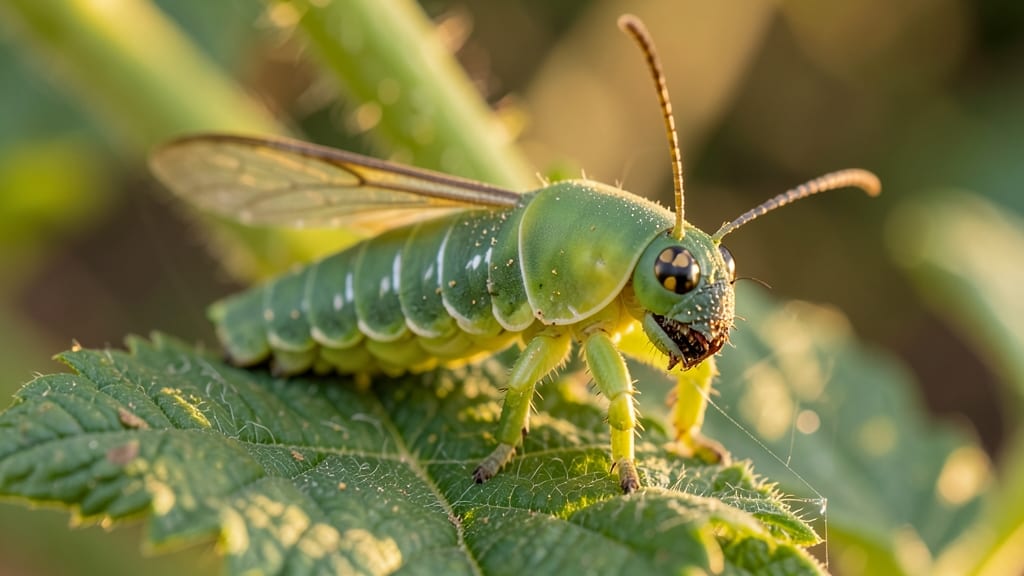
Tomato insect pests turn your hard work into a buffet—unless you outsmart them first. 🌱 I’ve lost entire plants to ravenous hornworms and aphid swarms, but these natural barriers keep my tomatoes thriving without harsh chemicals.
The key? Spotting the invaders early and using simple, garden-friendly tricks that work faster than store-bought sprays.
Most pests target stressed plants, so healthy soil and proper watering cut their appeal in half. But when they strike, neem oil sprays and row covers become your secret weapons.
Aphids? Blast them off with water. Hornworms? Handpick them (yes, it’s weirdly satisfying). The goal isn’t perfection—it’s minimizing damage while keeping your garden ecosystem balanced.
By mid-summer, your tomatoes will be bigger, healthier, and pest-free—no chemical residue, no guesswork. You’ll spot the first signs of trouble (chewed leaves, sticky residue) before they become a full-blown crisis. And the best part? These methods work for all tomato varieties, from heirlooms to cherry types.
No more helplessly watching your plants get stripped bare. This is how you regain control—naturally, effectively, and without breaking the bank. Let’s get those tomatoes protected!
Root Causes Of Tomato Attacks
Tomatoes are a magnet for insect pests, but their invasions aren’t random—they’re driven by specific ecological and environmental triggers. Understanding these root causes helps gardeners and farmers take targeted action. Below, we break down the why behind the chaos, so you can outsmart these tiny troublemakers.
When tomato plants grow too close together, their leaves brush against each other, creating a damp, shaded microclimate. This environment is a buffet for pests like aphids, whiteflies, and spider mites, which thrive in humidity and low light.
Poor airflow also slows drying after watering, leaving surfaces sticky—a perfect landing spot for flying insects.
Why it matters:
- Fungal spores (like early blight) spread faster in crowded plants, weakening defenses and making them more vulnerable to pests.
- Pests like hornworms hide in dense foliage, feasting undetected until the damage is severe.
- Root competition stresses plants, reducing their ability to produce natural pest-repelling compounds (e.g., alpha-tomatine, a toxin in tomato leaves).
Actionable fix: Space plants 18–24 inches apart (or use trellises for vertical growth) to improve airflow. Prune lower leaves to keep the canopy open.
Tomatoes are thirsty but hate soggy feet. Overwatering or inconsistent moisture creates stress, making plants more attractive to pests like fruitworms and stink bugs. Here’s how watering goes wrong:
| Issue | Pest Attraction |
|---|---|
| Overwatering (damp soil + wet foliage) | Fungus gnats, aphids, and whiteflies breed in moist soil and cling to damp leaves. |
| Underwatering (wilting, crispy leaves) | Spider mites and thrips flock to stressed plants with reduced natural defenses. |
| Splashing water (from overhead sprinklers) | Spreads eggs of pests like hornworms and colorado potato beetles from soil to leaves. |
Why it matters: Stressed plants produce less volatile organic compounds (VOCs), like β-caryophyllene, which normally repel pests. They also become more nutritious to herbivores (yes, pests prefer stressed tomatoes!).
Actionable fix:
- Water at the base (drip irrigation or soaker hoses) in the morning to allow foliage to dry.
- Use mulch (straw or grass clippings) to retain moisture without drowning roots.
- Monitor soil moisture with a moisture meter—aim for consistently damp, not soggy.
Tomatoes need a balanced diet of nitrogen (N), phosphorus (P), and potassium (K) to build resilience. When one nutrient is missing or overabundant, pests exploit the weakness:
- Too much nitrogen (N) → Soft, lush growth that attracts aphids and whiteflies (they love tender, nitrogen-rich leaves).
- Low potassium (K) → Weak cell walls make plants more susceptible to fruitworms and stink bugs.
- Zinc or magnesium deficiency → Yellowing leaves (chlorosis) reduce the plant’s ability to produce alkaloids, natural pest deterrents.
Why it matters: Healthy tomatoes produce trichomes (tiny hair-like structures on leaves) that trap pests like spider mites. Nutrient deficiencies stunt trichome growth, leaving plants defenseless.
Actionable fix:
- Test soil annually and amend with compost or a balanced fertilizer (e.g., 5-5-5 NPK).
- Avoid synthetic nitrogen spikes—opt for slow-release organic sources like fish emulsion or alfalfa meal.
- Add potassium-rich amendments like wood ash or banana peel tea to boost defenses.
Pests don’t attack randomly—they follow the calendar and weather patterns. Here’s how seasons and climate set the stage:
| Season/Climate Factor | Pest Response |
|---|---|
| Warm, humid summers | Aphids, whiteflies, and tomato fruitworms multiply rapidly (generation time drops to 7–10 days). |
| Dry, hot spells | Spider mites and thrips thrive in low humidity (they dry out without moisture). |
| Cool nights + warm days | Encourages hornworm and stink bug activity (they prefer temperature swings). |
| Rainy seasons | Fungal pests like early blight weaken plants, making them easier targets for fruitworms. |
Why it matters: Pests are cold-blooded—their activity spikes when tomato plants are in peak growth (flowering/fruiting stages). For example, hornworms time their hatch with tomato blossoms because the sugar-rich nectar attracts their predators, making it safer for them to feed.
Actionable fix:
- Use row covers in early spring to block migrating pests like colorado potato beetles.
- Plant trap crops (e.g., basil or marigolds) to distract pests from your tomatoes.
- Monitor degree-day models (e.g., for hornworms) to predict outbreaks and act early.
By addressing these root causes, you’re not just treating symptoms—you’re disrupting the pest lifecycle before it starts. Next, we’ll explore natural barriers that turn your tomato patch into a pest-proof fortress. 🚀
Natural Fixes for Tomato Garden Troubles
Tomatoes are a gardener’s pride, but insect pests can turn your lush plants into a buffet—fast! 🍅🚫🐛 The good news? You don’t need harsh chemicals to outsmart these critters. Below are practical, nature-backed solutions tailored to the most common tomato invaders, along with prevention tips to keep your plants thriving.
Cause: These striped caterpillars devour leaves overnight, leaving behind skeletonized foliage. Fix:
- Handpick & Relocate 👨🍳
- Check plants early in the morning or evening when hornworms are sluggish.
- Drop them into a bucket of soapy water (they’ll drown instantly) or relocate them far from your garden.
- Encourage Predators 🦋
- Ladybugs, lacewings, and parasitic wasps love hornworms. Plant dill, fennel, or marigolds nearby to attract them.
- Neem Oil Spray 🌿
- Mix 1 tsp neem oil + 1 tsp mild soap + 1 quart water, spray on leaves (avoid flowers to protect pollinators). Reapply every 5–7 days.
Prevention Tip: 💡 Plant basil near tomatoes—its scent repels hornworms while enhancing tomato flavor!
Cause: These tiny green/black bugs cluster on new growth, excreting honeydew that attracts mold. Fix:
- Blast Them Off 💦
- Use a strong stream of water from a hose to dislodge aphids (do this in the morning so leaves dry quickly).
- Homemade Soap Spray 🧼
- Combine 1 tbsp castile soap + 1 quart water, spray directly on infestations. Repeat every 3–4 days.
- Introduce Ladybugs 🐞
- Buy ladybugs online or attract them with companion plants like alyssum or yarrow.
Prevention Tip: 🌡️ Avoid over-fertilizing with nitrogen—aphids thrive on tender, fast-growing plants.
Cause: These microscopic pests spin webs on undersides of leaves, causing yellowing and stippling. Fix:
- Spray with Water 💧
- Increase humidity by misting plants daily (mites hate moisture).
- Neem Oil or Horticultural Oil 🌿
- Apply neem oil mix (as above) or horticultural oil (follow label instructions) to smother mites.
- Release Predatory Mites 🕷️
- Phytoseiulus persimilis (a beneficial mite) can be ordered online to hunt spider mites naturally.
Prevention Tip: ✨ Install a fine mesh row cover early in the season to block mites before they arrive.
Cause: These white, moth-like insects cluster on leaf undersides, leaving sticky residue and weakening plants. Fix:
- Sticky Traps 🕸️
- Hang yellow sticky traps near plants to catch adults.
- Insecticidal Soap 🧴
- Use a higher concentration (2 tbsp soap per quart water) and spray undersides of leaves thoroughly.
- Kaolin Clay Barrier 🏗️
- Mix 1 cup kaolin clay + 1 gallon water, spray on leaves to create a protective film that repels whiteflies.
Prevention Tip: 🎯 Remove infected leaves immediately to stop the cycle.
Cause: These orange-and-black beetles (and their larvae) defoliate plants rapidly. Fix: - Handpick Larvae & Beetles 🔪 - Check plants daily, especially in the morning.
Drop them into soapy water or a bucket of soapy water + dish soap. - Row Covers 🏞️ - Use floating row covers early in the season to block adults from laying eggs. - Diatomaceous Earth 🌊 - Sprinkle food-grade DE around plant bases (reapply after rain).
It dehydrates beetles but is safe for plants.
Prevention Tip: ⏰ Rotate crops—don’t plant tomatoes or potatoes in the same spot yearly to break their life cycle.
- Healthy Soil = Strong Plants 💪
- Amend soil with compost and worm castings to boost plant resilience.
- Companion Planting 🌿
- Pair tomatoes with basil, garlic, onions, or marigolds to confuse pests.
- Crop Rotation 🔄
- Avoid planting tomatoes in the same spot for 3+ years to disrupt pest life cycles.
- Early Morning Care ⏰
- Inspect plants before 9 AM when pests are least active—easier to spot and remove!
Pro Tip: 💡 Interplant with herbs like thyme or oregano—their strong scents mask tomato odors that attract pests.
By combining quick fixes with long-term prevention, you’ll keep your tomato plants thriving—without chemicals! 🍅🌟
Frequently asked questions
How do I tell if my tomato plants have pests before the damage is severe?
Check the undersides of leaves daily for tiny eggs or webbing (signs of spider mites or whiteflies). Look for chewed edges or holes in leaves (hornworms) and sticky residue (aphid honeydew). Early signs include yellowing leaves or wilting—these often mean pests are already feeding.
Can I use coffee grounds to repel tomato pests naturally?
Yes! Sprinkle used coffee grounds around the base of plants—the caffeine acts as a mild repellent for slugs, aphids, and some beetles. Mix with soil to deter fruitworms and improve soil health. Reapply every 2-3 weeks or after rain.
What’s the fastest way to stop a hornworm outbreak without chemicals?
Handpick them at dawn or dusk when they’re slowest, then drop them in soapy water. Plant dill or fennel nearby to attract parasitic wasps (their natural predators). For immediate relief, spray with neem oil (1 tsp + 1 tsp soap per quart of water).
Will row covers work for all tomato pests?
Row covers block flying pests like whiteflies, aphids, and Colorado potato beetles but won’t stop crawling pests (e.g., cutworms) or those that chew through fabric (hornworms). Use them early in the season, then remove when flowers appear to allow pollination.
How often should I inspect my tomato plants for pests?
Check plants every 2-3 days during peak growing season (May–September). Focus on new growth, leaf undersides, and fruit clusters—these are pest hotspots. Early morning inspections work best when pests are sluggish.