
Vegetables
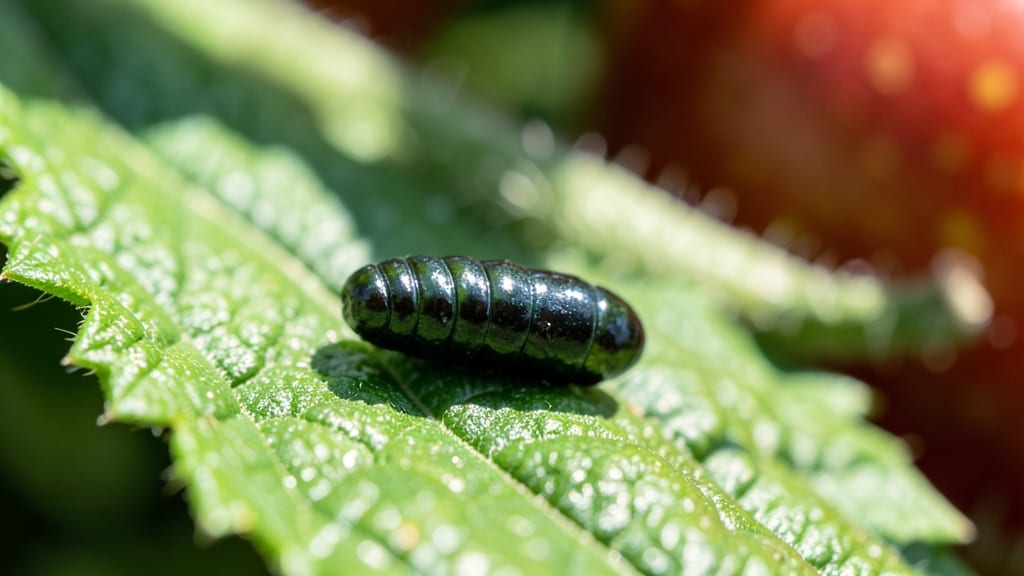
Spotting tiny black tomato hornworm feces on your tomato leaves? That’s your first warning these hungry caterpillars are devouring your plants. 🌱 I’ve dealt with them every summer—left unchecked, they’ll strip your tomatoes in days, leaving you with sad, skeletonized leaves and fewer fruits.
The good news? You can stop them fast with organic methods that work without harsh chemicals.
Hornworms thrive in lush tomato plants, and their droppings are a dead giveaway—they’re dark, cylindrical, and often found clustered near feeding sites. The real damage comes when you ignore the signs: fewer flowers, stunted growth, and plants that struggle to produce.
But here’s the thing—these caterpillars are also a food source for birds, wasps, and parasitic flies, so the solution isn’t just about killing them but balancing the ecosystem.
Start by handpicking the worms (yes, it’s gross but effective) and dropping them in soapy water. Then, invite their natural predators—ladybugs, lacewings, and braconid wasps—by planting pollinator-friendly flowers nearby.
A neem oil spray or Bt (Bacillus thuringiensis) application also works well, targeting only the caterpillars while keeping your plants—and the environment—safe.
Prevention is key: rotate crops, remove debris where hornworms hide, and keep your garden healthy with balanced fertilization. With these steps, you’ll protect your harvest without relying on toxic sprays. Let’s get those tomatoes thriving again!
The Hidden Culprits Behind Droppings
Those tiny black specks on your tomato leaves aren’t just unsightly—they’re a clear sign that Manduca sexta, the infamous tomato hornworm, has taken up residence in your garden. Understanding why these pests leave behind their fecal deposits is key to stopping their damage before it ruins your harvest.
Let’s break down the science behind their behavior and why it’s happening in your garden.
Tomato hornworms thrive when their natural predators—like parasitic wasps (e.g., Cotesia congregata) and ladybugs—are scarce. Without these checks and balances, hornworm populations explode, leading to a surge in droppings. Here’s why:
- Lack of biodiversity: Monoculture gardens (e.g., rows of only tomatoes) attract hornworms but starve out their predators, creating a feast-or-famine scenario for the caterpillars.
- Pesticide overuse: Broad-spectrum insecticides kill both pests and beneficial insects, leaving hornworms unchallenged. Even "organic" sprays can disrupt ecosystems if misapplied.
- Seasonal spikes: Hornworms peak in late spring to summer when tomato plants are lush. If your garden is a buffet, expect droppings to multiply like wildfire.
Actionable fix: Introduce predator-friendly plants (e.g., dill, fennel, or basil) near your tomatoes to lure wasps and lacewings. Avoid spraying during peak predator activity (dawn/dusk).
Hornworms don’t just eat—they consume aggressively when plants are stressed. Their droppings become more frequent and voluminous under these conditions:
| Stressor | Why It Triggers More Droppings | Solution |
|---|---|---|
| Drought | Water-stressed plants have lower tannins (a natural deterrent), making them easier prey—and more appealing to hornworms. | Deep water 1–2x/week (1–1.5 inches per week) and mulch to retain moisture. |
| Nutrient deficiencies | Plants low in nitrogen or potassium are softer targets. Hornworms detect these weaknesses and go on a feeding binge. | Side-dress with compost or a balanced organic fertilizer (e.g., 5-5-5) at planting and mid-season. |
| Over-fertilization | Too much nitrogen = fast growth = tender leaves = a hornworm’s dream. Their metabolism speeds up, increasing waste output. | Test soil annually and avoid "quick-fix" synthetic fertilizers. |
Pro tip: 🌡️ Monitor plant health with the "finger test"—press a leaf gently. If it springs back slowly, it’s stressed and vulnerable.
Not all tomatoes are equal in the eyes of a hornworm. These caterpillars have a sweet tooth for specific varieties, leading to targeted defoliation and droppings:
- Heirloom tomatoes: Varieties like Brandywine or Cherokee Purple are high in sugars, making them irresistible. Their large leaves provide ample surface area for droppings.
- Indeterminate types: Vining plants (e.g., Sungold) offer continuous new growth, giving hornworms a never-ending snack bar.
- Young, tender growth: New leaves and fruit are protein-rich, triggering hornworms to deposit more waste as they digest rapidly.
Actionable fix: 🎯 Plant hornworm-resistant hybrids like Mountain Merit or Defiant PhR (phytophthora-resistant lines often deter pests too). Interplant with marigolds or nasturtiums to mask tomato scents.
Weather and microclimates play a surprising role in hornworm behavior. Droppings spike when:
- Humidity is high: Moist conditions help hornworm eggs hatch faster and keep caterpillars hydrated, boosting their appetite and waste production.
- Temperatures are warm (70–85°F): Hornworms are cold-blooded—they eat more in heat, leading to larger, more frequent droppings.
- Rain washes away natural defenses: Heavy rains strip away beneficial microbes and fungal spores that might otherwise deter hornworms.
Pro tip: 💡 Use row covers (fine mesh) over young plants to block egg-laying moths during peak humidity periods (late spring).
How to Fix Pests in Your Garden
Discovering green, pellet-like droppings near your tomato plants isn’t just unsightly—it’s a clear sign tomato hornworms are munching away at your hard-earned harvest. The good news? With a few targeted, organic strategies, you can reclaim control of your garden without harsh chemicals.
Below, we’ll break down the most effective solutions, mapped directly to the root causes of your problem, plus proactive tips to keep hornworms at bay for good.
If you’ve spotted the droppings, chances are the hornworms are already feasting on your plants. Act quickly—these caterpillars can devour a tomato plant in days!
- 👨🍳 Hunt at dawn or dusk when hornworms are most active and less likely to hide.
- 🔪 Use gloves or tongs to pluck them off plants and drop them into soapy water (a humane way to dispose of them).
- 🌿 Check undersides of leaves—hornworms blend in like camouflage masters!
Pro tip: 💡 If you’re squeamish about handling them, wear long sleeves and use a flashlight to spot them easier in low light.
Nature’s pest control is the most sustainable way to manage hornworm populations. These predators will eat the hornworms before they damage your plants:
| Predator | How to Attract Them |
|---|---|
| 🐞 Parasitic Wasps (Braconid Wasps) | Plant dill, fennel, or parsley nearby—they love these herbs and will lay eggs in hornworms. |
| 🐸 Frogs & Toads | Create a shallow water source (like a saucer with pebbles) to encourage them to stick around. |
| 🦋 Lacewings & Ladybugs | Buy beneficial insect eggs online or plant marigolds, yarrow, or cosmos to attract them. |
Pro tip: 🌡️ Avoid pesticides—even organic ones—since they can kill these helpful predators too!
If manual removal isn’t enough, create a hostile environment for hornworms with these plant-based deterrents:
- 🌿 Spray with Neem Oil
- Mix 1 tsp neem oil + 1 tsp mild soap + 1 quart water in a spray bottle.
- Coat leaves thoroughly (especially undersides) every 3–5 days.
- Why it works: Disrupts their feeding and growth.
- 🧄 Crushed Garlic or Chili Spray
- Blend 3 garlic cloves + 1 tbsp cayenne pepper + 1 quart water. Strain and spray.
- Reapply after rain or every 5 days.
- 🌱 Plant Companion Crops
- Hornworms hate basil, thyme, and oregano. Interplant these near tomatoes.
- Bonus: They’ll improve your tomatoes’ flavor too!
Pro tip: ✨ For extra protection, cover young tomato plants with lightweight row fabric until they’re established (hornworms can’t chew through it).
The best way to deal with tomato hornworm feces? Stop them before they start. Here’s how:
- 🌱 Rotate Crops
- Avoid planting tomatoes (or related plants like peppers/eggplants) in the same spot yearly. Hornworms overwinter in the soil!
- 🌿 Keep Your Garden Healthy
- Strong, well-watered plants are less appealing to pests. Mulch with straw to retain moisture.
- 🕵️♂️ Monitor Eggs Early
- Check the undersides of leaves for tiny, greenish eggs (laid in clusters). Squish them with your fingers or wipe them off with a damp cloth.
- 🌙 Use Yellow Sticky Traps
- Hang yellow cards coated in petroleum jelly near plants to catch adult moths before they lay eggs.
Pro tip: 🎯 Plant early-season tomatoes (like cherry varieties) to harvest before hornworm populations peak in mid-summer.
With these strategies, you’ll not only clean up existing hornworm feces but also protect your garden long-term. The key is consistency—combine manual removal with natural predators and repellents for the best results. Happy gardening! 🌱🍅
Frequently asked questions
What do tomato hornworm droppings look like?
They’re small, dark green to black, cylindrical pellets—about 1/8-inch long—often found clustered near feeding sites. Think tiny, irregularly shaped BBs scattered on leaves or soil beneath plants. The more you see, the worse the infestation, so act fast!
Can tomato hornworm feces harm my plants?
Directly? No—the droppings themselves won’t kill your plants. But they’re a red flag that hornworms are actively eating your foliage, which weakens the plant. Severe defoliation reduces photosynthesis and fruit production, so removing the caterpillars (and their waste) is critical.
How do I tell if the droppings are from hornworms vs. other pests?
Hornworm droppings are distinctly greenish-black and pellet-shaped, while aphid frass is tiny and powdery, and beetle droppings are usually cylindrical but darker brown. Check for the caterpillars too—they’re large (2–4 inches), green with white stripes and a horn-like tail.
Will cleaning up the droppings stop the hornworms?
No—removing the feces alone won’t solve the problem. You’ll need to address the source: handpick the caterpillars, introduce natural predators (like parasitic wasps), or use organic sprays (neem oil or Bt). Droppings are just the symptom; the hornworms are the real issue.
Are there any benefits to tomato hornworm droppings?
Not really! While some gardeners compost them, the droppings contain plant pathogens and can spread disease if left on leaves. The only “benefit” is that they’re an early warning system—spot them, and you’ll catch the infestation before it spirals out of control.