
Pests and Diseases
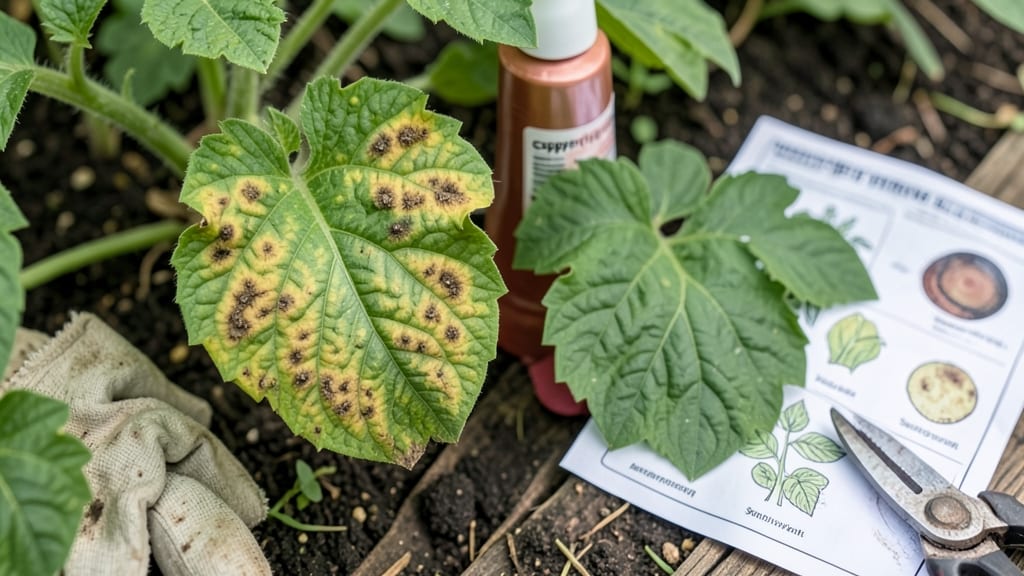
Yellow blotches on tomato leaves mean your plants are fighting a fungal blight—and acting fast can save your harvest. 🌱 I’ve seen this ruin entire gardens when ignored, but with the right moves, you can turn things around before the spots spread.
The key is catching it early, when those first pale yellow marks appear on lower leaves.
Most often, this is early blight or bacterial spot, thriving in damp conditions. You’ll notice concentric rings or water-soaked spots that turn brown and crispy over time. Poor airflow from crowded plants or overhead watering makes it worse.
The good news? Proper spacing, watering at the base, and removing infected leaves can stop it in its tracks.
Start by pruning away the worst spots immediately—don’t let them touch healthy leaves. Then, apply a copper fungicide or baking soda spray (1 tsp baking soda + 1 quart water + a drop of dish soap) every 7-10 days for prevention.
Within 2-3 weeks, you’ll see new growth pushing out, and the blight will retreat if you stay consistent.
This works for both garden beds and containers, and the same steps prevent future outbreaks. The secret? Dry leaves by midday and keep plants well-spaced—that’s how you grow tomatoes that stay lush and productive all season.
Root Causes Behind Leaf Discoloration
When your tomato plants start showing yellow blotches on their leaves, it’s rarely a coincidence—it’s a cry for help from your plants. These unsightly marks are often a sign that something is disrupting their normal growth, whether it’s a sneaky fungus, a nutrient imbalance, or environmental stress.
Understanding the why behind these symptoms is the first step to saving your harvest. Let’s break down the most common culprits and what they mean for your tomatoes.
Fungal diseases are the top suspects when it comes to yellow blotches on tomato leaves. Two of the most aggressive offenders are Alternaria solani (early blight) and Septoria lycopersici (Septoria leaf spot). Here’s how they wreak havoc:
- Moisture Love: Fungi thrive in humid, damp conditions, especially when leaves stay wet for long periods (think overhead watering or poor airflow). Spores land on leaves, germinate, and start feeding on plant tissues, causing yellow-brown spots with concentric rings.
- Necrotic Spread: As the fungus grows, the blotches expand, and the center may turn tan or gray while the edges stay yellow-green. Severe cases lead to leaf drop, weakening the plant’s ability to photosynthesize and produce fruit.
- Entry Points: Fungal spores often hitch a ride on winds, tools, or even infected plant debris from last season. If you didn’t clean your garden beds or rotate crops, you’re rolling out the welcome mat for these pathogens.
💡 Pro Tip: Early blight starts at the lower leaves and moves upward, while Septoria leaf spot appears as tiny dark specks with yellow halos. If you spot these, act fast—fungi spread like wildfire in warm, wet weather!
Not all yellow blotches are caused by pests or diseases—sometimes, your tomato plants are just thirsty, overheated, or drowning. Here’s how environmental factors play a role:
- Underwatering or Overwatering:
- Underwatering: Leaves may develop crispy, yellow edges (a sign of osmotic stress) as the plant conserves moisture. Severe cases lead to blotchy yellowing between leaf veins.
- Overwatering: Poor drainage or soggy soil can cause root rot, cutting off nutrient and water supply. The plant reacts by dropping leaves or developing yellow patches as it struggles to breathe.
- Extreme Heat or Sunburn: Tomato leaves are delicate—too much direct sunlight (especially in hot climates) can cause yellow-white scorch marks. This is common on upper leaves exposed to intense midday rays.
- Temperature Fluctuations: Sudden drops in nighttime temps (below 50°F/10°C) can shock the plant, leading to yellowing and blotchy patterns as cells fail to regulate properly.
🌡️ Quick Fix: Check the soil moisture 1 inch below the surface—it should feel damp but not soggy. If heat is the issue, provide afternoon shade with shade cloth or mulch to keep roots cool.
Yellow blotches can also signal that your tomato plants aren’t getting the right nutrients. While general yellowing (chlorosis) often points to nitrogen issues, blotchy patterns are more likely tied to deficiencies in:
| Nutrient | Symptoms | Why It Happens |
|---|---|---|
| Magnesium (Mg) | Yellow blotches between leaf veins (interveinal chlorosis), starting on older leaves. | Magnesium is crucial for chlorophyll production. Poor soil, acidic conditions, or excessive potassium can lock it out. |
| Potassium (K) | Yellowing and necrotic spots on leaf edges (often with a brownish tint). | Potassium helps regulate water and disease resistance. Deficiencies occur in sandy or leached soils or after heavy fruiting. |
| Iron (Fe) | Pale yellow blotches on young leaves (since iron is immobile in plants). | Iron is poorly available in alkaline soils (pH > 7.0). Even if iron exists, the plant can’t access it. |
💡 Soil Test Savior: If you suspect a deficiency, test your soil’s pH and nutrient levels. For quick fixes, use Epsom salt (magnesium sulfate) for Mg deficiency or a balanced fertilizer with micronutrients. Avoid over-fertilizing—too much salt can burn roots!
While less common, pests or physical trauma can also cause yellow blotches by disrupting the leaf’s vascular system or feeding on sap. Watch for:
- Spider Mites: These tiny pests pierce cells to feed on sap, causing stippled yellowing (tiny dots that turn brown). Heavy infestations lead to webbed leaves.
- Aphids: Clusters of these sap-suckers can cause yellow, curled leaves with black sooty mold (a fungal hitchhiker).
- Hail or Wind Damage: Physical trauma can rupture cells, leading to irregular yellow-brown blotches. Check for uneven edges or bruising.
👨🍳 Pest Patrol: Inspect the undersides of leaves for pests. A strong spray of water or neem oil can dislodge mites and aphids. For hail damage, prune affected leaves to redirect energy to healthy growth.
How to Fix Yellow Tomato Leaf Spots
Seeing yellow blotches creeping across your tomato leaves can feel like a garden disaster—but don’t panic! With the right approach, you can reverse the damage and protect your plants. The key is acting fast and targeting the root cause.
Below, we’ve mapped out practical solutions for each common culprit, from fungal infections to environmental stressors, plus tips to prevent future outbreaks.
If your tomato leaves are showing yellow, circular spots with dark edges (often surrounded by concentric rings), you’re likely dealing with a fungal blight. These pathogens thrive in warm, humid conditions, so speed is critical.
🔥 Step 1: Remove Infected Leaves Immediately
- Snip off any leaves with yellow blotches using sterilized scissors or pruners (wipe with rubbing alcohol between cuts).
- Do not compost these leaves—dispose of them in a sealed trash bag to prevent spores from spreading.
🍳 Step 2: Apply a Fungicide (Organic or Chemical)
Choose one of these effective treatments and apply in the early morning or late evening to avoid burning leaves:
- Copper-based fungicides (e.g., Copper Soap): Spray directly on leaves, focusing on the undersides where spores hide. Reapply every 7–10 days or after rain.
- Baking soda spray: Mix 1 tbsp baking soda + 1 tsp dish soap + 1 gallon water. Spray on leaves—this raises the pH, making it harder for fungi to thrive. Use every 5–7 days.
- Neem oil: Combine 2 tsp neem oil + 1 tsp mild soap + 1 quart water. Spray thoroughly, including stems. Reapply weekly.
- Chemical fungicides (e.g., Chlorothalonil): Follow label instructions for severe infections. Rotate with organic options to prevent resistance.
🌡️ Step 3: Adjust Growing Conditions
Fungi love moisture and poor airflow. Break the cycle with these tweaks:
- Water at the base (not overhead) to keep leaves dry. Use a drip irrigation system or soaker hose.
- Space plants 18–24 inches apart to improve airflow. Prune lower leaves to reduce humidity near the soil.
- Avoid late watering—wet leaves overnight invite fungal growth.
- Mulch with straw or grass clippings to prevent soil splashing onto leaves.
💡 Prevention Tip:
Rotate crops yearly—never plant tomatoes (or nightshades) in the same spot two years in a row. Fungal spores linger in the soil!
If yellowing appears between leaf veins (interveinal chlorosis) or on older leaves first, your tomatoes may be starving for nutrients. Unlike fungal issues, this won’t spread—but it can weaken plants, making them more susceptible to disease.
📊 Step 1: Test Your Soil
- Grab a DIY soil test kit (available at garden centers) or send a sample to your local Cooperative Extension Service for a full analysis.
- Look for low nitrogen (N), magnesium (Mg), or iron (Fe) levels—common culprits for yellowing.
👨🍳 Step 2: Feed Your Tomatoes
Fix deficiencies with these targeted amendments:
| Deficiency | Symptoms | Solution |
|---|---|---|
| Nitrogen (N) | Pale yellow leaves, stunted growth | Apply blood meal (organic) or ammonium sulfate (synthetic). Use 1–2 tbsp per plant and water in. |
| Magnesium (Mg) | Yellowing between veins (older leaves first) | Spray Epsom salt solution (1 tbsp per gallon of water) on leaves every 2 weeks. |
| Iron (Fe) | Yellow leaves with green veins (young leaves) | Use chelated iron or iron sulfate. Apply to soil or foliar-spray. |
✨ Prevention Tip:
Add compost or well-rotted manure to your soil before planting. For container-grown tomatoes, fertilize every 2–3 weeks with a balanced tomato fertilizer (e.g., 5-10-10).
If yellow blotches appear on sun-exposed leaves (especially in hot, dry weather), your tomatoes may be suffering from heat stress or sun scald. Unlike fungal issues, these spots are dry and crispy, not wet or slimy.
🌿 Step 1: Provide Shade Cloth
- Install 30–50% shade cloth over plants during peak afternoon sun (12 PM–4 PM).
- Alternatively, use lightweight row covers or even a white bedsheet draped loosely over a frame.
💦 Step 2: Boost Hydration
- Water deeply 1–2 inches per week (more in extreme heat). Use mulch to retain moisture.
- Avoid wetting leaves—water at the base to prevent evaporation.
🎯 Prevention Tip:
Choose heat-tolerant tomato varieties like ‘Heatmaster,’ ‘Solar Fire,’ or ‘Arkansas Traveler.’ These handle high temps better than standard varieties.
If more than 50% of leaves are severely infected (especially with fungal blight) and the plant is wilting or producing few fruits, it may be time to remove it entirely to save your garden. Dispose of the plant in a sealed bag—do not compost.
Final Pro Tip: 🌱 Monitor your tomatoes daily after treatment. Catching yellow blotches early means smaller fixes and bigger harvests! With these steps, your tomato plants can bounce back—and you’ll be feasting on juicy, disease-free fruits in no time. 🍅✨
Frequently asked questions
Why do yellow blotches appear first on lower tomato leaves?
Fungal diseases like early blight and Septoria leaf spot typically start on lower leaves because spores land there first from soil or debris. The older, lower leaves are also more vulnerable to moisture buildup, creating perfect conditions for fungal growth. Once established, the infection spreads upward as spores hitch rides on wind or water splashes.
Can I still harvest tomatoes if the leaves have yellow blotches?
Yes, but only if the fruit itself is healthy. The blotches usually don't affect the tomatoes directly, though severely infected plants may produce smaller yields. Focus on harvesting ripe fruit first, then remove heavily infected leaves to redirect the plant's energy. Always wash tomatoes thoroughly before eating.
How do I know if my tomato plants have a fungal infection vs. nutrient deficiency?
Fungal infections show up as dark-edged yellow-brown spots with concentric rings, often on lower leaves. Nutrient deficiencies cause uniform yellowing between veins (magnesium) or on younger leaves (iron). Check the pattern: Fungal spots are irregular, while deficiencies create predictable patterns tied to leaf age.
Will rain make yellow blotches on tomato leaves worse?
Rain spreads fungal spores and keeps leaves wet, creating ideal conditions for diseases like early blight. After heavy rain, prune infected leaves immediately and apply a fungicide. Water at the base (not overhead) and ensure good airflow between plants to reduce moisture buildup.
Can I save tomato plants with severe yellow blotches?
It depends on the extent. If more than 50% of leaves are infected or the plant is wilting, removal may be best to prevent spread. For less severe cases, aggressive pruning, fungicide treatment, and improving airflow can help. Focus on new growth—healthy leaves will emerge if you act quickly and maintain proper care.