
Pests
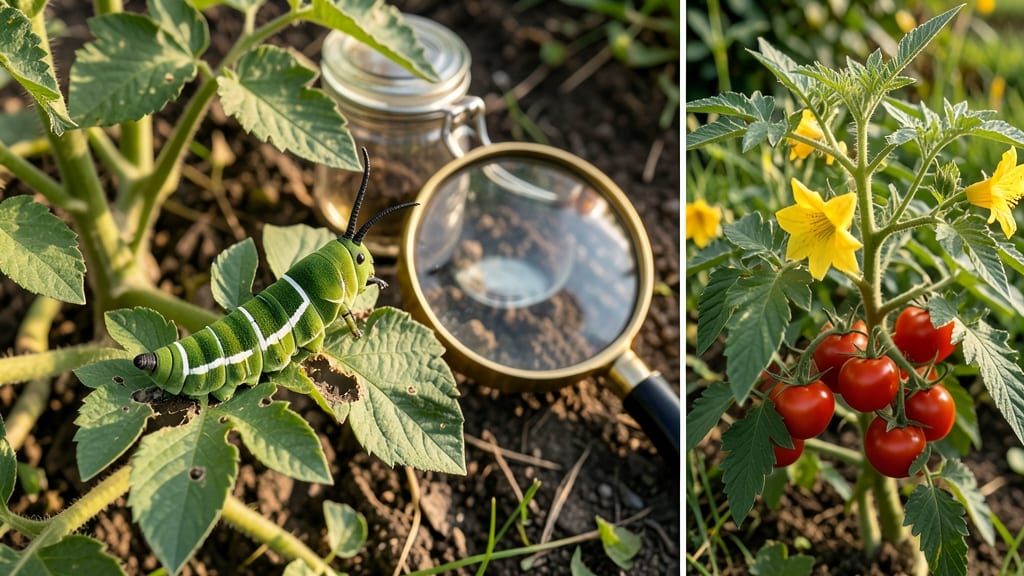
Tomato hornworms are not poisonous to humans, though their tiny urticating hairs can cause mild skin irritation or allergic reactions in sensitive individuals. With proper precautions—like wearing gloves and thorough handwashing—they pose no real danger.
These caterpillars are often feared for their voracious appetite, but their potential to harm humans is minimal. 🌱 The irritating hairs they shed can trigger itchy rashes in some people, though severe reactions are rare. Unlike monarch caterpillars, which contain cardiac glycosides, tomato hornworms lack dangerous toxins.
I always recommend using tongs or a spray bottle of soapy water to remove them from plants—this keeps both you and the hornworm safe while protecting your garden.
For gardeners, the real concern is their impact on tomato plants, not their toxicity. A single hornworm can defoliate a plant in days, so early removal is key. 🌿 Organic solutions like introducing parasitic wasps (their natural predator) or applying neem oil can help control populations without direct contact.
The key takeaway? These caterpillars are more of a nuisance than a health hazard when handled properly.
💡 In This Article
- Understanding Tomato Hornworm Toxicity and Garden Safety
- Safe Handling and Removal Tips for Gardeners
Understanding tomato hornworm toxicity and garden safety
Tomato hornworms (Manduca sexta) possess tiny, microscopic hairs called urticating hairs that contain mild toxins. These hairs, measuring just 0.1-0.3 millimeters in length, can break off easily when the caterpillar is disturbed—like when you brush against it or squeeze it.
The toxins in these hairs primarily trigger histamine-like reactions in sensitive skin, causing localized itching, redness, or minor rashes similar to a mild poison ivy response. Unlike venomous caterpillars (e.g., puss moth caterpillars), tomato hornworms lack the biochemical machinery to produce potent neurotoxins or hemotoxins.
The irritation mechanism works like this: when hairs penetrate the skin, they release quinones, chemical compounds that irritate nerve endings.
This is why some gardeners report a burning or stinging sensation after handling them without gloves. 🌿 For comparison, monarch caterpillars contain cardiac glycosides (toxic to predators like birds), while woolly bear caterpillars have bristles that can cause more severe reactions—but neither poses the same level of risk as tomato hornworms.
The key difference is that hornworm toxins are contact-based, not systemic like venom.
Pets face even less risk than humans because their thicker fur and skin provide a natural barrier. Dogs or cats that accidentally ingest a hornworm typically experience only mild gastrointestinal upset (vomiting or diarrhea) if they consume large quantities.
The real danger for pets comes from secondary effects—like ingesting pesticides used to control hornworms. Always opt for organic methods (like hand-picking with gloves) to protect both your garden and your pets.
What most people don't realize is that the irritation potential varies by life stage. Younger hornworms (first few instars) have fewer urticating hairs, making them less likely to cause reactions. By contrast, mature hornworms (5-6 inches long) are covered in dense hairs and pose the highest risk.
This is why gardeners often notice reactions after handling larger specimens—there are simply more hairs to trigger irritation. The good news? Washing hands with soapy water for 20-30 seconds neutralizes any residual toxins.
For those with sensitive skin or allergies, the reaction can feel like a mild sunburn—warm, itchy, and slightly swollen. Over-the-counter hydrocortisone cream (1%) or calamine lotion can provide relief.
Severe reactions (swelling beyond the contact area, difficulty breathing) are extremely rare and would require medical attention, though this is more likely in individuals with pre-existing allergies to similar caterpillar toxins. The bottom line?
These caterpillars are not venomous, but their hairs act like tiny, invisible needles delivering a harmless but annoying irritant.
Interestingly, tomato hornworms evolved these hairs as a defense mechanism against predators like birds and wasps. The hairs don't kill predators but make them think twice about eating the caterpillar—a clever adaptation that highlights nature's balance. 💫 This is why you'll rarely see birds attacking healthy hornworm populations in gardens.
The irritation serves as a deterrent, not a weapon.