
Companion Plants
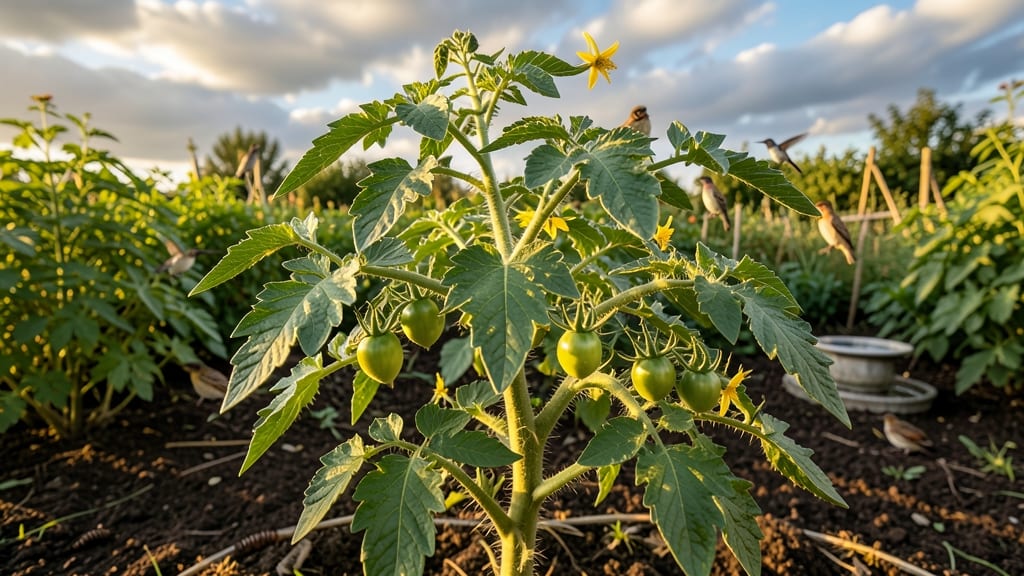
Birds devouring your tomato plants before they ripen is the ultimate gardener’s frustration. 🌱 I’ve lost entire harvests to hungry sparrows and starlings—until I discovered this foolproof blend of natural deterrents that actually works without harming the birds (or your garden’s balance).
The key is combining physical barriers like netting with scent-based deterrents—think crushed red pepper flakes, garlic, and citrus peels. Birds hate the smell, but it washes away in rain, so you’ll need to reapply every few days.
I’ve also had success with reflective tape and old CDs hung from strings—they create flashes of light that scare birds away. By mid-July, you’ll see fewer pecked tomatoes and more plump, unblemished fruit ready for picking. The best part?
These methods keep your garden thriving while giving birds other food sources to enjoy elsewhere. Works for raised beds, containers, or in-ground gardens—just adjust the quantities based on your plot size. Let’s save that harvest!
Feathered Foes Invading Gardens
When your tomato plants become a buffet for birds, it’s not just bad luck—it’s biology and behavior at work. Understanding the why behind this pecking problem is the first step to reclaiming your garden.
Let’s break down the key reasons birds are drawn to your tomatoes like a magnet, and why they’re so determined to snack on your hard-earned harvest.
Birds have a natural attraction to ripe, colorful fruits—especially tomatoes. From a bird’s perspective, your tomato plants are a nutrient-packed smorgasbord. Here’s why:
- Sugar and moisture: Ripe tomatoes are packed with natural sugars and juices, making them a high-energy, low-effort meal. Birds prioritize foods that are easy to digest and calorie-dense, especially during migration or nesting seasons.
- Bright colors: Red, orange, and yellow tomatoes mimic berries and other bird-friendly fruits. Their vibrant hues signal ripeness, triggering a feeding response in many species, including robins, sparrows, and starlings.
- Soft texture: Unlike tough-skinned fruits, tomatoes are easy to peck and swallow—no chewing required. This makes them a favorite for birds with limited jaw strength, like finches or doves.
Pro tip: 🌡️ If you notice birds hovering near unripe tomatoes, they might be after the insects hiding in the foliage (see next section). But once those tomatoes blush red? Game over.
Birds aren’t just after the fruit—they’re also hunting the insects that thrive on tomato plants. A single plant can host a buffet of bird-friendly critters, including:
- Aphids and whiteflies: These sap-sucking insects excrete sticky honeydew, which attracts ants—and birds follow the ants (or go straight for the bugs themselves).
- Caterpillars and hornworms: Large, slow-moving larvae like tomato hornworms are a protein-rich snack for birds like mockingbirds and wrens. A single hornworm can disappear in seconds!
- Beetles and grasshoppers: Ground-dwelling insects near tomato plants draw birds like sparrows or juncos, which may then linger to snack on the fruit.
Science note: Birds use a technique called “gleaning”—hopping from plant to plant to pick off insects. If your tomatoes are buggy, they’re basically neon signs for feathered foragers.
Timing plays a huge role in bird behavior. During spring and summer, birds are in nesting mode, and their protein and energy needs skyrocket. Your tomato plants become a convenient (and free) resource:
- Protein for chicks: Parent birds need high-protein foods like insects to feed their young. If your tomatoes host caterpillars or beetles, mom and dad birds will always prioritize them over fruit.
- Quick energy for migration: Birds migrating north or south stop to refuel. Ripe tomatoes provide fast calories, making them a pit stop of choice.
- Shelter and perches: Tall tomato plants offer birds a vantage point to spot predators and a place to rest. Once they’ve claimed your garden as a hunting ground, they’ll return daily.
Seasonal alert: 📅 Peak tomato-raiding season is June–August, when most birds are raising families. If you plant late, you might escape the worst of it—but early-season tomatoes are fair game.
In the wild, birds expend energy hunting for food. But in urban and suburban gardens, they’ve learned that humans often provide easy, abundant meals. Here’s how your garden might be sending the wrong signals:
- Lack of natural predators: In cities, birds face fewer threats from hawks or owls, so they feel safer feasting on “human food” like tomatoes.
- Open buffet style: Unlike in the wild, where food is scattered, your tomato plants offer a concentrated feast in one spot—making it a high-value target.
- Human-provided food sources: If you’ve ever fed birds at a feeder, they’ll associate your yard with free food and expand their menu to include tomatoes, peppers, and other veggies.
Urban gardener tip: 🏙️ If your neighborhood has a lot of bird feeders, your tomatoes are even more at risk. Birds get “spoiled” and lose their wariness around gardens.
Now that you know why birds are crashing your tomato party, the next step is turning the tables with smart, bird-proofing strategies. Stay tuned!
Protect Your Tomatoes Naturally
Birds may be charming, but when they turn your tomato plants into their personal buffet, it’s time for action! The good news? You don’t need harsh chemicals to keep them away. Here’s a practical, step-by-step guide to deterring feathered thieves while keeping your garden thriving.
Birds are clever, but they’re not great at problem-solving—especially when you make their access difficult.
🍳 Install Netting or Row Covers
- How to do it: Use lightweight bird netting (with ½-inch mesh) or floating row covers to create a physical shield over your tomato plants.
- When to apply: Install before birds discover your plants (early spring) or as soon as fruit sets (to protect ripening tomatoes).
- Pro tip: Secure netting tightly with clips or stakes—birds can tear loose fabric if it’s flappy.
For a low-tech fix, drape old CDs or aluminum pie pans over netting to create noise and movement that scares them off.
👨🍳 Use Scare Tactics (Temporarily) Birds rely on routine, so disrupt their habits with:
- Reflective tape or old CDs – Hang strips on strings or tie CDs to plants to create flashing reflections.
- Fake predators – Place owl statues, rubber snakes, or even a model hawk near your garden.
Move them every few days so birds don’t get used to them. - Wind chimes or predator calls – The sudden noise of a recorded hawk screech** (available on YouTube) can startle them away.
✨ Prevention tip: Combine multiple scare tactics for better results—birds are less likely to ignore a garden that’s noisy, flashy, AND smells strange.
Birds have sensitive noses, so strong, unpleasant scents can deter them without harm.
🔪 DIY Spray Recipes (Safe for Plants & Birds)
Mix these in a spray bottle and apply early morning or evening (when birds are less active):
| Ingredient | How to Use | Why It Works |
|---|---|---|
| Hot pepper spray | Blend 1-2 hot peppers (like cayenne) + 1 tsp dish soap + 1 quart water. Strain and spray. | Birds avoid capsaicin (the compound that makes peppers spicy). Reapply after rain. |
| Garlic & chili spray | Mash 3 garlic cloves + 1 tbsp cayenne pepper + 1 quart water. Let sit 24 hours, then spray. | The pungent smell masks tomato scent and irritates birds’ beaks. |
| Predator urine (real or synthetic) | Use coyote or fox urine (available at garden stores) or mix 1 tbsp coffee grounds in water. | Mimics predator presence—birds associate the smell with danger. |
💡 Pro tip: Reapply every 3-5 days or after rain. For extra potency, add a few drops of citrus oil (like lemon or orange) to the mix—birds hate the scent.
🌡️ Plant Confusion & Distraction
Birds target bright red tomatoes, so trick them with decoys and distractions:
- Plant sacrificial crops – Grow fast-maturing greens (like lettuce or radishes) farther from your tomatoes to lure birds away.
- Use fake tomatoes – Hang red plastic balls or old tennis balls near plants to mimic ripe fruit.
- Interplant with bird-repelling herbs – Marigolds, basil, or thyme near tomatoes can mask the scent of your harvest.
Prevent future bird invasions by changing their incentives to visit.
🔥 Remove Food Sources
- Clean up fallen fruit – Birds learn where food is easy, so pick up overripe or dropped tomatoes daily.
- Avoid feeding birds nearby – If you have bird feeders, move them at least 100 feet away from your garden.
- Harvest promptly – The sooner you pick ripe tomatoes, the less time birds have to spot them.
🌿 Create a Bird-Unfriendly Landscape - Prune low branches – Birds perch on nearby trees or fences to scout for food.
Keep garden edges clear. - Add thorny plants – Rose bushes, barberry, or holly near your tomato patch can deter birds that don’t want to risk injury. - Use raised beds with steep sides – Birds struggle to reach tomatoes in elevated containers (12+ inches high).
If birds are relentless, a live trap may be your best option:
- Use a humane cage trap (like those for squirrels) baited with birdseed or fruit.
- Relocate birds at least 5 miles away (check local laws—some areas require permits for wildlife relocation).
- Release them in a wooded area far from gardens.
⚠️ Warning: Avoid lethal methods—they’re inhumane and often illegal. Stick to deterrents first.
Before birds become a problem, proactively protect your tomatoes with this quick checklist: ✅ Install netting before fruit sets. ✅ Apply hot pepper spray weekly. ✅ Hang reflective objects (CDs, tape). ✅ Remove fallen fruit daily. ✅ Plant bird-repelling herbs nearby. ✅ Harvest tomatoes early in the morning (when birds are less active).
With these simple, natural methods, you’ll save your harvest without harming your feathered friends—or your garden’s ecosystem. Happy growing! 🍅🐦🚫
Frequently asked questions
Why do birds suddenly start eating my tomatoes when they were fine before?
Birds target tomatoes during peak nesting season (June-August) when they need high-energy foods for their chicks. Early in the season, they may ignore unripe fruit, but once tomatoes turn red, they become a high-value food source. If you recently added bird feeders nearby, that also signals to birds that your yard has easy meals.
Will netting really work, or will birds just peck through it?
Yes, but use ½-inch mesh bird netting (not insect netting) and secure it tightly with clips or weights. Birds can't peck through properly installed netting—just make sure there are no gaps at the edges. For extra protection, add reflective tape or CDs above the netting to create movement that scares them away.
Are there any bird species that are worse tomato thieves than others?
Robins, starlings, and sparrows are the top culprits—they're bold and will strip entire plants. Mockingbirds go after insects first but will switch to fruit when tomatoes ripen. Finches and doves prefer smaller tomatoes and may peck at them repeatedly. If you see large flocks of birds, they're likely targeting your garden as a communal food source.
How long does hot pepper spray last before I need to reapply?
Hot pepper spray loses effectiveness after 3-5 days or when it rains. For best results, apply it early morning or evening (when birds are less active) and reapply every 3 days. Store extra spray in a cool, dark place. If you add citrus oil, it may last slightly longer because birds dislike both scents.
Can I use fake owls to scare birds away permanently?
Fake owls work short-term (about 1-2 weeks), but birds get used to them quickly. For long-term protection, move the owls every few days and combine them with other deterrents like reflective tape or scent sprays. The key is to keep birds uncertain and uncomfortable—a garden with multiple scare tactics is far more effective than relying on one method.