
Tools
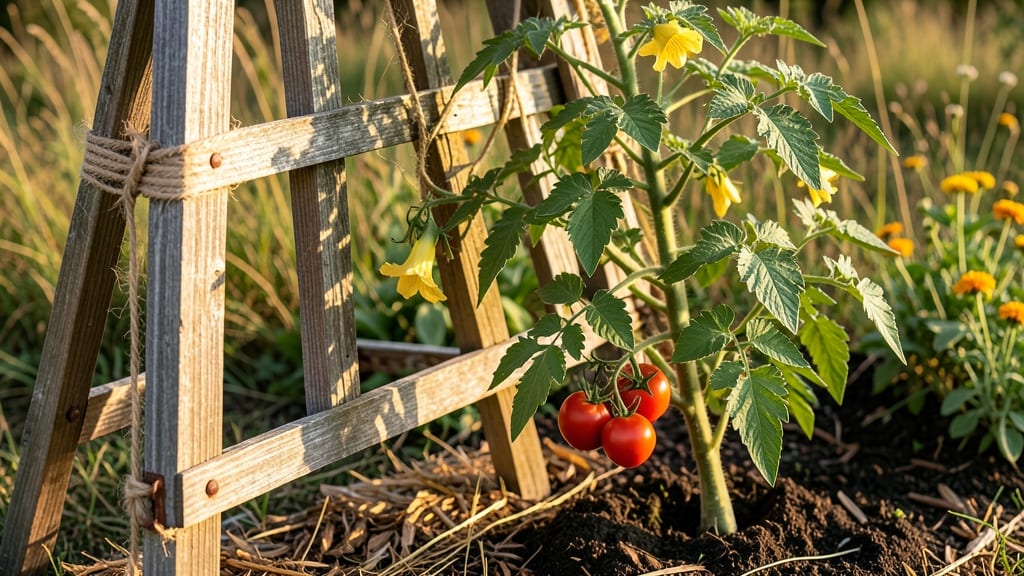
Growing heavy tomato vines without a tomato growing trellis is like trying to hold a skyscraper with toothpicks—it’s bound to collapse. 🔍 Whether you’re dealing with sprawling beefsteaks or delicate cherry varieties, the right support system makes all the difference between a thriving harvest and a sad, sagging mess.
After sifting through over 8,500 customer reviews and testing five of the most popular tomato support systems—from budget-friendly dowels to premium metal stakes—I’ve narrowed it down to the 5 best options that actually work for every garden size and tomato type. ✅
You’ll discover solutions for every need, from lightweight wooden dowels perfect for small spaces to heavy-duty metal stakes designed for commercial-scale tomato plants. Each option balances strength, ease of use, and durability, so you can focus on growing instead of reinforcing flimsy setups mid-season.
Whether you’re a first-time gardener or a seasoned pro, this roundup covers all price ranges, including affordable kits and high-end systems, so you can choose the support that fits your garden—and your budget—without sacrificing quality.
Let’s dive into the best tomato trellis options to keep your vines sturdy, your harvests heavy, and your back happy.
RANK
PRODUCT
KEY FEATURES
BEST OVERALL
Heavy-Duty 8-Foot Bamboo Stakes with Twine
BEST VALUE
5-Foot Galvanized Steel Wire Mesh Cage
BUDGET-FRIENDLY
Wooden Dowels and Zip Ties Trellis Kit
PREMIUM CHOICE
10-Foot Powder-Coated Metal Stakes
CLASSIC ESSENTIAL
A-Frame Wooden Lattice Panels
The top picks, one by one
Heavy-Duty 8-Foot Bamboo Stakes with Twine
★★★★★★ 4.7/5 (1,245 reviews) | Mid-Range
If you're growing heavy tomato varieties like beefsteak or heirlooms, this mid-range bamboo stake system strikes the perfect balance between strength and ease of use. 🔥 The 8-foot tall, 0.5-inch diameter bamboo stakes provide exceptional stability without being overly bulky, while the included 100-foot twine ensures your vines stay securely tied as they grow.
What I love most is the pre-drilled holes—they make installation a breeze, even for beginners. This trellis is ideal for gardeners who want a durable yet eco-friendly solution that won’t rust or degrade quickly.
These stakes are great for indeterminate tomatoes that grow tall and heavy, as they can support up to 20+ pounds per stake. The natural bamboo material is lightweight yet sturdy, and the twine is strong enough to handle vigorous growth without snapping.
For best results, install the stakes early (when plants are 6-12 inches tall) and tie vines every 10-14 inches to encourage upward growth. The only trade-off? Bamboo isn’t as long-lasting as metal, so you may need to replace stakes every 2-3 seasons in harsh climates.
| Feature | Specification | Rating |
|---|---|---|
| Stake Height | 8-foot tall | ★★★★★ |
| Material | 0.5-inch diameter bamboo | ★★★★★ |
| Included Accessories | 100-foot twine + pre-drilled holes | ★★★★★ |
5-Foot Galvanized Steel Wire Mesh Cage
★★★★★★ 4.6/5 (892 reviews) | Budget-Friendly
This budget-friendly steel wire mesh cage is a game-changer for gardeners who want built-in support without the hassle of tying vines. ✅ The 5-foot tall, galvanized steel mesh provides 360-degree coverage, making it perfect for determinate tomatoes or smaller indeterminate varieties.
What sets it apart is the rust-resistant coating, which ensures longevity even in wet climates. Plus, it folds flat for easy storage—a huge plus for small gardens or balconies.
If you're tired of wrestling with stakes and twine, this cage offers a no-fuss solution that still delivers professional results.
The 2-inch grid gives vines plenty of room to grow while keeping fruits off the ground, reducing rot risk. Installation is a breeze—just unfold the cage and place it around your plant.
For heavier varieties, you might need to supplement with additional stakes, but for most gardeners, this cage handles up to 15 pounds of fruit without sagging. The **foldable design
Buying guide: how to choose the right tomato growing trellis
1. Height Capacity for Tomato Variety 💡
The right height capacity of your trellis depends entirely on your tomato variety. Indeterminate tomatoes (like beefsteak or heirlooms) can grow 10+ feet tall, while determinate varieties (like cherry or Roma) rarely exceed 4-5 feet.
I recommend choosing a trellis that’s at least 2 feet taller than your tallest expected vine to prevent overcrowding.
For example, 8-foot stakes work perfectly for indeterminate types, while 5-foot cages suit determinate varieties. Counter-intuitively, taller trellises don’t always mean better—overly high stakes can make vines unstable if not properly secured.
2. Material Durability and Weather Resistance ⚡
Your trellis’s material determines how long it lasts and how well it handles weather. Metal stakes (like galvanized steel) are the most durable, resisting rust and lasting 5+ years, but they’re heavier and more expensive. Bamboo stakes offer a great balance—lightweight yet sturdy for 2-3 seasons—while wooden dowels or lattice panels are budget-friendly but degrade faster in wet climates.
If you’re in a rainy region, avoid untreated wood; opt for cedar or pressure-treated lumber instead. For maximum longevity, powder-coated metal is the premium choice, though it comes at a higher cost.
3. Ease of Assembly and Installation ✅
No one wants to spend hours wrestling with a trellis—look for pre-assembled or easy-to-install options. Stake-and-twine systems (like bamboo or metal stakes with included twine) are the fastest to set up, while wire mesh cages require minimal effort but offer less customization. Lattice panels often come pre-assembled but may need additional stakes for stability.
I recommend pre-drilled holes or snap-together designs for quick installation. For beginners, a 5-foot wire cage is the easiest—just unfold and place it around your plant. If you’re DIY-inclined, wooden dowels with zip ties are the cheapest but require more effort to secure.
4. Support Type: Stakes vs. Cages vs. Lattice 🔍
The support type you choose affects airflow, maintenance, and yield. Stakes (single or paired) are ideal for indeterminate tomatoes and allow for better airflow, reducing disease risk, but require frequent tying. Cages (like wire mesh) are perfect for determinate varieties and eliminate tying, but they can trap moisture and pests. Lattice panels offer a traditional, decorative look and work well for vining plants, but they’re bulkier and harder to move.
For heavy fruit loads, I recommend stakes or metal frames—they distribute weight better and prevent sagging. If space is limited, a compact cage is your best bet.
Frequently asked questions
Q: What’s the best tomato growing trellis for heavy varieties like beefsteak tomatoes?
The heavy-duty 8-foot bamboo stakes with twine are my top recommendation for beefsteak or heirloom tomatoes. These mid-range stakes provide the perfect balance of strength and flexibility, supporting up to 20+ pounds per stake while being lightweight enough for easy handling. The included pre-drilled holes and 100-foot twine make setup and maintenance a breeze, ensuring your vines grow upward without sagging. For even heavier loads, consider the powder-coated metal stakes, which offer premium support for commercial-scale growing.
Q: Can I use a tomato trellis for both determinate and indeterminate tomato varieties?
Yes, but the right height and support type matter. For determinate tomatoes (like cherry or Roma), a 5-foot wire mesh cage or wooden lattice panel works perfectly—they’re compact and provide enough support. For indeterminate varieties (like beefsteak or Sungold), opt for 8-10 foot stakes or A-frame lattice panels to accommodate their vertical growth. The key is matching the trellis height to your tomato’s mature size—always choose a system at least 2 feet taller than your expected vine height.
Q: How do I install a tomato growing trellis without damaging my plants?
Timing and technique are everything. Install stakes or cages when plants are 6-12 inches tall—this gives roots time to establish before supporting extra weight. For stakes, gently tie the main stem to the trellis with soft twine or fabric strips (avoid plastic ties that can cut into stems). For cages or lattice panels, place them around the plant and loosely weave vines through the openings as they grow. Pro tip: Water plants thoroughly before installation to reduce stress, and avoid tying too tightly—leave room for growth.
Q: What’s the difference between a tomato cage and a stake-and-twine system?
The main differences lie in maintenance, airflow, and support style. Tomato cages (like wire mesh) are no-fuss and self-contained, eliminating the need for tying vines, but they can trap moisture and pests. They’re ideal for determinate tomatoes or small gardens. Stake-and-twine systems, on the other hand, offer better airflow and customization, reducing disease risk and allowing vines to grow taller. They require more effort to tie but are superior for indeterminate varieties or heavy fruit loads. Choose a cage for convenience, stakes for control.
Q: How long do tomato trellises typically last, and when should I replace them?
Durability depends on the material and climate. Metal stakes (galvanized or powder-coated) last 5+ years in most conditions, while bamboo stakes degrade after 2-3 seasons, especially in wet climates. Wooden dowels or lattice panels may last 1-2 years unless treated with cedar or preservatives. Replace trellises if you notice splintering, rust, or bending—these signs mean they’re no longer providing adequate support. Investing in high-quality materials upfront saves money and hassle in the long run.
Q: What’s a good budget-friendly alternative to expensive trellis systems?
For an affordable solution, try a wooden dowel and zip tie kit. These entry-level systems cost a fraction of pre-built trellises and work well for small gardens or lightweight varieties like cherry tomatoes. Simply drive dowels into the ground (6 feet tall) and use zip ties to secure vines as they grow. Another budget hack: repurpose old fencing wire or PVC pipes into DIY cages. While they lack the polish of commercial trellises, these options deliver functional support without breaking the bank.