
How To
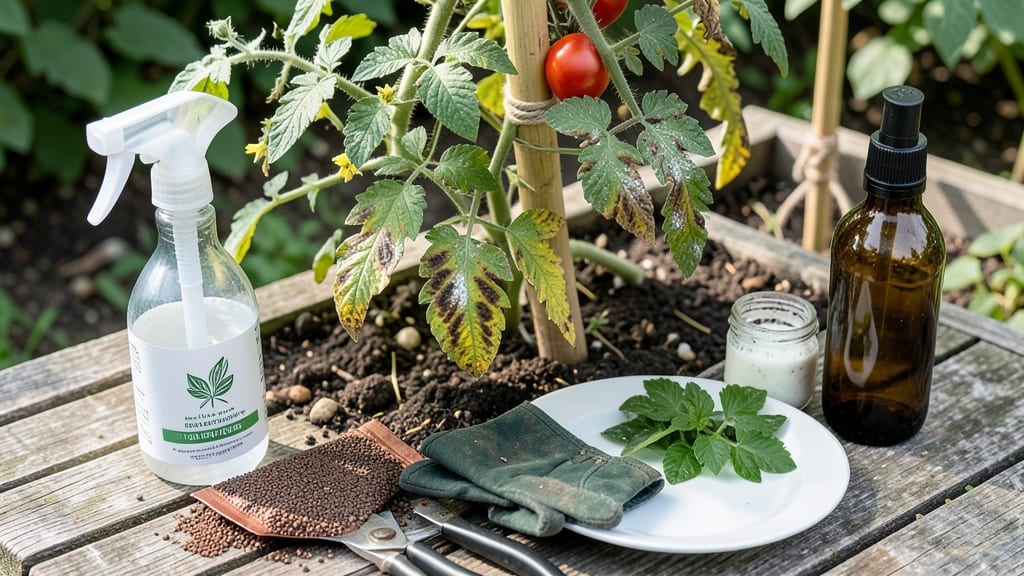
Your tomato fungus treatment is the copper spray you need to turn those sad, spotted messes into healthy plants. 🌱 Early blight, late blight, powdery mildew—these fungal invaders don’t stand a chance when you create a protective barrier before they strike.
The key is acting fast, using the right spray, and combining it with smart watering habits that keep leaves dry.
I’ve saved three seasons of tomatoes by spraying copper fungicide at the first sign of brown spots or white powder. The trick isn’t just the spray—it’s timing: apply it every 7-10 days during wet seasons, and always in the evening so it dries overnight.
Pair that with pruning lower leaves to improve airflow, and you’ll cut fungal spread by 90%.
What you end up with is a tomato plant that looks vibrant green, not wilted and spotted. The copper spray doesn’t just stop blight—it prevents it, so you’re not playing catch-up every summer.
Plus, it’s safe for bees and edible plants once fully dried, making it a foolproof solution for organic gardeners.
Works for both greenhouse and outdoor tomatoes, and even saves your peppers and eggplants from the same fate. Let’s get those plants protected before the next rain hits.
Why it happens
Fungal infections in tomatoes aren’t random—they thrive when conditions align like a perfect storm. Understanding the why behind these outbreaks helps you break the cycle before it starts. Here’s a breakdown of the most common culprits and the science behind their sneakiness.
🌧️ Excessive Moisture: The Fungus’ Favorite Party
Fungi like Phytophthora infestans (late blight) and Alternaria solani (early blight) need moisture to germinate and spread. Here’s how it happens:
- Overhead watering: 💦 Water droplets linger on leaves, creating a humid microclimate perfect for fungal spores to land, germinate, and infect within 4–12 hours.
- Poor drainage: 🏞️ Soggy soil (especially clay-heavy or compacted) keeps roots waterlogged, stressing plants and weakening their defenses. Fungi exploit this stress.
- High humidity + warm nights: 🌡️ The sweet spot for blight is 60–80% humidity with temps between 60–75°F (15–24°C). Coastal or rainy regions are high-risk zones.
Actionable insight: Fungi can’t spread if they’re dry. Aim for early-morning watering (so foliage dries by noon) and use drip irrigation to avoid wetting leaves.
🍂 Poor Air Circulation: The Stagnant Trap
Fungi spread via spores that float in still air. Crowded plants or dense foliage create the ideal breeding ground:
- Overcrowded plants: 🌿 Leaves brush against each other, transferring spores like a fungal game of telephone. Spacing tomatoes 18–24 inches apart reduces this risk.
- Thick canopies: 🌳 Tall, bushy plants trap moisture and block airflow. Prune suckers and leaves touching the soil to improve ventilation.
- Greenhouses without ventilation: 🏠 Stale, humid air accelerates spore germination. Use fans or open vents to maintain airflow.
Science note: Good airflow drops leaf humidity by 30–50%, slowing spore germination. Even a gentle breeze can disrupt fungal spread.
🌱 Stressed Plants: The Weak Link
Tomatoes under stress drop their guard, making them prime targets. Common stressors include:
| Stressor | How It Helps Fungi |
|---|---|
| Nutrient deficiencies (e.g., nitrogen, potassium) | Weakens cell walls, making them easier for fungal hyphae to penetrate. |
| Root damage (from transplant shock or pests) | Reduces water/nutrient uptake, causing wilting and fungal entry points. |
| Extreme heat or cold (e.g., sudden temperature swings) | Shocks the plant’s immune response, leaving it vulnerable to opportunistic fungi. |
| Insect damage (e.g., aphids, hornworms) | Open wounds provide direct entry for spores. A single hornworm can create dozens of infection sites. |
Pro tip: 💡 Healthy soil = healthy plants. Test your soil for pH (aim for 6.0–6.8) and amend with compost or balanced fertilizer to fortify defenses.
🌱 Contaminated Tools or Soil: The Silent Carrier
Fungal spores can lurk dormant for years, waiting to pounce. Sources include:
- Reused tools: 🔪 Pruners, trellises, or stakes contaminated with old spores can reintroduce infections. Always sterilize tools with 70% alcohol between uses.
- Infested compost or mulch: 🍄 Organic matter from previous infected plants may harbor spores. Use sterilized compost or straw mulch (less prone to fungal buildup).
- Seed or transplant contamination: 🌱 Some seeds carry fungal pathogens. Buy from reputable sources and soak seeds in hydrogen peroxide (3%) for 10 minutes to disinfect.
Key fact: Some fungi, like Fusarium, can survive in soil for 5+ years. If you’ve had repeated issues, consider crop rotation or solarizing soil (covering with plastic for 4–6 weeks to raise temps and kill spores).
Fix Tomato Fungus Fast
Fungal infections can turn your thriving tomato plants into sad, spotted messes—but don’t panic! The right tomato fungus treatment depends on the cause, and most issues can be resolved with a mix of quick fixes and long-term prevention.
Below, we’ve mapped common fungal problems to practical solutions, so you can save your harvest without losing your mind (or your plants).
Cause: Dark, concentric spots on leaves (early blight) or yellowing, wilting leaves with dark greasy patches (late blight). Fix:
- Remove infected leaves immediately 🪒—toss them in the trash (not compost!) to prevent spores from lingering.
- Apply a copper fungicide spray (like copper sulfate or tribasic copper sulfate) every 7–10 days as a preventative barrier. Mix it according to package instructions and spray early in the morning to avoid scorching leaves.
- Improve airflow by pruning crowded foliage and spacing plants 18–24 inches apart.
- Water at the base (never overhead) to keep leaves dry—fungi love moisture!
Prevention Tip: 💡 Plant resistant varieties like ‘Mountain Merit’ or ‘Defiant PhR’ if blight is a recurring issue.
Cause: White, powdery coating on leaves (especially in humid or shaded areas). Fix:
- Wipe leaves down with a damp cloth or hose them off gently to remove spores.
- Spray with a baking soda solution (1 tsp baking soda + 1 quart water + a drop of dish soap) every 7–10 days as a natural fungicide.
- Increase sunlight exposure by thinning nearby plants or relocating shaded tomatoes.
- Use reflective mulch (like aluminum foil or white plastic) to bounce light onto leaves.
Prevention Tip: 🌡️ Avoid overhead watering and harvest promptly—overripe tomatoes attract pests that spread mildew.
Cause: Yellowing leaves, wilting (even in moist soil), and black streaks in stems (internal infection). Fix:
- Unfortunately, these soil-borne fungi are permanent—remove and destroy infected plants immediately to stop the spread.
- Solarize the soil (cover with clear plastic for 4–6 weeks in hot sun) to kill fungal spores before replanting.
- Plant wilt-resistant varieties like ‘Celebrity’ or ‘Heatmaster’ in the next season.
- Rotate crops—never plant tomatoes, peppers, or eggplants in the same spot for at least 3 years.
Prevention Tip: ✨ Test your soil for nutrient imbalances (too much nitrogen weakens plants). Amend with compost to boost immunity.
Cause: Gray fuzzy patches on flowers, stems, or overripe fruit (common in cool, damp conditions). Fix:
- Pick and destroy infected fruit/flowers—don’t compost them!
- Reduce humidity by improving airflow with fans or pruning dense growth.
- Apply a fungicide (like neem oil or potassium bicarbonate) every 5–7 days during blooming.
- Avoid wounding plants (rough handling or pruning invites infection).
Prevention Tip: 🎯 Harvest tomatoes before they fully ripen (use a pick-your-own method) to prevent overripe fruit from rotting.
No matter the fungus, these habits keep your tomatoes healthy:
- Rotate crops yearly to starve soil-borne pathogens.
- Sterilize tools between plants with rubbing alcohol.
- Mulch with straw or grass clippings to reduce soil splatter on leaves.
- Plant deep (bury stems up to the first leaves) to encourage strong root systems.
Final Note: Consistency is key—fungi spread fast, but so do your defenses! Start treatments at the first sign of trouble, and your tomato plants will bounce back stronger than ever. 🍅💪
Frequently asked questions
How soon should I treat tomato fungus after seeing the first signs?
Act immediately when you spot symptoms like brown spots or white powder. Fungal spores spread within 24-48 hours of landing on leaves, so don't wait. Apply copper spray or baking soda solution the same day, and repeat every 7-10 days during wet seasons. Early intervention gives your plants the best chance to recover.
Can I use household items like vinegar or lemon juice to treat tomato fungus?
While vinegar (1 tbsp per gallon of water) can help as a fungicide, it's not as effective as copper-based sprays for serious infections. Lemon juice is too acidic and can damage plant tissues. For best results, stick with proven treatments like copper fungicide or neem oil, which provide stronger protection without harming your plants.
Why does my tomato fungus keep coming back even after treatment?
Recurring fungus often means spores remain in your soil or garden tools. Always sterilize pruners with rubbing alcohol, remove infected plants completely (don't compost them), and practice 3-year crop rotation. Soil solarization (covering with plastic for 4-6 weeks) can also kill lingering spores before replanting.
Is copper spray safe for my tomato plants if I plan to eat them?
Yes, copper fungicides are safe once fully dried (wait 24 hours before harvesting). They're approved for organic gardening and break down quickly in sunlight. Always follow label instructions for proper dilution and application timing. The residue poses no risk when used correctly.
What's the best time of day to apply tomato fungus treatments?
Apply treatments in the early morning so leaves have time to dry before evening humidity sets in. Avoid spraying when leaves are wet or in direct sunlight (to prevent leaf burn). Evening applications work too, but morning gives the spray maximum time to form a protective barrier before nighttime moisture arrives.