
How To
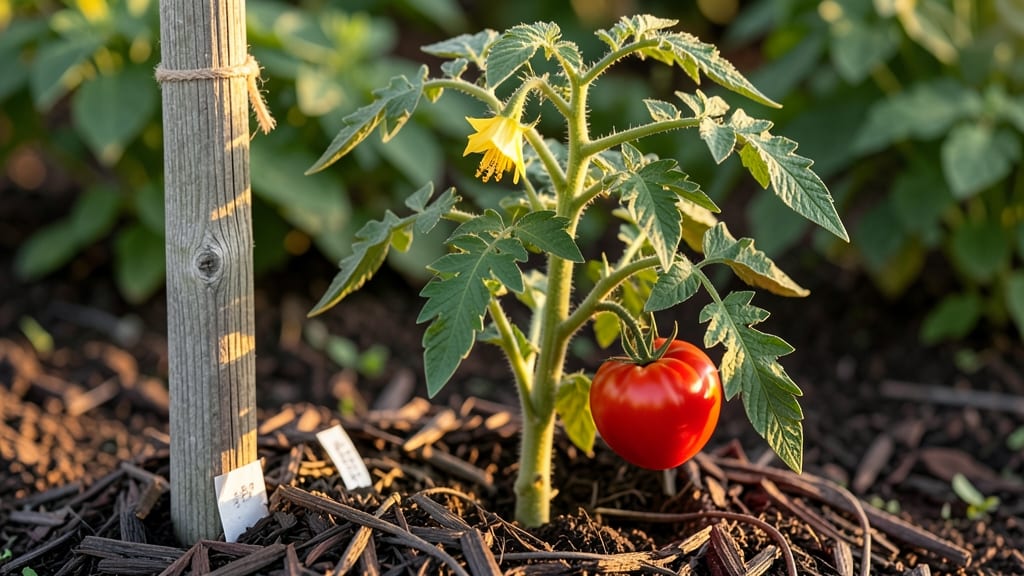
Understanding tomato days to maturity is the secret to picking the right varieties for your garden and avoiding a season of empty vines.
Picture this: you’ve spent hours planting your 🍅 seedlings, only to watch them produce leaves instead of fruit because you ignored their maturity timeline. That’s a common mistake, but one you can easily avoid with the right planning.
Days to maturity tells you exactly how long it takes for a tomato plant to go from seedling to ripe fruit—so you can match varieties to your growing season.
Whether you’re in a short-season zone or a long, warm summer, knowing these timelines helps you choose plants that will thrive and produce before the first frost.
In this guide, I’ll break down what those numbers mean, how to use them to plan your planting schedule, and which fast- and slow-maturing varieties work best for your climate. No more guesswork—just a harvest you can count on.
Tomato variety days to maturity: fastest to longest growing tomatoes
Understanding tomato days to maturity is the secret weapon in your gardening arsenal. This metric tells you exactly how long it takes from planting to harvest, helping you align your garden with your local growing season.
Whether you're a first-time gardener or a seasoned pro, choosing the right tomato varieties can mean the difference between a bountiful harvest and empty vines by frost.
Tomatoes are typically categorized into three maturity groups: early season (45-60 days), mid-season (60-75 days), and late-season (75-100+ days). Early varieties are perfect for short seasons or container growing, while late-season types reward patient gardeners with larger yields.
Hybrid tomatoes often mature faster than heirlooms, but flavor and disease resistance vary widely—so it's not just about speed!
Here's where the magic happens: pairing your tomato variety with your last frost date. For example, in USDA Zone 6a, planting a 45-day tomato in early May ensures a harvest before the first frost in mid-October.
But in warmer climates like Zone 10, you can stretch your season with late varieties like Brandywine (85+ days), which thrives with proper care.
Comparison Table: Tomato Varieties by Maturity Timeline
Notice how hybrid tomatoes like Early Girl and Sungold dominate the early-season list? These varieties are bred for speed and consistency, making them ideal for gardeners with short growing seasons or those who want quick rewards.
In contrast, heirloom tomatoes like Brandywine and Black Krim take longer but offer unmatched flavor and disease resistance.
For container gardening, prioritize compact varieties like Tiny Tim (55 days) or Patio Princess (60 days). These determinate tomatoes stay small (3-4 feet tall) and produce fruit quickly, perfect for balconies or small spaces.
If you're growing in-ground, you can afford to plant indeterminate varieties like Better Boy, which continue producing until frost—but only if your season is long enough!
Pro tip: Adjust your planting window based on your last frost date and the tomato variety you choose. For example, in
Understanding tomato days to maturity transforms vague planting guesswork into a precise garden strategy. This timeline tells you exactly how long from seedling to harvest your tomato variety needs, allowing you to sync planting with your local frost-free season. For example, a 50-day tomato planted 60 days before your first frost will ripen just in time, while a 90-day heirloom needs earlier starting dates. Start by checking your USDA hardiness zone—this determines your frost dates. Most gardeners in Zone 6a (like my area) have about 165 frost-free days. Subtract a variety's days to maturity from this number to find your ideal planting window. This simple math prevents wasted effort on varieties that won't mature before cold snaps arrive. Don't forget to account for seedling growth time if starting from seed. Most tomato seeds take 6-10 days to germinate and another 4-6 weeks to reach transplant size. For a 60-day tomato, this means starting seeds 8-10 weeks before harvest—or by early March in Zone 6a. For late-season varieties, extend your harvest window with season-extending tricks. Use row covers to protect plants from early frosts, or plant cold-hardy varieties like 'Stupice' (a 90-day tomato that tolerates cooler temps). In containers, move pots to a sunny garage or porch during cold snaps to keep fruits ripening. Pro tip: Keep a gardening journal to track actual maturity days in your microclimate. Soil temperature, rainfall, and sunlight can shift timelines by 10-15 days. For example, my 'Sungold cherry tomatoes' (60 days) often ripen in 55 days in my warm, sunny spot, while 'Cherokee Purple' (80 days) takes 85 days in cooler years. By mastering days to maturity, you'll avoid the heartbreak of watching tomatoes ripen just as frost arrives. Start with fast-maturing varieties for late starts, and save heirlooms for early planting. With this method, my garden now produces tomatoes from July to October—no wasted effort, just perfect timing! 🍅How to use days to maturity for perfect garden planning