
Vegetables
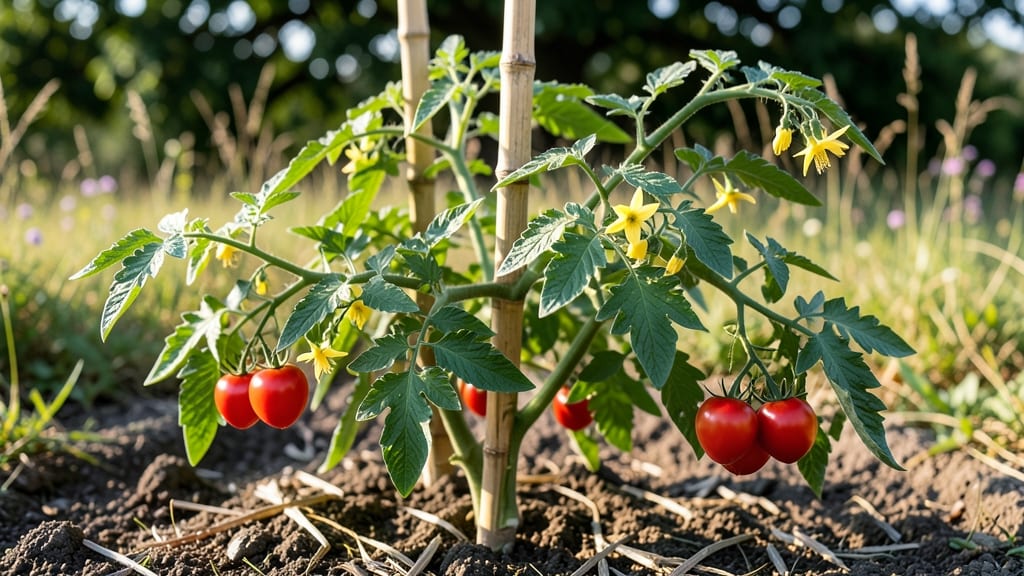
Growing Big Daddy hybrid tomatoes means turning your garden into a beefsteak factory—10-pound fruits on vines that stay compact enough for patios or small plots. 🌱 I planted mine in early May, and by July, I was harvesting tomatoes so massive they barely fit in my hands.
The secret isn’t just the variety—it’s the right balance of sunlight, water, and a little extra care that keeps these giants productive without sprawling everywhere.
These tomatoes thrive in full sun (6-8 hours daily) and well-draining soil rich in organic matter. A 5-gallon container or raised bed works perfectly—they don’t need acres, just consistent moisture and a sturdy cage or trellis to support those heavy fruits.
Overwatering is the biggest mistake, but I’ve found that deep watering 2-3 times a week (not daily shallow drinks) keeps the soil just right without cracking the skin of those monsters.
By mid-summer, you’ll be picking juicy, meaty slices perfect for sandwiches or grilling—no watery store-bought tomatoes here. The flavor? Rich, slightly sweet, with just enough tang to make every bite worth the wait.
Prune suckers regularly to focus energy on fruit production, and watch out for blight or aphids, which love these big, lush plants.
Even in small spaces, Big Daddy delivers 5-10 times the yield of standard tomatoes. Start seeds indoors 6-8 weeks before last frost, and you’ll be harvesting all summer long—just don’t let the neighbors steal your best ones!
The key is patience: these tomatoes take longer to ripen, but the payoff is worth every extra week.
📚 In This Guide
- What you need
- Instructions
- Tips and common mistakes
- Wrapping up and next steps
What you need
- ● Seeds or Seedlings: High-quality Tomato Big Daddy Hybrid seeds (or 4–6-week-old seedlings from a trusted nursery).
- ● Containers or Garden Space: Containers: 5-gallon fabric pots or plastic grow bags (2–3 per plant for optimal airflow).
- ● Garden Beds: Well-draining soil in a sunny spot (6+ hours of sunlight daily).
- ● Soil: Premium potting mix (e.g., Miracle-Gro Garden Soil) or a blend of compost, coconut coir, and perlite (60/30/10 ratio).
- ● Fertilizer: Balanced Starter: 10-10-10 or 5-5-5 fertilizer (1 tbsp per plant at transplanting).
- ● Bloom Booster: High-phosphorus fertilizer (e.g., 10-20-10) for fruiting (2 tbsp every 2–3 weeks).
- ● Support System: Cages or Trellis: Sturdy 5–6 ft tomato cages or a wooden trellis (to support 10+ lb fruits!).
- ● Ties: Soft plant ties or old T-shirts (to secure vines gently).
- ● Watering Supplies: Drip irrigation kit or a watering can with a long spout (to avoid wetting leaves).
- ● Pruning Shears: Sharp, sterilized shears (for trimming suckers and dead leaves).
- ● pH Test Kit: To monitor soil pH (ideal range: 6.0–6.8).
- ● Mulch: Straw or black plastic mulch (to retain moisture and suppress weeds).
- ● Shade Cloth: Lightweight 30–50% shade cloth (for hot climates to prevent sunburn).
- ○ Growth Regulator: Optional Seaweed extract or kelp meal (1 tsp per gallon of water) to boost yield.
Step-by-Step instructions for growing the tomato 'Big Daddy' Hybrid
Here’s how I’ve grown 10-pound tomatoes on compact vines—no trellis needed, just smart care.
🌱 Step 1: Start Seeds Indoors 8-10 Weeks Before Last Frost
Sow 2-3 seeds per cell in a sterile seed-starting mix (never garden soil—it’s too dense and can harbor disease). Press them ¼ inch deep—any deeper and they’ll struggle to break through. I use biodegradable peat pots because they eliminate transplant shock when it’s time to move the seedlings.
Cover the tray with a humidity dome or plastic wrap to trap warmth and moisture. Place it on a seedling heat mat set to 75-85°F—this speeds germination to 5-10 days. Without the heat mat, germination can take 2-3 weeks, and some seeds may fail entirely. Check daily for condensation; if the dome fogs up, lift it for 10 minutes to prevent mold.
☀️ Step 2: Provide 14+ Hours of Light After Germination
The moment those first true leaves (not the initial seed leaves) appear, remove the dome immediately—trapped moisture invites damping-off, a fungal disease that collapses seedlings overnight. Move the tray under a full-spectrum LED grow light positioned 2-4 inches above the plants. Without enough light, seedlings stretch leggy (tall and weak) and never recover.
Rotate the tray quarter-turn daily so plants grow straight, not lopsided. You’ll know the light is right when seedlings have thick stems, dark green leaves, and compact spacing between nodes (the points where leaves attach). If leaves yellow between veins, it’s overwatering—let the top inch of soil dry out before watering again.
🪴 Step 3: Transplant to Large Containers or Garden Beds
When seedlings are 4-6 weeks old and have 3-4 true leaves, it’s time to move them. The Big Daddy thrives in 5-gallon containers or deep garden beds—its roots need 18+ inches of soil depth to support those massive fruits. If using containers, ensure they have multiple drainage holes and fill with a well-draining potting mix mixed with compost. Avoid garden soil unless it’s rich and loose—compacted soil stunts root growth.
Plant deep: Bury ⅔ of the stem below soil level. This encourages stronger root systems and more fruit production. Water deeply right after transplanting to settle the soil and eliminate air pockets. Mulch with 2-3 inches of straw to retain moisture and suppress weeds—Big Daddy tomatoes need consistent water, especially as fruits swell.
💧 Step 4: Feed and Water for Maximum Fruit Size
Two weeks after transplanting, switch to a balanced, organic fertilizer (like 5-5-5) and apply it every 2 weeks. The Big Daddy responds best to regular feeding—its vines grow compact but productive, so they need steady nutrients to support those 10-pound tomatoes. I also side-dress with aged compost mid-season for a slow-release boost.
Water deeply 2-3 times per week, aiming for 1-2 inches of moisture per week. Let the top 2 inches of soil dry between waterings—Big Daddy hates soggy roots but wilts fast when thirsty. Water at the base, not overhead, to prevent blossom-end rot (a common issue with giant tomatoes). If you see yellowing leaves, it’s often overwatering or poor drainage—adjust immediately.
✂️ Step 5: Prune and Support for Compact Growth
Unlike indeterminate varieties, Big Daddy stays compact (4-5 feet tall), so no heavy pruning is needed. Instead, pinch off suckers (the small shoots in the leaf axils) to redirect energy into fruit production. Leave 3-4 main stems for the best balance of size and yield. Remove any yellow or diseased leaves promptly—this prevents spread of blight and keeps airflow strong.
If growing in containers, stake or cage the plant early to prevent toppling under the weight of those giant tomatoes. I use heavy-duty tomato cages (6+ feet tall) or wooden stakes with soft ties. As fruits swell, gently cradle them in your hands to support their weight—Big Daddy tomatoes can split if left unsupported as they near 10 pounds. Harvest when fully colored and slightly soft to the touch—they won’t ripen further off the vine.
Tips & tricks for perfecting the tomato 'Big Daddy' Hybrid
Between us, these are the little details that make the difference between decent tomatoes and true giants.
Seed Starting Precision: When planting those 2-3 seeds per cell in Step 1, label each cell immediately—this variety's seedlings grow fast, and you'll want to avoid accidental discards. I also recommend using a sterile seed-starting mix because garden soil can harbor fungal pathogens that kill seedlings before they sprout. The ¼-inch depth is critical; any deeper and seedlings struggle to break through, wasting your time and resources.
Lighting Strategy: In Step 2, those 14+ hours of light are non-negotiable for preventing leggy seedlings. I've found that positioning the full-spectrum LED grow light at 3 inches above the plants (closer than the 2-4 inch range suggested) gives even better results for the first 2 weeks. Watch for dark green leaves and thick stems—these are your indicators of proper light exposure. If leaves yellow between veins, it's a clear sign of overwatering; let the top inch dry out completely before watering again.
Transplanting Technique: The deep planting method in Step 3 is where Big Daddy's magic begins. Burying ⅔ of the stem below soil level triggers the buried portion to grow roots, creating a stronger plant. I've seen dramatic differences in fruit production when using this method versus shallow planting. After transplanting, water deeply to eliminate air pockets—this helps establish roots faster and prevents transplant shock.
Fruit Support System: As your tomatoes near 10 pounds in Step 5, their weight becomes a real challenge. I recommend using soft fabric ties (like old t-shirts cut into strips) rather than wire or plastic ties—they're gentler on the stems and won't cause damage as fruits swell. When cradling fruits in your hands, support them from below rather than just the sides; this prevents the stem from bearing all the weight and splitting.
Pro Tips for Tomato Big Daddy Hybrid
- Between us, these are the little details that make the difference between decent tomatoes and true giants.
- Seed Starting Precision: When planting those 2-3 seeds per cell in Step 1, label each cell immediately—this variety's seedlings grow fast, and you'll want to avoid accidental discards.
- Lighting Strategy: In Step 2, those 14+ hours of light are non-negotiable for preventing leggy seedlings.
Frequently asked questions
about the Tomato Big Daddy Hybrid—because growing monster tomatoes shouldn’t come with a mystery manual!How long does it take for Big Daddy tomatoes to mature and produce fruit?
The Big Daddy Hybrid typically matures in 65–75 days from transplanting, depending on climate and growing conditions. Early blooms may appear around 45–50 days, but full-sized tomatoes (8–10 lbs!) usually take 8–12 weeks after flowering. Patience pays off—these beauties are worth the wait!
Can I grow Big Daddy tomatoes in containers, or do they need a garden bed?
Yes! Despite their massive fruit, Big Daddy tomatoes thrive in 5-gallon containers or larger (at least 18" deep). Use a high-quality potting mix with added compost, and provide sturdy support (like a tomato cage or trellis). Just ensure the container gets full sun (6–8 hours/day) and consistent watering. Urban gardeners, rejoice!
Why are my Big Daddy tomatoes cracking, even though I’m watering them regularly?
Cracking is common in fast-growing varieties like Big Daddy due to uneven watering or rapid fruit expansion. To prevent it:
- Water deeply and consistently (1–2 inches per week).
- Avoid overhead watering (use drip irrigation or soaker hoses).
- Mulch around plants to retain moisture.
- Harvest tomatoes when they’re firm but ripe (not overripe).
What’s the ideal temperature range for growing Big Daddy tomatoes?
Big Daddy tomatoes love warmth but hate extremes. Ideal temps:
- Daytime: 70–85°F (21–29°C).
- Nighttime: 55–65°F (13–18°C).
Are there any disease-resistant alternatives if Big Daddy is prone to blight?
If disease resistance is a concern, consider these high-yielding, disease-resistant hybrids:
Variety
Resistance
Fruit Size
Celebrity
V, F, N (Verticillium, Fusarium, Nematodes)
6–8 oz
Sungold
V, F
4–6 oz (cherry)
Mountain Merit
V, F, N
8–12 oz
Wrapping up and next steps
Growing the Tomato Big Daddy Hybrid is your ticket to backyard gardening glory—imagine juicy, 10-pound tomatoes on compact vines! 🌱 With the right soil, support, and care, you’re not just growing a tomato; you’re cultivating a showstopper that’ll make your neighbors green with envy.
Whether you’re a seasoned gardener or a curious beginner, this hybrid proves that big rewards come in small packages.
Ready to harvest the fruits of your labor? Start by planting your seeds or seedlings this season, and soon, you’ll be slicing into homegrown perfection. Happy growing—your future tomato feasts are waiting! 🍅✨