
Pests
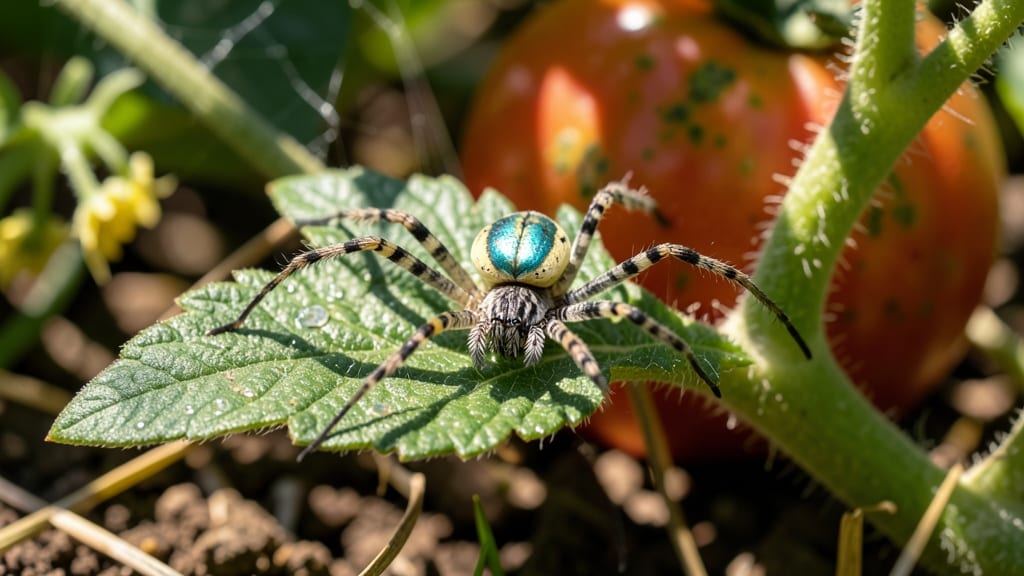
Finding tiny spiders on your tomato plants can feel like a nightmare—until you know how to handle them. 🕷️ These aren’t your friendly neighborhood spiders; they’re likely spider mites, which can turn lush leaves into dusty skeletons if left unchecked.
The good news? With the right approach, you can save your plants without harsh chemicals. Most infestations start small—look for webbing on the undersides of leaves or leaves that look like they’ve been dusted with flour.
The key is acting fast: isolate affected plants, blast them with water, and introduce natural predators like ladybugs. My tomato plants bounce back every time I catch this early. By next week, you’ll see fresh green leaves replacing the damaged ones, and your tomatoes will keep growing strong.
The secret is consistency: check plants weekly, especially in dry weather when mites thrive. This works for backyard gardens, containers, and even raised beds—just adjust your watering and monitoring routine. Let’s get those plants thriving again!
The Hidden Triggers Inviting Spiders
If you’ve spotted tiny eight-legged visitors feasting on your tomato plants, don’t blame bad luck—it’s usually a mix of environmental cues and garden habits. Understanding why these arachnids show up helps you disrupt their party before they ruin your harvest.
Below, we break down the most common causes, backed by science, so you can outsmart them organically.
Spiders thrive in warm, humid, and undisturbed spots—exactly the kind of cozy nooks tomato plants provide. Here’s why:
- Leaf litter and debris: Dead leaves, mulch, or even fallen fruit create perfect hiding spots for spider eggs and adults. These microhabitats retain moisture and shield spiders from predators (like birds or lizards). Think of it like a spider motel—convenient, private, and all-inclusive.
- Dense foliage: Tomato plants with thick vines and leaves offer hunting grounds for spiders. They weave webs between stems to catch prey (like aphids or whiteflies) while staying hidden. 💡 Pro tip: Prune plants to improve airflow—spiders dislike dry, breezy conditions!
- Greenhouse or container gardens: Enclosed spaces (like greenhouses or pots) trap heat and humidity, creating a spider buffet. Without natural predators or wind disruption, populations explode.
Spiders aren’t picky eaters—they’ll move in if their menu is nearby. Tomato plants often host other pests that spiders love, including:
| Pest | Why Spiders Love Them | How to Disrupt the Buffet |
|---|---|---|
| Aphids | Sweet, sticky honeydew attracts spiders (and their prey). | Blast plants with water or introduce ladybugs. |
| Whiteflies | Weak fliers make easy targets for jumping spiders. | Use yellow sticky traps or neem oil. |
| Thrips | Their tiny size and numbers create a spider’s dream feast. | Apply kaolin clay or diatomaceous earth. |
🔥 Key insight: If you eliminate the pests spiders eat, they’ll leave your tomatoes alone—or at least reduce their numbers dramatically.
Spiders are opportunists, and a messy garden is an open invitation. Here’s how sloppy habits help them:
- Overcrowded plants: When tomato vines grow too close, spiders can travel plant-to-plant without detection. ✨ Fix it: Space plants 18–24 inches apart for better visibility and airflow.
- Ignored weeds: Weeds harbor spider eggs and alternative prey. A weed-free zone (especially near tomato beds) makes your garden less appealing to spiders.
- Lack of rotation: Growing tomatoes in the same spot yearly lets spider populations build up in the soil. Crop rotation disrupts their life cycle.
Spiders are sensitive to weather shifts, and extreme conditions can force them into your garden:
- Heavy rain: Floods wash spiders from nearby structures (like sheds or fences) into your tomato patch. They seek dry, elevated spots—your plants fit the bill.
- Prolonged drought: When soil dries out, spiders abandon ground-level webs and climb plants to hunt for moisture-loving prey (like fungus gnats).
- Sudden temperature drops: Cool nights make spiders less active, but they’ll retreat to the warmth of plant canopies during the day.
🌡️ Actionable fix: Use row covers in early spring to block migrating spiders before they establish webs.
Now that you know why spiders crash your tomato party, the next step is turning the tables—stay tuned for organic removal tactics that actually work! 🕷️🚫
Quick Fixes for Webby Garden Invaders
If spiders have spun their webs among your tomato plants, don’t panic—there are simple, organic ways to evict them without harming your harvest or the ecosystem. The key is identifying the cause (whether it’s shelter-seeking spiders, pest-attracting chaos, or a lack of natural predators) and applying targeted solutions.
Below, we’ll break down practical fixes for each common scenario, plus prevention tips to keep your garden spider-free long-term.
Spiders love hiding in dense foliage, debris, or cluttered garden beds. If your tomato plants are their new favorite hideout, remove their real estate with these steps:
- 🔥 Trim Back Overgrowth Prune tomato leaves and stems that touch the ground or block airflow. Spiders thrive in dark, damp spots—open up the plant to discourage them. Pro Tip: 💡 Use sharp, clean shears to avoid spreading disease. Dispose of clippings in a sealed bin (not compost).
- 🧹 Declutter the Base Remove weeds, mulch piles, or fallen leaves near your plants. Spiders use these as highways to invade. Rake the soil surface and relocate debris at least 3 feet away from your tomatoes.
- 🌿 Use Diatomaceous Earth (DE) Strategically Sprinkle food-grade DE lightly around the base of plants (avoid direct contact with leaves). It’s a natural abrasive that dehydrates spiders—but reapply after rain.
Spiders often move in when aphids, whiteflies, or beetles take over. If your tomatoes are a buffet for bugs, starve out the spiders’ food supply:
- 🍳 Introduce Beneficial Insects Ladybugs, lacewings, and predatory mites eat spider prey—not spiders themselves. Buy them online or attract them with neem oil sprays (which repel pests but not beneficial bugs).
- 🥘 Spray Soapy Water (Targeted Attack) Mix 1 tsp mild castile soap + 1 quart water in a spray bottle. Directly hit webs (not leaves) to dissolve silk and drown trapped pests.
Reapply every 3–4 days until webs vanish. Warning: ⏰ Do this early morning or late evening to avoid harming bees.
- 🌿 Plant Spider-Repelling Companions Basil, marigolds, and garlic chives deter spiders naturally. Interplant them near tomatoes to create a spider-free zone.
Spiders are part of a garden’s food chain. If they’re overpopulating, it might mean birds, frogs, or ground beetles are scarce. Encourage their return with these tricks:
- 🏡 Build a Mini Habitat Add a small water dish (with pebbles for insects to drink) or a log pile near your garden. Frogs and toads will move in and eat spiders for breakfast.
- 🌙 Leave Some “Messy” Corners Avoid over-tidying your garden. Piles of rocks, old bricks, or even a small patch of long grass provide hiding spots for spider predators.
- 🎯 Use Sticky Traps (Temporarily) Place yellow sticky traps near (not on) tomato plants to catch flying spiders. Check them daily and replace when full. Remove after 2 weeks—they’re not a long-term fix.
Once you’ve evicted the spiders, lock them out with these low-effort habits:
- 🌡️ Maintain Garden Hygiene
- Water in the morning (damp webs at night attract spiders).
- Rotate crops yearly to disrupt spider life cycles.
- Use reflective mulch (like silver plastic) to confuse web-spinning spiders.
- 🌿 Choose Spider-Resistant Tomato Varieties Some tomatoes (like ‘Solar Fire’ or ‘Mountain Merit’) are less appealing to spiders. Check seed packets for pest-resistant labels.
- 🔥 Weekly Inspections Spend 5 minutes every Sunday checking for new webs. Early detection = easy removal.
Final Reminder: 🌱 Spiders are harmless to humans and even help control pests—only act if they’re ruining your plants. With these methods, you’ll have spider-free tomatoes in no time!
Frequently asked questions
Are the spiders on my tomato plants harmful to eat?
No, they’re not harmful to humans! Most garden spiders are harmless and even help control pests like aphids. The real concern is spider mites—tiny, plant-sucking pests that look like spiders but can damage your tomatoes. Focus on removing webs and checking leaves for signs of these tiny invaders.
How do I tell if it’s spiders or spider mites on my tomatoes?
Real spiders are larger (1/8 inch+) and build visible webs between leaves. Spider mites are microscopic—look for yellow stippling on leaves or fine webbing on leaf undersides. Use a magnifying glass to check for tiny moving dots (mites) vs. larger spiders.
Will neem oil kill spiders or just repel them?
Neem oil won’t kill adult spiders directly, but it disrupts their life cycle by repelling prey (like aphids) they feed on. For existing spiders, combine neem oil with soapy water sprays to break their webs. Reapply every 5-7 days for best results.
Can I use coffee grounds to get rid of spiders?
Yes! Sprinkle used coffee grounds around your tomato plants—the strong smell repels spiders naturally. Work them into the soil or place them near plant bases. For extra protection, mix with crushed garlic cloves (another spider deterrent). Refresh every few days after rain.
How often should I check my tomato plants for spiders?
Check weekly during growing season, but increase to every 3-4 days if you spot early signs (webs or tiny spiders). Focus on leaf undersides and new growth—these are spider hotspots. Morning checks work best when spiders are most active.