
Plants
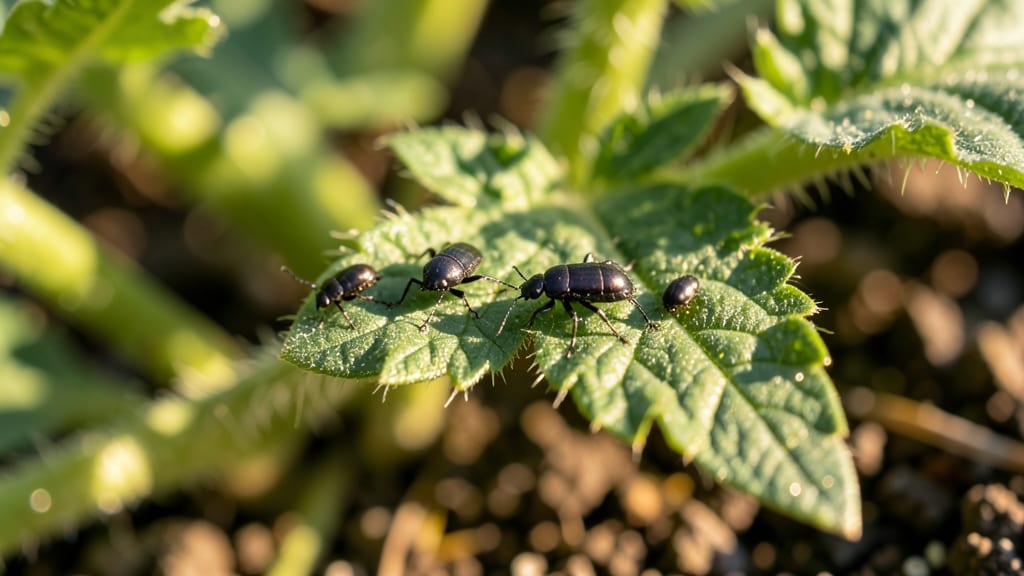
Those small black bugs on tomato plants devouring your tomato leaves aren’t just annoying—they’re stealing your harvest right before your eyes. 🌱 I’ve battled everything from aphids to flea beetles, and the key to saving your plants starts with quick identification and the right removal strategy.
Most of these pests—like tiny black flea beetles or aphids—leave behind telltale signs: chewed leaves, sticky residue, or even entire plants looking like Swiss cheese. The damage adds up fast, but the good news is that most can be controlled without harsh chemicals if you act early.
You’ll learn to spot the difference between harmless visitors and destructive invaders, then use targeted solutions like neem oil, row covers, or even a strong spray of water to knock them off. Within a week, your tomato plants can bounce back with proper care.
This works for both backyard gardens and container-grown tomatoes. Let’s get those plants healthy again before the bugs take over completely.
Root Causes Of Tiny Black Invaders
Those tiny black bugs swarming your tomato plants aren’t just a random annoyance—they’re often drawn by specific conditions that turn your garden into an all-you-can-eat buffet. Understanding why they show up is the first step to stopping them before they strip your plants bare.
Let’s break down the key triggers, from environmental cues to plant weaknesses.
Tomatoes are a magnet for pests when they’re at their most vulnerable. Overripe, rotting, or physically damaged fruit releases sugars, acids, and fermenting compounds that signal: "Free meal here!" to insects like aphids, fruit flies, and even tiny beetles.
- How it works: Microbes break down damaged fruit, creating ethanol and volatile organic compounds (VOCs)—scent trails that pests follow from yards away.
- Actionable fix:
- 🔥 Harvest promptly: Pick tomatoes the moment they ripen to avoid softening.
- 🍳 Remove debris: Clear fallen or split fruit daily to cut off the scent signal.
- 👨🍳 Prune strategically: Trim crowded branches to improve airflow, reducing fruit rot.
Stressed tomato plants are like neon signs for pests. Drought, nutrient deficiencies, or disease weaken a plant’s cuticle (its natural protective layer), making it easier for bugs to pierce skin and feed. Sap-sucking insects like aphids and whiteflies thrive on stressed hosts because the plant’s defenses are down.
| Stress Type | Bug Attraction Boost | Fix It Fast |
|---|---|---|
| 💧 Underwatering | Dry, brittle leaves = easier entry for mites and thrips. | Water deeply 1–2x/week (check soil 2" down). Use mulch to retain moisture. |
| 🌡️ Overwatering | Soggy roots = fungal diseases (like early blight), which attract fungus gnats. | Ensure well-draining soil; water at soil level, not leaves. |
| 📊 Nutrient Deficiency | Yellowing leaves (nitrogen) or purple stems (phosphorus) = weakened immunity. | Fertilize with balanced 10-10-10 or compost tea every 3–4 weeks. |
Pests don’t just land on your plants—they hitchhike from nearby hiding spots.
Weeds, compost piles, and even old garden tools can harbor eggs, larvae, or adult bugs waiting to migrate. Black vine weevils and stink bugs, for example, overwinter in leaf litter or mulch, then emerge when tomatoes are in bloom.
- How it spreads:
- 🌱 Weeds: Many pests (like flea beetles) lay eggs in weed patches before moving to crops.
- 🔪 Organic matter: Compost heaps can incubate fungus gnats if too wet.
- ⏰ Dormant stages: Bugs like aphids produce sticky honeydew that attracts ants, creating a pest “highway.”
- Prevent it:
- 💡 Clear debris: Remove old plant matter, weeds, and mulch from a 3-foot radius around tomatoes.
- ✨ Quarantine new plants: Inspect nursery-bought tomatoes for eggs or bugs before transplanting.
- 🎯 Disrupt life cycles: Till soil in fall to expose overwintering pests to predators (like birds) or cold.
Timing matters. Many small black bugs have specific seasonal cues to attack tomato plants. For instance:
- Early season (spring):
- 🐞 Flea beetles emerge when soil temps hit 55°F—chewing tiny holes in seedlings.
- 🌿 Solution: Use row covers until plants are 6" tall.
- Mid-season (summer):
- 🍓 Harvesting attracts fruit flies (especially if fruit is bruised).
- 🍎 Solution: Trap flies with apple cider vinegar + dish soap bait.
- Late season (fall):
- 🕷️ Spiders and stink bugs seek shelter in dense foliage as temps drop.
- 🌡️ Solution: Prune plants to improve airflow and reduce hiding spots.
By addressing these root causes—not just the bugs themselves—you’re effectively breaking their life cycle. Next up: How to tell which tiny black bug is feasting on your tomatoes (and what to do about it).
Natural Ways to Remove & Prevent Tiny Invaders
Once you’ve identified the tiny black pests wreaking havoc on your tomato plants, it’s time to act—fast! 🚀 These solutions target the most common culprits (aphids, flea beetles, stink bugs, or fungus gnats) with effective, chemical-free methods that won’t harm your plants (or your family).
Below, we’ve mapped the best fixes to each likely cause, plus prevention tips to keep your tomatoes thriving.
Cause: Soft-bodied aphids or jumpy flea beetles chewing leaves/stems. Fix:
- 🔥 Soapy Water Blast (Best for Aphids) Mix 1 tsp mild dish soap (like Castile) + 1 quart water in a spray bottle. Target the undersides of leaves (where aphids hide) and stems. Reapply every 3–4 days until gone. Pro Tip: 💡 Add 1 tsp neem oil to the mix for extra pest-repelling power.
- 🍳 Diatomaceous Earth (DE) Dust (Flea Beetles & Aphids) Sprinkle food-grade DE lightly on soil and leaf surfaces. It’s a natural abrasive that dehydrates bugs. Reapply after rain. Avoid overusing—it can harm beneficial insects too!
- 👨🍳 Yellow Sticky Traps (For Flea Beetles) Hang yellow cards coated with petroleum jelly near plants. Flea beetles are drawn to yellow and get stuck. Check traps daily and replace when full.
Cause: Shield-shaped stink bugs piercing fruit/leaves, leaving black specks. Fix:
- 🥘 Handpick & Drop in Soapy Water Stink bugs are slow-moving—wear gloves and crush or drop them into a bucket of soapy water. Do this early in the morning when they’re sluggish.
- 🔪 Row Covers (Prevention + Control) Cover young plants with fine mesh netting (1/4-inch or smaller) to block adults from laying eggs. Secure edges tightly to prevent entry.
- 🌡️ Beneficial Nematodes (Soil Treatment) Apply heterorhabditis bacteriophora nematodes to the soil. These microscopic worms seek out and kill stink bug eggs/larvae naturally. Water well after application.
Cause: Tiny black gnats hovering near soil, causing wilting or moldy stems. Fix:
- ⏰ Let the Soil Dry Between Waterings Fungus gnats thrive in moist soil. Water only when the top 1 inch of soil is dry, and use pots with drainage holes.
- 💡 Yellow Sticky Traps (Again!) Place traps above the soil to catch adult gnats before they lay eggs. Replace every 5–7 days.
- 🥗 Sand or Cinnamon Topping (Egg Barrier) Sprinkle a thin layer of coarse sand or cinnamon on the soil surface. It disrupts egg-laying and adds a mild antifungal boost.
Once your plants are pest-free, lock in success with these habits:
- 🌱 Rotate Crops: Avoid planting tomatoes (or nightshades) in the same spot yearly—this breaks pest life cycles.
- 🌿 Companion Planting: Interplant with basil, marigolds, or garlic—their scents repel many tomato pests.
- 🔥 Clean Up Debris: Remove fallen leaves, weeds, and old plant matter where pests hide over winter.
- 🎯 Inspect New Plants: Quarantine store-bought or nursery plants for 1–2 weeks before adding them to your garden.
Remember: Consistency is key! Check plants daily during outbreaks and reapply treatments as needed. With these methods, your tomato plants will bounce back—and next season, they’ll be pest-proof champions! 🍅💪
Frequently asked questions
What are the most common tiny black bugs found on tomato plants?
You're likely dealing with flea beetles, aphids, or stink bugs. Flea beetles jump when disturbed and create tiny holes in leaves, while aphids leave sticky residue. Stink bugs have shield-shaped bodies and pierce fruit. Examine the damage pattern to identify them.
Are these small black bugs harmful to my tomato plants?
Yes, they can be very damaging. Flea beetles chew leaves, stunting growth, while aphids and stink bugs suck plant sap, weakening the plant and spreading diseases. Heavy infestations can reduce yields by up to 50% if left unchecked. Act quickly to prevent long-term damage.
How can I tell if my tomato plants have a fungus gnat infestation?
Look for tiny black flies hovering near soil and wilting seedlings. Check the soil surface for tiny white larvae that wiggle when disturbed. Unlike other pests, fungus gnats thrive in moist soil and cause moldy stems. Reduce watering to solve this issue.
Will neem oil work on all types of small black bugs?
Neem oil is effective against aphids, whiteflies, and young stink bugs, but less effective on flea beetles or stink bug adults. For flea beetles, use row covers or yellow sticky traps. Always mix neem oil with water and a drop of dish soap for better adhesion.
How long does it take to see results from natural pest control methods?
Most natural methods like soapy water sprays or diatomaceous earth show improvement in 3-5 days, while beneficial nematodes take 2-3 weeks to fully work. Consistency is key—reapply treatments every 3-7 days until the infestation is gone.