
Plants
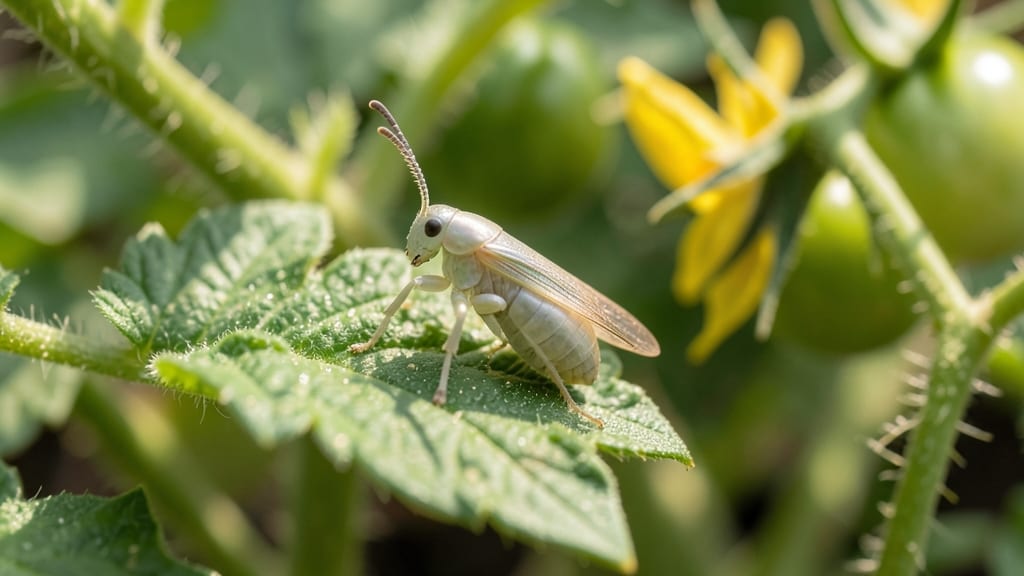
Those tiny bugs on tomato plants can turn your lush vines into a skeleton in days if you don’t act fast. 🌱 I’ve battled aphids, spider mites, and whiteflies on my heirloom tomatoes, and neem oil is the secret weapon that saved my harvest—no harsh chemicals needed.
Most of these pests—like aphids or thrips—start as tiny specks on new growth, but they multiply fast when left unchecked. The good news? Neem oil disrupts their life cycle within 24-48 hours, and it’s safe for plants when used right.
You’ll spot the damage first: curled leaves, sticky residue (from aphids), or fine webbing (spider mites).
By the time you finish spraying, your plants will be on the path to recovery—no more wilting, no more stunted growth. The key is early action: treat at the first sign, and you’ll protect your tomatoes before the bugs become a full-blown crisis.
Works for greenhouses, containers, or in-ground gardens—just mix it right and apply it consistently. Let’s get those pests under control before they ruin your harvest.
Root Causes of Tiny Tomato Invaders
Those pesky tiny bugs on your tomato plants aren’t just random visitors—they’re drawn by specific conditions that turn your garden into an all-you-can-eat buffet. Understanding why they show up is the first step to kicking them out for good.
Below, we break down the most common triggers, from environmental factors to plant health red flags.
Tomato plants under stress are like neon signs for pests: weak, crowded, or nutrient-starved plants attract bugs faster than a candy store attracts kids. Here’s why:
- Poor air circulation: Dense foliage traps moisture, creating a humid microclimate that thrips, aphids, and whiteflies love. Without airflow, their eggs thrive, and natural predators (like ladybugs) can’t patrol effectively.
- Nutrient deficiencies: Plants low in nitrogen or phosphorus produce softer, more sugary leaves—a buffet for sap-sucking bugs. Yellowing leaves or stunted growth? That’s bug bait.
- Root-bound stress: If your tomatoes are root-bound or overwatered, their immune system weakens. Spider mites and fungus gnats detect this stress and move in.
💡 Pro Tip: Space plants 18–24 inches apart and prune suckers regularly to improve airflow. A quick soil test can reveal deficiencies—add compost or balanced fertilizer (like 10-10-10) to boost resilience.
Heat waves and drought stress don’t just wilt your tomatoes—they invite tiny pests that thrive in arid environments. Here’s the science:
- Spider mites: These 8-legged hitchhikers multiply 20x faster in dry heat because their eggs dry out slower. They pierce leaves to suck sap, causing stippling (tiny white/yellow dots).
- Fungus gnats: While they love moisture, their larvae hatch faster in warm soil (above 70°F). Overwatered pots with poor drainage? Instant gnat nursery.
- Whiteflies: These tiny moth-like bugs are drawn to heat-stressed plants because they release more volatile organic compounds (VOCs)—a scent signal that says, “Eat me!”
🌡️ Actionable Fix: Mulch heavily to retain moisture, and water deeply early in the morning to avoid evening humidity spikes. A light shade cloth (30–50%) can protect plants during heatwaves.
Some bugs don’t just eat your tomatoes—they’re drawn by the plant’s natural chemistry. Here’s what’s luring them:
| Bug Type | Why They Come | Tomato Plant Trigger |
|---|---|---|
| Aphids | Feed on phloem sap (plant “blood”). | New growth, tender leaves, and high nitrogen levels make sap sweeter. |
| Thrips | Love pollen and soft flower buds. | Tomatoes produce pollen-heavy flowers, especially in hot weather. |
| Whiteflies | Thrive on sticky honeydew (aphid waste) and weak plants. | Over-fertilized or stressed tomatoes exude more honeydew. |
✨ Prevention Hack: Remove spent flowers (especially on indeterminate varieties) to reduce pollen. For aphids, spray leaves with water + a drop of dish soap to disrupt their feeding signals.
Most tiny tomato pests don’t evolve on your plants—they hitch a ride. Here’s how they infiltrate your garden:
- Wind and water: Aphids and whiteflies ride wind currents or splash into plants during rain. Fungus gnat adults are drawn to moisture-rich soil from neighboring pots.
- Contaminated tools/gardeners: Walking through infested areas or reusing pots without sterilization spreads eggs. Spider mites can hitch a ride on clothing!
- Wildlife bridges: Birds, bees, and even deer can transfer pests between plants. Aphids, for example, cling to bee legs and hopscotch to new hosts.
🔥 Quarantine Protocol: Inspect new plants under a magnifying glass before transplanting. Keep garden tools in a 70% alcohol solution, and avoid walking on wet soil to prevent spreading fungus gnat larvae.
Now that you know why these tiny troublemakers show up, the next step is attacking them with neem oil and organic tactics—but first, identify the culprit with our pest guide!
Quick Fixes for Tiny Tomato Plant Pests
Now that you know what’s munching on your tomato plants, it’s time to take action! The good news? Most tiny pests can be controlled with simple, organic methods—no harsh chemicals needed. Below, we’ll match the most common culprits to the best fixes, plus tips to keep your plants thriving long-term.
Fix: These sap-sucking pests cluster on new growth, leaving sticky residue. Here’s how to evict them fast:
- 💦 Blast Them Off Use a strong stream of water from your hose to knock aphids off leaves. Do this in the early morning so the plants dry quickly.
- 🌿 Introduce Beneficial Insects Ladybugs and lacewings love aphids. Buy them online or attract them by planting dill, fennel, or marigolds nearby.
- 🍋 Homemade Spray Recipe Mix 1 tbsp dish soap + 1 tbsp vegetable oil + 1 quart water in a spray bottle. Shake well and spray directly on infested areas (test on a small leaf first).
💡 Prevention Tip: Prune crowded foliage to improve airflow—aphids thrive in tight spaces.
Fix: These barely visible pests spin webs and cause stippling (tiny white dots) on leaves. Combat them with:
- 🌧️ Increase Humidity Spider mites hate moisture. Mist plants daily or place a tray of water near them to raise humidity.
- 🧴 Neem Oil Spray (Your Secret Weapon) Mix 1 tsp neem oil + 1 tsp mild soap + 1 quart water. Spray undersides of leaves (where mites hide) every 5–7 days until gone.
- 🍎 Companion Planting Plant basil or garlic nearby—both repel spider mites naturally.
🔥 Pro Tip: If mites are bad, rinse leaves with water first to remove webbing before spraying.
Fix: These white, moth-like bugs flutter when you disturb plants. Here’s how to trap and trap them:
- 🕯️ Yellow Sticky Traps Hang yellow cards coated with petroleum jelly near plants. Whiteflies are drawn to yellow and get stuck.
- 🌿 Soapy Water Spray Spray a soapy water solution (1 tsp soap per quart of water) directly on leaves to suffocate them.
- 🌿 Reflectant Mulch Cover the soil with aluminum foil or reflective mulch—whiteflies dislike bright light and may avoid your plants.
✨ Prevention Tip: Inspect new plants before bringing them home—whiteflies often hitchhike on leaves!
Fix: These tiny black flies lay eggs in moist soil. Stop the cycle with:
- 💧 Let Soil Dry Between Waterings Fungus gnats thrive in soggy soil. Water only when the top inch is dry.
- 🍋 Apple Cider Vinegar Trap Fill a shallow dish with 1 part apple cider vinegar + 1 part water. Cover with plastic wrap, poke holes, and place near plants. Adults fly in and drown.
- 🌱 Sand or Perlite Topping Sprinkle a ¼-inch layer of coarse sand or perlite on soil to deter egg-laying.
🎯 Long-Term Fix: Use mosquito bits (Bti) in water—it’s organic and kills larvae without harming plants.
Fix: Thrips leave silver streaks on leaves and damage flowers. Try these fixes:
- 🌿 Blue Sticky Traps Thrips are attracted to blue. Hang blue sticky cards to catch adults.
- 🍋 Rubbing Alcohol Spray (Emergency Fix) Mix 1 part rubbing alcohol + 3 parts water + a drop of soap. Spray on bad spots (use sparingly—it can dry leaves).
- 🌿 Row Covers Cover young plants with floating row covers to block thrips while allowing pollination.
💡 Prevention Tip: Remove weeds and debris—thrips love hiding there.
No matter the pest, these universal tips help:
- 🌱 Rotate crops yearly to disrupt pest life cycles.
- 🌿 Plant pest-repelling herbs like basil, mint, or thyme nearby.
- 🌞 Give plants sunlight—healthy plants resist pests better.
- 🧹 Clean up fallen leaves regularly to remove hiding spots.
🚀 Ready to Act? Start with neem oil or sticky traps for the fastest results. Most pests can be controlled in 1–2 weeks with consistent care. Your tomato plants will be back to thriving in no time! 🍅✨
Frequently asked questions
How do I tell if tiny bugs on my tomato plants are harmful?
Check for these red flags: curled leaves, sticky residue (aphid honeydew), or tiny webs (spider mites). Most pests like aphids or whiteflies won’t kill your plants immediately, but they weaken them by sucking sap. If you see silver streaks on leaves or damaged flowers, it’s likely thrips—act fast to protect your harvest.
Can I use neem oil on tomato plants with fruit?
Yes, but wait until fruits are at least 1 inch in size before spraying. Neem oil is safe when used correctly, but it can affect pollinators if applied during flowering. For best results, spray in the early evening when bees are less active, and avoid overspraying flowers.
Why do tiny bugs keep coming back after I treat them?
Pests often return due to hidden eggs or new infestations from nearby plants. To break the cycle, treat both the plants and soil (especially for fungus gnats), and quarantine new plants for 2 weeks. Also check for stressed plants—weak tomatoes attract more bugs like a magnet.
What’s the fastest way to get rid of fungus gnats?
Combine these three methods for quick results: let the top 1 inch of soil dry between waterings, place apple cider vinegar traps near pots, and top soil with sand or perlite to block egg-laying. Adults will disappear in 3-5 days if you stay consistent.
Are there any plants I can grow near tomatoes to repel bugs?
Plant basil, marigolds, or garlic nearby—they naturally repel aphids, whiteflies, and spider mites. These companion plants also improve tomato flavor while keeping pests at bay. Just avoid planting fennel (it attracts spider mites).