
Pests and Diseases
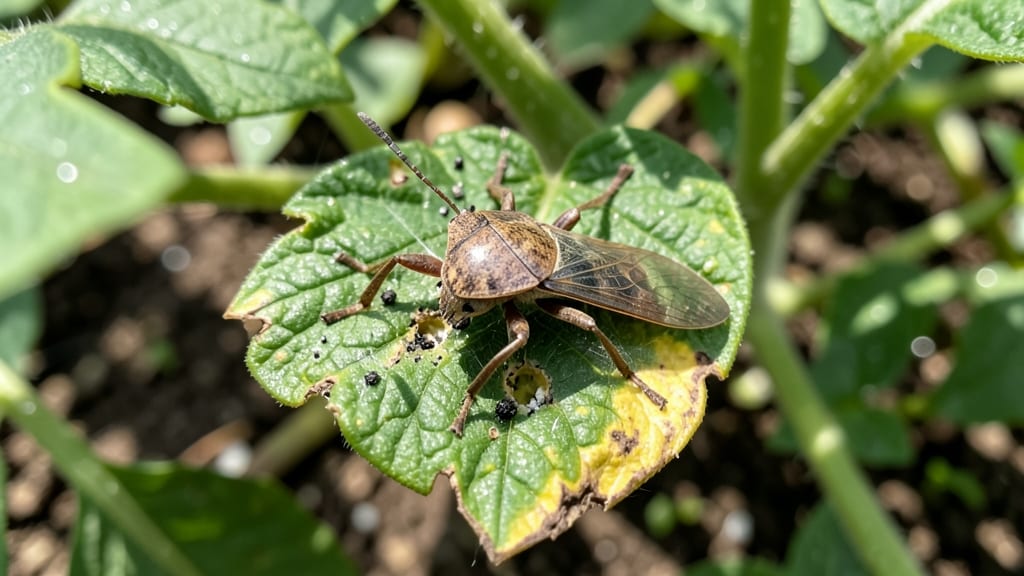
When the stink bug tomato damage turns your perfect fruit into a ruined harvest with tiny punctures, it’s time to act fast. 🌱 I’ve watched my prized heirloom tomatoes go from glossy red to ruined in days—until I learned these organic removal tricks that actually work.
The key is acting fast before the bugs multiply and the damage spreads.
These shield-shaped pests leave telltale signs: small white scars on tomatoes, wilting leaves, and a pungent odor when crushed. Most gardeners panic and reach for chemicals, but I’ve found that daily inspection and physical removal (like dropping them into soapy water) stops infestations before they take hold.
Even better? Companion plants like basil and marigolds deter them naturally.
Within a week of consistent removal, your tomatoes regain their shine and flavor. The scars fade, new growth stays healthy, and you’ll harvest plump, blemish-free fruit all season long. No more tossing ruined tomatoes—just a thriving vine that keeps producing.
Works for backyard gardens, containers, or raised beds—just check your plants every morning during peak stink bug season. Here’s how to make it happen without chemicals or guesswork.
The Hidden Culprits Behind Tomato Harm
Stink bugs may seem like harmless garden visitors at first glance, but these shield-shaped invaders are stealthy destroyers of tomato crops. Their damage isn’t just cosmetic—it’s functional, often going unnoticed until your harvest is compromised.
Let’s break down the science behind why these pests wreak havoc on your tomatoes, so you can protect your plants before it’s too late.
Stink bugs don’t chew—they pierce tomato tissue with their stylets, a pair of needle-like mouthparts that inject digestive enzymes. These enzymes liquefy plant cells on contact, allowing the bug to suck out nutrients—sap, sugars, and even water—like a straw. The result?
- Catface scarring: Their feeding creates ragged, star-shaped wounds on tomato fruit, especially near the blossom end. These scars are unsightly and inedible, rendering affected tomatoes unusable.
- Nutrient depletion: Heavy feeding weakens the plant, stunting growth and reducing yields. Tomatoes may fail to ripen properly or drop prematurely.
- Secondary infections: Open wounds invite fungi and bacteria, leading to rot or mold—turning your green tomatoes into a slimy mess before harvest.
Why it’s worse: Stink bugs target young, tender fruit (like green tomatoes) because their thinner skin is easier to penetrate. Once they’ve drained a tomato, they move on—leaving you with no warning until you spot the damage.
Stink bugs aren’t just physical pests—they hijack plant chemistry. When they feed, they release saliva containing enzymes that disrupt the tomato’s natural defenses. Here’s how:
- Disrupted photosynthesis: Their feeding near leaves or stems can clog plant vessels, preventing water and nutrients from reaching critical areas. This causes yellowing (chlorosis) or necrotic spots on leaves and fruit.
- Hormonal chaos: Stink bugs inject growth-inhibiting compounds that trigger abnormal fruit development, such as:
- Deformed tomatoes (lopsided or misshapen)
- Blossom-end rot (a classic sign of calcium deficiency, but stink bugs exacerbate it)
- Premature fruit drop
- Attracting more pests: Damaged tomatoes emit volatile organic compounds (VOCs) that signal other pests—like fruit flies or aphids—to feast on weakened plants.
Pro tip: 💡 If you notice silver or white speckling on tomato leaves (a sign of stink bug frass or saliva residue), act fast—this is a red flag that chemical warfare is already underway.
Stink bugs aren’t year-round pests—they time their attacks for maximum damage. Their life cycle aligns with tomato vulnerability:
| Stage | Tomato Risk | Why It’s Dangerous |
|---|---|---|
| Early summer (adults) | Green tomatoes & flowers | Adults target blossoms, causing flower drop and reduced fruit set. They also pierce young fruit, leading to catface scars. |
| Late summer (nymphs) | Ripening tomatoes | Nymphs (baby stink bugs) are more aggressive feeders and cluster on soft, ripe tomatoes, causing internal damage that’s hidden until you slice them open. |
| Fall (overwintering adults) | Any remaining fruit | As temperatures drop, stink bugs seek shelter in garden debris or plant debris, continuing to feed until frost kills them. |
Key takeaway: 🌡️ Stink bugs peak in late summer when tomatoes are most susceptible. If you’re seeing damage after fruit set, nymphs are likely the culprits.
Stink bugs don’t randomly attack—they’re drawn to specific conditions that make your tomatoes irresistible. Here’s what’s luring them:
- Dense foliage: Tomatoes with thick, bushy vines provide hiding spots and make spotting bugs harder. Prune regularly to reduce stink bug populations.
- Weedy gardens: Stink bugs overwinter in weeds and crop debris. A tidy garden = fewer hiding places.
- Drought stress: Water-stressed tomatoes emit more sugars in their sap, making them a nutrient-rich snack for stink bugs.
- Nearby fields or woodlots: Stink bugs migrate from wild areas in late summer. If your garden is downwind of cornfields, soybeans, or weeds, expect an invasion.
- Nighttime feeding: Stink bugs are most active at dawn and dusk, when they avoid predators (like birds or spiders). This is why you might miss them during the day.
Actionable fix: ✨ Monitor your garden at dusk with a flashlight—this is when you’ll spot clusters of stink bugs before they cause major damage.
Stop Stink Bugs from Ruining Tomatoes
Stink bugs may be small, but their damage to your tomato plants can be devastating—especially if left unchecked. The good news? With the right strategies, you can minimize harm, protect your harvest, and even prevent future invasions.
Below, we break down targeted solutions based on the type of damage and stage of infestation, plus proactive tips to keep these pests at bay.
If you catch stink bugs early (before they multiply), physical removal is your best first line of defense. These bugs are slow-moving, making them surprisingly easy to squish or trap.
👨🍳 Step 1: Scout & Remove Adults
- When to act: Early morning or evening when bugs are sluggish (they’re less likely to fly away).
- How to do it:
- Wear gloves (they secrete a foul odor when crushed).
- Gently shake plants over a bucket of soapy water (1 tbsp dish soap per gallon) to drown them.
- Use a shop vacuum (with a fine mesh bag) to suck them up—empty it far from your garden.
- Pro tip: 💡 Check undersides of leaves, tomato clusters, and stems where they hide.
🛡️ Step 2: Install Physical Barriers
- Row covers: Use fine mesh netting (1/8" or smaller) over young plants to block adults from laying eggs.
- Collars: Wrap cardboard collars around stems to deter egg-laying (remove when plants flower).
- Diatomaceous earth (DE): Sprinkle food-grade DE around the base of plants (reapply after rain). It’s non-toxic but dehydrates bugs.
If stink bugs have already caused visible damage (scarring, wilting, or stunted growth), ramp up your defenses with traps and targeted sprays.
🕷️ Step 3: Deploy Sticky Traps
- Purple traps: Stink bugs are attracted to purple sticky traps. Place them near (but not on) plants to lure adults away.
- Yellow pans: Fill shallow pans with soapy water + a drop of dish soap and paint the rims yellow for extra visibility.
- Pro tip: 🌡️ Timing matters: Set traps in late afternoon when bugs are most active.
💦 Step 4: Spray Organic Repellents
- Neem oil: Mix 2 tbsp neem oil + 1 tsp mild soap per gallon of water. Spray early morning or late evening to avoid harming bees.
- Kaolin clay: Creates a physical barrier bugs dislike. Spray on leaves (reapply after rain).
- Insecticidal soap: Use a horticultural oil-based soap (like Safer® Brand) to suffocate bugs on contact.
- Warning: ⚠️ Avoid sprays on blooming tomatoes to protect pollinators.
When stink bugs have taken over and your tomatoes show cat-faced deformities or excessive feeding, you’ll need a multi-pronged approach.
🐛 Step 5: Introduce Beneficial Predators
- Trichogramma wasps: Tiny parasitic wasps lay eggs in stink bug eggs, killing them before they hatch. Order from garden centers.
- Spined soldier bugs: These predators love stink bugs. Release them in the evening when stink bugs are active.
- Ladybugs: While they prefer aphids, they’ll also eat stink bug nymphs.
🌱 Step 6: Rotate & Strengthen Plants
- Crop rotation: Avoid planting tomatoes, peppers, or eggplants in the same spot next year—stink bugs return to familiar areas.
- Companion planting: Interplant with basil, marigolds, or thyme to mask tomato scents and repel bugs.
- Healthy soil: Boost plant resilience with compost and balanced fertilizer (over-fertilizing attracts more pests).
The best defense is a consistent prevention plan. Stink bugs thrive in clutter and debris, so stay one step ahead.
🧹 Year-Round Maintenance
- Clean up: Remove fallen leaves, weeds, and garden debris where stink bugs overwinter.
- Mulch carefully: Use straw or wood chips (avoid thick layers that trap moisture and attract pests).
- Monitor nearby: Check weeds, wild berries, and neighboring farms—stink bugs migrate from these areas.
🎯 Early Warning Signs
- Eggs: Tiny, barrel-shaped eggs on leaf undersides or stems (scratch a few leaves to check).
- Frass (poop): Look for black specks on leaves—a sign of feeding.
- Holes & scars: Early puncture marks on fruit mean it’s time to act.
With these strategies, you can protect your tomato crop and enjoy a bountiful, pest-free harvest. Remember: consistency is key—stink bugs won’t give up without a fight! 🍅💪
Frequently asked questions
What do stink bug tomato scars look like?
Look for ragged, star-shaped white scars on tomato surfaces, especially near the blossom end. These catface scars are usually 1/8-inch wide and may have tiny puncture marks around them. Check both green and ripening fruit—scars on ripe tomatoes are often hidden until you slice them open.
Can I still eat tomatoes with stink bug damage?
Yes, but only if the scars are shallow and the rest of the tomato is firm and healthy. Cut away deeply punctured areas (where the skin is torn) and avoid tomatoes with soft spots or mold. The damaged parts are usually just the outer layer, so most of the fruit remains safe to eat.
How do I tell stink bug damage apart from other tomato problems?
Stink bug scars are irregular and white (not brown like sunburn), often with tiny black specks (frass) nearby. Unlike blossom-end rot (which is a dark, sunken spot at the bottom), stink bug damage appears randomly across the fruit. Also check for wilting leaves or yellow patches—signs of heavy feeding.
Will stink bugs return next year if I had them this season?
Stink bugs overwinter in garden debris, so if you didn't clean up thoroughly, they'll return. Start prevention in early spring by removing old plant material, weeds, and mulch. Use row covers on young plants and purple sticky traps to catch migrating adults before they lay eggs.
What’s the fastest way to stop an active stink bug infestation?
Combine physical removal (drop bugs into soapy water) with neem oil spray (2 tbsp per gallon) applied at dusk. Add kaolin clay as a barrier on leaves—this trio works within 3-5 days if applied consistently. For severe cases, release spined soldier bugs (their natural predators).