
Companion Plants
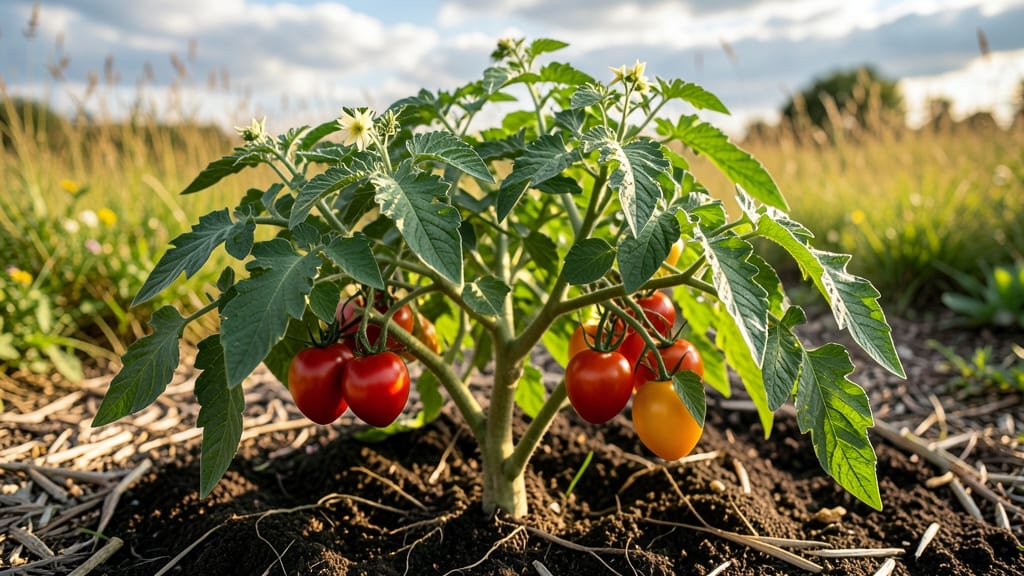
Growing seedless tomato plants transforms your harvest from ordinary to extraordinary—no seeds means fewer surprises and more flavor-packed fruit. 🌱 The secret lies in pruning techniques that create bushier vines, which support heavier yields without collapsing.
Unlike traditional varieties, seedless tomatoes need extra care to develop properly, but the payoff is worth it: cleaner, sweeter fruit with none of the mess. The key starts with selecting determinate varieties like 'Sweet 100' or 'Black Plum,' which naturally stay compact.
You'll need well-draining soil rich in organic matter, consistent morning sunlight, and a support system (cages or stakes) to handle the weight. Water deeply at the base—never overhead—to prevent disease, and fertilize lightly with compost tea every two weeks. These plants thrive when treated like the delicate giants they are.
Pruning is where the magic happens. Pinch off suckers (those little shoots between stems) when they're 1-2 inches long, and remove lower leaves to improve airflow. This redirects energy to fruit production, resulting in larger, more uniform tomatoes with fewer seeds.
By mid-summer, your plants will look like lush, productive shrubs instead of leggy vines struggling to support their own weight. The biggest challenge? Pollination. Since seedless varieties don't self-pollinate, you'll need to hand-pollinate with a small brush or attract bees with companion plants like basil or marigolds.
With these adjustments, you'll harvest 20-30% more fruit than with traditional tomatoes—and every bite will be seed-free perfection.
📚 In This Guide
- What you need
- Instructions
- Tips and common mistakes
- Wrapping up and next steps
What you need
- ● Seedless tomato seeds or seedlings: Choose a reliable variety like 'Solar Fire,' 'Mountain Merit,' or 'Better Boy.' Buy from a trusted supplier (e.g., blank">Burpee or blank">Johnny’s Selected Seeds).
- ● Containers or garden beds: 5-gallon pots (1 per plant) or
- ● Well-draining soil in raised beds (6+ inches deep).
- ● High-quality potting mix: Use a blend with compost (e.g., blank">Miracle-Gro Moisture Control) or make your own with 60% topsoil, 30% compost, and 10% perlite.
- ● Pruning shears: Sharp, bypass-pruners (e.g., blank">Fiskars) to trim vines cleanly.
- ● Support structures: Cages (5–6 ft tall) or
- ● Trellis (for indeterminate varieties).
- ● Fertilizer: Balanced 10-10-10 or organic options like fish emulsion (follow package rates).
- ● Mulch: Straw or shredded leaves to retain moisture.
- ● Growth regulator (e.g., Bonide Fruit Set) for better seedless fruit development.
- ● pH test kit (ideal soil pH: 6.0–6.8).
- ● Drip irrigation system for consistent watering.
- ● Companion plants: Basil, marigolds, or borage to deter pests.
Step-by-Step pruning guide for bushier seedless tomato plants
Here's how to transform leggy seedless tomato vines into sturdy, productive bushes—no fancy tools required.
🌱 Step 1: Identify and Remove Suckers Early
Suckers are the small shoots that grow in the crotch between the main stem and a branch. These compete with your fruit for energy, so I remove them as soon as they're 1-2 inches long. Use your thumb and forefinger to pinch them cleanly at the base—no need for pruners unless the sucker is woody.
Real talk: I used to wait until suckers were big, thinking they'd turn into productive branches. Wrong. By then, they're siphoning nutrients from your tomatoes. Check for suckers weekly—they appear fastest in warm, sunny weather. If you miss one, it's okay; just keep up with the rest.
✂️ Step 2: Prune for Airflow and Light Penetration
Once your plant reaches 3-4 feet tall, focus on opening up the canopy. Remove the bottom leaves up to 12 inches from the ground—this improves airflow and reduces disease risk. Use clean, sharp pruners to cut just above a leaf node (the bump where leaves grow).
Don't go overboard: I've seen gardeners strip too much foliage, leaving vines sunburned. Leave 6-8 leaves per stem to maintain photosynthesis. If your plant looks stressed after pruning, it's a sign you've removed too much. Watch for new growth within 5-7 days—that's your confirmation everything's balanced.
☀️ Step 3: Train Vines to a Single Stem or Bush Structure
For seedless varieties, I recommend either a single-stem or multi-stem bush system. If growing indeterminate types, choose the strongest central stem and prune all others. For determinate (bush) types, let 3-4 main stems grow, pruning suckers from these branches only.
Here's the thing—seedless tomatoes need support. Install a cage or stakes before pruning so you can gently weave vines through as they grow. If you wait until after pruning, the plant's weight will stress new growth. Secure vines loosely; too-tight ties can damage stems as they thicken.
🌿 Step 4: Maintain Through Fruit Set
Once flowers appear, shift focus to preserving fruit-bearing branches. Remove any suckers that grow above the first flower cluster—they'll steal energy from developing tomatoes. For seedless varieties, I also trim back any side shoots that form after the first 2-3 trusses of fruit.
Watch for signs of over-pruning: yellowing leaves or slowed growth mean you've cut too aggressively. Seedless tomatoes are sensitive to stress, so if you see this, pause pruning for 10-14 days and focus on watering and fertilizing instead. The goal is steady growth, not aggressive bushiness.
⏰ Step 5: Final Pruning Before Harvest Peak
When your plant is halfway through fruiting, give it one last pruning. Remove all remaining suckers and any leaves shading fruit clusters. This final trim boosts airflow and helps prevent blossom-end rot, a common issue with seedless varieties.
You'll know you've timed it right when new flowers appear within 3-5 days of pruning. This late-season flush often produces some of the sweetest tomatoes. After this point, only remove diseased or damaged foliage—let the plant focus on ripening what's already there.
Tips & tricks for perfect seedless tomato pruning
Transforming those sprawling seedless tomato vines into productive bushes takes strategy—not just cutting. Here's what I've learned from years of trial (and tomato-based failures).
Timing is Everything: I can't stress this enough—remove those 1-2 inch suckers in Step 1 before they steal energy from your fruit. I used to wait until they were bigger, thinking they'd turn into productive branches. Spoiler: they don't. Instead, they create competition that shrinks your harvest. Check your plants weekly during warm weather, and you'll catch them early when they're easiest to remove with just your fingers. This single habit makes the biggest difference in plant health and fruit production.
The Leaf Balance Act: When your plant hits 3-4 feet in Step 2, leave 6-8 leaves per stem—this isn't arbitrary. It's the sweet spot for photosynthesis while still allowing airflow. I've seen gardeners panic and strip too many leaves, leaving vines sunburned. Think of it like pruning a haircut: you want shape, not a buzz cut. After pruning, watch for new growth within 5-7 days—that's your confirmation the plant is happy and balanced.
Support System Matters: The instructions mention installing support before pruning in Step 3, and this is non-negotiable. Seedless tomatoes need sturdy cages or stakes to handle their weight. I've seen plants collapse under their own fruit after aggressive pruning—heartbreaking! Use soft ties (like old t-shirts or rubber bands) to secure vines loosely. Too-tight ties can damage stems as they thicken, creating entry points for disease.
Stress Management During Fruit Set: In Step 4, when you see those first flowers, shift your focus to protecting fruit-bearing branches. Remove any suckers above the first flower cluster—they're energy vampires. For seedless varieties, trim back any side shoots after the first 2-3 trusses of fruit. If you notice yellowing leaves or slowed growth, pause pruning for 10-14 days and focus on watering. Seedless tomatoes are sensitive, and stress during this phase can lead to blossom-end rot or stunted fruit development.
Pro Tips for Seedless Tomato Plants
- Transforming those sprawling seedless tomato vines into productive bushes takes strategy—not just cutting.
- Timing is Everything: I can't stress this enough—remove those 1-2 inch suckers in Step 1 before they steal energy from your fruit.
- The Leaf Balance Act: When your plant hits 3-4 feet in Step 2, leave 6-8 leaves per stem—this isn't arbitrary.
Frequently asked questions
Got questions about growing seedless tomato plants? You’re not alone! Here are some of the most common concerns—and their answers—to help you master the art of pruning for bushier vines and a bigger harvest.
Can I grow seedless tomatoes from store-bought fruit?
Unfortunately, no—seedless tomatoes are hybrid varieties bred for commercial production, meaning they won’t produce true seeds for homegrowing. To get seedless tomatoes, buy certified seedless tomato plants from a nursery or reputable seed supplier. Look for varieties like ‘Seedless Black Cherry’ or ‘Sweet 100 Seedless.’
How long does it take for seedless tomato plants to bear fruit after pruning?
Pruning encourages bushier growth, but it can delay fruiting by 1-2 weeks while the plant redirects energy to new branches. Seedless varieties typically take 60-75 days from transplanting to harvest, so plan accordingly. Start pruning after the first flowers appear to balance growth and fruit production.
What’s the best alternative if I can’t find seedless tomato plants?
If seedless varieties aren’t available, opt for small-fruited heirlooms like ‘Tiny Tim’ or ‘Patio Princess,’ which are easier to manage in containers. For larger tomatoes, try determinate varieties (bush types) like ‘Roma’ or ‘Celebrity,’ though they’ll produce seeds. Just remove them before planting to avoid seedless hybrids!
Why are my seedless tomato plants dropping flowers or fruit?
Flower/fruit drop is often caused by over-pruning, temperature swings (below 55°F or above 90°F), or lack of pollination (even seedless varieties need gentle shaking to set fruit). Check for consistent watering and balanced fertilizer (too much nitrogen = more leaves, fewer fruits). Hand-pollinate by gently tapping stems during bloom time!
Do seedless tomato plants need the same pruning as regular tomatoes?
Yes! Prune indeterminate seedless varieties (vining types) by removing suckers (shoots between main stem and branches) and lower leaves to improve airflow. For determinate seedless types (bushy), minimal pruning is needed—just pinch off suckers to encourage thicker stems. Always use sterilized pruners to prevent disease.
Wrapping up and next steps
Growing seedless tomato plants is a rewarding journey that combines patience, care, and a few clever pruning tricks! By mastering the art of suckering and shaping your vines, you’ll unlock a bountiful harvest of juicy, vine-ripened tomatoes—without the hassle of seeds.
Remember, consistency is key, and every snip brings you closer to a garden bursting with flavor.
Ready to elevate your gardening game? Start small—pick one plant to practice pruning techniques, then expand your efforts as you gain confidence. Before you know it, you’ll be the neighborhood expert on seedless tomato magic! 🌱✨