
Companion Plants
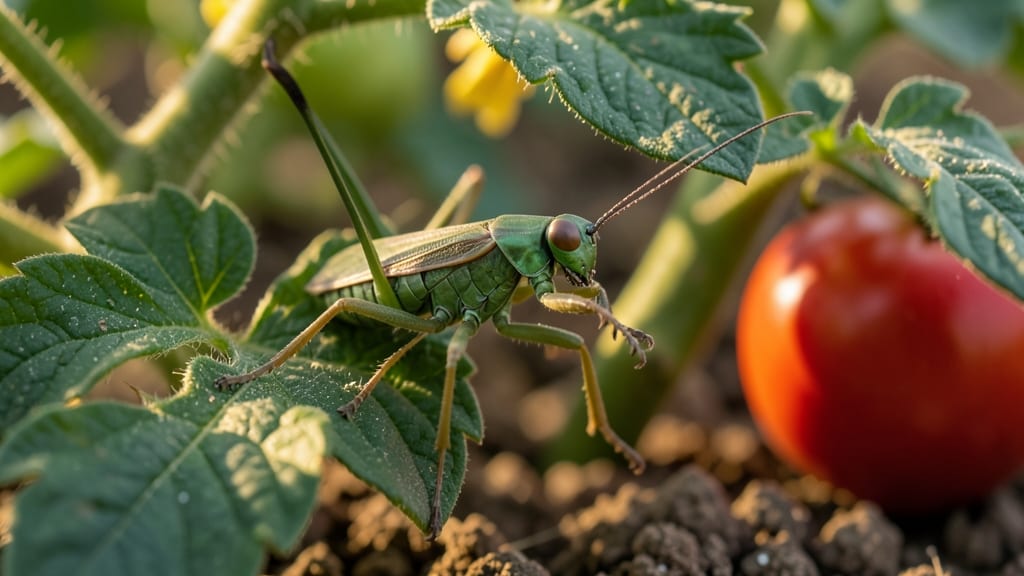
Protect tomato plants from bugs without chemicals—these natural barriers stop pests in their tracks before they wreak havoc. No more wilted leaves or skeletonized fruit. 🌱 I've battled hornworms and aphids for years, and the right defenses make all the difference. The key is acting fast before damage sets in, because once those bugs move in, they multiply like crazy. Most gardeners reach for sprays first, but the real game-changers are physical barriers and plant allies that work overnight. Row covers baffle flying insects, handpicking removes chewers before they strike, and companion plants like basil or marigolds confuse pests with their scents. Even a simple neem oil spray (mixed right) can halt an infestation within 24 hours—no waiting weeks for results. What you end up with is vibrant, thriving plants that produce tomatoes all season long. The leaves stay intact, the fruit ripens without holes, and you avoid the heartbreak of watching your harvest disappear. Plus, these methods protect pollinators while keeping pests at bay. Works for backyard gardens, containers, and even small urban plots. Here's how to set up your defenses before the bugs arrive!"
Root Causes of Tomato Bug Attacks
Tomato plants are a garden’s prized treasure—but their juicy, tender leaves and fruits make them a magnet for pests. Understanding why these bugs target your tomatoes is the first step to stopping them in their tracks.
Below, we break down the science behind common tomato invaders and what makes your plants so appealing.
Bugs like hornworms, fruit flies, and aphids zero in on tomatoes that are already stressed or compromised. Here’s why:
- Sugars and Volatiles: Overripe tomatoes release higher levels of sugars and volatile organic compounds (VOCs), which act like a dinner bell for fruit-eating pests. A study in Journal of Chemical Ecology found that ripe tomatoes emit ethyl acetate and ethanol, chemicals that attract flies and beetles.
- Physical Entry Points: Cracks, bruises, or wounds (from hail, birds, or even pruning) create easy access for bacterial wilt and fruit rot, which then attract secondary pests like stink bugs.
- Fungal Smells: Fungal infections (e.g., Blight) produce geosmin, a compound that lures fungus-loving insects like whiteflies.
Actionable Insight: Harvest tomatoes at peak ripeness (but firm) and remove any damaged fruit immediately to break the pest attraction cycle.
Tomatoes with nitrogen, phosphorus, or potassium deficiencies are like open invitations to pests. Here’s the breakdown:
| Deficiency | Pest Attraction | Why It Happens |
|---|---|---|
| Nitrogen (N) Deficiency (Yellowing leaves) | Aphids, Spider Mites | Low nitrogen = softer, more tender leaves, which aphids love to pierce for sap. Mites thrive in stressed plants with reduced secondary metabolites (natural pest-repellents). |
| Potassium (K) Deficiency (Brown leaf edges) | Colorado Potato Beetles, Hornworms | Potassium strengthens cell walls. Without it, plants can’t produce enough phenolic compounds, making them easier for chewing insects to devour. |
| Calcium (Ca) Deficiency (Blossom-end rot) | Fungal Gnats, Slugs | Calcium keeps cells rigid. Deficient tomatoes develop weak spots where Botrytis fungus (attracting gnats) and slugs can feast. |
Pro Tip: Conduct a soil test and amend with compost, banana peels (potassium), or crushed eggshells (calcium) to fortify defenses.
Bugs thrive when tomatoes are hot, dry, or soggy. Here’s the science:
- Heat Stress (Above 90°F):
- High temperatures reduce tomato plant resilience by disrupting jasmonic acid production—a natural pest-deterrent hormone.
- Pests like stink bugs and whiteflies become more active in heat, seeking out stressed plants.
- Overwatering:
- Excess moisture creates ideal conditions for fungal growth (e.g., Early Blight), which attracts fungus-feeding beetles.
- Slugs and snails double in population in damp soil, targeting soft, waterlogged leaves.
- Drought Stress:
- Dry soil triggers osmotic stress in roots, forcing plants to allocate energy to survival instead of pest resistance.
- This makes them more attractive to sap-sucking insects like aphids, which seek out high-sugar stressed plants.
Quick Fix: Use mulch to regulate soil temp/moisture and drip irrigation to avoid wetting leaves (which invites fungal pests).
Not all “companion plants” are created equal. Some attract pests to your tomatoes instead of repelling them:
- Basil Near Tomatoes = Aphid Magnet
- While basil repels some pests, its strong scent can mask tomato volatiles, making plants less detectable to pollinators—but more detectable to aphids that feed on both.
- Corn or Wheat Straw Mulch = Cutworm Haven
- These crops harbor cutworm eggs, which hatch and target young tomato seedlings.
- Lack of Diverse Pollinators
- Monoculture gardens (e.g., only tomatoes) reduce beneficial insect diversity, leaving plants vulnerable to explosive pest outbreaks.
Solution: Plant marigolds, nasturtiums, or borage (proven pest-repellents) and avoid planting tomatoes next to cabbage or Brussels sprouts (which share pests like cabbage worms).
Quick fixes for tomato plant pests
When bugs invade your tomato garden, acting fast is key—especially if you’re aiming for a harvest in record time. Below are practical, natural solutions tailored to common tomato pests, from chewy caterpillars to sap-sucking aphids. Each fix includes a prevention tip to keep future attacks at bay.
Fix: These striped caterpillars can devour a plant overnight. Here’s how to stop them:
- 🔥 Handpick them early (morning is best—they’re sluggish then). Drop them into soapy water or relocate them far from your garden.
- 🍳 Introduce parasitic wasps (like Cotesia congregata). These tiny allies lay eggs in hornworms, turning them into a buffet for birds—nature’s pest control!
- 👨🍳 Spray with neem oil (1 tsp neem oil + 1 tsp mild soap per quart of water). Reapply every 3–5 days until hornworms vanish.
💡 Prevention Tip: Plant basil, dill, or marigolds nearby—hornworms avoid these strong-scented companions.
Fix: These tiny green/black bugs cluster on leaves, leaving behind a sticky residue (honeydew) that attracts mold.
- 🔪 Blast them off with water (a strong stream from a hose dislodges them instantly).
- 🥘 Use insecticidal soap (1 tbsp castile soap + 1 quart water). Spray directly on aphids; repeat daily until gone.
- 🌡️ Encourage ladybugs—they’re aphid-eating machines! Plant nasturtiums or yarrow to attract them.
💡 Prevention Tip: Interplant tomatoes with garlic or chives—their pungent scent repels aphids.
Fix: These microscopic pests thrive in dry heat, creating fine webs on undersides of leaves.
- ⏰ Increase humidity (mist plants daily or use a shade cloth to deter them).
- 🌡️ Spray with a mix of water + dish soap (1 tsp per gallon). Test on a small leaf first—soaps can burn plants!
- 🎯 Release predatory mites (Phytoseiulus persimilis) for a biological solution.
💡 Prevention Tip: Mulch heavily to retain soil moisture—dry conditions = spider mite paradise.
Fix: These pests swarm leaves, weakening plants with their sticky droppings.
- 🔥 Yellow sticky traps (hang them near plants to catch adults).
- 🍳 Neem oil spray (apply at dusk to avoid harming bees).
- 👨🍳 Introduce lacewings or ladybugs—both feast on whitefly larvae.
💡 Prevention Tip: Avoid over-fertilizing with nitrogen—whiteflies love lush, soft new growth.
Fix: These striped beetles chew holes in leaves and lay eggs that hatch into voracious larvae.
- 🔪 Handpick adults and larvae (drop them in soapy water).
- 🥘 Diatomaceous earth (food-grade only!)—sprinkle lightly on soil and leaves. It dehydrates them without chemicals.
- 🌡️ Row covers (floating fabric) block adults from laying eggs.
💡 Prevention Tip: Rotate crops—don’t plant tomatoes or potatoes in the same spot yearly.
Pro Tip: For all pests, healthy plants resist better! Ensure tomatoes get: ✅ 6–8 hours of sun daily ✅ 1–2 inches of water weekly (deep watering, not surface splashes) ✅ Balanced fertilizer (too much nitrogen = weak defenses)
Frequently asked questions
What’s the fastest way to stop hornworms from destroying my tomato plants?
Handpick them in the morning when they’re sluggish—drop them into soapy water. For immediate results, spray with neem oil (1 tsp + 1 tsp mild soap per quart of water) and reapply every 3 days. Introduce parasitic wasps like Cotesia congregata for long-term control—nature’s pest patrol!
Can I use garlic spray to protect my tomato plants?
Yes! Blend 4 cloves of garlic with 1 quart of water and let it steep overnight. Strain and spray on leaves (test a small area first). Reapply every 7 days—it repels aphids, spider mites, and even some beetles. The strong scent confuses pests without harming your plants.
How do I know if my tomato plants are healthy enough to resist bugs?
Healthy plants have deep green leaves, strong stems, and no yellowing. Check for 6–8 hours of sun daily, 1–2 inches of water weekly, and balanced fertilizer. Avoid overwatering—soggy soil attracts slugs and fungal pests. A soil test helps identify deficiencies like nitrogen or potassium, which weaken defenses.
Are row covers safe for tomato flowers and pollination?
Use lightweight, breathable fabric (like floating row covers) and remove them during flowering to allow bees access. Cover again after pollination to block pests. For determinate varieties, leave covers on longer—they’re less dependent on pollinators. Just ensure good airflow to prevent heat stress.
What’s the best time of day to check for pests?
Early morning (before 9 AM) is ideal—pests like hornworms and aphids are sluggish. Check undersides of leaves and stems where eggs hide. Evening inspections work too, but avoid midday heat when pests are most active. A hand lens helps spot tiny eggs or mites.