
Companion Plants
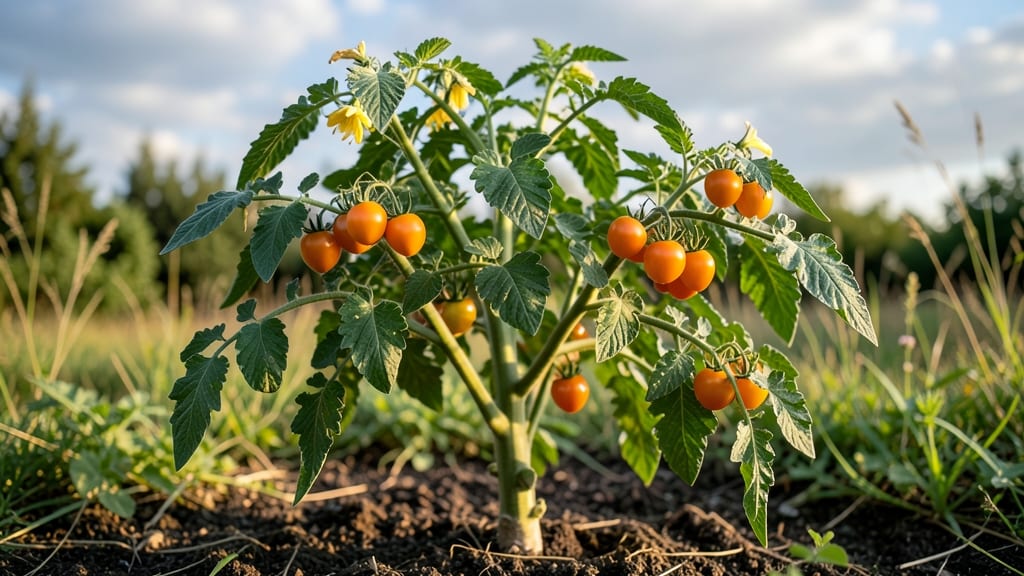
Growing orange cherry tomato plants feels like harvesting tiny bursts of sunshine—each bite tastes like summer, even when it's chilly outside. 🌞 I learned the hard way that these little powerhouses need more than just good intentions: they demand warmth, space, and just the right balance of water and light to produce those sweet, jewel-toned fruits.
The secret to their success starts with 6-8 hours of direct sun daily and soil that drains like a dream—think crumbly, nutrient-rich mix with compost worked in. My first batch struggled until I moved them to a south-facing spot and added a handful of worm castings.
Now they thrive, producing clusters of 1-inch oranges that stop me mid-step every time I walk by. You'll know you're doing it right when vines sprawl 4-6 feet and the first tiny tomatoes appear in 50-60 days.
The real magic happens when you pinch off suckers and prune regularly—it keeps energy focused on fruit production instead of leafy growth. Even my black thumb can't kill these when I follow this routine. Works in containers or garden beds, and pairs beautifully with basil or marigolds.
Here's how to keep them producing all season long!
📚 In This Guide
- What you need
- Instructions
- Tips and common mistakes
- Wrapping up and next steps
What you need
- ● Orange cherry tomato seeds or seedlings: 3–6 plants (depending on space). Look for varieties like 'Tiny Tim,' 'Sun Gold,' or 'Sungold.'
- ● Containers or garden bed: For containers: 5–10 gallon pots (at least 12" deep) with drainage holes
- ● For in-ground: Well-draining soil in a sunny spot (6+ hours of sunlight daily)
- ● High-quality potting mix: 1–2 bags (sterilized, organic blend with perlite or vermiculite)
- ● Compost or organic fertilizer: Balanced (10-10-10) or tomato-specific blend
- ● Watering can or hose with gentle spray nozzle
- ● Stakes or cages: 3–6 tomato cages (6" diameter) or bamboo stakes (2–3 ft tall)
- ● Pruning shears or scissors
- ○ Mulch (optional but helpful): Straw or shredded leaves to retain moisture
- ● Companion plants: Basil, marigolds, or lettuce to deter pests and boost growth
- ● Grow lights: If starting seeds indoors (12–16 hours of light daily)
- ● Soil moisture meter (to avoid over/under-watering)
- ● Epsom salt: For magnesium boost (1 tbsp per plant monthly)
Step-by-step guide to growing orange cherry tomato plants
Here's how to nurture a thriving sun-loving trio of these sweet, vibrant tomatoes.
🌱 Step 1: Choose the Right Varieties and Start Seeds Indoors
Select three varieties of orange cherry tomatoes like 'Tangerine', 'Sun Gold', or 'Orange Blaze'. Start seeds indoors 6-8 weeks before your last frost date—this gives them a strong head start. Fill 2-3 inch deep biodegradable pots with sterile seed-starting mix (never garden soil). Plant 1-2 seeds per pot at a depth of ¼ inch, then cover lightly with additional mix.
Keep the soil consistently moist by misting gently with water until sprouts appear. Place pots in a warm spot (75-85°F)—a seedling heat mat speeds germination. You'll see first true leaves in 7-10 days. Here's the thing—if you plant too deep, the seedlings will struggle to reach the surface, so keep it shallow.
☀️ Step 2: Provide Optimal Light and Harden Off Seedlings
Once seedlings emerge, move them to a bright, sunny window or under grow lights for 14-16 hours daily. Without enough light, seedlings stretch leggy and weak. Position lights 2-4 inches above the plants and raise them as the seedlings grow. You'll know they're getting enough light when leaves are dark green and compact. If stems look thin and leaves spaced far apart, your light is too far away.
Two weeks before transplanting outdoors, start hardening off seedlings. Place them outside in a sheltered, shaded spot for 1-2 hours the first day, then gradually increase outdoor time by 1 hour daily over 10-14 days. This toughens them up for the garden. Skip this step, and you'll risk shocked, wilted plants that struggle to recover.
🪴 Step 3: Transplant Seedlings to the Garden
Transplant seedlings outdoors after the last frost when soil is at least 60°F. Choose a sunny spot with 6-8 hours of direct sunlight daily. Dig holes twice as wide as the root ball but the same depth. Space plants 18-24 inches apart in rows 24-30 inches apart—this gives them room to sprawl and breathe. Gently remove seedlings from pots, loosen roots if they're root-bound, and place them in the holes.
Fill holes with soil, pressing lightly to remove air pockets. Water deeply right after transplanting to settle the soil and encourage root growth. Mulch around the base with 2-3 inches of straw or shredded leaves to retain moisture and suppress weeds. Here's where it gets fun—watch for new growth within a week as a sign they're settling in.
💧 Step 4: Maintain Watering and Fertilizing for Bountiful Harvests
Water plants deeply 1-2 times per week, aiming for 1-1.5 inches of water per week. Let the top inch of soil dry out between waterings to prevent disease. Water at the base in the morning to reduce evaporation and fungal risks. Avoid wetting leaves, as this can spread disease. You'll see strong, healthy plants with glossy leaves when moisture is just right.
Fertilize every 2-3 weeks with a balanced tomato fertilizer (10-10-10 or 5-5-5) or compost tea. Stop fertilizing 4-6 weeks before harvest to encourage fruit production. Prune suckers—those little shoots that grow in the leaf axils—regularly to improve airflow and fruit size. Real talk: Over-fertilizing leads to leafy growth at the expense of fruit, so keep it balanced.
Tips & tricks for growing thriving orange cherry tomato plants
These sun-loving beauties need a little extra care to flourish—here's what I've learned after growing three different varieties myself.
Seed Starting Wisdom: The 6-8 weeks before your last frost date is your golden window for starting seeds indoors. I always use biodegradable pots because they eliminate transplant shock later. For faster germination, place your pots on a seedling heat mat set to maintain that 75-85°F range. If you don't have one, a sunny windowsill with a plastic wrap tent works too—just remove it once sprouts appear to prevent mold.
Lighting Secret: Those 14-16 hours of daily light are non-negotiable for sturdy seedlings. I've seen leggy, weak plants when grow lights were too far away—position them just 2-4 inches above the seedlings and raise them as plants grow. A simple trick: if your seedlings look like they're reaching for the light, they need to be closer. For windowsill growers, rotate pots daily so all sides get even light exposure.
Transplanting Transition: When moving seedlings outdoors, I always do a quick soil temperature check—60°F minimum is critical. The hardening off process is where many gardeners fail: start with just 1-2 hours in shade, then gradually increase. Pro tip: place seedlings in a sheltered spot where they'll get morning sun but afternoon shade during the first few days. This gradual transition prevents shock and gives roots time to adjust to outdoor conditions.
Ongoing Care: The 1-1.5 inches of water per week guideline is perfect, but timing matters too. I water deeply in the morning so leaves have all day to dry—this prevents fungal diseases like early blight. For fertilizer, I switch to compost tea after the initial 2-3 week balanced feeding period. The extra organic matter improves soil structure while providing gentle nutrients that won't burn tender roots.
Pro Tips for Orange Cherry Tomato Plants
- These sun-loving beauties need a little extra care to flourish—here's what I've learned after growing three different varieties myself.
- Seed Starting Wisdom: The 6-8 weeks before your last frost date is your golden window for starting seeds indoors.
- Lighting Secret: Those 14-16 hours of daily light are non-negotiable for sturdy seedlings.
Frequently asked questions
Got questions about growing orange cherry tomato plants? You're not alone! Here are some of the most common queries—and their answers—to help you cultivate a thriving harvest.
How long does it take for orange cherry tomatoes to bear fruit?
Orange cherry tomatoes typically start producing fruit 60–70 days after transplanting, depending on your climate and growing conditions. In warmer regions, you might see early blooms in as little as 50 days. Patience is key—consistent sunlight (6–8 hours daily) and proper watering will speed up the process!
Can orange cherry tomatoes survive frost?
Nope! These tender plants cannot tolerate frost—even a light freeze (32°F/0°C) will damage or kill them. Start seeds indoors 6–8 weeks before your last frost date and transplant after all danger of frost has passed. If frost threatens later in the season, cover plants with frost cloth or harvest ripe tomatoes before the cold hits.
What are the best companion plants for orange cherry tomatoes?
Orange cherry tomatoes thrive alongside basil, marigolds, onions, and lettuce. Avoid planting them near fennel or brussels sprouts, as these can stunt their growth. For a sun-loving trio, pair them with peppers or borage—both deter pests and attract pollinators!
Why are my orange cherry tomato leaves turning yellow?
Yellowing leaves (a condition called chlorosis) usually signal overwatering, nutrient deficiency, or fungal issues. Check soil moisture—tomatoes prefer consistently moist (not soggy) soil. If leaves are yellow with green veins, it’s likely iron deficiency; amend soil with chelated iron or compost. For fungal spots, improve airflow and avoid wetting foliage.
Can I grow orange cherry tomatoes in containers?
These compact plants are perfect for containers—just use a pot at least 12–18 inches deep with drainage holes. Choose a lightweight potting mix (avoid garden soil) and fertilize every 2–3 weeks with a balanced tomato feed. Place containers in a sunny spot and rotate them weekly for even growth.
What’s the difference between orange cherry tomatoes and regular tomatoes?
Orange cherry tomatoes are smaller (1–2 inches), sweeter, and more flavorful than standard tomatoes, with a higher sugar content. They’re determinate (bush-type), meaning they produce fruit in one flush, while larger tomatoes (like beefsteaks) are indeterminate and grow continuously. Plus, their vibrant color adds a pop to salads and snacks!
Wrapping up and next steps
Growing orange cherry tomato plants alongside their sun-loving companions is a rewarding way to boost your garden’s productivity and flavor! 🌱 With the right setup—whether in containers or garden beds—you’ll enjoy vibrant harvests while keeping pests at bay.
Now that you’re armed with tips and answers, it’s time to roll up your sleeves and plant!
🌟 Next Steps:
- Start with healthy seedlings or seeds and pair them with your chosen companions.
- Monitor your plants regularly for pests or nutrient needs.
- Share your progress (and tasty tomatoes!) with fellow gardeners—you’ve got this!