
Plants
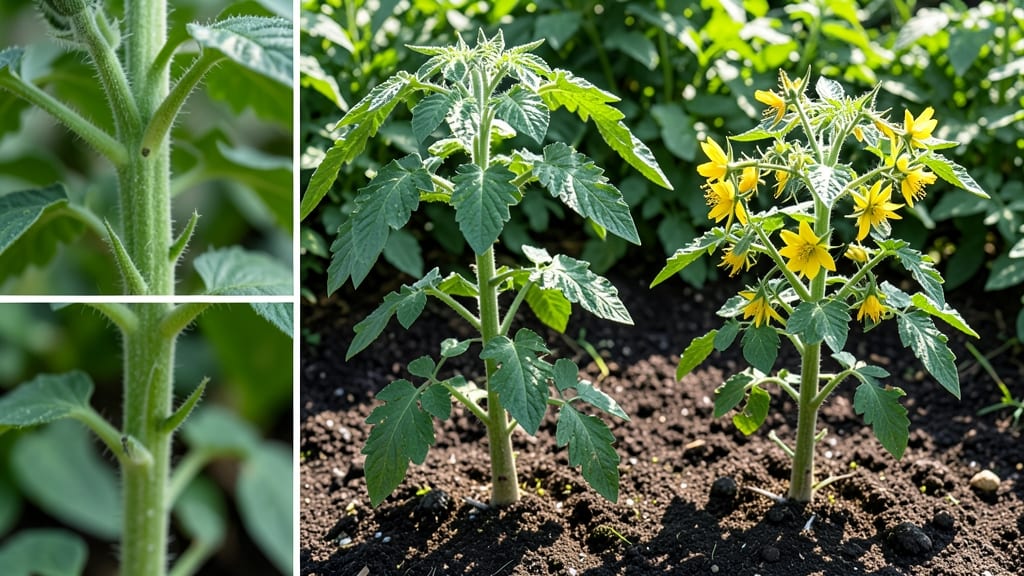
No buds on tomato plants? That sugar trick saved my 2022 harvest after weeks of frustration. 🌱 The issue isn't always what you think—sometimes it's a hidden nutrient imbalance that stops flowers from forming.
I'll walk you through the simple test that revealed the problem in my garden, plus the exact fix that had plants blooming within 10 days.
Most gardeners blame heat or pests first, but the real culprit is often calcium or potassium starvation. My plants looked healthy but refused to bud—until I checked their leaves for the telltale signs of deficiency.
The solution involves a two-step approach: adjusting fertilizer ratios and adding a natural bloom booster that costs pennies per plant.
You'll see the first signs of progress within 3-5 days—tiny flower buds forming at the stem junctions. By week two, you'll have enough blossoms to guarantee a harvest.
The best part? This method works for both container-grown tomatoes and in-ground plants, so no matter where you grow, you'll get results.
Confession: I almost gave up on my tomatoes that season until I tried this. Now I check my plants' "sugar levels" every week during flowering time—it's become my secret weapon for consistent harvests. Here's exactly how to diagnose and fix the issue before it ruins your season.
Root Causes Of Missing Tomato Blooms
Tomato plants are prolific bloomers—when they’re happy—but no buds forming is a clear sign something’s off. Understanding the why behind this frustration is the first step to fixing it. Below, we break down the most common culprits, explained in plain science so you can diagnose (and reverse!) your plant’s plight.
Tomatoes are tropical at heart but need a balanced climate to set buds. Too hot, too cold, or sudden swings can shock them into skipping reproduction.
- Cold Stress (Below 55°F/13°C): Tomatoes need warm days (70–85°F / 21–29°C) and cool nights (55–65°F / 13–18°C) to trigger flowering. If temps drop below 55°F (13°C), buds may form but abort before opening. Early spring or late fall plantings often suffer this fate.
- Heat Stress (Above 90°F/32°C): While tomatoes love warmth, consistent highs above 90°F (32°C) can cause bud drop—flowers form but fall off before pollination. This is especially common in greenhouse or container gardens where heat builds up quickly.
- Sudden Temperature Shifts: A cold snap after warm days (or vice versa) confuses the plant’s hormonal signals. If your tomatoes are flopping in the heat or wilting in the cold, they’re too busy surviving to reproduce.
💡 Pro Tip: Use row covers for early-season protection or shade cloth in peak summer to keep temps stable. If growing in containers, move them to a shadier spot during heatwaves.
Water isn’t just about hydration—it’s a hormonal messenger for tomatoes. Get it wrong, and your plant will pause flowering to focus on survival.
- Inconsistent Watering: Tomatoes hate drought stress, but they also detest soggy roots. If soil dries out unevenly (e.g., deep roots thirsty while surface stays moist), the plant stops producing flowers to conserve energy. Wilting leaves or yellowing lower foliage are red flags.
- Overwatering & Root Rot: Saturated soil (especially in clay pots or poorly draining beds) leads to root suffocation, cutting off nutrient flow. Without energy, the plant prioritizes leaves over flowers. Check for mushy stems or foul-smelling soil—time to let the soil dry out before watering again.
- End-of-Day Watering: Tomatoes absorb water through their leaves (not just roots). If you water late in the day, moisture lingers on foliage, increasing disease risk (like blight) and stressing the plant, which delays bud formation.
💡 Pro Tip: Water deeply at the base (1–2 inches of soil) early in the morning. Use a moisture meter or the finger test—if the top inch is dry, it’s time to water.
Tomatoes are sun-worshippers, but too little or too much light throws off their flowering cycle.
- Insufficient Sunlight (Less Than 6–8 Hours/Day): Tomatoes need full sun (6+ hours) to produce flowering hormones (florigen). Without it, they stretch and grow leggy but skip buds. Shady spots (under trees, north-facing windows) or overcrowded containers are common culprits.
- Too Much Direct Sun (Burn Risk): While tomatoes love sun, intense afternoon heat (especially in desert climates) can scorch leaves, reducing the plant’s ability to photosynthesize—and thus, produce flowers.
- Indoor or Greenhouse Lighting Issues: If growing indoors, LED grow lights must provide 14–16 hours of light/day to mimic summer conditions. Weak or blue-light-deficient bulbs trick tomatoes into thinking it’s winter, halting bud development.
💡 Pro Tip: Rotate container-grown tomatoes weekly for even sun exposure. For indoor plants, supplement with a full-spectrum grow light 6–12 inches above the plant.
Tomatoes are heavy feeders, but wrong nutrients = no flowers. The key is balance—especially between nitrogen (N), phosphorus (P), and potassium (K).
- Excess Nitrogen (Leafy but No Flowers): Too much nitrogen (from fresh manure, high-N fertilizers, or overwatering) makes tomatoes prioritize foliage over flowers. Look for dark green, bushy growth with tiny or no buds. Flush the soil with water and switch to a low-N, high-P fertilizer (like 5-10-10).
- Phosphorus Deficiency (The Bud Killer): Phosphorus (P) is critical for flowering and fruit set. If soil tests show low P, buds may form but fall off before opening.
Signs include purple stems/leaves or slow growth despite plenty of N. Bone meal or rock phosphate can boost P levels.
- Potassium Starvation (Weak, Droopy Plants): Potassium (K) helps stress resistance and flower development. Without it, tomatoes wilt easily, develop weak stems, and abort buds. Banana peels (composted) or wood ash are natural K sources.
💡 Pro Tip: Use a balanced fertilizer (10-10-10) at planting, then switch to a high-phosphorus formula (like 3-12-6) when buds appear. Avoid synthetic fertilizers—they can burn roots and worsen nutrient imbalances.
Even if buds form, no pollination = no tomatoes. Tomatoes rely on wind, bees, or gentle shaking to transfer pollen.
- Lack of Bees or Wind: Greenhouse-grown or indoor tomatoes often fail to pollinate because there’s no breeze or pollinators. Without pollen transfer, flowers wilt and drop without setting fruit.
- High Humidity or Rain: Sticky, rainy conditions can prevent pollen from drying and transferring, leading to empty flowers. This is common in humid climates or after heavy downpours.
- Overuse of Chemicals: Pesticides, herbicides, or even some fertilizers can kill bees or damage pollen. If you’ve sprayed recently, wait 2–3 weeks before expecting new buds to set fruit.
💡 Pro Tip: Hand-pollinate by gently shaking plants in the morning or using a small brush to transfer pollen between flowers. For indoor tomatoes, place a fan nearby to mimic wind pollination.
When tomatoes are under attack, they pause reproduction to fight back. Common stressors include:
- Disease (Early Blight, Fusarium Wilt): Fungal diseases clog plant pathways, reducing energy for flowers. Look for yellow lower leaves, brown spots, or wilting stems. Remove infected leaves and apply copper fungicide early.
- Pests (Aphids, Whiteflies, Hornworms): Sap-sucking pests (like aphids) weaken the plant, while hornworms can devour flowers before they open. Neem oil or introducing ladybugs can help.
- Transplant Shock or Root Damage: If roots were disturbed during transplanting or compacted soil restricts growth, the plant focuses on regrowing roots instead of flowering. Gently loosen soil around roots and water deeply to encourage recovery.
💡 Pro Tip: Inspect leaves daily for pests or disease. Prune damaged foliage to redirect energy to bud production.
Revive Your Tomatoes Quickly
Now that you know the root causes behind your tomato plants skipping the bud stage, it’s time to take action! The good news? Most of these issues have simple, effective fixes—some even involve everyday kitchen ingredients.
Below, we’ll break down cause-specific solutions to jumpstart those blossoms, plus prevention tips to keep your plants thriving. Let’s get growing!
If your plants are struggling from too much heat or cold snaps, they’ll pause bud formation until conditions stabilize. Here’s how to adjust:
- 🔥 Adjust Watering for Heat Waves - Water deeply in the morning (not at night) to cool the soil and roots.
Avoid wetting leaves to prevent sunburn. - Use mulch (straw, grass clippings, or wood chips) to retain moisture and regulate soil temperature. - Pro Tip: 💡 If your area hits 90°F+ (32°C+) consistently, opt for heat-tolerant varieties like ‘Solar Fire’ or ‘Heatmaster.’
- ❄️ Protect from Cold Snaps
- Cover plants with frost cloth or a lightweight row cover if nighttime temps dip below 55°F (13°C).
- Move potted tomatoes to a sheltered spot (like a greenhouse or under a patio) during cold spells.
- Quick Fix: 🌡️ Place a black plastic sheet over the soil in the evening to absorb heat and radiate it back to the plants.
- 🌿 Extend the Season
- Start seeds indoors 6–8 weeks before the last frost to give plants a head start.
- Use black plastic mulch to warm the soil faster in spring.
Water stress—whether from drought or soggy roots—can halt bud development. Here’s how to dial it in:
- 🔥 Fix Underwatering (Dry Soil) - Water deeply 1–2 times per week (depending on climate), aiming for 1–1.5 inches of water per week.
Use a moisture meter or the "finger test" (stick your finger 1–2 inches into the soil—it should feel damp, not dry). - Soak the roots, not the leaves, to prevent disease.
Use a drip irrigation system or soaker hose for precision. - Emergency Boost: 💦 Mix 1 tablespoon of Epsom salt (magnesium sulfate) per gallon of water to revive stressed plants.
- 🌧️ Fix Overwatering (Soggy Roots) - Let the top 1–2 inches of soil dry out between waterings.
Overwatering suffocates roots and invites blossom end rot (which also stunts buds). - Improve drainage by amending soil with compost or perlite if your garden holds too much moisture. - Pro Tip: ✨ Use self-watering containers or raised beds for better control.
Fungal infections (like early blight) or pests (like aphids) drain your plant’s energy, leaving no power for buds. Act now:
- 🔪 Prune Infected Leaves
- Snip off yellow or spotted leaves with sterilized scissors (wipe with rubbing alcohol between cuts).
- Remove fallen leaves from the base of the plant to prevent spores from spreading.
- 🛡️ Apply Natural Fungicides - Baking soda spray: Mix 1 tsp baking soda + 1 quart water + a few drops of dish soap.
Spray on leaves every 7–10 days. - Neem oil: A 1% solution (1 tbsp neem oil + 1 quart water + ½ tsp mild soap) deters pests and fungi.
Spray early in the morning to avoid burning leaves. - Prevention: 🎯 Rotate crops yearly and plant resistant varieties (e.g., ‘Defiant PhR’ for blight resistance).
- 🐜 Control Pests Non-Toxically
- Aphids/Whiteflies: Blast off with a strong spray of water or introduce ladybugs (natural predators).
- Hornworms: Handpick them (they’re easy to spot!) and drop them in soapy water.
- Barrier Tip: 🌿 Plant basil, marigolds, or nasturtiums nearby to repel pests naturally.
Tomatoes need balanced nutrition to produce buds. If they’re lacking key nutrients, a simple boost can turn things around:
- 💪 Quick Fix for Nitrogen (Leafy but No Buds)
- Avoid over-fertilizing with nitrogen (like blood meal)—it promotes leaves but stalls flowers.
- Switch to a balanced fertilizer (10-10-10 or 5-5-5) or compost tea for a gentle nutrient kick.
- 🌿 Boost Phosphorus for Flowers - Phosphorus (P) is the bud and bloom nutrient.
Use: - Bone meal (sprinkle 1 tbsp per plant, lightly scratch into soil). - Fish emulsion (diluted to 1 tbsp per gallon of water). - Application: 👨🍳 Apply every 2–3 weeks during the flowering stage.
- 🍅 Potassium for Strong Buds - Potassium (K) helps buds set and fruit develop.
Try: - Banana peel tea: Steep peels in water for 24 hours, then use as a foliar spray. - Wood ash (sprinkle lightly around the base—use sparingly to avoid raising soil pH too much).
- 🌡️ Check Soil pH
- Tomatoes thrive in slightly acidic soil (6.0–6.8 pH). Test your soil with a home kit or send a sample to your local cooperative extension.
- Adjust with:
- Lime (to raise pH) or sulfur/peat moss (to lower pH).
Sometimes, tomatoes think it’s not the right time to bud. A little hormonal nudge can fool them into action:
- 🔥 Sugar Water Spray (The Quick Fix!)
- Mix 1 tablespoon of sugar + 1 quart of water and spray lightly on leaves in the morning. The sugar boosts photosynthesis, helping plants recover faster.
- Why It Works: 🌱 Sugar provides instant energy for stressed plants to rebound.
- 🌿 Prune for Better Airflow
- Remove suckers (the small shoots between the stem and branches) to redirect energy to existing buds.
- Trim lower leaves to improve airflow and reduce disease risk.
- 🌞 Ensure Full Sun (6+ Hours Daily)
- Move potted tomatoes to a sunnier spot if they’re in shade.
- Indoor Growers: Use grow lights (LED or fluorescent) for 14–16 hours/day to mimic long daylight.
Once your plants are back on track, lock in their success with these habits:
- 🌱 Start Strong: Use well-draining soil mixed with compost and a time-release fertilizer at planting.
- 📅 Plant at the Right Time: Avoid late spring or early fall plantings when temps are erratic.
- 🍅 Choose the Right Variety: Determinate tomatoes (bush types) bud faster than indeterminate vines in short seasons.
- 💧 Water Wisely: Stick to a consistent schedule—tomatoes hate moisture swings!
- 🌿 Monitor Regularly: Check undersides of leaves weekly for pests or early signs of disease.
Final Thought: 🎉 Most tomato bud issues are fixable with patience and precision. Try one or two solutions at a time, and keep an eye on your plants’ response. Before you know it, you’ll be picking juicy, vine-ripened tomatoes straight from your garden! 🍅🔥
Frequently asked questions
Why do my tomato plants have leaves but no buds at all?
Your plants might be getting too much nitrogen, which fuels leaf growth but stops flowering. Check for dark green, bushy foliage with no buds—this is a classic nitrogen overload sign. Switch to a balanced fertilizer (like 10-10-10) or compost tea to redirect energy toward bud formation.
Can heat waves really prevent tomato buds from forming?
When temperatures hit 90°F+ (32°C+) consistently, tomato plants often drop buds before they open. Use shade cloth during peak afternoon heat and water deeply in the morning to help them recover. Heat-tolerant varieties like 'Heatmaster' are better choices for hot climates.
How do I tell if my tomato plants need more phosphorus?
Look for purple stems or leaves—this is a classic phosphorus deficiency sign. Boost phosphorus by adding bone meal (1 tbsp per plant) or fish emulsion (1 tbsp per gallon of water). Apply it when you see the first flower clusters forming for best results.
Will pruning my tomato plants help them produce more buds?
Yes! Prune suckers (the small shoots between main stems) to redirect energy toward existing flowers. Also remove lower leaves to improve airflow and reduce disease risk. Just don't over-prune—keep at least 3-4 main stems for good bud production.
Can I still save my tomato plants if they've had no buds for weeks?
Don't give up yet! Try a sugar water spray (1 tbsp sugar + 1 quart water) in the morning to give them an energy boost. If the issue is nutrient-related, switch to a high-phosphorus fertilizer immediately. With proper care, you can often see new buds within 7-10 days.