
Plants
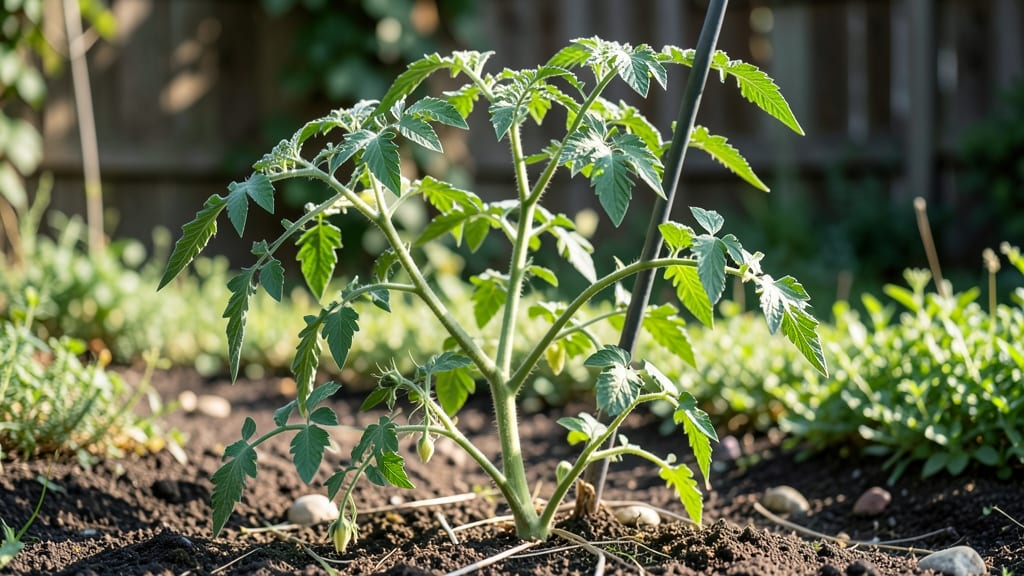
Leggy tomato plants mean sad, sprawling vines and fewer tomatoes than you deserve. 🌱 I’ve turned my own floppy plants into sturdy, fruit-loaded towers with a simple DIY trellis—no green thumb required.
The fix starts with understanding why they stretch in the first place (hint: it’s not just "not enough sun"), then supporting them the right way.
Most leggy plants suffer from two main issues: too little light or too much space to sprawl. My trellis system solves both by giving vines something to climb and keeping them upright in bright spots.
You’ll need just 3 supplies—wood stakes, twine, and a few hours on a sunny weekend—and the results? Plants that stay compact, leaves that photosynthesize properly, and tomatoes that don’t rot on the ground.
Within 2 weeks, you’ll see new growth heading upward instead of outward, and by summer, your plants will be bursting with fruit instead of flopping over. The best part?
This method works for indeterminate varieties (the ones that keep growing all season) and even saves struggling plants mid-season. No more sacrificing tomatoes to sprawl.
We’ll cover how to diagnose legginess, build the trellis, and adjust care to prevent future flops—plus, what to do if your plants are already too tall to save. Let’s get those vines vertical!
Root Causes of Stretched Growth
Leggy tomato plants aren’t just a nuisance—they’re a cry for help from your vines! 🌱💥 When your tomatoes stretch tall and spindly instead of bushy and productive, it’s usually a sign that they’re struggling to balance growth with stability.
Let’s break down the real culprits behind this common issue, so you can fix the problem at its source.
Tomatoes are sun-worshippers—they crave 6 to 8 hours of direct sunlight daily. When they don’t get enough light, plants stretch (a process called etiolation) to reach for it, leading to weak, leggy stems.
- Why it happens:
- Photosynthesis slows down without adequate light, forcing the plant to prioritize stem elongation over leaf and fruit production.
- Chlorophyll production drops, making stems pale and brittle.
- Weak cell walls develop, making vines prone to snapping under fruit weight.
Actionable fix:
- Move potted tomatoes to a sunnier spot (south-facing windows or a greenhouse).
- Thin out nearby plants or structures blocking light.
- Use reflective surfaces (like white walls or mirrors) to bounce extra light onto the plants.
Tomatoes need room to breathe—both above and below ground. When plants are too close together, they compete for light, nutrients, and air circulation, leading to weak, leggy growth.
- Why it happens:
- Shade from neighboring plants reduces light penetration, triggering stretching.
- Root competition limits nutrient uptake, weakening stem strength.
- Humidity buildup (from poor airflow) encourages fungal diseases, further stressing the plant.
Actionable fix:
- Space indeterminate tomatoes 18–24 inches apart and determinate types 12–18 inches apart.
- Prune lower leaves to improve airflow and reduce humidity near the soil.
- If replanting, thin seedlings to the strongest 2–3 per plant.
A nutrient imbalance—especially too much nitrogen and not enough potassium—can send your tomatoes into overdrive, focusing on leafy growth at the expense of sturdy stems.
- Why it happens:
- Nitrogen-heavy fertilizers (like fresh manure or high-N synthetic feeds) promote soft, fast-growing leaves and stems but weaken structural support.
- Potassium deficiency (often paired with nitrogen excess) leads to poor cell wall development, making stems floppy.
- Calcium or magnesium deficiencies (common in leggy plants) further weaken cell structure.
Actionable fix:
- Switch to a balanced fertilizer (like 5-5-5 or 10-10-10) or a potassium-rich amendment (wood ash, banana peel tea, or greensand).
- Avoid over-fertilizing—follow package instructions and water deeply after feeding to prevent root burn.
- Test your soil (or use a simple DIY test kit) to check for deficiencies.
Tomatoes hate sudden temperature swings—especially cool nights or early-season planting. When soil or air temps dip below 50°F (10°C), growth slows, but stems keep stretching in a desperate bid for warmth.
- Why it happens:
- Slow metabolic rate in cool soil means roots can’t absorb nutrients efficiently, leading to weak stems.
- Daytime warmth + nighttime chill creates stress cycles, triggering elongated growth.
- Late starts (planting too early before the last frost) leave plants vulnerable to cold snaps, stunting root development.
Actionable fix:
- Wait until soil temps reach 60°F (15°C) before transplanting (use a soil thermometer if unsure).
- Use row covers or cloches for early-season protection from cold snaps.
- Hardening off seedlings gradually (7–10 days before planting) helps them adjust to outdoor temps.
Tomatoes naturally vine upward, but without physical support or strategic pruning, they’ll flop or stretch wildly to find stability.
- Why it happens:
- No trellis or cage means vines flop sideways, elongating stems to reach upright.
- Unpruned suckers (side shoots) divert energy away from the main stem, weakening its structure.
- Overloaded branches (from too many fruits) cause stems to bend and stretch under weight.
Actionable fix:
- Install a trellis or stake as soon as plants are 6–12 inches tall (more on DIY solutions later!).
- Prune suckers (the shoots in the leaf axils) to redirect energy to the main stem.
- Remove lower leaves that touch the soil to prevent disease and improve airflow.
Watering inconsistencies—whether drought stress or overwatering—can lead to leggy, unstable growth.
- Why it happens:
- Underwatering: Roots struggle to reach deep, so plants stretch shallowly to access moisture.
- Overwatering: Soggy soil drowns roots, limiting nutrient uptake and causing weak, elongated stems.
- Uneven moisture: Plants grown in pottery or containers dry out faster, prompting rapid (but weak) growth.
Actionable fix:
- Water deeply 1–2 times per week (1–1.5 inches total) rather than daily shallow watering.
- Use mulch (straw or shredded leaves) to retain moisture and regulate soil temp.
- Check soil moisture with your finger—if the top inch is dry, it’s time to water.
Not all tomatoes are created equal! Indeterminate varieties (like ‘Sungold’ or ‘Brandywine’) are naturally vining and will grow tall unless properly supported.
- Why it happens:
- These types keep growing until frost, producing endless vines if unchecked.
- Without pruning or trellising, they’ll flop or stretch erratically to find support.
Actionable fix:
- Choose dwarf or determinate varieties (like ‘Roma’ or ‘Patio’) for smaller spaces.
- Train indeterminate types with strong trellises or cages from the start.
- Prune aggressively to control height and encourage bushier growth.
How to Fix Tall, Floppy Tomato Vines
Leggy tomato plants may look dramatic at first, but their floppy vines can lead to poor fruit production, disease risks, and even broken stems. The good news? With a few simple fixes, you can transform those towering but unstable plants into sturdy, high-yielding powerhouses.
Below, we break down the most common causes of leggy tomatoes and the practical, step-by-step solutions to bring them back into balance—plus tips to keep them strong all season long.
Cause: Overgrowth from lack of pruning or excessive sunlight leads to weak stems and sprawling vines.
How to Fix It:
- 🔪 Trim the Top (But Not Too Much!)
- Use clean, sharp pruning shears to snip off the top 2–3 inches of the main stem. This encourages the plant to focus on lateral branches (side shoots) rather than just shooting upward.
- Pro Tip: Stop pruning when you reach the first flower cluster—this ensures energy goes to fruit production, not just foliage.
- 🌿 Remove Suckers (Gently!) - Suckers are the small shoots that grow in the V-shaped junction between the main stem and a branch. Pinch or cut these off early to prevent them from draining energy. - Warning: Don’t over-prune!
Leave 1–2 strong suckers below the first flower cluster to support branching.
- 🌞 Open Up the Canopy
- If leaves are shading the lower stems, thin out dense foliage to improve airflow. This reduces disease risk and helps sunlight reach the lower fruit.
Cause: Weak or improper support causes vines to flop, leading to broken stems and poor fruit development.
How to Fix It:
- 🔨 Install a Sturdy Trellis (DIY-Friendly!)
- If your current support is flimsy (like twine or a single stake), swap it for a stronger structure:
- A-Frame Trellis: Build a wooden A-frame (two 6-foot stakes connected at the top) and weave vines through horizontal ropes for natural support.
- Florida Weave: String horizontal lines between stakes at 12-inch intervals and loop vines around them as they grow.
- If your current support is flimsy (like twine or a single stake), swap it for a stronger structure:
- 🧶 Secure Vines Properly
- Avoid
- Pro Tip: Rotate ties every few weeks as the stem thickens to avoid girdling.
- 🌿 Train Vines for Balance
- If your plant is already leggy, bend the main stem downward and secure it to the trellis at a 45-degree angle. This encourages thicker, stronger growth from the base.
Cause: Too much shade or overcrowding leads to weak, stretched-out plants.
How to Fix It:
- 🌿 Thin Out Plants
- If your tomatoes are too close together (less than 18–24 inches apart), transplant extras to give remaining plants more breathing room.
- Pro Tip: Interplant with shallow-rooted herbs (like basil or thyme) to improve airflow without competing for space.
- 🔄 Rotate or Move Plants
- If your garden spot is shady (e.g., under trees or a fence), relocate plants to a sunnier area for at least 6–8 hours of direct sunlight daily.
- Warning: Avoid moving flowering or fruiting plants—this can stress them.
- 🌱 Use Reflective Surfaces
- Place white reflective mulch or mirrors nearby to bounce extra light onto leggy plants.
Cause: Inconsistent watering or too much nitrogen leads to weak, floppy growth.
How to Fix It:
- 💦 Water Deeply & Consistently
- Leggy plants often signal underwatering. Water deeply 1–2 times per week (instead of daily shallow watering) to encourage root growth.
- Pro Tip: Water at the base, not the leaves, to prevent disease and reduce evaporation.
- 🌿 Switch to a Balanced Fertilizer
- If your soil is heavy in nitrogen, switch to a low-N, high-phosphorus fertilizer (like 5-10-10) to boost root and fruit development.
- DIY Fix: Mix compost or worm castings into the soil for a slow-release nutrient boost.
- 🍅 Avoid Over-Fertilizing
- Too much fertilizer = soft, weak stems. Follow the package instructions and stop fertilizing 2–3 weeks before harvest.
Once you’ve revived your leggy tomatoes, keep them sturdy with these long-term strategies:
- 🌱 Start with Strong Seedlings: Choose determinate varieties (bush-type) if you prefer compact growth, or indeterminate types (vining) with early pruning.
- 🌿 Use Mulch: Apply straw or grass clippings to retain moisture and regulate soil temperature.
- 🔄 Succession Plant: Space out new plantings every 2–3 weeks to avoid overcrowding.
- 🌞 Monitor Sunlight: If your garden is naturally shady, consider container growing near a sunny windowsill or balcony.
- 🌿 Prune Regularly: Weekly checks prevent uncontrolled legginess before it starts.
- Pruning & Trellising: 3–7 days for new growth direction.
- Fertilizer Adjustments: 1–2 weeks for stronger stems.
- Support Upgrades: Immediate stability, but fruit production improves in 2–3 weeks.
With these fixes, your once-floppy tomatoes will soon be standing tall, producing heavy yields, and looking like the star of your garden! 🍅✨
Frequently asked questions
Why do my tomato plants get so tall and weak-looking?
Leggy tomato plants stretch when they're searching for light or support. This happens most often from insufficient sunlight (less than 6 hours daily), overcrowding that blocks air and light, or too much nitrogen fertilizer that promotes leafy growth over sturdy stems. Even cool soil temperatures can trigger this elongation as plants try to reach warmth.
Can I still save a severely leggy tomato plant?
Yes! Start by pruning the top 2-3 inches of the main stem to redirect growth, then install a sturdy trellis or cage immediately. Bend the main stem downward at a 45-degree angle and secure it to encourage thicker growth. Within 1-2 weeks, you should see new, bushier growth forming from the base.
What's the best way to support tall tomato plants without breaking them?
Use a Florida weave trellis (horizontal strings every 12 inches) or a wooden A-frame for maximum support. Always use soft garden twine or Velcro ties—never wire or tight knots—which can damage stems. Reposition ties every 2-3 weeks as the plant thickens to prevent girdling.
Will pruning leggy tomato plants reduce my harvest?
Not if done correctly! Pruning actually increases fruit production by redirecting energy from weak stems to the main plant. Focus on removing only the top growth and suckers (side shoots), while keeping the first 2-3 flower clusters intact. This encourages the plant to produce larger, healthier tomatoes rather than spreading energy too thin.
How can I prevent leggy growth in future tomato plants?
Start with proper spacing (18-24 inches apart for indeterminate types), use a balanced fertilizer (like 5-5-5), and ensure 6+ hours of direct sunlight daily. Plant in warm soil (at least 60°F) and use reflective mulch if shade is an issue. Regular pruning and early trellising also prevent this problem from developing.