
Companion Plants
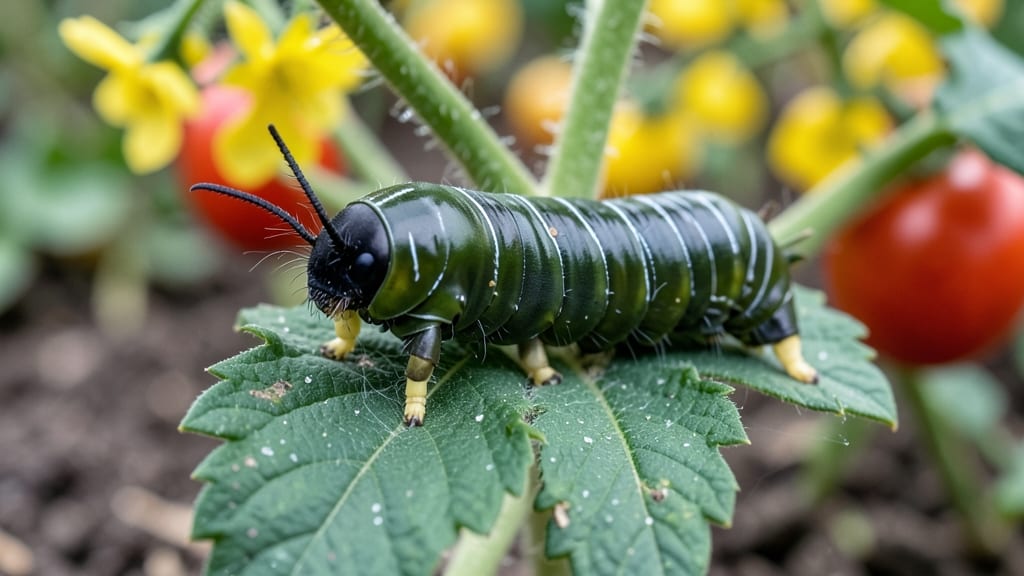
That green monster stripping the large caterpillar on tomato plant faster than you can blink? 🌱 The striped bandit (likely a hornworm) is the sneaky villain behind skeletonized leaves and missing fruit.
I’ve wrestled with these striped bandits for years, and I’ve learned the organic moves that actually work—no toxic sprays required. The damage starts small: chewed leaves, then missing flowers, and soon your tomatoes vanish overnight.
But here’s the thing—these caterpillars are actually a food source for beneficial insects, so the goal isn’t to exterminate them, but to keep their population in check without harming your plants or pollinators.
Handpicking is the fastest fix, but neem oil and Bacillus thuringiensis (Bt) are your secret weapons for long-term control.
By the end of this, you’ll spot these caterpillars before they strike, know exactly how to remove them (and what to do with them afterward), and set up a prevention system that keeps your tomatoes thriving all season.
No more waking up to a defoliated plant—just healthy vines and a bountiful harvest. The best part? These methods work for peppers, eggplants, and other nightshades too. Let’s get your garden back in balance—without the collateral damage.
The Hidden Triggers Behind Tomato Invaders
When you spot a large caterpillar munching on your tomato plant, it’s rarely a random act—these furry pests are drawn by specific conditions in your garden.
Understanding the why behind their presence helps you disrupt their lifecycle before they turn your harvest into a buffet. Here’s what’s really luring them in:
Tomato caterpillars—like the infamous hornworm or tomato fruitworm—have a nose (or rather, antennae) for ripe, soft fruit. Their larvae are particularly attracted to:
- Overripe tomatoes: These emit volatile organic compounds (VOCs) that signal "easy pickings." A single bruised or rotting tomato can attract dozens of caterpillars within 24 hours.
- Cracked or split fruit: The exposed gel inside releases sugars and amino acids, which caterpillars detect from up to 10 feet away.
- Blossom-end rot: The calcium-deficient, mushy tissue at the tomato’s base is a caterpillar’s dream—high moisture and decaying cells make it irresistible.
💡 Pro Tip: Harvest tomatoes as soon as they’re 70% ripe (they’ll finish ripening indoors). Remove any damaged fruit immediately—even if it’s just one worm’s meal, it’s a breeding call to others.
Caterpillars thrive where their natural predators are scarce. Your tomato plant’s "neighborhood" plays a huge role:
- Monoculture gardens: Planting tomatoes in isolation creates a caterpillar paradise. Without diverse plants, beneficial insects like parasitic wasps (which lay eggs inside caterpillars) or ladybugs have nowhere to hunt.
- Missing repellent plants: Caterpillars avoid areas with strong-smelling herbs like basil, mint, or marigolds. These release limonene and linalool, compounds that mask tomato plant odors.
- Weedy patches: Dandelions and milkweed act as "nursery grounds" for caterpillars. Their leaves provide shelter for eggs, and the sap attracts adult moths to lay more.
🌡️ Actionable Fix: Interplant tomatoes with nasturtiums (which trap aphids, a caterpillar food source) or garlic (releases alliin, a natural deterrent). Aim for a 3:1 ratio of companion plants to tomatoes.
Caterpillars are cold-blooded—literally. Their growth rate doubles in temperatures above 80°F (27°C) with high humidity. Here’s how your garden might be creating their ideal conditions:
| Factor | Why It Attracts Caterpillars | Science Behind It |
|---|---|---|
| Drip irrigation at night | Creates damp foliage where moths lay eggs. | Eggs hatch faster in 80%+ humidity; caterpillars thrive in moist environments. |
| South-facing tomato beds | Retains heat longer, speeding up moth activity. | Adult moths are most active at dusk when temps are 75–85°F (24–29°C). |
| Plastic mulch | Traps heat and accelerates caterpillar development. | Larvae pupate 30% faster in 90°F+ soil vs. 70°F. |
✨ Smart Hack: Switch to drip irrigation with emitters above soil to avoid wetting leaves. Use shade cloth (30%) on south-facing rows to keep temps under 85°F.
By addressing these triggers—removing food sources, diversifying plantings, and controlling microclimates—you’re not just reacting to caterpillars; you’re making your garden uninhabitable for them. The key? Act fast—these pests multiply exponentially once they get a foothold.
Quick Fixes for Caterpillar Chaos
Spotting a large caterpillar munching on your tomato plants can feel like a nightmare—especially when you’re just days away from harvest. But don’t panic! With the right approach, you can remove these pests without harming your plants (or your conscience).
Below, we’ve mapped out targeted solutions based on the most common causes of caterpillar infestations, from hornworms to tomato fruitworms, plus prevention tips to keep your garden caterpillar-free for good. 🚀
These striped, leaf-munching monsters can devour a tomato plant in hours. Here’s how to evict them:
🔥 Step 1: Manual Removal (Best for Small Infestations)
- 👨🍳 Grab and Go: Wear gloves and pluck the caterpillars off by hand (they’re slippery but not fast!). Drop them into soapy water to ensure they don’t wriggle away.
- 🌙 Night Patrol: Hornworms are most active at dawn/dusk—check plants then for easier spotting.
🍳 Step 2: Natural Predators (Eco-Friendly Control)
- 🐝 Invite Beneficial Insects: Ladybugs, lacewings, and parasitic wasps love hornworms. Plant dill, fennel, or marigolds nearby to attract them.
- 🐍 Frogs & Toads: These amphibians snack on caterpillars. Add a small water feature to lure them in.
⏰ Step 3: Prevent Future Attacks
- 🌱 Interplant with Basil: The strong scent repels hornworms. Plus, it improves tomato flavor!
- 🌡️ Row Covers: Use lightweight fabric to shield young plants until they’re established.
These pale green caterpillars burrow into tomatoes, turning them into mushy messes. Act fast!
🔪 Step 1: Trap & Trap Again
- 🍎 Pheromone Traps: Hang traps near your tomato patch to disrupt mating cycles.
- 🥘 Yellow Sticky Traps: Fruitworms are drawn to yellow—place these near plants to catch adults before they lay eggs.
👨🍳 Step 2: Organic Sprays (Safe & Effective)
- 🌿 Bacillus thuringiensis (Bt): A bacteria-based spray that targets caterpillars’ stomachs. Reapply after rain.
- 🌶️ Hot Pepper Spray: Mix 2 tbsp cayenne pepper + 1 tsp dish soap + 1 quart water. Spray directly on caterpillars (reapply every 3–5 days).
🎯 Step 3: Physical Barriers
- 🍅 Paper Bags: Once tomatoes form, cover them with breathable bags to block egg-laying moths.
- 🌱 Crop Rotation: Avoid planting tomatoes in the same spot yearly—fruitworms overwinter in soil.
If caterpillars keep returning, your garden might be a buffet. Break the cycle with these habits:
💡 Pro Tip: Garden Hygiene
- 🔥 Remove Debris: Clear fallen leaves and plant waste where caterpillars hide.
- 🌡️ Mulch Smartly: Use straw or grass clippings (avoid thick layers that trap moisture and pests).
✨ Companion Planting Power
- 🌼 Marigolds & Nasturtiums: Repel a wide range of caterpillars with their strong scents.
- 🍃 Aromatic Herbs: Plant thyme, rosemary, or mint around tomato plants as a natural deterrent.
📊 Long-Term Defense
- 🐝 Plant Diversity: A mix of flowers, herbs, and veggies confuses pests and attracts predators.
- 🌱 Succession Planting: Stagger tomato plantings so not all are vulnerable at once.
With these targeted fixes, you’ll reclaim your tomato plants in no time—without resorting to harsh chemicals. The key? Act fast, stay vigilant, and let nature do the heavy lifting. 🌱💚
Frequently asked questions
What kind of caterpillar is eating my tomato leaves?
The most likely culprit is a hornworm (green with white stripes) or tomato fruitworm (pale green). Hornworms target leaves and flowers, while fruitworms burrow into developing tomatoes. Both grow up to 4 inches long—check undersides of leaves for eggs or tiny caterpillars.
Are these caterpillars harmful to my tomato plant?
Yes, they can cause serious damage! A single hornworm can defoliate a plant in 24 hours, while fruitworms create entry points for disease. However, they’re not toxic—they’re just hungry. Remove them quickly to protect your harvest.
Will handpicking work, or do I need stronger methods?
Handpicking is effective for small infestations—wear gloves and drop them in soapy water. For larger problems, combine it with Bacillus thuringiensis (Bt) spray or introduce parasitic wasps. Check plants daily during peak caterpillar season (June-August).
Can I use neem oil or hot pepper spray on tomato plants?
Yes, but use them carefully! Neem oil works best as a preventive spray (apply at dusk to avoid harming bees). Hot pepper spray (mix 2 tbsp cayenne + 1 tsp soap + 1 quart water) targets caterpillars directly. Always test on a small leaf first.
How do I prevent caterpillars next season?
Start with companion planting (basil, marigolds, or nasturtiums). Use row covers for young plants, practice crop rotation, and remove all plant debris in fall. Healthy plants with diverse neighbors resist pests better!