
Companion Plants
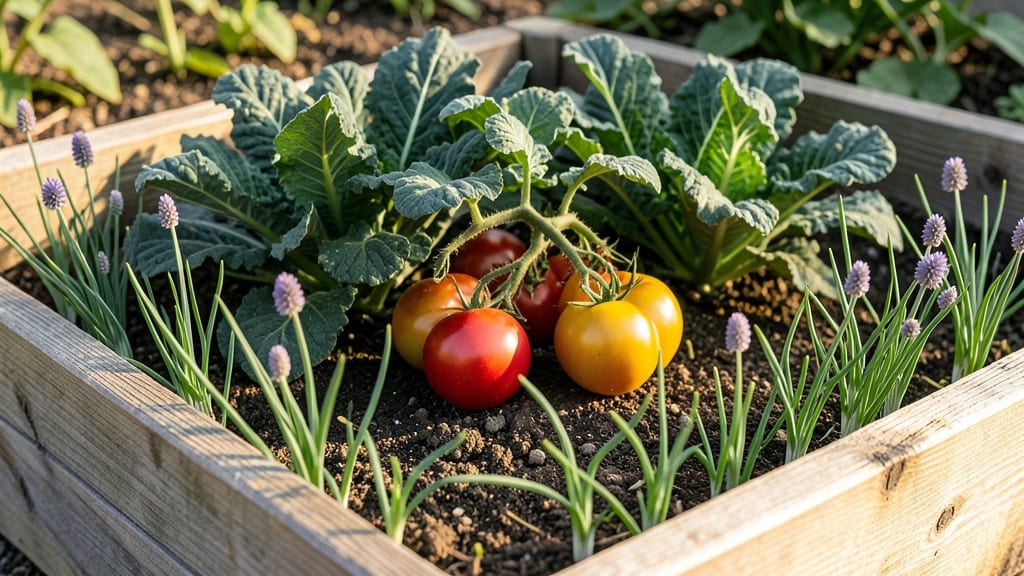
Discover how pairing kale with tomatoes can transform your garden into a high-yield, pest-resistant powerhouse. These 10 proven companion planting combinations maximize space, flavor, and growth while keeping your plants thriving together.
Kale And Cherry Tomatoes In Containers
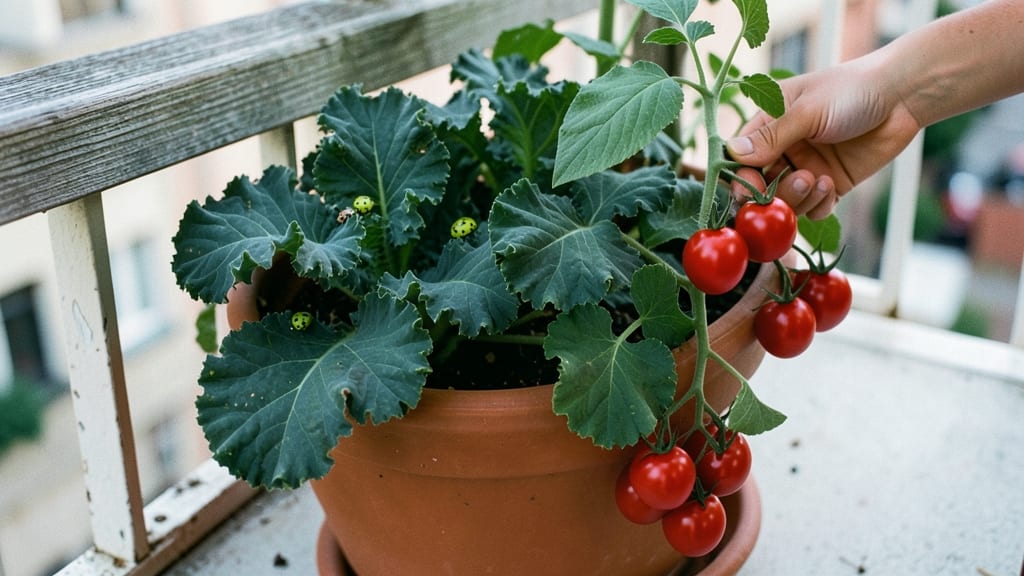
Urban gardeners and balcony growers, rejoice—kale and cherry tomatoes thrive together in containers, making them the perfect duo for small spaces! This pairing isn’t just space-efficient; it creates a natural pest-control ecosystem by attracting ladybugs and other beneficial insects that target both plants’ common pests.
Plant cherry tomatoes (with their compact growth) near the base of kale plants, ensuring each has its own root zone in a container at least 12 inches deep. The tomatoes’ foliage provides shade for kale’s tender leaves, while the kale’s deep roots help prevent soil depletion. Water consistently—containers dry out faster—and use a balanced organic fertilizer every 4-6 weeks to support both heavy feeders.
This combo is ideal for beginners or anyone with limited space, delivering fresh produce year-round in temperate climates. Plus, the vertical growth of kale and cascading tomatoes create a stunning, edible display. 🌱
Tomatoes And Kale With Basil
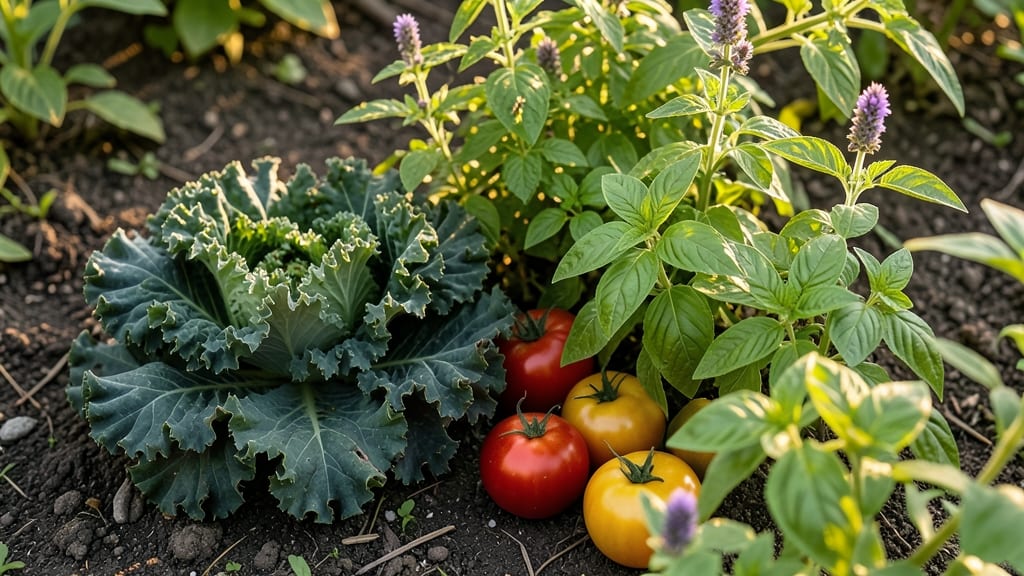
If you’ve ever struggled with whiteflies on your kale or wish your tomatoes tasted sweeter, this trio is your solution. Planting basil between your tomatoes and kale creates a dynamic partnership that protects both plants while boosting flavor and health.
The fragrant basil leaves naturally repel whiteflies, a common pest for kale, while their volatile oils enhance tomato flavor and deter fungal spores from splashing onto leaves. Position basil plants 12-18 inches away from tomato stems and 6-12 inches from kale to allow airflow while maximizing pest control. This setup also reduces humidity around the plants, cutting down on early blight and powdery mildew—two diseases that plague both crops.
This combo is perfect for gardeners who want low-maintenance pest control without chemicals. The basil’s shade also helps kale retain moisture during hot afternoons, making it ideal for container gardens, raised beds, or in-ground plots. 🌿
Dwarf Tomatoes And Kale Under Netting
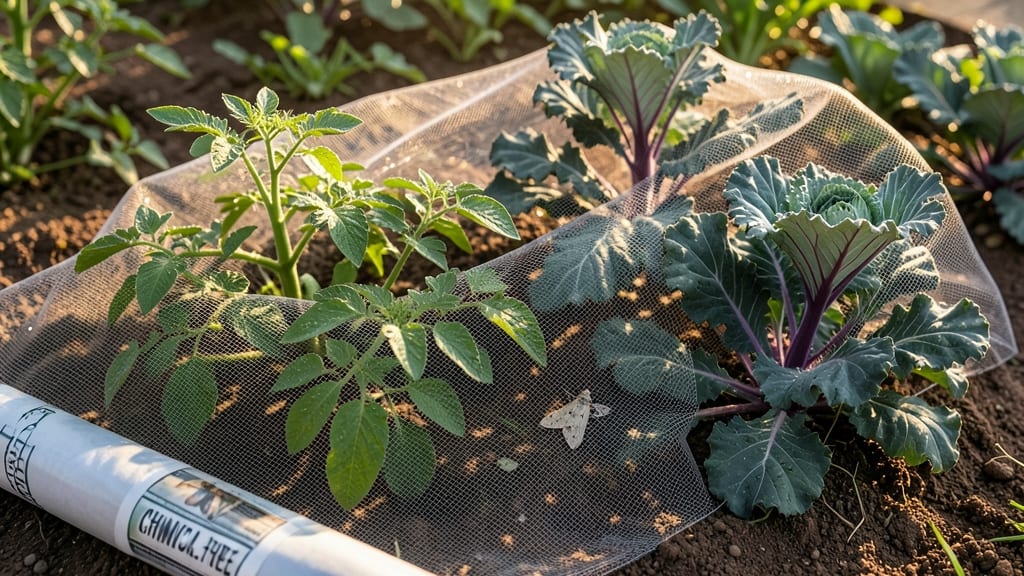
If you’ve ever lost a tomato harvest to hungry birds or watched your kale turn into a cabbage moth buffet, lightweight netting is your game-changer. This simple, organic solution shields both dwarf tomatoes and kale from their worst predators while keeping your garden chemical-free.
Install fine mesh netting (1/2-inch or smaller) over your plants as soon as they emerge, securing the edges with stakes or weights. The netting blocks cabbage moths—kale’s arch-nemesis—while preventing birds from snatching ripe tomatoes. Yet, unlike solid barriers, it allows bees and other pollinators to flutter through, ensuring tomato flowers set fruit. For best results, choose white or light-colored netting to reflect sunlight and keep plants cooler.
This method is ideal for organic gardeners, urban plot owners, or anyone tired of pest battles. With minimal setup, you’ll protect your harvest without sacrificing pollinator access or soil health. 🌱
Heirloom Tomatoes And Kale With Marigolds
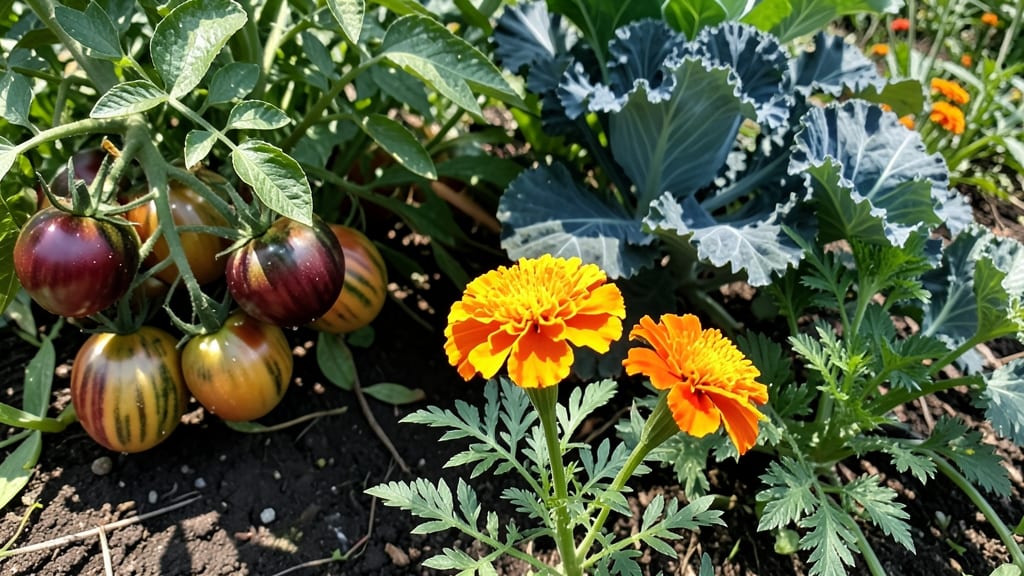
Want to grow heirloom tomatoes and kale without battling nematodes or pests? The secret lies in marigolds—these bright, cheerful flowers are the ultimate natural bodyguards for your garden duo.
Marigolds release a compound called alpha-terthienyl that repels nematodes, which can devastate kale roots, while their vibrant blooms attract pollinators like bees and hoverflies to your tomato flowers. Plant French marigolds (taller varieties) near tomato stakes or signet marigolds (dwarf types) around kale bases for a full-circle defense. The best part? You’ll see fewer pests and bigger harvests—marigolds even deter rabbits from nibbling young tomato leaves.
This trio is perfect for gardeners who love low-maintenance solutions but still want bountiful yields. Try it this season and watch your heirloom tomatoes and kale thrive together naturally. 🌻
Tomato And Kale With Garlic
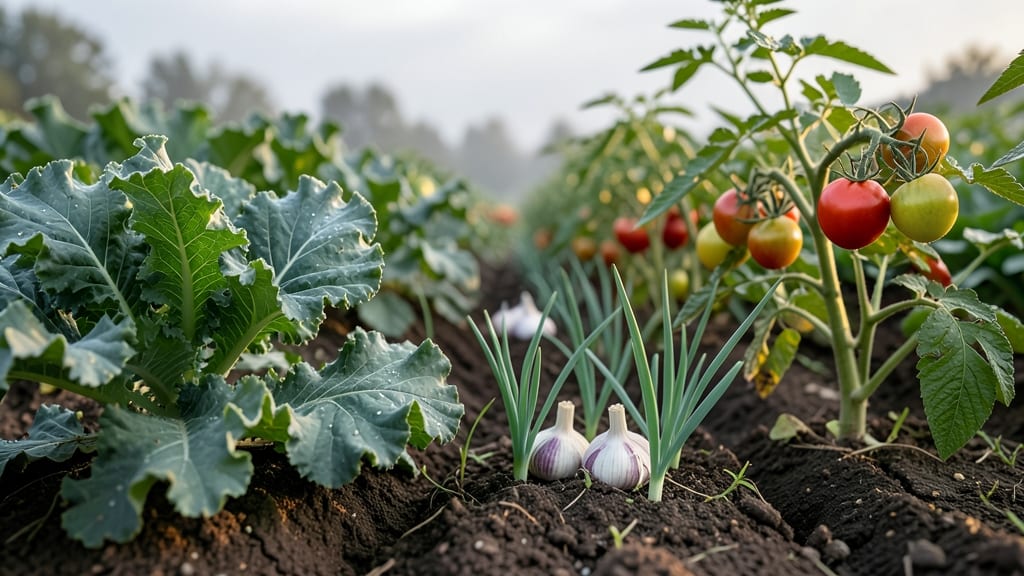
If you’re battling aphids on kale or struggling with tomato blight, garlic might be your secret weapon. This trio—kale, tomatoes, and garlic—creates a natural defense system that’s especially powerful in cool-season gardens.
Plant garlic bulbs between your tomato plants and kale rows. The pungent scent confuses and repels aphids, which often target kale, while also reducing fungal spores that cause tomato blight. For best results, interplant garlic in early spring or fall, spacing it 6 inches apart from both crops. This setup works beautifully in raised beds or in-ground plots where you can easily rotate crops next season.
Gardeners in cooler climates will love this combo because garlic thrives in mild temperatures, providing year-round protection. It’s a low-maintenance solution that eliminates the need for chemical sprays while keeping both plants healthier and more productive. 💡
Indeterminate Tomatoes And Kale With Nasturtiums
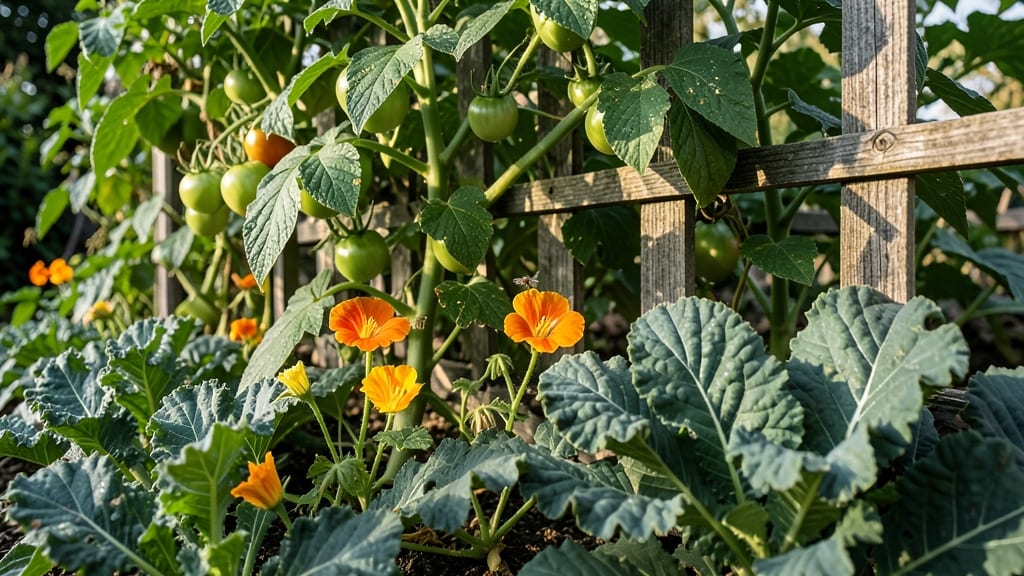
If you’re growing indeterminate tomatoes that climb and kale that needs space, nasturtiums are the secret weapon you didn’t know you needed. These bright, edible flowers act as a trap crop for pests like squash bugs while their cheerful blooms lure in hoverflies—natural predators of kale’s pesky cabbage worms.
Plant nasturtiums at the base of your tomato trellis, where their trailing vines can climb upward. The orange and yellow flowers distract pests from your kale, while their peppery leaves add a bonus edible harvest. This combo works especially well in vertical gardens or small spaces, as nasturtiums thrive in partial shade and don’t compete with your main crops.
Urban gardeners and balcony growers will love this low-maintenance trio—it’s a natural pest control system that keeps both tomatoes and kale thriving without chemicals. 🌿
Tomato And Kale With Dill
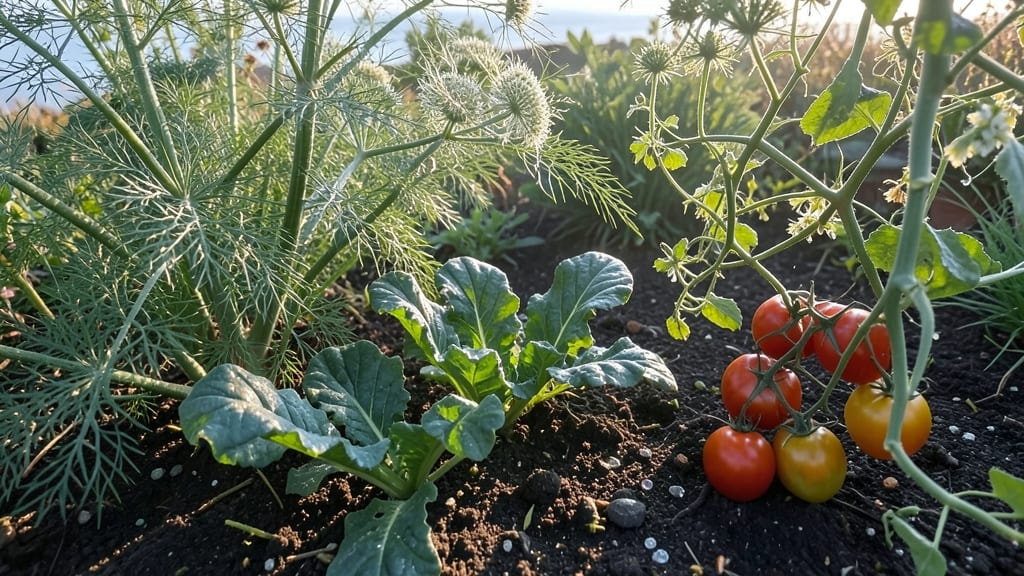
If you live near the coast where humidity lingers, dill is the secret weapon your kale and tomato trio needs. This feathery annual doesn’t just add flavor to your kitchen—it lures predatory wasps that devour kale pests like cabbage worms, while its anise-scented leaves subtly enhance tomato flavor by repelling harmful insects.
Plant dill in clusters between your tomato plants and kale, ensuring it gets full sun (6+ hours daily) and moist but well-draining soil. The key is timing: sow dill seeds 2-3 weeks before transplanting tomatoes, as it matures quickly (60-70 days). In coastal climates, its tall stems (up to 4 feet) also provide shade for kale’s tender leaves during peak afternoon sun.
This combo is a game-changer for gardeners battling humidity-related fungal issues or pest outbreaks. The wasps attracted by dill’s flowers act as natural pest control, reducing the need for sprays while keeping your harvest thriving. 🌱
Tomato And Kale With Onions
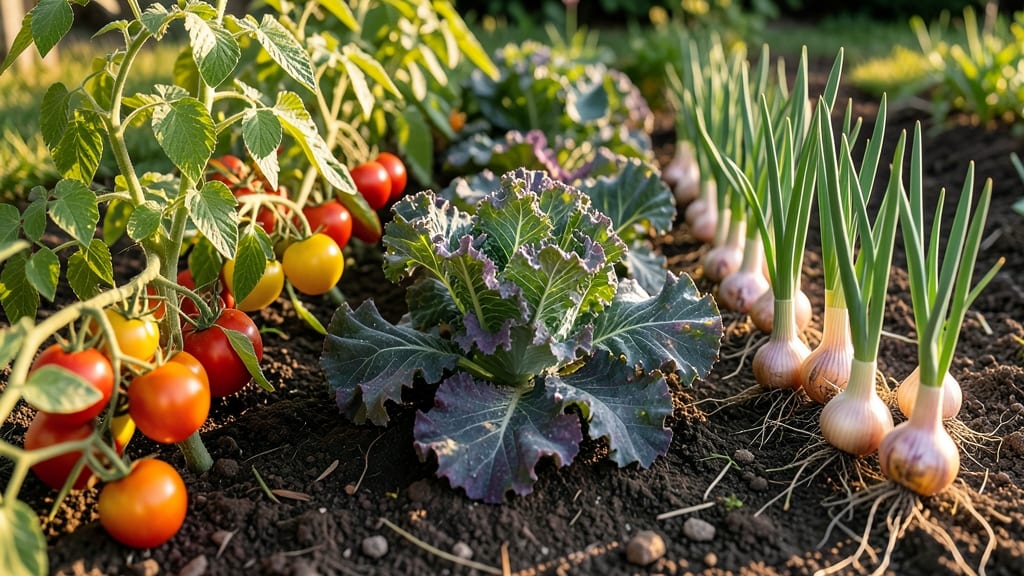
Fighting cabbage moths and tomato hornworms in the same season? Plant onions between your kale and tomatoes for a two-for-one pest solution. This trio works because onions release sulfur compounds that confuse cabbage moths while their strong scent deters hornworms from laying eggs on tomato plants.
Space onion bulbs every 4-6 inches around the base of your tomato plants, allowing their foliage to grow upward. The shallow roots won’t compete with kale’s deep taproot, and the onion’s layered defense creates a natural barrier that reduces chemical needs. For best results, harvest onions early in the season to avoid shading the tomato leaves.
This pairing is especially valuable for organic gardeners or those with limited pest control options. The onions’ dual protection makes this one of the most efficient ways to safeguard both crops without sacrificing yield. 🌱
Tomato And Kale With Clover Cover Crops
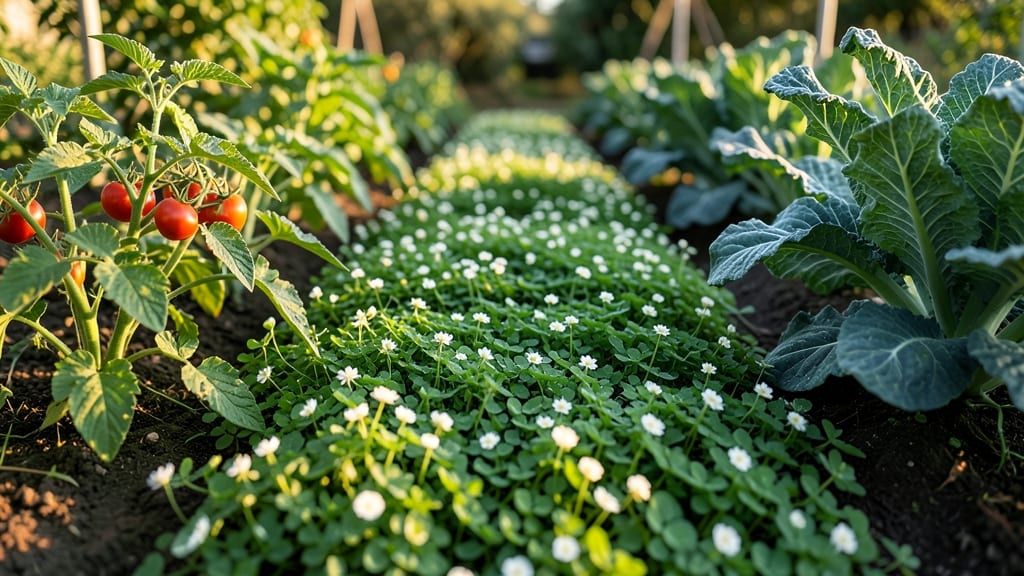
If you're tired of tilling your garden beds every season, white clover could be your new best friend. This hardy cover crop doesn’t just feed your soil—it creates a living mulch that smothers weeds while providing a nitrogen boost that tomatoes and kale will love year after year.
Plant clover between your tomato plants and kale in early spring or fall. Its deep roots fix nitrogen directly into the soil, reducing the need for synthetic fertilizers, while its dense foliage blocks sunlight from weeds. For no-till gardeners, clover’s ability to improve soil structure without disturbance makes it a game-changer. Just mow it back occasionally to keep it from flowering and spreading too aggressively.
This low-maintenance approach works especially well in raised beds or in-ground plots where you want to minimize soil disruption. Your tomatoes will thrive with extra nutrients, and your kale will grow stronger with fewer weeds competing for resources. 🌿
Tomato And Kale With Chives

If you're working with a small garden plot but want big results, chives are the unsung hero of tomato and kale companion planting. Their delicate purple blooms and mild onion flavor don't just add beauty—they actively protect both plants from pests while improving tomato taste.
Plant chives around the base of your tomato plants, about 6-12 inches away, and intersperse them between kale rows. Their shallow roots won't compete with kale's deep taproot, and their strong scent naturally deters aphids—a common kale pest—while enhancing tomato flavor. The best part? Chives thrive in partial shade, making them perfect for the dappled light conditions under tomato vines.
This trio is especially valuable for urban gardeners or those with limited space, as it maximizes yield without crowding. The chives' pest-repelling properties mean fewer chemical interventions and healthier plants overall. 🌿