
Pests
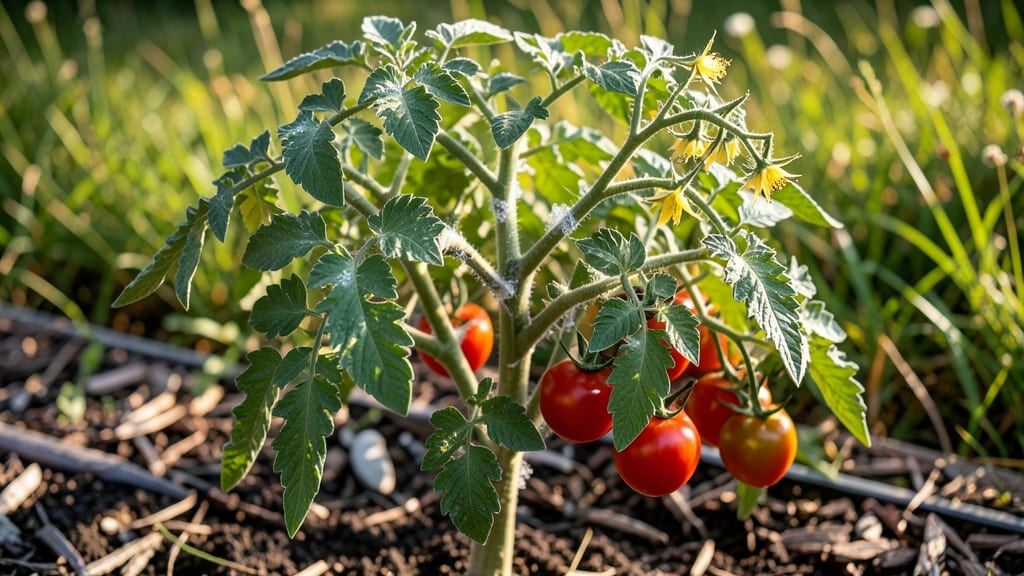
When your tomato stems turn white, it’s not just a cosmetic issue—it’s a battle cry for action. 🌱 That fuzzy residue or sticky residue could mean powdery mildew, whiteflies, or mealybugs, all of which weaken your plants and slash yields.
I’ve fought these pests in my own garden, and I’ll show you how to identify the problem and stop it in its tracks without harsh chemicals.
The first step is figuring out what you’re dealing with: Is it a powdery white coating (likely mildew) or tiny white insects fluttering around (likely whiteflies)? Both spread fast, but the fixes are simple—once you know the enemy.
My go-to organic remedies include neem oil, insecticidal soap, and a homemade spray that’s tough on pests but safe for your plants and pollinators.
By the end of these three steps, your tomato plants will bounce back stronger than ever—no more white patches, no more stunted growth. You’ll see new green leaves within days, and your tomatoes will keep producing like nothing ever happened.
The key is acting fast and staying consistent with your treatments.
This method works for gardeners in any climate, whether you’re dealing with humid summers or dry heat. The solutions are gentle enough for container gardens too, so no matter your setup, you can save your tomatoes without stressing over chemicals. Let’s get those plants back to their vibrant best!
Hidden Culprits Behind White Growths
When you spot fuzzy white patches creeping along your tomato stems, it’s not just unsightly—it’s a red flag. These growths, often mistaken for harmless mold or mildew, are usually pests or fungal invaders with specific triggers.
Understanding the root causes helps you tackle the problem at its source. Below, we break down the most common reasons your tomato stems develop these unwanted white films.
Fungi like Oidium (powdery mildew) or Botrytis cinerea (gray mold) thrive in warm, humid conditions and latch onto tomato stems with ease. Here’s why they strike:
- Poor Air Circulation: Dense foliage or overcrowded plants trap moisture near stems, creating a cozy environment for spores. Fungal spores need just 6–12 hours of leaf wetness to germinate.
- High Humidity: Ideal conditions for fungi are 70–90% humidity. Greenhouses, shaded areas, or evening dew can push moisture levels into this dangerous range.
- Weakened Plant Defense: Stressed tomatoes (from drought, nutrient deficiency, or transplant shock) produce less phytoalexins, natural compounds that repel fungi.
Actionable Insight: Prune plants to improve airflow, and avoid overhead watering—water at the base to keep stems dry.
White, cottony growths aren’t always fungi—they can be insect colonies like whiteflies or mealybugs. These pests don’t just feed on sap; they excrete honeydew, a sticky residue that attracts sooty mold—a secondary white film. Here’s how they invade:
- Honeydew Buildup: Whiteflies and aphids excrete honeydew, which ferments into a sugar-rich film on leaves and stems. This sticky layer traps fungal spores, creating the perfect storm for white growths.
- Warm, Stagnant Air: Insects thrive in temperatures above 75°F (24°C) with little airflow. Greenhouses or southern exposures become hotspots for infestations.
- Previous Infestations: If nearby plants (like basil or peppers) had pests, they can hitchhike to your tomatoes via wind or garden tools.
Actionable Insight: Inspect undersides of leaves for tiny white insects. Use yellow sticky traps to monitor populations before they explode.
Tomatoes under stress are vulnerable to opportunistic invaders. White growths often appear when plants are already struggling. Key stressors include:
- Overwatering or Underwatering:
- Too much water leads to root rot, weakening the plant’s ability to fight off pathogens.
- Too little water causes osmotic stress, making stems dry and brittle—ideal entry points for fungi.
- Nutrient Imbalances: A phosphorus or potassium deficiency (common in sandy soils) reduces the plant’s cell wall integrity, making it easier for fungi to penetrate.
- Sudden Temperature Shifts: Cold nights followed by hot days create condensation on stems, mimicking a humid microclimate for fungal spores.
Actionable Insight: Test soil pH (aim for 6.0–6.8) and amend with compost or balanced fertilizer (10-10-10) to boost resilience.
Pro Tip: 💡 Early detection is key—check stems weekly for white films. A 10x magnifying glass helps distinguish between fuzzy fungi and fluffy insect colonies.
Quick Fixes for Common Tomato Stem Issues
Now that you know the likely culprits behind that unsightly white buildup on your tomato stems—whether it’s fungal spores, pest activity, or environmental stress—let’s tackle the fixes. Below are targeted, organic solutions tailored to each cause, along with prevention tips to keep your plants thriving.
If white fuzz, powdery mildew, or mold is the culprit, act fast to stop the spread and restore your plants.
🔥 Step 1: Prune & Remove Infected Areas
- Use sterilized pruning shears (wipe with rubbing alcohol) to snip off heavily infected stems or leaves.
- Do not compost these clippings—toss them in the trash to prevent reinfestation.
🍳 Step 2: Apply a Natural Fungicide Mix one of these in a spray bottle and apply to both affected and nearby healthy foliage (especially undersides of leaves):
- Baking soda spray: 1 tsp baking soda + 1 quart water + a few drops of dish soap (as a surfactant).
- Neem oil solution: 1 tbsp neem oil + 1 tsp mild soap + 1 quart water. Shake well before spraying.
- Milk spray: 1 part milk to 9 parts water (works best for powdery mildew).
👨🍳 Step 3: Improve Airflow & Light
- Space plants at least 18–24 inches apart to reduce humidity buildup.
- Remove lower leaves touching the soil to prevent moisture retention.
- Water at the base (not overhead) in the early morning so foliage dries quickly.
💡 Prevention Tip:
- Rotate crops yearly to avoid fungal buildup in the soil.
- Use row covers early in the season to block spores from spreading.
If white residue is actually aphids, mealybugs, or spider mites, these steps will help.
🔪 Step 1: Blast Off Pests with Water
- Use a strong spray of water (from a hose or spray bottle) to dislodge pests from stems and leaves.
- Repeat every 2–3 days until the infestation clears.
🥘 Step 2: Introduce Beneficial Insects
- Ladybugs and lacewings love aphids—release them near your tomato plants.
- Predatory mites can control spider mites (available at garden centers).
🎯 Step 3: Apply Insecticidal Soap or Oil
- Insecticidal soap: Mix 1 tbsp castile soap or potassium soap with 1 quart water. Spray directly on pests.
- Horticultural oil: Apply in the early evening (avoid direct sun to prevent leaf burn).
✨ Prevention Tip:
- Interplant with pest-repelling herbs like basil, marigolds, or garlic.
- Sticky traps near plants can catch flying insects before they settle.
If the white buildup is due to salt deposits, mineral buildup, or poor watering, these fixes will help.
💡 Step 1: Flush the Soil
- Water the plant deeply and thoroughly to leach out excess salts or minerals.
- If using hard water, add 1 tbsp of white vinegar per gallon of water for 1–2 waterings to neutralize buildup.
🌱 Step 2: Check Your Water Source
- If using well water or tap water with high minerals, consider:
- Rainwater collection (if available).
- Water softener for garden use.
- Reverse osmosis filter for irrigation.
🎯 Step 3: Adjust Watering Habits
- Water consistently—tomatoes hate wet-dry cycles, which stress roots.
- Mulch heavily (2–3 inches of straw or wood chips) to retain moisture and regulate soil temp.
🔥 Prevention Tip:
- Test your soil every 2–3 years to monitor pH and mineral levels.
- Avoid overhead irrigation to prevent mineral spray on leaves.
Final Note: Always wear gloves when handling plants and sterilize tools between uses to avoid spreading issues. With these fixes, your tomato stems should clear up in 1–2 weeks—and your harvest will thank you! 🍅🌿
Frequently asked questions
Is white on tomato stems always a sign of disease?
Not necessarily! While powdery mildew or fungal growth is common, white residue can also mean insect infestations like whiteflies or mealybugs. Check the undersides of leaves—if you see tiny white bugs or sticky honeydew, it's pests, not just mold. Always inspect closely before treating.
Can I still eat tomatoes from plants with white stems?
Only if the white growth is superficial (like early powdery mildew) and hasn't spread to the fruit. If the stems are heavily infected or pests are present, the plant may have absorbed toxins. When in doubt, harvest only fully ripe tomatoes and discard affected leaves/stems.
How often should I spray neem oil for prevention?
Every 7–10 days during warm, humid weather is ideal for prevention. For active infestations, apply every 3–5 days until symptoms clear. Always spray in the early evening to avoid leaf burn, and cover the undersides of leaves where pests hide.
Will pruning help stop white growth from spreading?
Pruning infected leaves and stems removes the source of spores or pests. Cut back to healthy green tissue, and sterilize your tools with rubbing alcohol between cuts. This improves airflow and prevents reinfestation.
Can I use household vinegar to treat white fungal growth?
Not directly—vinegar is too harsh for plants at full strength. Instead, mix 1 tablespoon white vinegar per gallon of water and spray on leaves (avoid stems). This mild acidity helps prevent fungal spores. For existing growth, use baking soda or neem oil instead.