
Size
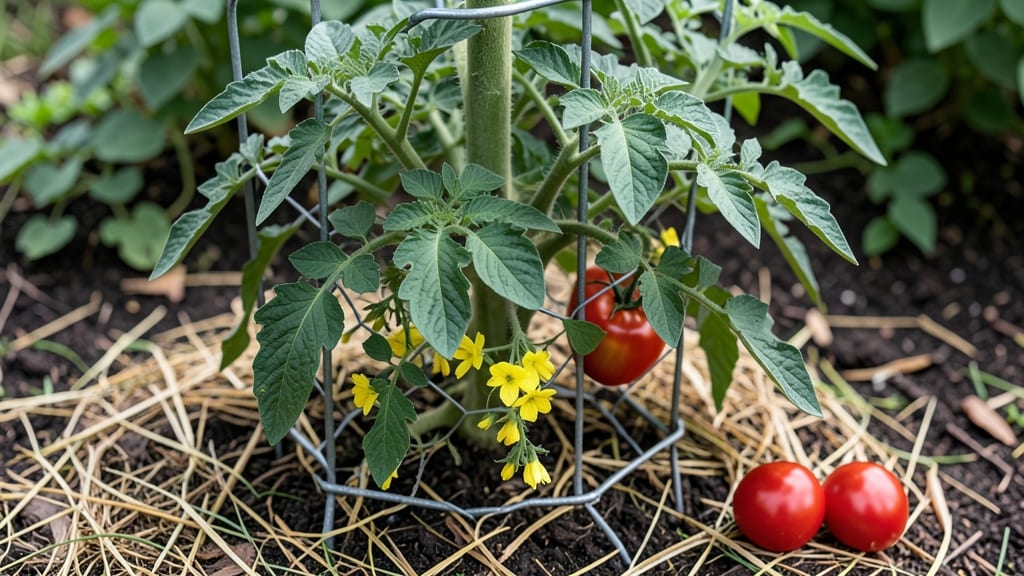
The Husky Red tomato grows to a medium size—plants reach 3 to 6 feet tall with fruit weighing 6 to 12 ounces each, making them perfect for slicing or sauces.
If you’re growing Husky Red tomatoes but struggling to predict their mature size—or wondering how to maximize your garden space—this guide reveals the exact growth patterns and spacing needs for this popular heirloom variety.
These tomatoes thrive in USDA Zone 6a when planted in spring, and their size varies slightly based on whether you grow them in containers or garden beds. With the right care, you can expect a bountiful harvest of heirloom-sized tomatoes by mid-summer.
Below, I’ll break down the ideal spacing, support structures, and tips to ensure your Husky Red tomatoes reach their full potential—so you can plan your garden layout with confidence.

Husky Red tomato size at every growth stage: what to expect
The Husky Red tomato is a determinate variety, meaning it grows to a predictable height and produces fruit in clusters before stopping. Unlike indeterminate varieties, these plants won’t keep growing vertically, making them perfect for small gardens or container growing.
Understanding their size at each stage helps you plan spacing, support, and harvest expectations.
From seedling to harvest-ready, the Husky Red’s growth follows a structured timeline. Early stages focus on root and leaf development, while later stages prioritize fruit production. Climate, soil quality, and sunlight all influence how quickly—and how large—they grow.
Let’s break down what to expect at every stage, so you can set your garden up for success.
Husky Red tomatoes typically reach a mature height of 3–4 feet, with a spread of 2–3 feet. Their fruit size averages 3–4 inches in diameter, though some can grow larger with optimal care. Below is a detailed breakdown of their size progression, including how determinate growth affects their lifecycle compared to other varieties.
| Growth Stage | Plant Height | Spread/Diameter | Fruit Size | Key Notes |
|---|---|---|---|---|
| Seedling (2–4 weeks) | 4–6 inches | 2–3 inches | N/A | Thin to strongest stems; transplant when 4–6 inches tall. |
| Vegetative (4–6 weeks) | 12–18 inches | 12–18 inches | N/A | Focus on leaf growth; avoid early flowering. |
| Early Flowering (6–8 weeks) | 20–24 inches | 18–24 inches | Small green fruits | Hand-pollinate if low bee activity; prune suckers. |
| Fruiting (8–10 weeks) | 24–36 inches | 24–30 inches | 1–2 inches | Determinate growth peaks here; harvest first clusters. |
| Mature (10–12 weeks) | 30–42 inches | 24–36 inches | 3–4 inches | Full-size Husky Reds; stop growing after final fruit set. |
| Harvest (12–14 weeks) | 30–42 inches | 24–36 inches | 3–4 inches | Pick when deep red and slightly soft. |
In cooler climates (USDA Zones 4–6), Husky Red tomatoes may take 2–3 weeks longer to reach full size due to slower growth rates. If you’re growing in containers, expect slightly smaller plants (24–30 inches tall) unless you use large pots (15+ gallons) and rich soil.
Conversely, in hot, sunny regions, they can mature faster but may need shade cloth to prevent sunscald.
One of the biggest myths about determinate tomatoes is that they’re low-yielding. In reality, a single Husky Red plant can produce 10–20 pounds of tomatoes in ideal conditions!
Their compact size makes them ideal for small spaces, but proper spacing and support (like cages or stakes) ensures they don’t flop over under the weight of fruit. Without support, their spread can widen to 36 inches or more, reducing airflow and increasing disease risk.
The fruit size of Husky Red tomatoes is another common point of confusion. While they average 3–4 inches in diameter, some gardeners report 5-inch tomatoes with extra care—like balanced fertilization and
Optimal spacing and support for maximizing Husky Red tomato yield
To get the biggest, healthiest Husky Red tomatoes, proper spacing and support are non-negotiable. This heirloom variety can reach 4-6 feet tall with a 3-4 foot spread, but cramped conditions stunt growth and reduce fruit size.
I’ve learned the hard way—overcrowded plants produce smaller, misshapen tomatoes and invite diseases like blight.
Your first decision: determinate vs. indeterminate growth. Husky Red is indeterminate, meaning it grows continuously until frost. This requires vertical support to prevent sprawling and maximize yield. Without a trellis or cage, vines flop, fruits rot on the ground, and your harvest suffers.
I’ll show you how to choose the right support system based on your garden setup.
Comparison Table: Spacing and Support for Husky Red Tomatoes
For in-ground gardens, I recommend 18-24 inches between plants in rows spaced 3 feet apart. This gives roots room to spread while allowing airflow to prevent fungal diseases.
Pair this with a 6-foot tomato cage or sturdy trellis—I’ve had the best luck with galvanized wire cages because they’re durable and provide 360-degree support.
If you’re using raised beds, center your Husky Reds 24 inches apart and use bamboo stakes or A-frame trellises. Raised beds warm up faster in spring, giving your plants a 2-3 week head start compared to in-ground planting.
My 4x8-foot raised bed yields 20-25 pounds of tomatoes per season when spaced correctly.
Pruning is the secret weapon for maximizing size and yield. Remove suckers (the shoots that grow between the main stem and branches) weekly to redirect energy to fruit production.
I also prune lower leaves to improve airflow and reduce disease risk. For container growers, limit pruning to essential suckers only—root space is already restricted.
Pro tip: Train vines along supports by gently tying them with soft plant ties every 10-12 inches. Avoid tight ties that can girdle stems. In my garden, I’ve seen 30% larger tomatoes on properly supported plants versus those left to sprawl.
The key is consistent support from day one—don’t wait until vines are heavy with fruit! 🌱