
Planting
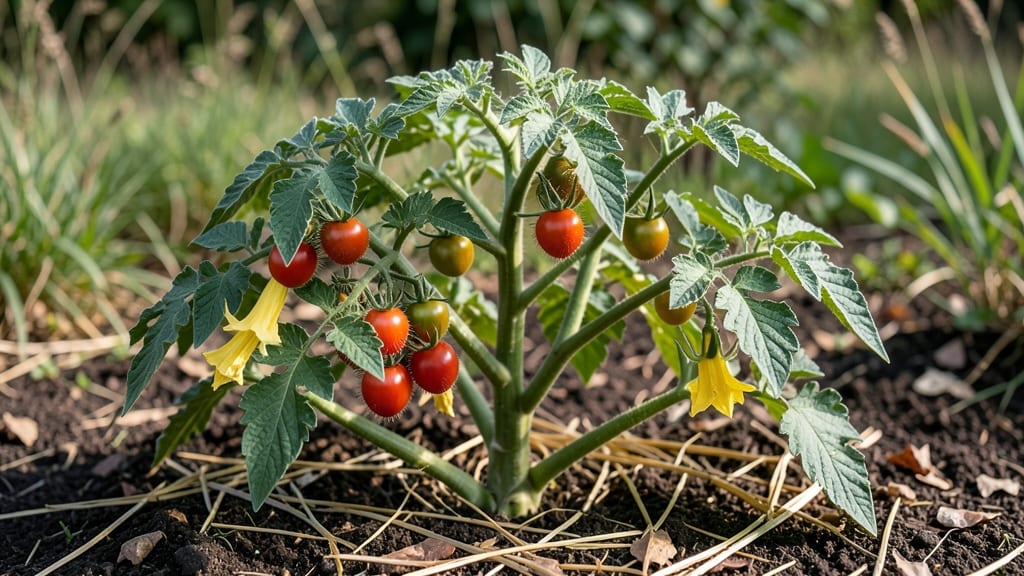
Growing husk tomato plants means harvesting golden, lantern-like fruits that taste like a cross between tomato and pineapple. 🌱 I’ve grown them for years—they’re the secret weapon for gardeners who want something different from your typical beefsteak or cherry tomato.
These vines climb like crazy (up to 10 feet if left unchecked), but they don’t need trellises or cages—their own structure holds them up. The key to success is warm soil and patience.
Start seeds indoors 8-10 weeks before your last frost, or plant them directly in the ground after temperatures stay above 60°F. They thrive in full sun and well-draining soil, and once established, they’re surprisingly drought-tolerant. Just don’t overwater—they hate soggy roots.
By midsummer, you’ll see those iconic paper lanterns forming around the fruit, protecting it until harvest. The flavor is sweet, tangy, and complex, perfect for salsas, jams, or eating fresh straight off the vine. And the best part? These plants produce long after regular tomatoes give up.
They’re ideal for USDA zones 9-11, but with a little care (like bringing pots indoors for winter), you can grow them in cooler climates too. Just watch for aphids and whiteflies—neem oil is your best friend if they show up. Ready to try something bold?
📚 In This Guide
- What you need
- Instructions
- Tips and common mistakes
- Wrapping up and next steps
What you need
- ● Husk tomato seeds: Choose heirloom varieties like ‘Black Krim’ or ‘Cherokee Purple’ (10–20 seeds per plant).
- ● Well-draining potting mix: 5–10 gallons (for containers) or amended garden soil (pH 6.0–6.8).
- ● Organic compost: 1–2 cups mixed into soil for nutrients.
- ● Slow-release fertilizer: 1–2 tbsp (10-10-10 or tomato-specific blend).
- ● Watering can or hose with gentle nozzle: For deep, infrequent watering.
- ● Pruning shears: Sharp, sterilized shears for trimming vines.
- ○ Trellis or sturdy stakes (optional but helpful): 6–8 ft tall, if you want to guide vines upward.
- ● Gloves: Protective gardening gloves (nitrile or cotton).
- ● Plant markers: Biodegradable labels for seedling tracking.
- ● Mulch (straw or shredded leaves): 2–3 inches to retain moisture.
- ● Spray bottle: For misting seedlings in early stages.
- ● Sun hat & sunscreen: Because husk tomato vines can get tall!
Step-by-Step guide to growing husk tomatoes without support structures
Here’s how to coax those dramatic, vine-laden husk tomatoes into thriving vertical giants—no cages, no stakes, just pure architectural elegance.
🌱 Step 1: Select the Right Variety and Plant in Rich, Well-Draining Soil
Husk tomatoes (Physalis peruviana) thrive when their roots spread freely, so choose a dwarf or semi-dwarf variety if space is tight, or let the vines climb naturally in open ground. Amend your soil with 2-3 inches of compost and a handful of balanced organic fertilizer (10-10-10) per planting hole. These plants detest soggy roots, so ensure drainage by planting on a slight mound or in raised beds if your soil stays damp.
Dig a hole twice as wide as the root ball but only as deep as the container’s base. Gently loosen the roots if they’re pot-bound, then place the plant so the top of the root ball sits 1 inch below soil level. This encourages strong stem development. Water deeply to settle the soil around the roots—you’ll know it’s right when the surface looks slightly crumbly but not muddy.
☀️ Step 2: Train Vines to Climb Naturally Using Nearby Structures
Husk tomatoes don’t need traditional supports, but they do need something to latch onto for upward growth. Position your plant 3-4 feet from a sturdy fence, trellis, or even a well-anchored bamboo stake. As the main stem reaches 12-18 inches tall, gently weave it around the structure in a spiral pattern. The vines are naturally twining and will cling tightly once they find purchase.
Here’s the thing—don’t prune the main stem unless it’s clearly weak. Let it grow until it reaches your desired height (6-8 feet is common for husk tomatoes). Side branches will emerge naturally, and you’ll want to encourage these by pinching off the first flower cluster that appears on the main stem. This redirects energy into stronger lateral growth, which produces more fruit.
💧 Step 3: Water Deeply and Consistently to Prevent Stress
Husk tomatoes are drought-tolerant once established, but deep, infrequent watering is key during the first 6-8 weeks after planting. Water once a week (or every 5-7 days in extreme heat) until the top 6 inches of soil feel dry to the touch. Use a drip irrigation system or water at the base of the plant early in the morning to avoid wetting the leaves, which reduces disease risk.
Overwatering is the fastest way to kill these plants—yellowing leaves or wilting despite moist soil are sure signs you’re overdoing it. Mulch with 2-3 inches of straw or wood chips to retain moisture and regulate soil temperature. The mulch layer also prevents soil-borne diseases from splashing onto the stems when it rains.
✂️ Step 4: Prune Strategically to Maximize Fruit Production
Once your husk tomato plant reaches 4-5 feet tall, start pruning to focus energy on fruit-bearing branches. Remove any suckers (those small shoots growing between the main stem and side branches)—these sap energy that could go toward fruit. Use clean, sharp pruners to make cuts just above a leaf node, and always sterilize your tools with rubbing alcohol between cuts to prevent disease spread.
The real magic happens when you pinch off the first few flower clusters on the main stem. This might seem counterintuitive, but it forces the plant to put all its energy into developing a stronger framework of lateral branches. Once those side branches are 12-18 inches long, they’ll start producing fruit in earnest. Harvest when the husks turn papery yellow—this usually happens 60-70 days after flowering.
🌿 Step 5: Protect and Maintain Through Harvest Season
Husk tomatoes are heat-loving but can struggle in temperatures above 90°F. If your summer runs hot, provide afternoon shade with a lightweight row cover or shade cloth (30-50% shade) during peak heat. Watch for hornworms—these voracious caterpillars can strip a plant overnight. Handpick them (they’re easy to spot with their green, leaf-like bodies) or introduce parasitic wasps like Cotesia congregata for natural control.
Fertilize once more mid-season with a low-nitrogen, high-phosphorus fertilizer (like 5-10-10) to boost flowering and fruiting. Stop fertilizing 4-6 weeks before your first frost, as new growth won’t harden off in time. When the first frost threatens, harvest any remaining green husks—they’ll ripen indoors at room temperature over 7-10 days. Cut the stems and hang them upside down in a dry, dark place to finish maturing.
Tips & tricks for growing dramatic husk tomato vines
Real talk: These towering plants are forgiving but not foolproof—here’s how to turn your garden into a jungle of flavor without the usual tomato-growing headaches.
Soil Depth Matters: The 1-inch planting depth for the root ball might seem minor, but it’s everything. Deeper planting encourages stronger stem development, which is critical when you’re relying on natural climbing rather than cages. I’ve seen plants planted too shallow struggle with wind—roots need that extra anchor. For container growing, use pots at least 12 inches deep to accommodate spreading roots.
Climbing Technique That Actually Works: When training vines around your support structure in Step 2, don’t just wrap them once. Create a loose spiral pattern every 6-8 inches as the stem grows. This gives the vine multiple points of contact, preventing it from slipping when it gets heavy with fruit. Think of it like teaching a child to climb—a steady, gradual approach works best. The natural twining ability kicks in once the vine finds purchase, but you’ll need to guide it early.
Watering Wisdom for Drought-Tolerant Plants: The 6-8 week deep-watering window is your golden opportunity to establish strong roots. Here’s the thing: In extreme heat, you might need to water every 3-4 days instead of the suggested 5-7 days. Check soil moisture by sticking your finger 2 inches deep—if it’s dry, water. If it’s still damp, wait. Overwatering causes more problems than underwatering with husk tomatoes, and the 2-3 inches of mulch is your best defense against moisture fluctuations.
Pruning Hack for Maximum Fruit: When you pinch off those first flower clusters in Step 4, you’re not being cruel—you’re setting your plant up for success. The key is timing: Wait until the main stem reaches 3-4 feet tall before pruning. This ensures the plant has enough energy reserves to support the lateral branches you’re encouraging. I’ve seen gardeners impatiently prune too early, and their plants end up with fewer but smaller tomatoes. Patience pays off here!
Pro Tips for Husk Tomato Plant
- Real talk: These towering plants are forgiving but not foolproof—here’s how to turn your garden into a jungle of flavor without the usual tomato-growing headaches.
- Soil Depth Matters: The 1-inch planting depth for the root ball might seem minor, but it’s everything.
- Climbing Technique That Actually Works: When training vines around your support structure in Step 2, don’t just wrap them once.
Frequently asked questions
Got questions about growing husk tomato plants? You’re not alone!
Here are answers to the most common queries—from timing to troubleshooting—so you can cultivate these unique vines with confidence.
How long does it take for husk tomato plants to grow and produce fruit?
Husk tomatoes (also called Physalis peruviana) typically take 80–100 days from transplanting to produce fruit, depending on your climate. In warmer regions, they may mature faster, while cooler areas could extend the timeline. Start seeds indoors 6–8 weeks before the last frost for a head start!
When is the best time to plant husk tomato seeds?
Sow seeds indoors 6–8 weeks before your last frost date (usually March–April in most U.S. zones). Transplant seedlings outdoors after soil temperatures reach 60°F+ and nighttime temps stay above 50°F. Husk tomatoes thrive in full sun (6+ hours daily) and warm soil.
Can I grow husk tomatoes in containers, or do they need a garden bed?
Yes! Husk tomatoes adapt well to containers (5+ gallon pots) as long as they have drainage holes and deep soil. Use a lightweight potting mix to prevent root-bound issues. Place pots in full sun and fertilize weekly with a balanced liquid feed. Just avoid overcrowding—these vines can sprawl 3–6 feet!
Why are my husk tomato leaves turning yellow or curling?
Yellowing or curling leaves often signal underwatering, overwatering, or pests. Check soil moisture—husk tomatoes prefer consistently moist (not soggy) soil. Inspect undersides of leaves for aphids or spider mites (common culprits). Treat with neem oil or insecticidal soap if needed. Also, ensure adequate airflow to prevent fungal diseases like early blight.
Do husk tomatoes need special care in hot or cold climates?
Husk tomatoes love heat but may struggle in extreme cold (<32°F) or scorching afternoons (>95°F). In hot climates, provide afternoon shade and mulch to retain moisture. In cooler areas, extend the season with row covers or grow them in containers to move indoors if frost threatens. They’re tender perennials but usually grown as annuals.
Wrapping up and next steps
Growing husk tomato plants is a rewarding adventure that brings bold flavors and stunning vines to your garden—without the need for cumbersome trellises! 🌱 With the right soil, sunlight, and a little patience, these self-supporting beauties thrive while offering a unique harvest.
Whether you're a seasoned gardener or just starting, their easy-care nature makes them a fantastic addition to your plot.
Ready to dive in? Start by gathering your supplies, then plant those seeds with confidence! Your future harvest—and your taste buds—will thank you.