
Propagation
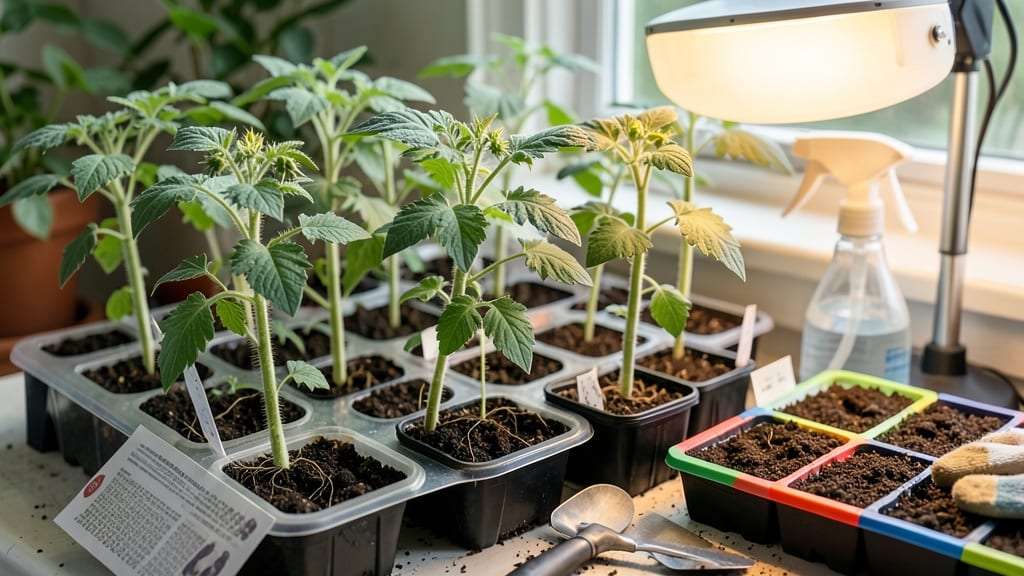
Starting tomato plants from seed gives you varieties you'll never find at nurseries—and those first green shoots in 7 days are the best feeling. 🌱 I've grown heirlooms like 'Brandywine' and cherry tomatoes like 'Sungold' from seed, and the secret isn't complicated: the right soil, warmth, and light make all the difference.
Skip the store-bought seedlings and grow your own stocky, disease-resistant plants for pennies per seed.
You'll need just 4 supplies: seed-starting mix, small pots or trays, a heat mat (or sunny windowsill), and patience. Most people overwater, which causes damping-off—a fungal disease that turns seedlings to mush overnight.
Keep the soil barely damp, and you'll avoid this heartbreak. The first true leaves appear in about 10-14 days, and that's when you'll know you're on the right track.
By the time you transplant outdoors, your seedlings will be stronger than anything from the garden center. They'll establish faster, resist transplant shock, and start producing fruit weeks earlier than store-bought plants.
The key is hardening them off—gradually exposing them to outdoor conditions—so they don't wilt the first time you stick them in the ground.
This method works for any variety, from slicing tomatoes to tiny cherry types, and scales from a windowsill to a greenhouse setup. Once you master it, you'll never buy seedlings again. Let's get those seeds sprouting!
📚 In This Guide
- What you need
- Instructions
- Tips and common mistakes
- Wrapping up and next steps
What you need
- ● Tomato seeds: 5–10 seeds (heirloom, hybrid, or cherry—your pick!)
- ● Seed-starting trays or small pots: 2–4" deep (biodegradable or plastic, 1–2 per seed)
- ● Seed-starting mix: Lightweight, sterile potting soil (avoid garden soil—it’s too dense!)
- ● Grow lights or sunny windowsill: 6–8 hours of light daily (south-facing window or LED grow lights work best)
- ● Spray bottle: For gentle watering (avoid over-saturating those tiny seeds!)
- ● Plastic wrap or humidity dome: To keep seeds cozy while germinating
- ○ Heat mat (optional but helpful): 70–85°F range to speed up germination
- ● Labels & markers: To track seed varieties and planting dates
- ○ Fertilizer (optional): Balanced, water-soluble fertilizer (diluted to half-strength for seedlings)
- ● Pruning shears or scissors: For transplanting (if using biodegradable pots)
- ● Tweezers or popsicle sticks: For delicate seedling handling
- ○ Thermometer (optional): To monitor soil/grow light temperature
Step-by-step instructions for starting tomato plants from seed
Here's how I transform tiny tomato seeds into sturdy seedlings ready for transplanting in just seven days.
🌱 Step 1: Prepare Containers and Seed Starting Mix
Fill clean 2-3 inch deep containers with a sterile seed-starting mix—never garden soil, which compacts and harbors disease. I use biodegradable peat pots to avoid root disturbance later. Moisten the mix until it feels like a damp sponge: squeeze gently, and it should hold together without dripping.
Press the soil down lightly to eliminate air pockets, then tap the container once on the table to settle everything evenly. This ensures consistent contact between seeds and moisture. Real talk: skipping this step leads to uneven germination, where some seeds pop up while others rot.
🌱 Step 2: Sow Seeds at the Correct Depth
Plant 1-2 seeds per cell at a depth of ¼ inch—about the diameter of the seed itself. Sowing too deep delays germination because the seedling exhausts its energy reserves before reaching light. Cover lightly with a sprinkle of additional mix, then mist the surface until evenly moist.
I label each container with the variety and date—after a week of identical green sprouts, you'll forget which is which. Use a spray bottle for watering; a heavy stream will dislodge seeds or bury them too deep. The goal is damp, not soggy, soil at this stage.
💧 Step 3: Provide Warmth and Moisture for Germination
Cover the trays with a clear humidity dome or plastic wrap to retain warmth and moisture. Tomatoes germinate fastest at 75-85°F. A seedling heat mat keeps the soil 10°F warmer than room temperature and cuts germination time by nearly half. Expect sprouts in 5-10 days.
Check daily but don't water yet—the dome traps enough moisture. Once 50% of seeds have sprouted, remove the dome immediately. Trapped humidity around new seedlings invites damping-off disease, which collapses stems overnight. You'll see the first true leaves emerge within 7-10 days total.
☀️ Step 4: Move to Bright Light Immediately
The instant seedlings break through the soil, they need 14-16 hours of light daily. A south-facing window rarely provides enough intensity, so I use a full-spectrum LED grow light positioned 2-4 inches above the plants. Raise it as they grow to maintain that gap.
Without sufficient light, seedlings stretch desperately upward (called "leggy") and never recover. You'll know your setup is right when seedlings have thick stems, deep green color, and compact spacing between leaves. Leggy seedlings have thin, pale stems with leaves spaced far apart.
⏰ Step 5: Thin Seedlings and Harden Off
When seedlings show 2-3 true leaves, thin to the strongest plant per cell by snipping the weaker one at the base with scissors. This prevents overcrowding and competition. Water gently after thinning to settle the soil around the remaining seedling.
Two weeks before your last frost date, start hardening off by placing seedlings outside in a sheltered, shaded spot for 1-2 hours the first day. Gradually increase outdoor time by 1 hour daily over 10-14 days. Skipping this step burns leaves, breaks stems, and shocks plants severely.
Tips & tricks for starting tomato seedlings
These small details make all the difference between weak seedlings and thriving plants ready for transplanting.
Container Selection: While biodegradable peat pots are ideal, you can also use recycled plastic containers or even egg cartons. Just make sure they have drainage holes—tomato roots need oxygen, not soggy conditions. I've had great success with yogurt cups with the bottoms cut out, but avoid anything that holds too much moisture.
Lighting Strategy: That 14-16 hours of light is non-negotiable, but here's how to maximize it: Position your grow light so it's just 2-3 inches above the seedlings at first, then raise it weekly as they grow. I use a simple timer to automate the light cycle—no need to remember to turn it on and off. Without proper light, you'll end up with those sad, leggy seedlings that never recover.
Germination Environment: The 75-85°F range is perfect, but if your home runs cooler, place containers on a seedling heat mat or even a sunny windowsill above a laptop (the heat from the device helps). Just don't let the soil temperature exceed 90°F, or you'll cook those little seeds. A simple thermometer probe in the soil gives you precise control.
Thinning Technique: When thinning to 2-3 true leaves, use clean scissors to snip at the base rather than pulling. This prevents disturbing the root system of your remaining seedling. I like to thin in the morning so any damaged plants have time to recover before evening. The goal is to leave one strong seedling per cell with plenty of room to grow.
Pro Tips for Start Tomato Plants From Seed
- These small details make all the difference between weak seedlings and thriving plants ready for transplanting.
- Container Selection: While biodegradable peat pots are ideal, you can also use recycled plastic containers or even egg cartons.
- Lighting Strategy: That 14-16 hours of light is non-negotiable, but here's how to maximize it: Position your grow light so it's just 2-3 inches above the seedlings at first, then raise it weekly as they grow.
Frequently asked questions
Got questions about growing tomatoes from seed?
You’re not alone—this method can feel tricky at first! Below, we tackle the most common concerns to help you grow confident, thriving plants from the get-go.
How long does it take for tomato seeds to germinate?
Most tomato seeds sprout within 5–14 days, depending on temperature, moisture, and seed freshness. Keep soil warm (70–85°F) and consistently damp for the best results. If nothing appears after two weeks, try gently pressing the seed into the soil—it might need more light to break through.
Can I use regular potting soil for starting tomato seeds?
Yes, but for faster, healthier growth, mix in perlite or vermiculite (20–30%) to improve drainage and aeration. Avoid garden soil—it’s too dense and can harbor diseases. A lightweight, seed-starting blend with peat moss or coco coir works best.
What’s the best light source for seedling growth?
Tomato seedlings crave light—14–16 hours daily is ideal. Use a grow light (LED or fluorescent) 2–3 inches above seedlings, raising it as they grow. South-facing windows work, but expect leggy (weak) stems without supplemental light.
Why are my tomato seedlings turning yellow or wilting?
Yellow leaves often signal overwatering (root rot) or underwatering (dry soil). Wilting can also mean heat stress (keep temps below 85°F) or nutrient deficiency (use a diluted fertilizer like fish emulsion every 2 weeks). Check soil moisture with your finger—it should stay evenly damp, not soggy.
Do I need to harden off tomato seedlings before transplanting?
Hardening off (acclimating seedlings to outdoor conditions) takes 7–10 days. Start by placing them in partial shade for a few hours, then gradually increase sun exposure and wind. Skip this step, and tender seedlings may shock and bolt (flower prematurely) in the garden.
What if I don’t have time to start seeds indoors?
No problem! Buy transplants from a nursery (choose heirloom or disease-resistant varieties) and plant them 2–3 weeks after your last frost when soil is at least 60°F. Just ensure they’re 6+ inches tall with sturdy stems for best success.
Pro tip: Label your seedlings with variety names and planting dates—it’ll save you headaches later when identifying plants and planning harvests!
Wrapping up and next steps
Starting tomato plants from seed is a rewarding journey that connects you to nature while yielding delicious, homegrown produce! With the right techniques—like proper lighting, warmth, and patience—you can see bursting growth in just 7 days.
Whether you're a beginner or a seasoned gardener, this process is both fun and fulfilling.
Now that you’re armed with tips and tricks, take the next step: grab those seeds, set up your seed-starting station, and watch your tiny sprouts transform into thriving tomato plants. Happy gardening! 🌱✨