
Size
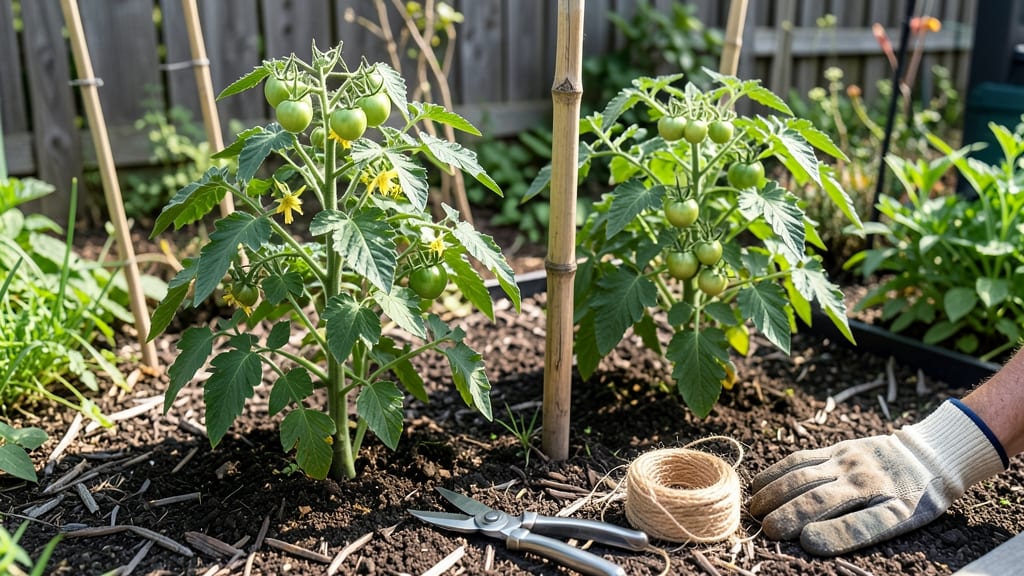
How to keep tomato plants from getting too tall—and turn them into fruit-producing powerhouses—starts with pruning. 🌱 The secret to stockier growth and bigger yields lies in strategic pruning—something that saved my 6-foot monsters from flopping over last summer. Instead of letting them grow wild, you'll shape them to focus energy on fruit production, not just height. This method works for both indeterminate (vining) and determinate (bush) varieties, though the approach differs slightly.
You only need a few basic tools: sharp pruning shears, gloves, and a sturdy stake or cage (3-4 feet tall). The real magic happens in the timing—prune when plants are young and again every 2-3 weeks during the growing season.
For indeterminate types, remove suckers (side shoots) below the first flower cluster to redirect energy downward. Determinate varieties need less pruning but benefit from removing lower leaves to improve airflow and prevent disease.
What you'll end up with is a tomato plant that's bushier, stronger, and packed with fruit rather than just vertical stems. The plants handle wind better, produce earlier, and yield more tomatoes than unpruned counterparts.
Plus, you'll avoid the heartbreak of broken stems or fruit rotting on the ground. This technique transforms lanky, unproductive vines into powerhouses.
Fair warning: over-pruning can stress plants, so never remove more than 1/3 of the foliage at once. And if you're growing in containers, choose compact varieties or prune aggressively to prevent root-bound stress.
The key is balance—between height control and fruit production, between pruning and letting nature take its course. Once you master this, your tomatoes will be the talk of the neighborhood.
📚 In This Guide
- What you need
- Instructions
- Tips and common mistakes
- Wrapping up and next steps
What you need
- ● Pruning shears or sharp scissors – Clean, sharp blades (sterilize with rubbing alcohol between cuts to prevent disease).
- ● Gloves – Garden or work gloves to protect your hands from thorns and dirt.
- ● Support stakes or cages – 5-6 ft tall bamboo stakes, tomato cages, or trellises (1 per plant or cluster).
- ● Balanced fertilizer (10-10-10 or 5-5-5) – 1-2 tbsp per plant after pruning to encourage bushier growth.
- ● Mulch (straw, grass clippings, or shredded leaves) – 2-3 inches thick to retain moisture and suppress weeds.
- ● Plant ties or soft twine – To secure vines to stakes/cages without damaging stems.
- ● Pruning spray (copper-based or neem oil) – For sterilizing cuts and preventing fungal infections.
- ● Garden twine or zip ties – For creating a "topping" barrier to discourage excessive height.
- ○ Growth regulator (optional) – Follow label instructions for chemical-based height control (e.g., B-Nine).
Step-by-Step guide to prune tomato plants for compact growth
Here’s the method I’ve used for years to keep tomatoes sturdy, productive, and manageable—no more flopping vines or wasted energy.
🌱 Step 1: Wait Until Plants Have 4-6 True Leaves
Hold off on pruning until your tomato plants have 4-6 true leaves (not the first tiny seed leaves). This ensures they’ve developed enough energy to handle the stress. I always check for deep green leaves and a thick stem—those are your cues the plant is ready. Pruning too early stunts growth, while waiting too long lets the plant become top-heavy and leggy.
Use clean, sharp pruners or scissors to avoid tearing stems. I like to sterilize my tools with rubbing alcohol between plants to prevent disease spread. If you’re using your fingers, pinch just above a leaf node where new growth can sprout. This is where the plant’s hidden potential lives—each cut should leave a small bump or bump-like structure.
✂️ Step 2: Remove Suckers to Encourage Bushier Growth
Suckers are the small shoots that grow in the V-shaped junction between the main stem and a branch. These are the plant’s way of growing taller, but they divert energy from fruit production. Use your thumb and forefinger to gently twist off suckers—don’t cut, as this can damage the stem. I start by removing the largest suckers first, usually the ones below the first flower cluster.
Here’s the thing—don’t overdo it. Remove only the suckers below the first 2-3 flower clusters on indeterminate varieties (the ones that grow continuously). For determinate tomatoes (the bushier types), you can skip this step entirely—they stay compact on their own. Watch for new suckers forming every 1-2 weeks and repeat the process. You’ll see the plant thicken and branch out within 3-4 weeks of consistent pruning.
☀️ Step 3: Prune Lower Leaves for Better Airflow and Sunlight
Start removing leaves below the first flower cluster once the plant reaches 18-24 inches tall. This might sound counterintuitive—why take off leaves?—but it prevents disease by improving airflow and directs sunlight to the fruit. I like to leave 2-3 leaves above each flower cluster to keep the plant photosynthesizing efficiently. Use your pruners to make clean cuts just above a leaf node or branch.
Don’t strip all the lower leaves at once—space it out over 2-3 weeks to avoid shocking the plant. You’ll notice the remaining leaves darken slightly as they adjust to more light exposure. This is normal! Over time, the plant will grow stronger stems and produce fruit closer to the main stem, making it easier to harvest and reducing the risk of disease spreading from the soil.
🌿 Step 4: Support and Train Vines for Controlled Height
Even with pruning, tomato vines can get heavy with fruit. Install a sturdy stake, cage, or trellis (I prefer cages for indeterminate varieties—they’re hands-off and provide built-in support). Tie the main stem to the support every 12 inches using soft plant ties or old T-shirts cut into strips. This keeps the plant upright and prevents breakage when fruit gets heavy.
For indeterminate varieties, let the plant grow 6-8 feet tall but prune aggressively to control height. If you notice the plant leaning or the stem bending, adjust the ties immediately. You’ll see the difference in just a few weeks—the plant will be more stable, and the fruit will stay within easy reach. This also makes harvesting a breeze and reduces the risk of disease from leaves dragging in the dirt.
⏰ Step 5: Monitor and Adjust Pruning Through the Season
Check your plants weekly for new suckers, especially after rain or when the plant flushes with new growth. Indeterminate varieties need ongoing pruning throughout the season, while determinate types only need minimal trimming. If you see yellowing leaves or stunted growth, you might be pruning too aggressively—scale back and let the plant recover.
As the plant matures, focus on removing leaves that shade fruit clusters and pruning back any overly long branches. The goal is to keep the plant balanced—not too tall, not too wide. By late summer, you’ll have a compact, productive plant with fruit easily accessible and minimal risk of disease. And the best part? You’ll harvest more, healthier tomatoes without the hassle of a towering vine.
Tips & tricks for pruning tomato plants to keep them compact
Here's what I've learned after years of gardening—these simple tricks will help you maintain sturdy, productive tomato plants without the hassle of towering vines.
Timing is Everything: The 4-6 true leaves rule in Step 1 is non-negotiable—this is when your plant has enough energy to handle pruning. I've seen beginners rush this and end up with stunted growth. Wait until you can see those deep green leaves and a thick stem before you start cutting. This is also when you'll notice the first signs of suckers forming in the V-shaped junctions.
Sucker Removal Strategy: In Step 2, focus on removing suckers below the first 2-3 flower clusters only. I always start with the largest ones first, and I check for new growth every 1-2 weeks—this is when they appear most aggressively. The key is consistency: you'll see noticeable thickening within 3-4 weeks if you stick to this schedule. For determinate varieties, skip this step entirely—they're naturally bushy!
Leaf Pruning Logic: When you reach Step 3 and start removing leaves below the first flower cluster, remember this is about airflow and sunlight. I like to leave 2-3 leaves above each cluster to maintain photosynthesis while still improving fruit exposure. The slight darkening you'll see in remaining leaves is normal—they're adjusting to more light. Space out your pruning over 2-3 weeks to avoid shocking the plant.
Support System Insight: For Step 4, don't underestimate the importance of proper support. I've seen tomato plants snap under fruit weight when they're not properly staked. Use your support structure to tie the main stem every 12 inches—this creates a natural scaffold. For indeterminate varieties, let them reach 6-8 feet but prune aggressively to maintain that compact shape. The difference in stability becomes obvious within just a few weeks of proper support.
Pro Tips for Keep Tomato Plants From Getting Too Tall
- Here's what I've learned after years of gardening—these simple tricks will help you maintain sturdy, productive tomato plants without the hassle of towering vines.
- Timing is Everything: The 4-6 true leaves rule in Step 1 is non-negotiable—this is when your plant has enough energy to handle pruning.
- Sucker Removal Strategy: In Step 2, focus on removing suckers below the first 2-3 flower clusters only.
Frequently asked questions
Got questions about managing your tomato plant’s height? You’re not alone!
Here are answers to the most common concerns—so you can prune with confidence and enjoy a bountiful harvest.
When is the best time to start pruning tomato plants to control height?
Prune indeterminate tomatoes (the tall, vining types) when they’re 12–18 inches tall, focusing on suckers (side shoots) that form in the leaf axils. For determinate tomatoes (bushy, compact types), minimal pruning is needed—just remove damaged leaves or suckers to improve airflow. Always prune in the morning to let wounds heal before evening moisture sets in.
Will pruning tomato plants stunt their growth or reduce fruit production?
Not if done right! Pruning actually boosts fruit production by redirecting energy to existing flowers and fruit. However, over-pruning (removing more than ⅓ of the plant at once) can stress the plant. Focus on selective pruning—remove only suckers and diseased leaves—to encourage bushier growth and heavier yields.
What’s the difference between pruning suckers and pruning leaves?
Suckers
are the small shoots growing between the main stem and branches—pinch or cut these off to control height. Leaves should only be pruned if they’re yellow, diseased, or blocking sunlight from lower fruit. Leave healthy leaves to photosynthesize and feed the plant. Pro tip: Use clean, sharp scissors or your fingers to avoid damaging the plant!
Can I use pruning powder or sealant on tomato plants?
While pruning powder (like tree wound dressing) is popular for trees, it’s unnecessary for tomatoes. Tomato stems heal quickly, and sealants can trap moisture, increasing disease risk. Just make clean cuts at a 45-degree angle (for stems thicker than a pencil) and avoid tearing the plant. A little water at the base post-pruning helps reduce stress.
What should I do if my tomato plant gets too tall after I’ve already started pruning?
Don’t panic! If your plant escapes control, focus on support—use a sturdy cage, trellis, or stakes to guide growth upward. For indeterminate varieties, prune aggressively but leave 2–3 main stems for stability. If the plant is already flowering, prune only diseased or overcrowded foliage to avoid shocking the plant. Consistency is key—stick to a weekly pruning routine to stay ahead!
Bonus Tip:
Need a quick reference? Bookmark this pruning cheat sheet for indeterminate vs. determinate tomatoes, or snap a photo of your plant’s growth stage for troubleshooting later!
Wrapping up and next steps
Keeping your tomato plants at the right height isn’t just about aesthetics—it’s about bigger harvests, stronger plants, and easier maintenance. 🌱 With the right pruning techniques, proper support, and a little patience, you’ll transform rambling vines into productive, bushy powerhouses.
Remember, every snip is an investment in more flavorful tomatoes!
Ready to put these tips into action? Start with one plant this week—grab your pruners and give it a try! Your future tomato feasts will thank you. 🍅✨