
How To
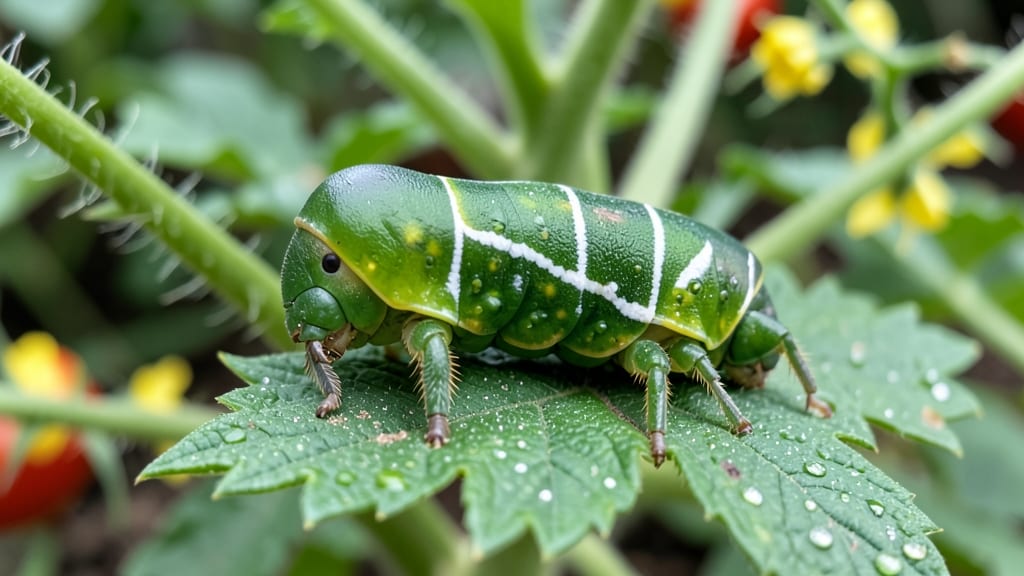
Worms on tomato plants mean fewer fruits and more frustration. 🌱 I’ve lost entire harvests to hungry caterpillars and root-munching nematodes, but these 3 organic steps saved my garden—and they’ll work for yours too. The culprits?
Cutworms hide at the base of stems, hornworms devour leaves overnight, and nematodes attack roots underground. Most gardeners panic and reach for chemicals, but the real fix starts with early detection and simple, non-toxic solutions. Within 48 hours of starting this method, you’ll see fewer worms and more vigorous plants.
The key is combining manual removal, natural predators, and soil health—no harsh sprays needed. Works for all tomato varieties, from heirlooms to cherry tomatoes, and keeps your garden thriving without harming pollinators. Let’s get those plants back on track!
Root Causes of Tomato Worms
Tomato worms—those pesky caterpillars from the Manduca sexta (tomato hornworm) and Spodoptera exigua (beet armyworm) families—don’t just appear out of nowhere. They’re drawn to your garden by a mix of environmental factors, plant health, and even your gardening habits.
Understanding these triggers is the first step to stopping them before they devour your harvest. Let’s break down the real reasons your tomato plants are becoming a worm buffet.
Tomato plants are like neon signs to moths when their fruit is ripe, soft, or injured. Here’s why: - Sugary, ripe tomatoes emit volatile organic compounds (VOCs) that moths detect from up to a mile away.
These compounds signal "easy prey" for hungry larvae. - Bruised or cracked fruit releases even stronger chemical cues, making it a prime spot for moths to drop eggs.
A single female moth can lay up to 2,000 eggs in her lifetime—so one missed fruit can turn into a worm infestation overnight. - Volatile plant stress signals (like those from overwatered or nutrient-deficient plants) also attract pests. Worms thrive where plants are already struggling to defend themselves.
Actionable insight: 💡 Harvest tomatoes as soon as they ripen (even if not fully red) and remove any damaged fruit immediately. Prune away overripe or spoiled tomatoes from the vine to break the moths’ scent trail.
Worms don’t just drop from the sky—they hatch from eggs laid in decaying plant matter, mulch, or soil. If your garden is a mess, you’re rolling out the welcome mat: - Old plant debris (especially tomato stems, leaves, or vines left in the soil) harbors overwintering eggs.
Some worm species, like the beet armyworm, can survive in dried plant material for months. - Thick mulch layers provide shelter for pupating worms.
While mulch is great for moisture retention, a 6+ inch pile can become a worm nursery. - Weeds and volunteer tomatoes (unintended tomato plants sprouting from dropped seeds) act as alternative hosts, giving worms a backup food source and letting them multiply unchecked.
Actionable insight: 🌡️ Practice clean garden rotation: Remove all tomato debris (including roots) after harvest and compost it far from your garden (or solarize it to kill eggs). Keep mulch 2–3 inches thick and rake up fallen leaves regularly.
Tomato worms have natural enemies—but if those predators are missing, the worms take over.
Common predators include: - Parasitic wasps (Cotesia congregata), which lay eggs inside hornworm larvae, eventually killing them. - Ladybugs and lacewings, which eat young caterpillars. - Birds (like robins and sparrows), which snack on exposed worms. - Nematodes (beneficial soil-dwelling microbes) that attack worm pupae.
Why the imbalance happens:
- Pesticide use (even organic sprays) can kill beneficial insects along with pests.
- Monoculture gardening (planting only tomatoes year after year) depletes local predator populations.
- Urban or suburban gardens often lack diverse ecosystems that support predator species.
Actionable insight: ✨ Encourage predators by planting companion flowers like dill, fennel, and marigolds (which attract parasitic wasps). Avoid broad-spectrum sprays and hand-pick worms early in the morning when they’re sluggish.
Worms are temperature-sensitive.
Warm, humid weather doesn’t just make them hungrier—it accelerates their reproduction: - Eggs hatch faster in 70–85°F soil, with larvae emerging in 3–5 days (vs. weeks in cooler weather). - Humidity >60% keeps eggs from drying out and helps larvae survive longer. - Long growing seasons (like in Southern states) allow multiple generations per year, leading to exponential growth.
Actionable insight: 🌡️ Monitor weather forecasts and act fast during heatwaves. Use row covers (lightweight fabric) over young plants to block moths during peak egg-laying seasons (late spring to early summer).
Key takeaway: Worms target weak, stressed, or neglected tomato plants. By addressing fruit ripeness, garden cleanliness, predator support, and environmental conditions, you can make your garden a less appealing (and more defended) place for these pests.
The next step? Proactive prevention—because once they’re there, they multiply fast! 🚀
Quick Fixes for Wormy Tomato Plants
Worms on tomato plants can feel like a nightmare, but the good news is that you can tackle them effectively—without harsh chemicals. Below, we’ve mapped out practical, organic solutions based on the most common causes, so you can act fast and protect your harvest.
Each fix includes step-by-step instructions and prevention tips to keep your plants thriving.
If tiny, swollen roots or stunted growth signal nematodes, these microscopic worms feed on your plant’s roots. The key? Disrupt their life cycle with natural barriers and soil amendments.
🔥 Step 1: Solarize the Soil (Best for Severe Cases)
- Why it works: Heat from the sun kills nematodes and their eggs.
- How to do it:
- Clear the area of tomato plants and debris.
- Water the soil deeply to saturate it.
- Cover the bed with clear plastic sheeting (secure edges with soil or rocks).
- Leave it for 4–6 weeks in hot weather (soil temps should reach 105°F+).
- Remove the plastic and plant nematode-resistant varieties (like ‘Mountain Merit’ tomatoes).
🍳 Step 2: Use Organic Nematode Traps
- Why it works: Certain plants and microbes attract or trap nematodes.
- How to do it:
- Marigolds: Plant them around your tomato patch—they release a compound that repels nematodes.
- Neem oil spray: Mix 1 tbsp neem oil + 1 tsp mild soap + 1 quart water.
Spray on soil and foliage weekly to disrupt nematode feeding. - Beneficial microbes: Apply compost tea or mycorrhizal fungi (available at garden centers) to boost soil health and outcompete nematodes.
🌡️ Prevention Tip:
Rotate crops—never plant tomatoes, peppers, or eggplants in the same spot two years in a row. Nematodes thrive in these host plants!
Hornworms are the big, green munchers that devour leaves overnight. They’re easy to spot (and remove!) but require vigilance.
👨🍳 Step 1: Manual Removal (Best for Small Gardens)
- Why it works: Hornworms are slow-moving—you can outsmart them.
- How to do it:
- Scout at dawn or dusk when they’re most active.
- Look for large green caterpillars with white stripes and horn-like protrusions.
- Drop them in soapy water (or relocate them far from your garden—birds love them!).
- Check undersides of leaves and near tomato blossoms (their favorite snack).
🥘 Step 2: Homemade Sprays to Deter Eggs
- Why it works: Hornworm moths lay eggs on the undersides of leaves—disrupt their cycle early.
- How to do it:
- Garlic spray: Blend 4 garlic cloves + 1 tsp cayenne pepper + 1 quart water.
Strain and spray every 3–4 days. - BT (Bacillus thuringiensis): A natural bacterial spray that kills hornworms when they eat it. Mix 1 tsp BT per quart of water and spray at dusk (avoids harming bees).
✨ Prevention Tip:
- Attract hornworm predators: Ladybugs, lacewings, and parasitic wasps love hornworms. Plant dill, fennel, or marigolds nearby to draw them in.
Cutworms are sneaky nighttime chewers that sever young tomato stems at soil level. They’re hard to see but easy to block.
🔪 Step 1: Protect Stems with DIY Collars
- Why it works: Cutworms can’t climb physical barriers.
- How to do it:
- Use cardboard toilet paper rolls, aluminum foil, or plastic collars (cut lengthwise and wrap around stems).
- Bury the collar 1–2 inches deep so worms can’t crawl up.
- For seedlings, create a soda can collar (cut the bottom off and slip it over the stem).
⏰ Step 2: Set Up a Flashlight Trap
- Why it works: Cutworms unroll when exposed to light.
- How to do it:
- Shine a flashlight on the soil at night—worms will surface.
- Pick them off by hand and drop them in soapy water.
💡 Prevention Tip:
- Sprinkle coffee grounds around the base of plants—the caffeine repels cutworms and adds nitrogen to the soil.
The best defense? Strong, resilient plants that worms avoid. Here’s how to future-proof your harvest:
- 📊 Choose resistant varieties: Look for tomatoes labeled “nematode-resistant” (e.g., ‘Defiant PhR’) or “hornworm-tolerant” (e.g., ‘Cherokee Purple’).
- 💪 Improve soil health: Compost + worm castings make plants tougher and less appealing to pests.
- 🥗 Companion planting: Grow basil, onions, or thyme near tomatoes—their scents confuse pests.
- 🎯 Water wisely: Deep watering in the morning reduces slug/snail activity (which can attract worms).
Final Thought: Worms may seem like a lost cause, but with quick action and smart prevention, your tomato plants can bounce back stronger. Start with one fix today—whether it’s solarizing soil, setting up collars, or a garlic spray—and watch your harvest thrive! 🍅✨
Frequently asked questions
What’s the fastest way to spot tomato worms before they destroy my plants?
Check undersides of leaves and near blossoms at dawn or dusk—that’s when hornworms and cutworms are most active. Look for large green caterpillars with white stripes (hornworms) or small, brown loops in the soil (cutworms). A quick 5-minute scan every 2 days catches them before they multiply.
Can I use coffee grounds to get rid of worms, or is that just a myth?
It’s not a myth—coffee grounds work! The caffeine repels cutworms and disrupts egg-laying. Sprinkle ½ cup around plant bases weekly, but avoid overdoing it (too much can acidify soil). For hornworms, pair it with garlic spray for better results.
How do I know if my tomato plants have nematodes vs. regular worms?
Nematodes attack roots, causing stunted growth, yellowing leaves, and swollen galls (tiny bumps). Regular worms (like hornworms) target foliage and fruit. Dig up a root sample—if you see microscopic thread-like worms, it’s nematodes. For confirmation, check with your local cooperative extension service.
Will BT (Bacillus thuringiensis) kill my tomato plants if I use it wrong?
No, BT is plant-safe—it only targets caterpillars when they eat it. Mix 1 tsp BT per quart of water and spray at dusk to avoid bees. Reapply every 7–10 days during outbreaks. Just avoid spraying blooming flowers to protect pollinators.
What’s the best time of year to prevent worms in my tomato garden?
Start before planting! Solarize soil in late spring (cover with plastic for 4–6 weeks) to kill nematode eggs. Use row covers in late spring/early summer (peak egg-laying season). For cutworms, set up collars when seedlings go in the ground. Prevention beats treatment every time!