
How To
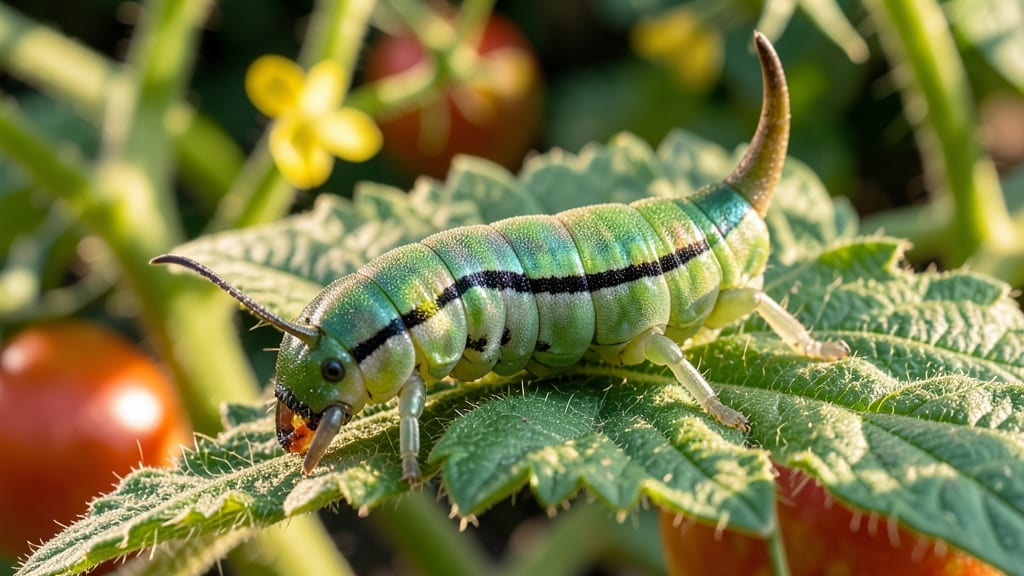
Horned tomato worms can strip your plants bare in days—if you spot the striped caterpillars with their tiny "horns," act fast. 🌿 These hungry pests are the larvae of sphinx moths, and while they’re harmless to humans, they’ll devour your tomato harvest before you can say "sauce."
The good news? You can stop them with three simple, organic steps that work without harsh chemicals.
First, identify the damage: look for skeletonized leaves and missing fruit—tell-tale signs these caterpillars have been feasting. They hide under leaves during the day, so shake plants over a bucket of soapy water in the morning to spot and remove them.
This method is foolproof and works even on large gardens without chemicals.
Once you’ve removed the visible pests, introduce their natural predators like parasitic wasps and ladybugs—they’ll keep new populations in check. For prevention, use row covers early in the season or plant basil nearby, as its scent repels them. Within a week, you’ll see fewer caterpillars and more tomatoes.
If the infestation persists, neem oil or Bt spray (a bacterial pesticide) can help—both are safe for plants and beneficial insects when used correctly. The key is consistency: check plants daily, remove pests immediately, and combine methods for long-term control.
Root Causes of Tomato Worm Infestations
Those striking Manduca sexta caterpillars—commonly known as horned tomato worms—aren’t just a nuisance; they’re a sign your garden is inviting their arrival. Understanding why they show up is the first step to stopping them.
Below, we break down the real reasons these fuzzy, spiky caterpillars target your tomato plants, backed by science and actionable insights.
Horned tomato worms have a serious sweet tooth—literally. They’re drawn to:
- Ripe or overripe tomatoes: The sugars and soft flesh make them an easy, delicious meal. A single worm can devour an entire tomato in hours.
- Bruised or cracked fruit: Physical damage releases juices, signaling to pests that the tomato is vulnerable. Even a small nick from hail or birds can trigger an infestation.
- Volatile organic compounds (VOCs): Ripe tomatoes emit ethylene gas and other chemical signals that attract not just worms, but also beetles and other pests.
💡 Pro Tip: Harvest tomatoes before they fully ripen (use a color chart as a guide) and remove any damaged fruit immediately. Store ripe tomatoes in a cool, dry place to reduce scent-based attraction.
Horned tomato worms and their moth parents thrive in messy, neglected gardens. Here’s how clutter plays a role:
- Leaf litter and mulch piles: These provide hiding spots for eggs and caterpillars, shielding them from natural predators (like birds and parasitic wasps).
- Weeds and volunteer plants: Weeds like Datura (jimsonweed) and Petunia are host plants for hornworm moths. If left unchecked, they create a buffer zone where moths lay eggs near your tomatoes.
- Organic matter buildup: Decaying plant material releases ammonia and other compounds that attract adult moths for egg-laying.
🔥 Actionable Fix: Clear debris weekly, especially around tomato plants. Use straw mulch (instead of wood chips) to deter egg-laying while still suppressing weeds.
Hornworm moths (Manduca sexta) are nocturnal navigators, and their behavior is influenced by:
- Artificial lights: Outdoor lights (especially blue and white LEDs) disorient moths, causing them to circle and land on nearby plants—often your tomatoes—where they lay eggs.
- Moonlight and humidity: Moths are most active on warm, humid nights (ideal for egg-laying). If your garden is a haven for moisture, you’re a prime target.
- Scent trails from flowers: Night-blooming flowers like petunias and tobacco plants emit fragrances that lure moths toward your garden.
🌡️ Science Note: Studies show moths can detect tomato plant volatiles from up to 30 feet away. If your garden is lit up at night, you’re essentially broadcasting a dinner bell.
🎯 Solution: Switch to yellow or red bug lights (moths avoid these wavelengths) or install motion-activated lights that only turn on when needed.
Horned tomato worms have few natural enemies—but when their predators are present, infestations are far less severe. Common predators include:
| Predator | How They Help | Why They’re Missing |
|---|---|---|
| Parasitic wasps (e.g., Cotesia congregata) | Lay eggs inside hornworms; larvae emerge and kill the caterpillar. | Pesticides (even organic ones) can kill them. |
| Birds (e.g., robins, sparrows) | Eat caterpillars and eggs on sight. | Lack of perches or food sources nearby. |
| Lacewings & ladybugs | Feed on hornworm eggs and young larvae. | Over-tidy gardens remove their habitat. |
| Toads & frogs | Snatch up caterpillars as they drop to the ground. | Dry soil or pesticide use drives them away. |
💡 Eco-Friendly Boost: Install a birdbath, leave some bare soil patches for ground predators, and avoid broad-spectrum sprays to keep beneficial insects alive.
By addressing these root causes—ripe fruit, garden clutter, moth attraction, and predator loss—you’ll make your tomato plants far less appealing to horned tomato worms. The next step? Learn how to remove them organically in just 3 steps.
Quick Fixes for Tomato Worm Woes
If your tomato plants are under siege by those pesky horned tomato worms (or Manduca sexta), don’t panic—these fuzzy caterpillars are easier to evict than you think! Below, we’ve mapped out practical, organic solutions tailored to the most common causes of infestations.
Whether your plants are overcrowded, lack natural predators, or simply look like a buffet to hungry larvae, these fixes will help you regain control—fast.
Weak or crowded tomato plants attract more pests because they’re easier targets. Strengthen your defenses with these steps:
🔥 Prune for Better Airflow - Why it works: Horned tomato worms love hiding in dense foliage where sprays can’t reach.
Pruning improves airflow, reducing humidity (which pests adore) and making plants less appealing. - How to do it: - Remove yellowing or damaged leaves first—they’re entry points for pests. - Trim suckers (the small shoots between the main stem and branches) to redirect energy to fruit production. - Pro tip: 💡 Use clean, sharp pruners and disinfect them with rubbing alcohol to avoid spreading disease.
🍳 Feed Them Right: Fertilizer Fixes - Why it works: Underfed plants produce weak stems and leaves, making them prime real estate for worms.
A balanced diet deters pests naturally. - How to do it: - Switch to organic fertilizer (like compost tea or fish emulsion) to avoid chemical overuse. - Avoid high-nitrogen fertilizers—they promote leafy growth over fruit, which worms love to munch. - Top-dress with compost around the base of plants for slow-release nutrients.
👨🍳 Water Wisely (No soggy leaves!) - Why it works: Wet foliage invites fungal diseases and attracts pests.
Proper watering makes plants tougher. - How to do it: - Water at the base (not overhead) to keep leaves dry. - Water early in the day so foliage dries quickly. - Use drip irrigation if possible—it’s efficient and pest-repellent.
Horned tomato worms have plenty of enemies in nature—if you create a welcoming environment, they’ll do the dirty work for you!
🥘 Attract Beneficial Insects
- Who’s on your side?
- Parasitic wasps (like Cotesia congregata) lay eggs inside tomato worm larvae—they’ll hatch and eat the worm from the inside out.
- Ladybugs, lacewings, and praying mantises devour eggs and young caterpillars.
- Chickens or ducks (if you have space!) will happily snack on worms without harming plants.
- How to lure them:
- Plant companion flowers like dill, fennel, or marigolds near tomatoes—they attract parasitic wasps.
- Avoid broad-spectrum pesticides (they kill both pests and predators).
- Install a bug hotel (a small wooden box with bamboo tubes) to give beneficial insects a home.
🔪 Handpick Like a Pro (Yes, Really!)
- Why it works: This is the fastest, most satisfying way to remove horned tomato worms—especially if your infestation is small.
- How to do it:
- Go early in the morning when worms are sluggish (they’re less likely to drop and squirm away).
- Wear gloves (they’re fuzzy and can irritate skin).
- Drop them in soapy water (a bucket with a few drops of dish soap) to kill them instantly.
- Pro tip: 🎯 Check under leaves, inside blossoms, and along stems—they love to hide!
If your tomatoes are already covered in worms and you need immediate action, try these fast-acting (but still organic) solutions:
🌡️ Diatomaceous Earth (DE) Barrier - Why it works: DE is a natural, non-toxic powder made from fossilized algae.
It dries out insects’ exoskeletons, killing them in hours. - How to use it: - Sprinkle a thin layer around the base of plants and on leaves (avoid over-applying—it can harm beneficial insects too). - Reapply after rain (it loses effectiveness when wet). - Safety note: Wear a mask when applying—it’s dusty!
🍎 Neem Oil Spray (Pest Repellent + Growth Booster)
- Why it works: Neem oil disrupts worms’ feeding habits, deters egg-laying, and even boosts plant immunity.
- How to make it:
- Mix 1 tbsp neem oil + 1 tsp mild soap (as an emulsifier) + 1 quart water.
- Spray evenly on leaves (focus on undersides where eggs hide).
- Reapply every 5–7 days or after rain.
- Pro tip: 🌿 Add a few drops of garlic oil to the mix for extra pest-repelling power!
🔪 The "Drop & Drown" Trap
- Why it works: If handpicking feels tedious, this low-tech trap catches worms as they drop.
- How to set it up:
- Place a bucket or tray filled with soapy water under infested plants.
- Gently tap branches—worms will fall in and drown.
- Bonus: This also works for aphids and spider mites!
Once you’ve kicked the horned tomato worms out, lock the door with these long-term strategies:
- 🌱 Rotate crops every year—don’t plant tomatoes (or other nightshades like peppers/eggplants) in the same spot.
- 🕷️ Install row covers early in the season to block moths from laying eggs.
- 🌿 Plant trap crops like basil or dill—moths will go for those instead of your tomatoes.
- 🕒 Time your planting—late spring/early summer plantings often see fewer moths.
- 🔍 Inspect regularly—catch eggs (tiny white ovals on leaves) before they hatch!
Remember: Horned tomato worms might be annoying, but they’re also a sign your garden is thriving (they only target healthy, lush plants!). With these fixes, you’ll keep your tomatoes worm-free while supporting a balanced, organic ecosystem. 🚀
Frequently asked questions
Are horned tomato worms harmful to humans?
No, these caterpillars are completely harmless to humans! While their fuzzy appearance might be alarming, they’re only interested in your tomato plants. The real concern is their appetite—one worm can devour an entire tomato in just a few hours. Always wear gloves when handling them, though, as their tiny hairs can irritate sensitive skin.
How do I tell if my tomato plants have horned tomato worms?
Look for skeletonized leaves (leaves with only veins remaining) and missing fruit—classic signs of these pests. Check the undersides of leaves in the morning when worms are sluggish. You might spot the caterpillars themselves (green with white stripes and tiny "horns") or their white, oval eggs clustered on leaves.
Will birds eat horned tomato worms?
Birds like robins and sparrows are natural predators and will happily snack on these caterpillars. To attract them, install a birdbath nearby and avoid using pesticides that might harm them. The more birds you have in your garden, the fewer worms you’ll see—it’s a win-win for both your tomatoes and your feathered friends.
Can I use chemical pesticides on my tomato plants?
While chemical pesticides can kill horned tomato worms, they’re not recommended for organic gardens or if you want to protect beneficial insects. Instead, try organic alternatives like neem oil or Bacillus thuringiensis (Bt), which target only caterpillars. Always follow label instructions carefully, and consider combining methods for better long-term control.
How often should I check my tomato plants for worms?
Check your plants every 2-3 days during the growing season, especially after rain or when new leaves appear. Early detection is key—catching eggs or young larvae is much easier than dealing with full-grown caterpillars. Morning inspections work best since worms hide during the day and are sluggish in cooler temperatures.