
How To
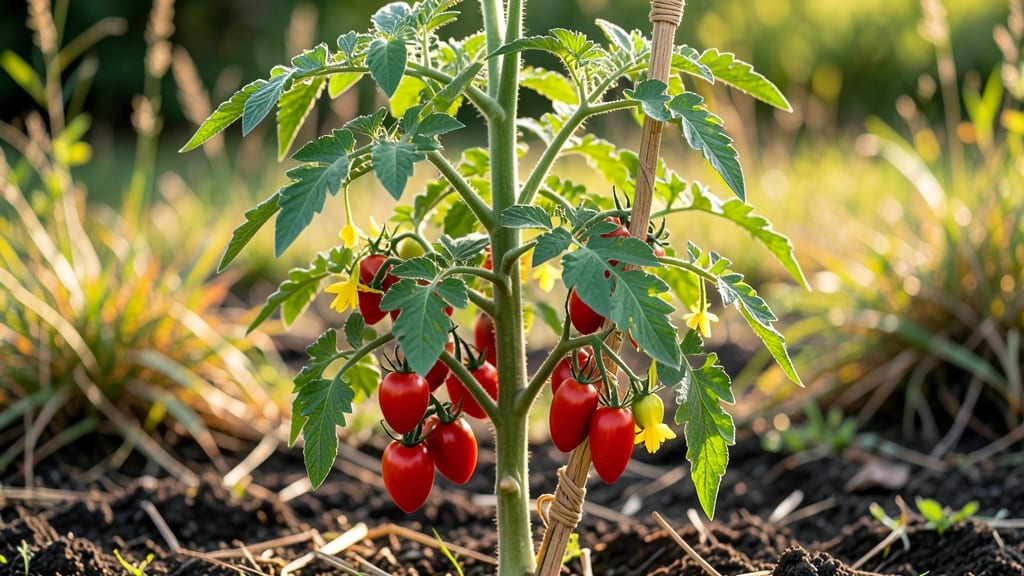
Roma tomato plants get anywhere from 3 to 6 feet tall, but their final height depends on whether you’re growing a determinate or indeterminate variety — and that choice could change how you plan your garden layout.
Picture this: one year, your Roma tomatoes sprawl like a vine across your backyard fence, while the next, they stay compact and bushy, barely reaching your waist. The difference?
Growth habit. Determinate plants max out at 3 to 4 feet, while indeterminate types can climb to 8 feet or more if given the right support.
If you’re working with limited space or a small balcony, knowing these heights helps you decide between dwarf varieties, staking, or even pruning to keep your plants in check. And trust me, skipping this step can mean wasted space—or worse, missed harvests when vines flop over and fruits rot.
In this guide, I’ll break down the exact height ranges for each type, how to control sprawling growth, and the one pruning trick that keeps indeterminate plants from becoming unruly giants. Let’s get your Roma tomatoes growing the way you want them.

Roma tomato plant height by growth type: determinate vs indeterminate explained
When planning your Roma tomato garden, one of the first questions I ask myself is: how tall do Roma tomato plants get? The answer depends entirely on whether you're growing determinate or indeterminate varieties.
These two growth habits create dramatically different garden layouts and care requirements. Determinate types stay compact while indeterminate varieties can climb like vines—sometimes reaching heights that surprise even experienced gardeners.
Understanding this difference isn't just about aesthetics—it directly impacts your harvest planning, space allocation, and even pruning strategy.
A determinate Roma might max out at 3-4 feet and produce all its fruit at once, while an indeterminate variety could stretch to 6-10 feet with continuous fruiting throughout the season. This distinction changes how I approach everything from trellis selection to fertilization schedules.
| Growth Type | Mature Height | Growth Pattern | Fruiting Habit | Garden Planning Tip |
|---|---|---|---|---|
| Determinate Roma | 3-4 feet | Bushy, compact | All fruit at once | Ideal for containers or small spaces |
| Indeterminate Roma | 6-10+ feet | Vining, continuous | Continuous fruiting | Requires strong support system |
| Dwarf Roma | 2-3 feet | Compact bush | Single harvest | Perfect for patio gardens |
Determinate Roma tomatoes grow as compact bushes that stop growing once they reach their mature height. This makes them perfect for gardeners with limited space or those using container gardening.
The Roma tomato plant height for determinate varieties typically stays between 3-4 feet, making them easy to manage without extensive support. What they lack in height, however, they make up for in productivity—these plants produce all their fruit simultaneously, creating a bountiful harvest window of just a few weeks.
In contrast, indeterminate Roma tomatoes grow continuously throughout the season, often reaching 6-10 feet or more with proper support. These vining plants require sturdy trellises or cages to handle their weight and prevent sprawling.
The continuous growth means you'll enjoy a steady supply of Roma tomatoes from midsummer until frost, but you'll need to be vigilant about pruning and training to maintain plant health and maximize fruit production.
One common misconception I see is that all Roma tomatoes follow the same growth pattern. In reality, the Roma tomato plant height can vary dramatically based on the specific variety you choose.
Some determinate types might stay as short as 2-3 feet when grown in containers, while certain indeterminate varieties can exceed 10 feet when given ideal growing conditions. Always check the seed packet or plant tag for specific height expectations—this information is crucial for proper garden layout planning.
For gardeners working with limited space, I recommend starting with determinate Roma varieties. These plants thrive in raised beds, containers, or even hanging baskets, making them ideal for urban gardens or small backyards.
The compact growth habit also makes them easier to protect from pests and diseases, as the foliage stays closer to the ground where it's easier to monitor. Plus, the single harvest window means you can plan your preservation methods all at once—whether that's canning, freezing, or making sauces.
If you're dreaming of a vertical garden or have plenty of space to dedicate to climbing plants, indeterminate Roma tomatoes offer a rewarding experience. The continuous fruiting means you'll have fresh tomatoes for salads, sauces, or snacks throughout the entire growing season.
However, be prepared to invest in proper support structures like tomato cages, trellis systems, or even strong stakes. Without adequate support, these vining plants can become top-heavy and prone to breaking under the weight of their fruit.
When choosing between determinate and indeterminate Roma tomatoes, consider your garden goals and available space. If you want a quick harvest and don't mind processing a large crop all at once, determinate varieties are your best bet.
For a prolonged harvest and the satisfaction of picking ripe tomatoes throughout the season, indeterminate types provide unmatched rewards. Either way, understanding the roma tomato plant height for each type will help you create a more productive and enjoyable gardening experience.
Remember that even within these growth categories, individual plants may vary slightly in height based on growing conditions. Factors like sunlight exposure, soil quality, and watering consistency can all influence how tall your Roma tomatoes grow.
Pay attention to your plants' needs and adjust your care routine accordingly to help them reach their full potential—whether that means staying compact or climbing to the skies!
How to control Roma tomato plant height for small gardens
If your small garden feels crowded with sprawling Roma tomato plants, don't worry—you're not stuck with a jungle of vines! The key to controlling their height lies in understanding their growth habits and using simple techniques.
Most indeterminate Roma tomatoes can grow 6-10 feet tall without support, but with the right approach, you can keep them manageable—even in containers or tight spaces. Let's explore how to tame their height while maximizing your harvest.
For small-space gardening, the first step is choosing the right Roma tomato variety. Some dwarf or semi-dwarf varieties stay between 2-4 feet tall, making them perfect for containers, raised beds, or balcony gardens.
Even if you're growing standard-height plants, techniques like pruning and trellising can transform unruly vines into neat, manageable plants. The goal? More fruit production with less sprawl.
- 🌱 Dwarf Roma varieties reach 2-3 feet—ideal for containers or small pots.
- 🪴 Semi-dwarf types grow 3-4 feet, perfect for raised beds or trellises.
- ✂️ Prune suckers (side shoots) to encourage vertical growth and reduce sprawl.
- 🪣 Use sturdy trellises or cages to support vines and prevent sprawling.
- ☀️ Full sun exposure (6+ hours/day) promotes compact growth in limited spaces.
One of the most effective ways to control height is through pruning techniques. Start by removing sucker growth—those small shoots that form in the leaf axils—when they're about 2 inches long. This redirects the plant's energy toward fruit production rather than excessive height.
For bushier growth, prune less aggressively and focus on removing only the lowest suckers to encourage a stockier plant. Always use clean, sharp pruning shears to avoid disease.
Trellising is another game-changer for small gardens. Install a 5-6 foot tall trellis or tomato cage at planting time to give vines something to climb. As the plant grows, gently tie the main stem to the support every 1-2 feet using soft plant ties.
This not only controls height but also improves air circulation, reducing the risk of disease and pests. For container gardening, choose a 5-gallon pot or larger with a built-in trellis to save space.
If you're growing Roma tomatoes in containers, select a dwarf variety like 'Tiny Tim' or 'Patio Roma,' which stay under 3 feet tall. For larger containers, use a mini trellis or stake to guide growth upward.
Remember to water consistently (1-2 gallons per plant) and fertilize every 4-6 weeks with a balanced tomato fertilizer (5-10-10 NPK). Mulching around the base helps retain moisture and keeps roots cool, which is especially important in small-space gardening.
Don't forget that harvesting regularly also encourages more compact growth. When you pick ripe tomatoes, the plant focuses on producing new fruit rather than growing taller. Aim to harvest every 2-3 days during peak season to keep your plants manageable and productive.
With these techniques, even indeterminate Roma tomatoes can thrive in small gardens—giving you a bountiful harvest without the chaos! 🌿